Division Orders do factor into your tax responsibilities because they outline your earnings from resource extraction. It's wise to keep this in mind come tax season; you'll want to make sure you're playing by the rules.
Yes, if your ownership status or any relevant details change, you can revise your Division Order. It's just like updating your contact info when you move; you want to keep everything current.
If you spot a mistake, reach out to the oil or gas company right away to rectify the issue. It's always better to nip it in the bud than to let it fester.
To verify your Division Order, compare it with your mineral rights ownership documents and consult with a professional if needed. It's like double-checking your grocery list to make sure you got everything right.
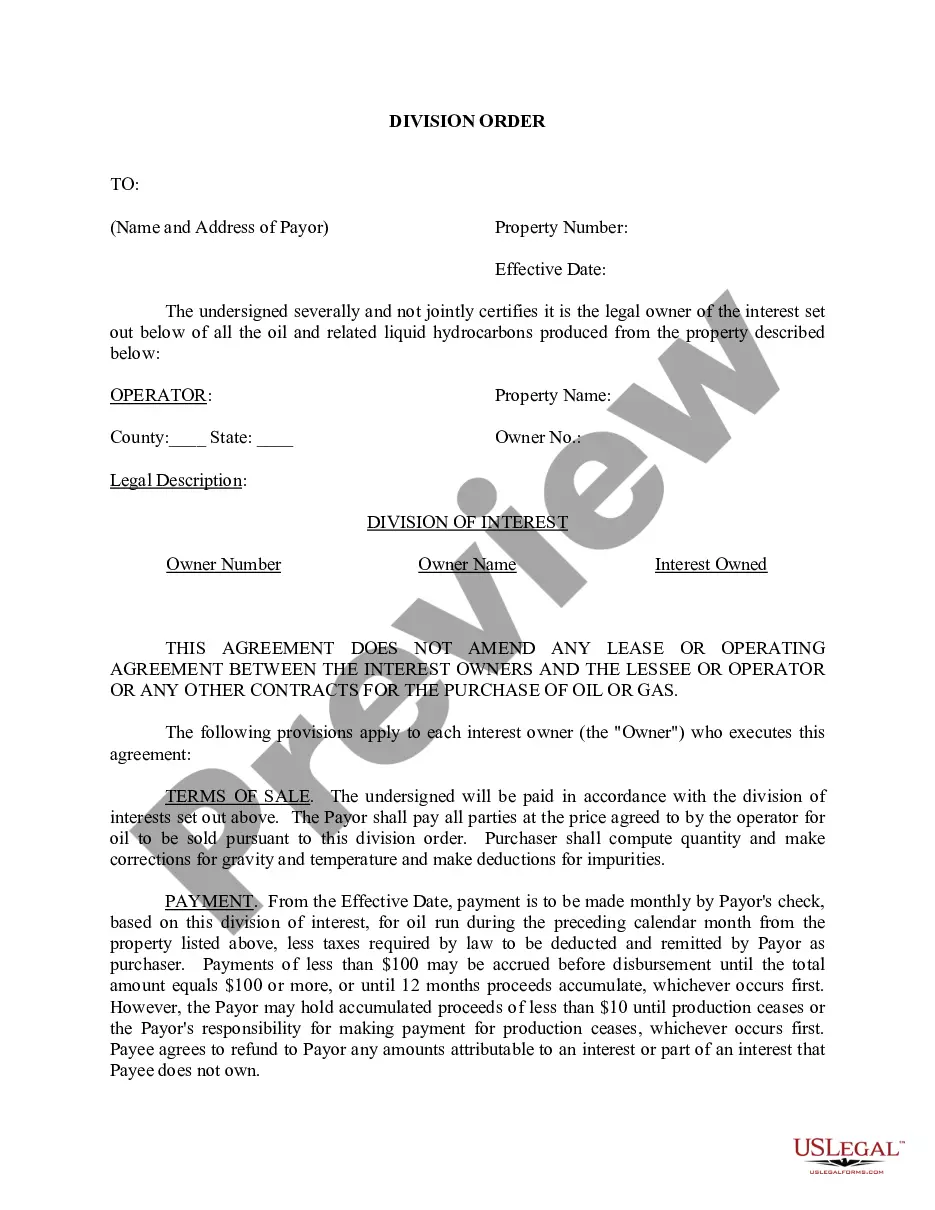
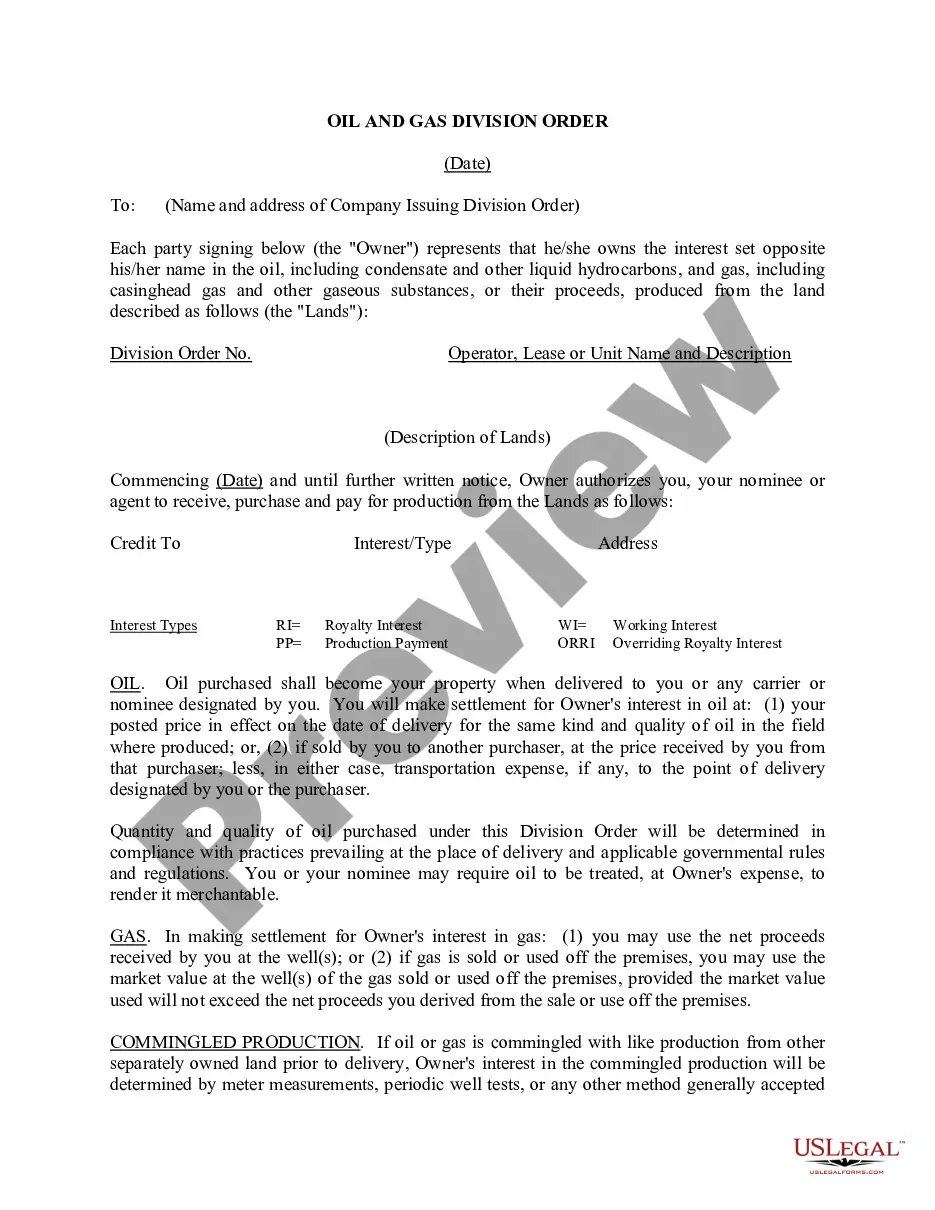
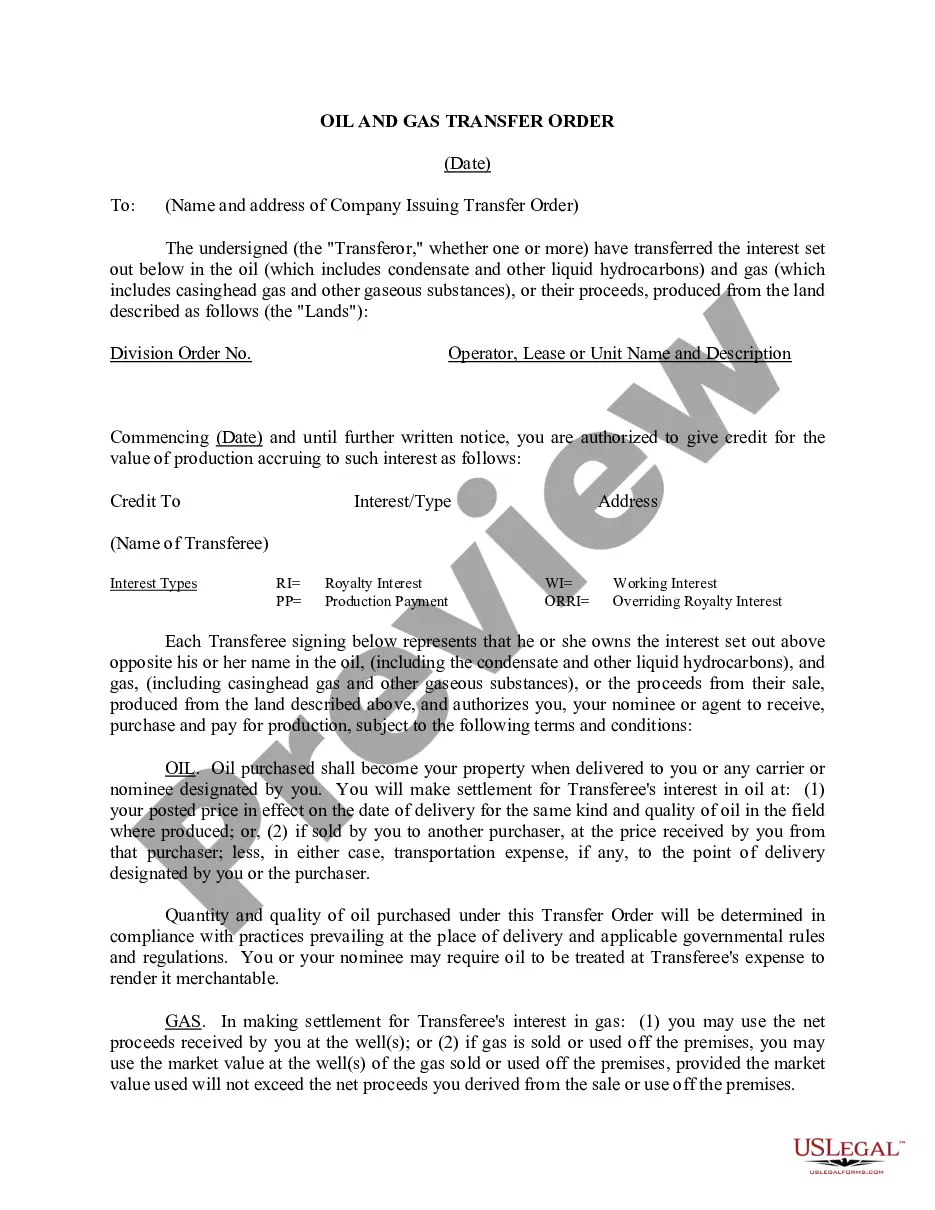
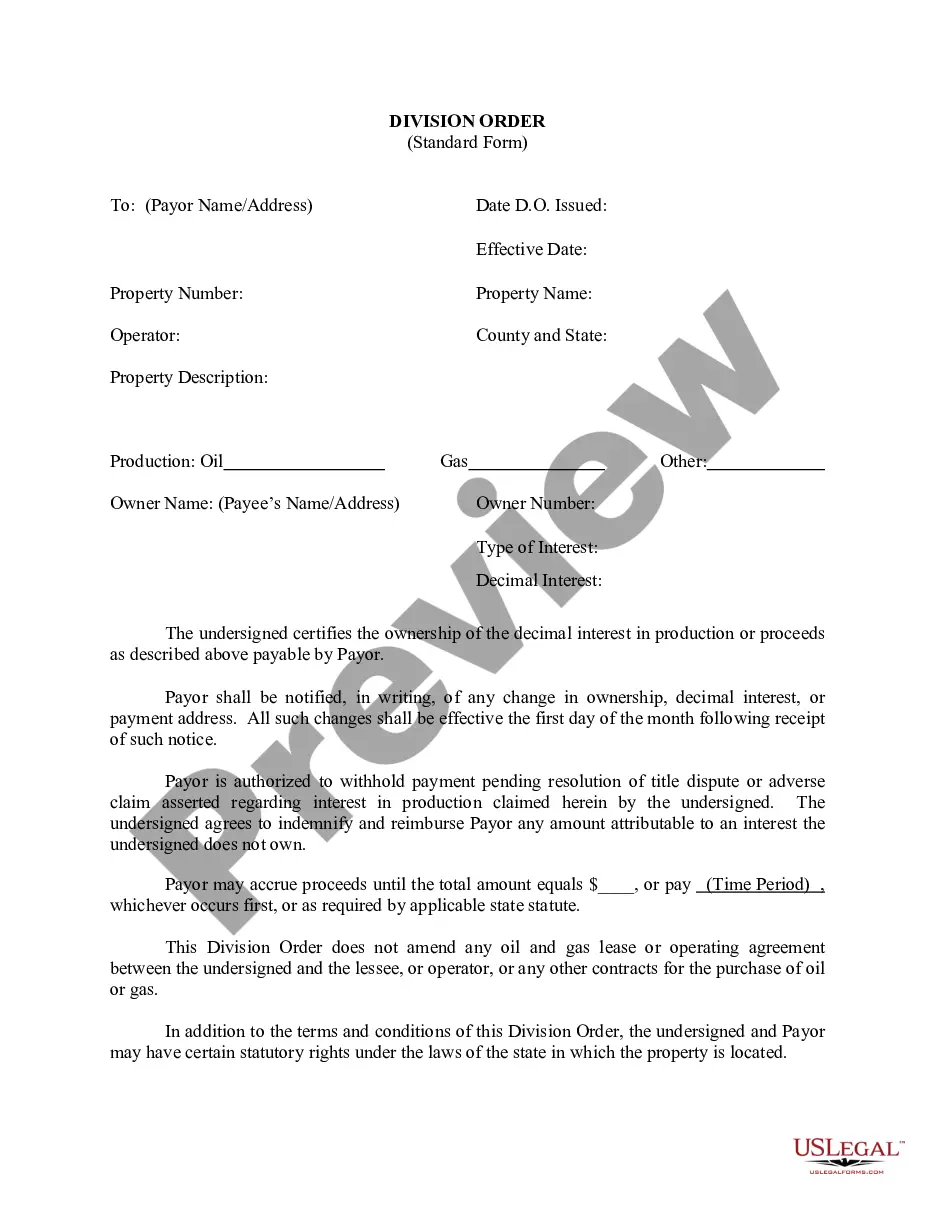
A Division Order typically includes details such as the names of the owners, their percentage shares, and the legal description of the property. Think of it as a detailed map of who's involved and what each person's piece of the pie looks like.
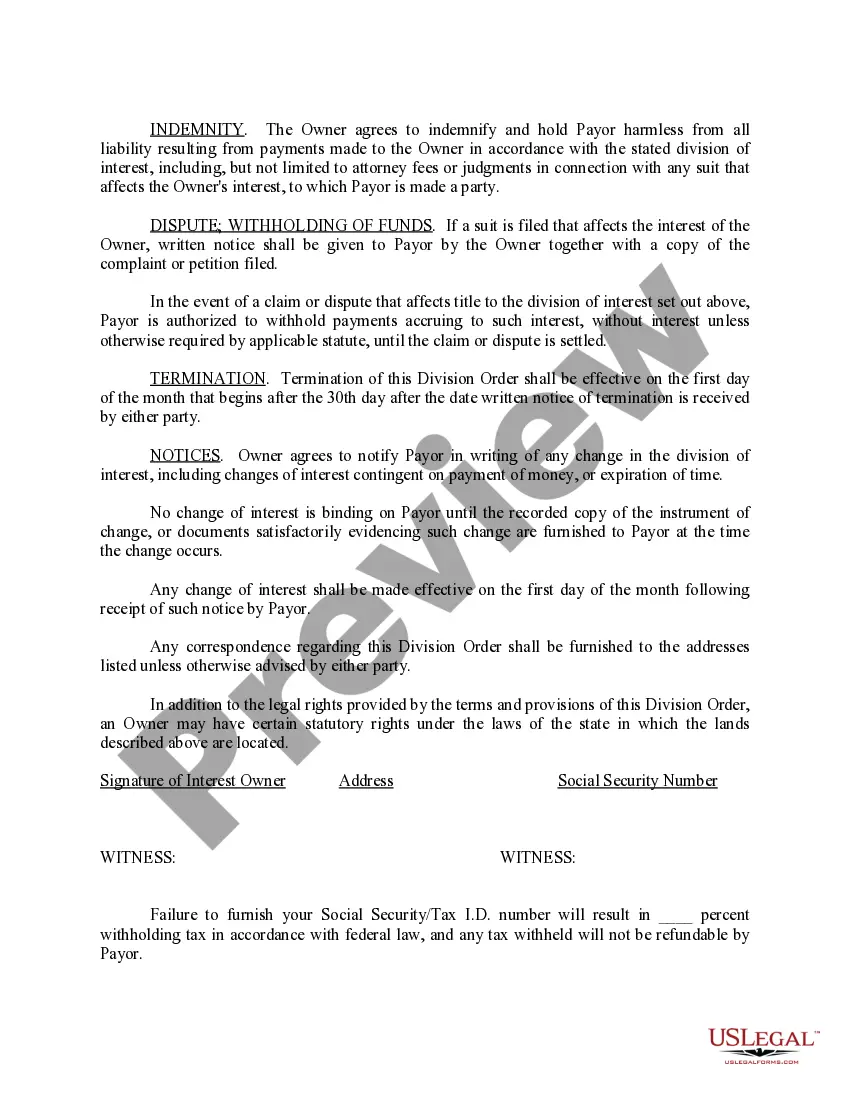
Signing a Division Order is essential to confirm your ownership and ensure that you receive your fair share of the profits. It's like putting your name on the dotted line to show you're in the game.
A Division Order is a document that outlines how the proceeds from oil, gas, or mineral interests are divided among owners. It's like the playbook for who gets what when it comes to payments from these resources.