If you have questions, reach out to the oil company or a legal expert familiar with oil and gas law. They can help clear the fog and ensure you understand what you’re signing.
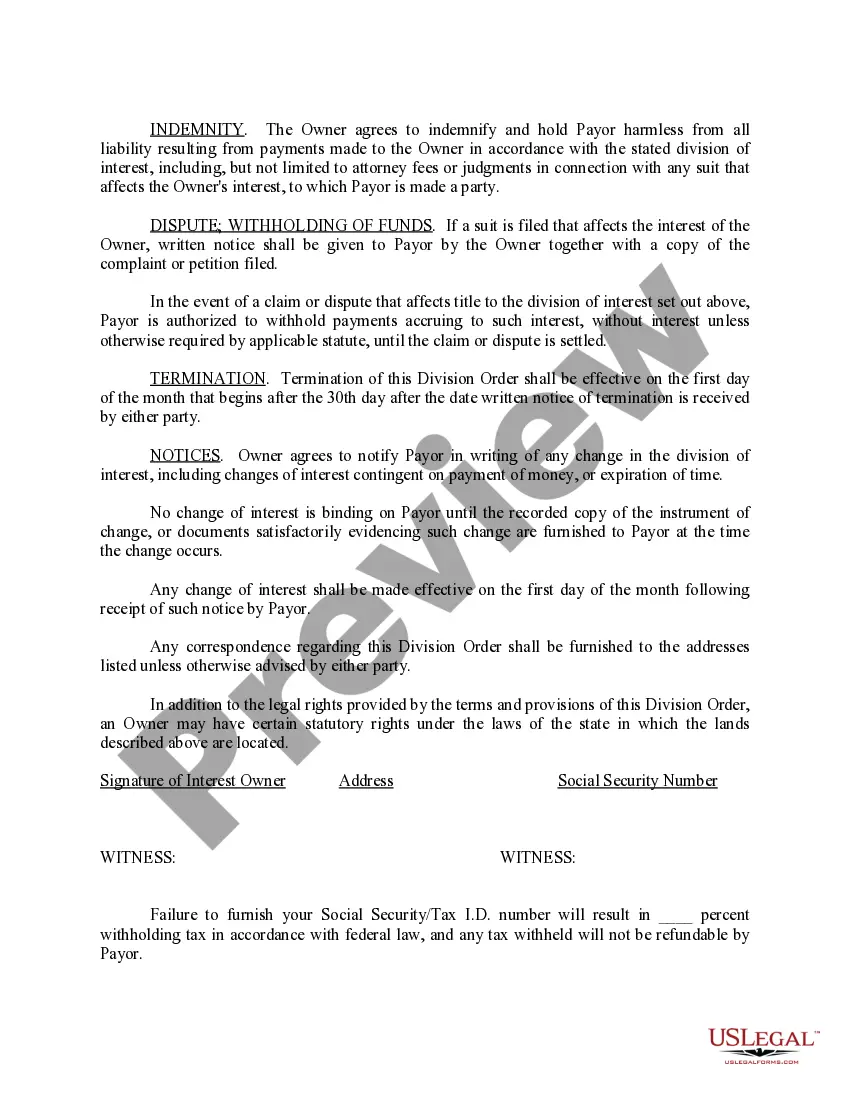
Check the details carefully, like your ownership percentage and the terms of payment. It's like reading the fine print; you want to make sure everything adds up before you sign on the dotted line.
Yes, you can request changes to your Division Order. Just remember, it's best to communicate with the oil company if your situation changes, like if you’ve sold your land or changed your heirs.
If you don’t sign, you might miss out on your share of payments. It's like standing on the sidelines when you could be in the game; signing helps you get your slice of the pie.
Getting a Division Order is usually done by the oil or gas company. They’ll send you one when they start producing from your land, so you don't have to go looking for it.
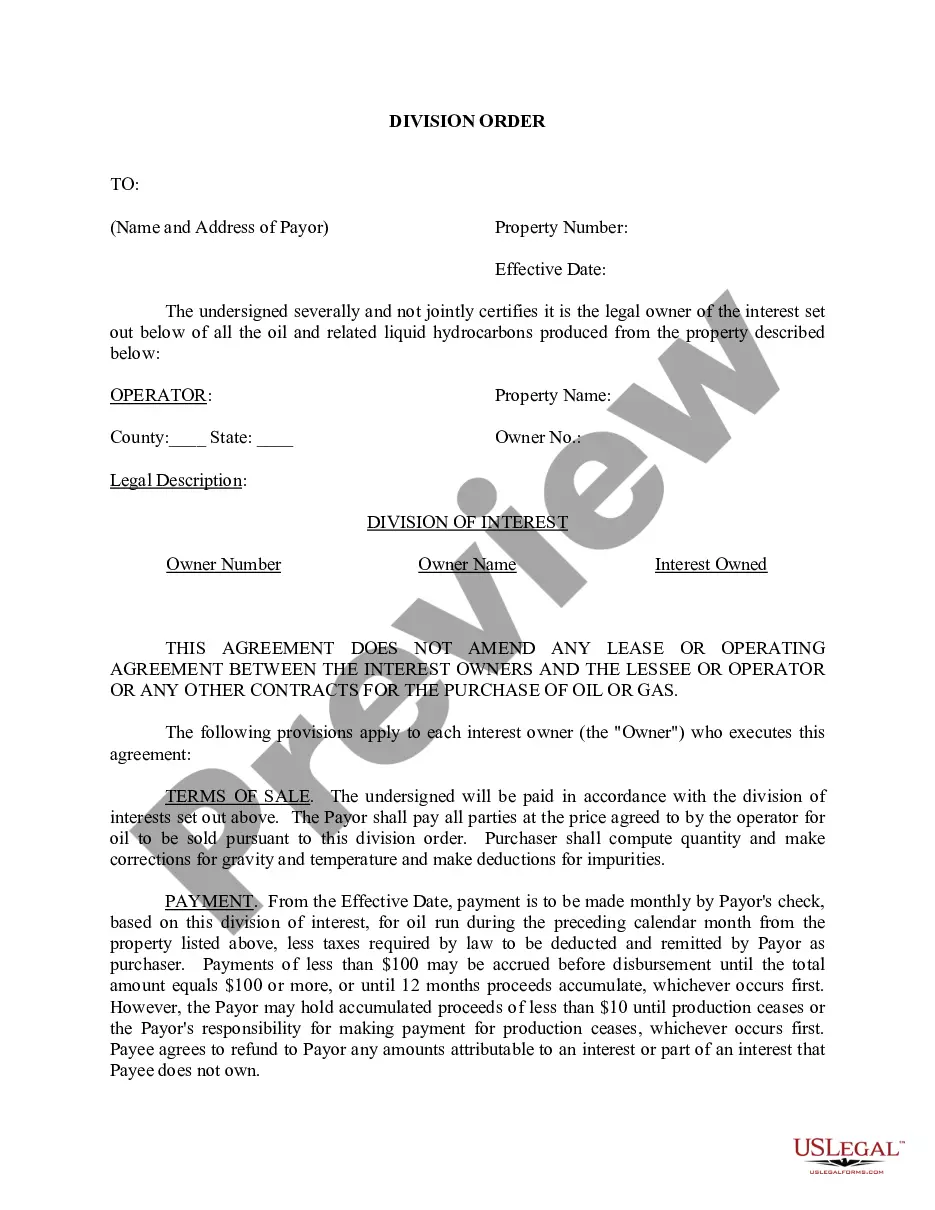
You need a Division Order to make sure you receive your fair share of the oil and gas payments. It's all about keeping things clear and fair so there are no misunderstandings down the line.
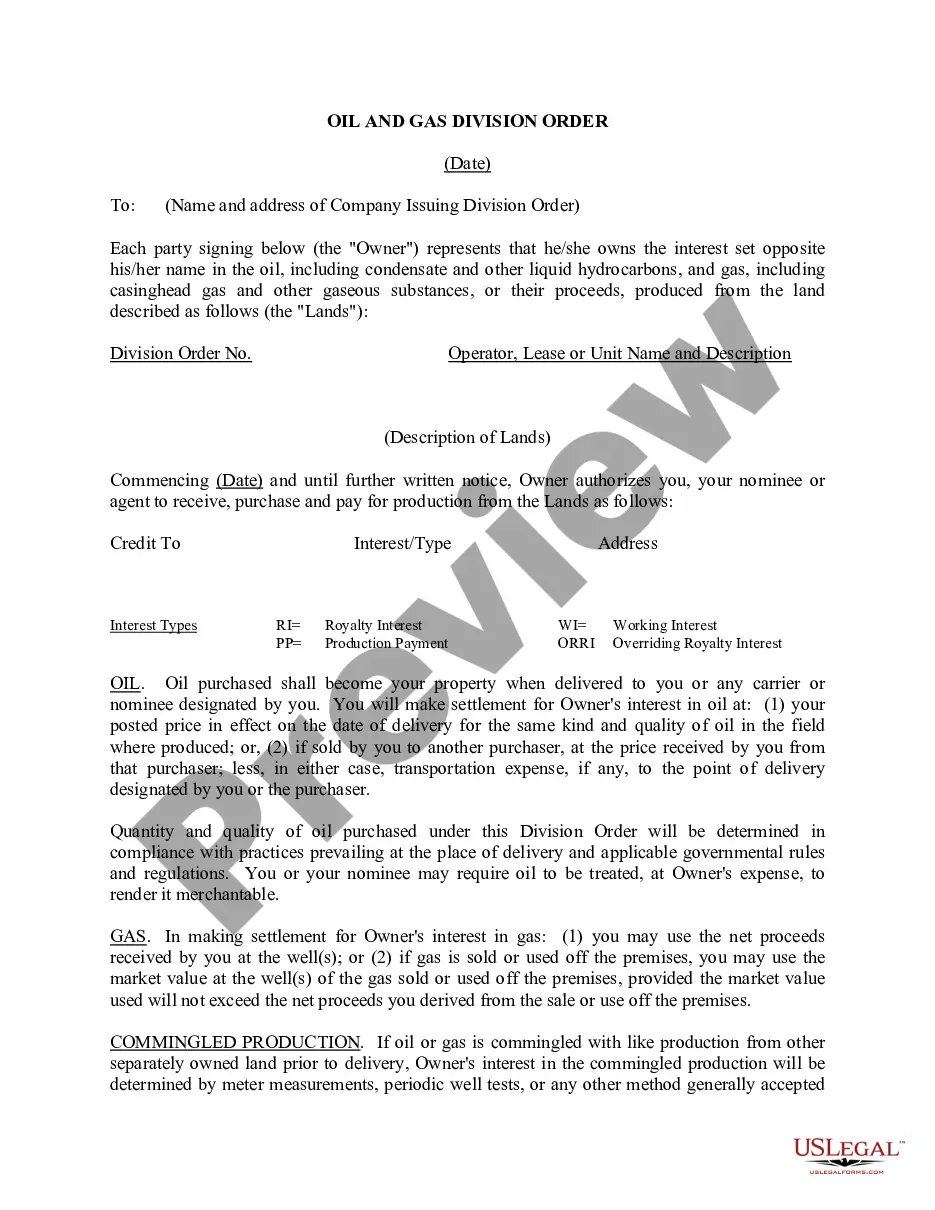
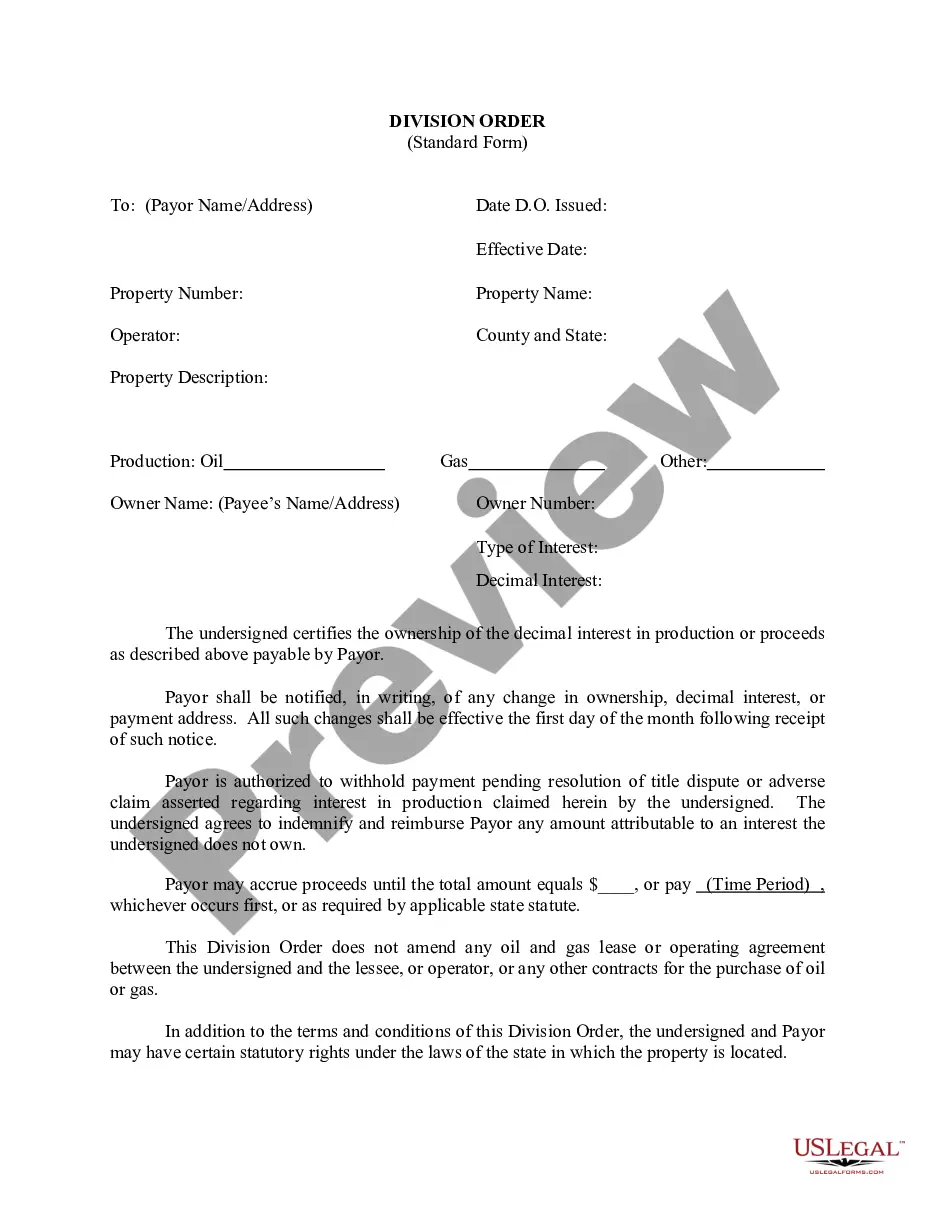
A Division Order is like a road map that shows how oil and gas royalties are divided among the owners. It helps everyone know who gets what from the resources.