Yes, in Arizona, there are specific deadlines for filing a motion for summary judgment. Generally, it should be filed at least 30 days before the trial. It's crucial to keep an eye on these timelines to ensure you're on the right track.
Typically, you'll need solid evidence like documents, deposition transcripts, or affidavits that clearly show there are no genuine issues of fact and that you deserve a judgment in your favor.
Yes, you can contest or oppose a motion for summary judgment. You'll need to present evidence to show there are genuine disputes about the material facts of the case that should be decided at trial.
If the court denies the motion, the case continues to trial, where both sides can present their arguments and evidence in front of a judge or jury.
If a summary judgment is granted, it means the court agrees with the party that filed the motion. They believe there isn’t enough evidence for the case to go forward, which can effectively end the claim.
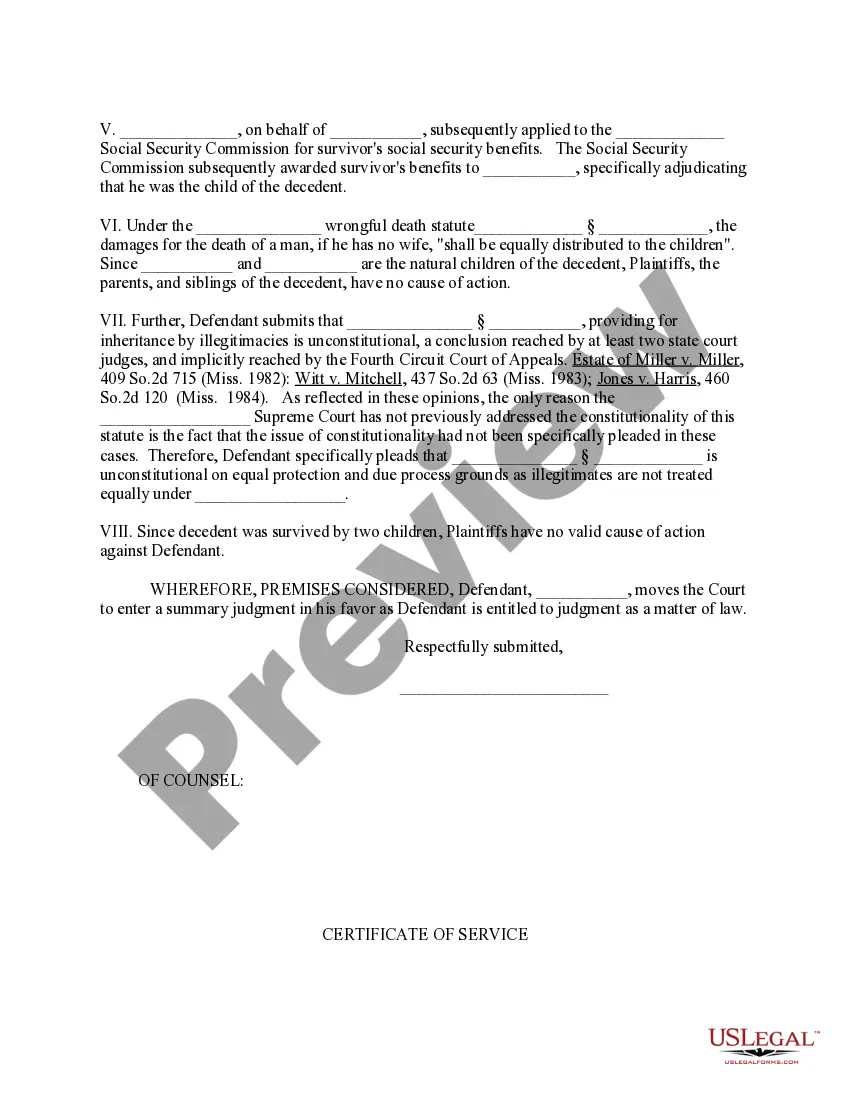
Heirship is all about figuring out who legally inherits from the deceased. In wrongful death cases, only the rightful heirs can claim damages, so proving who they are is crucial.
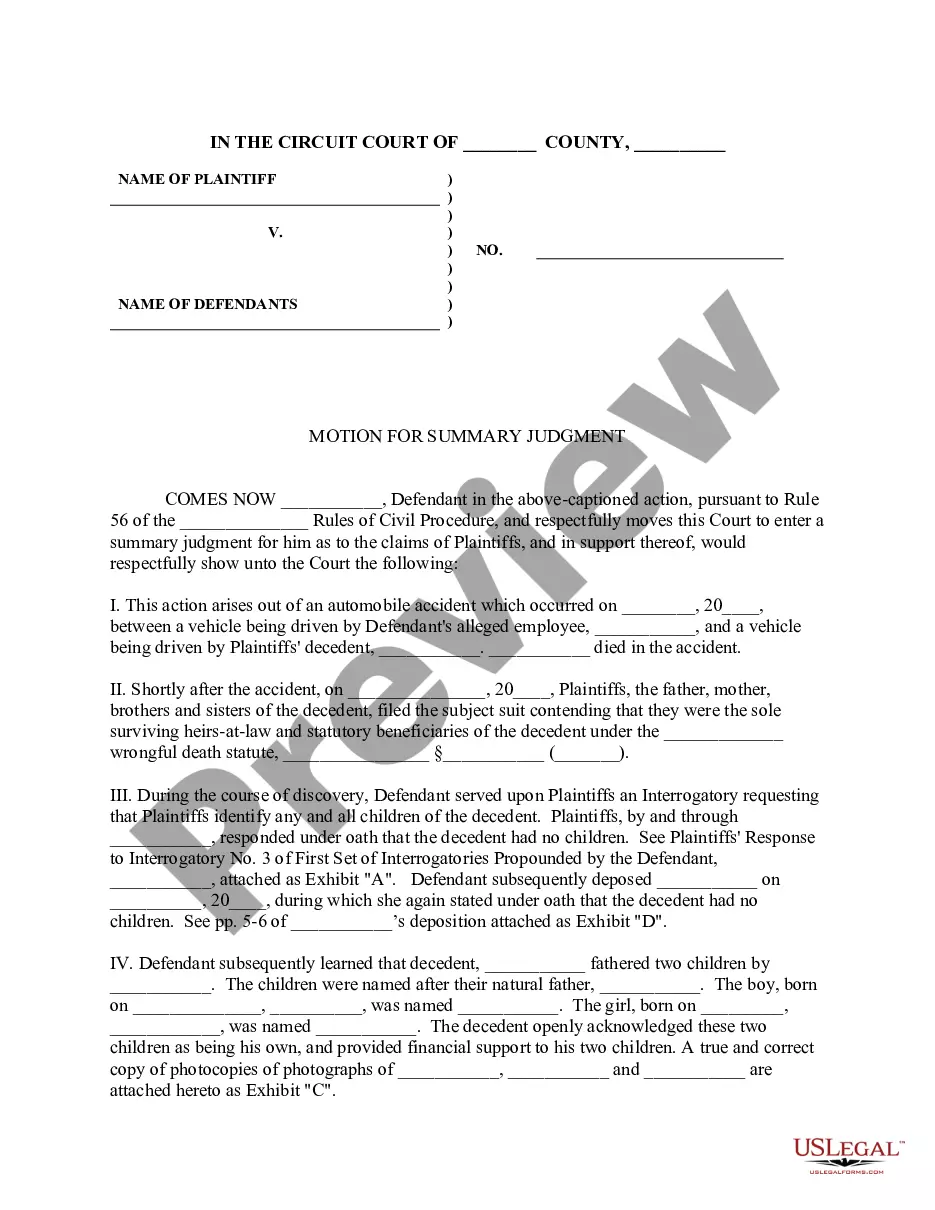
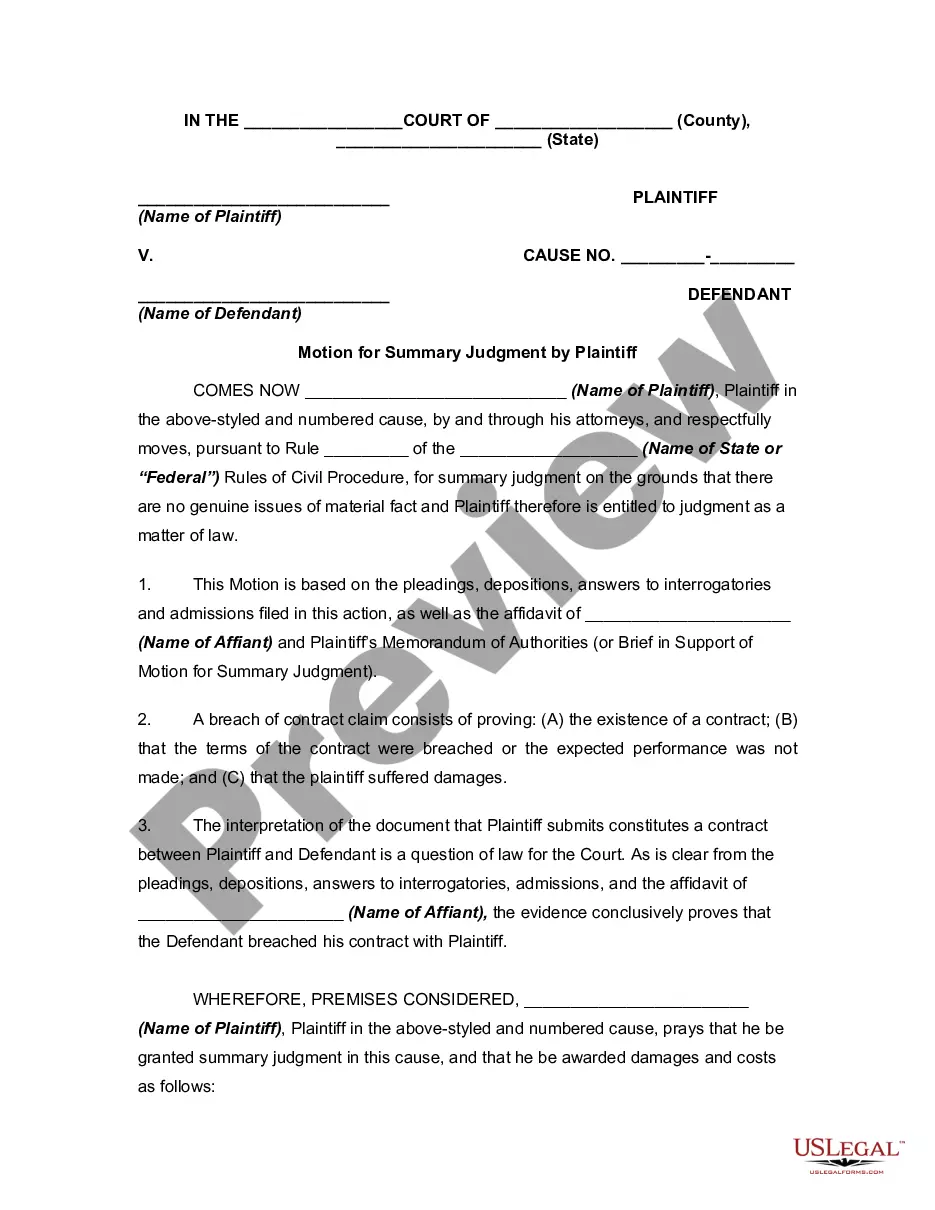
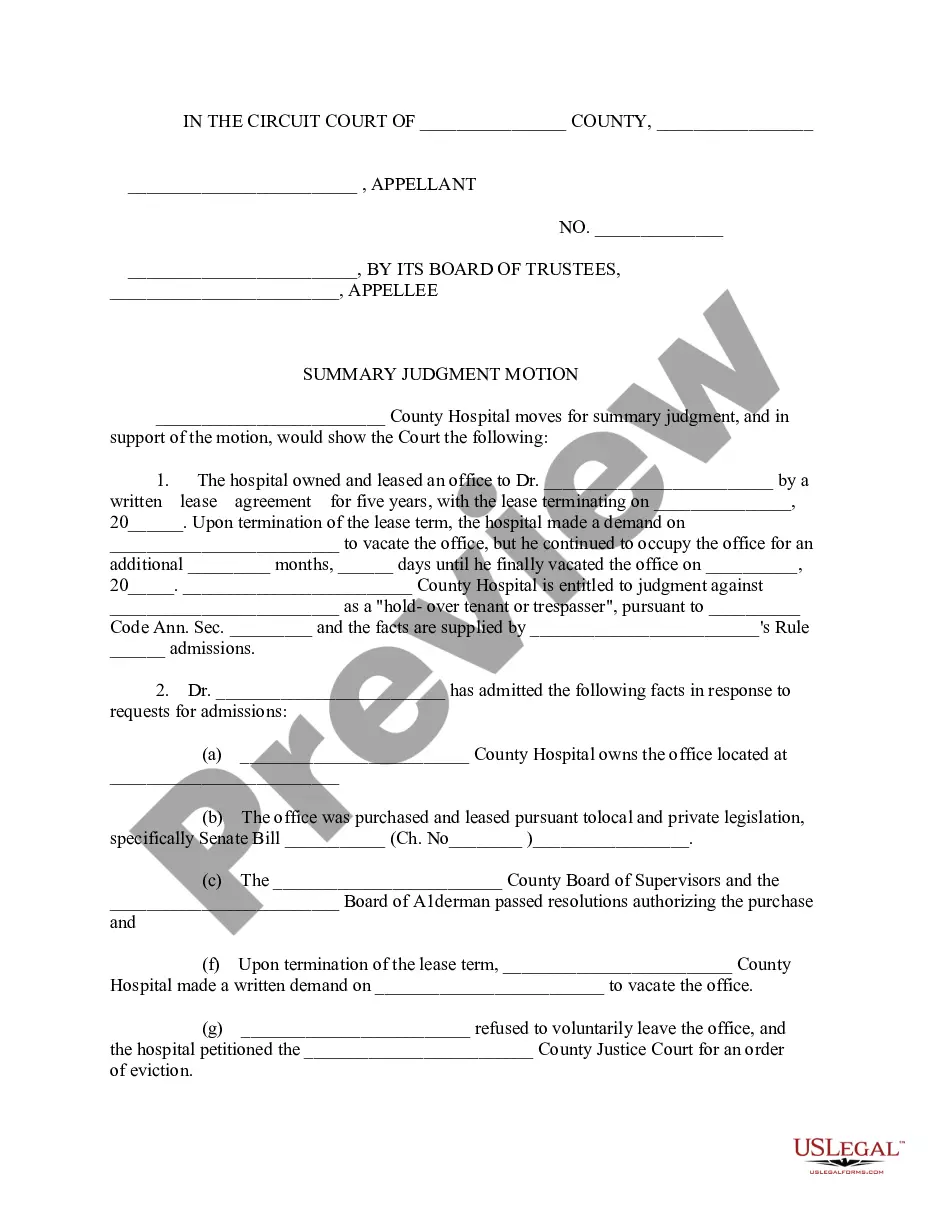
A motion for summary judgment is a request to the court to rule that the other party has no case, based on the facts presented. In a wrongful death case, this means the person filing the motion believes there isn't enough evidence to support the claim of heirship or liability.
Trusted and secure by over 3 million people of the world’s leading companies
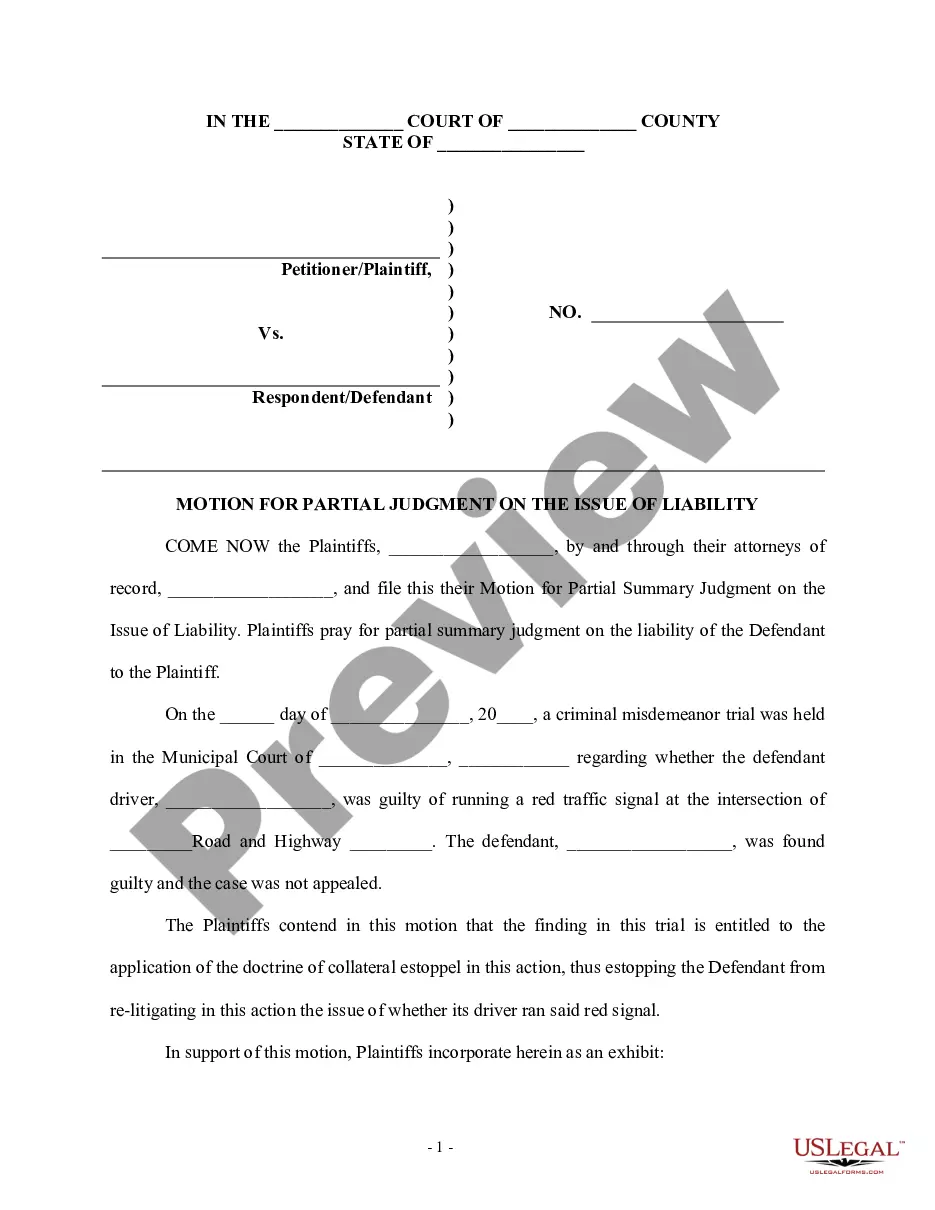
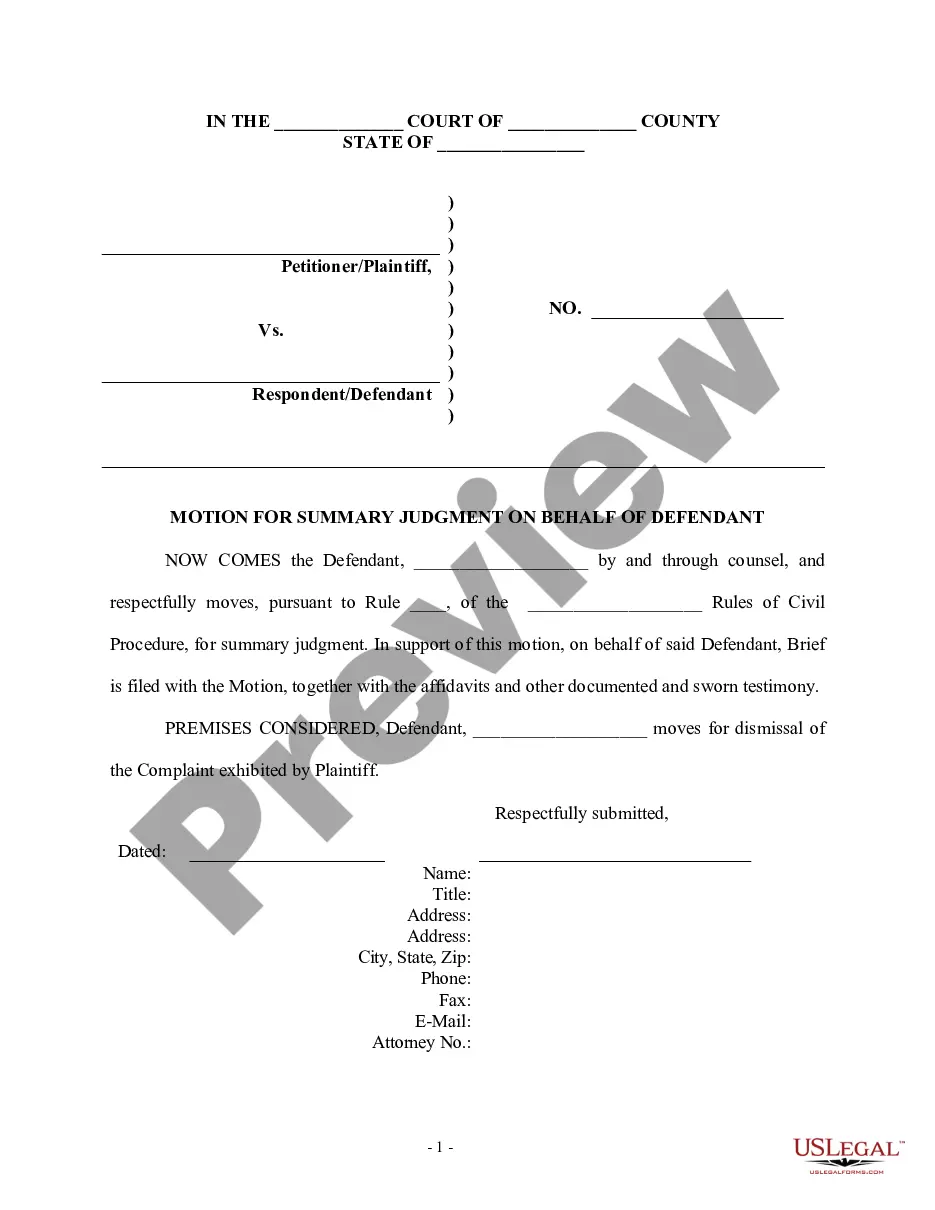
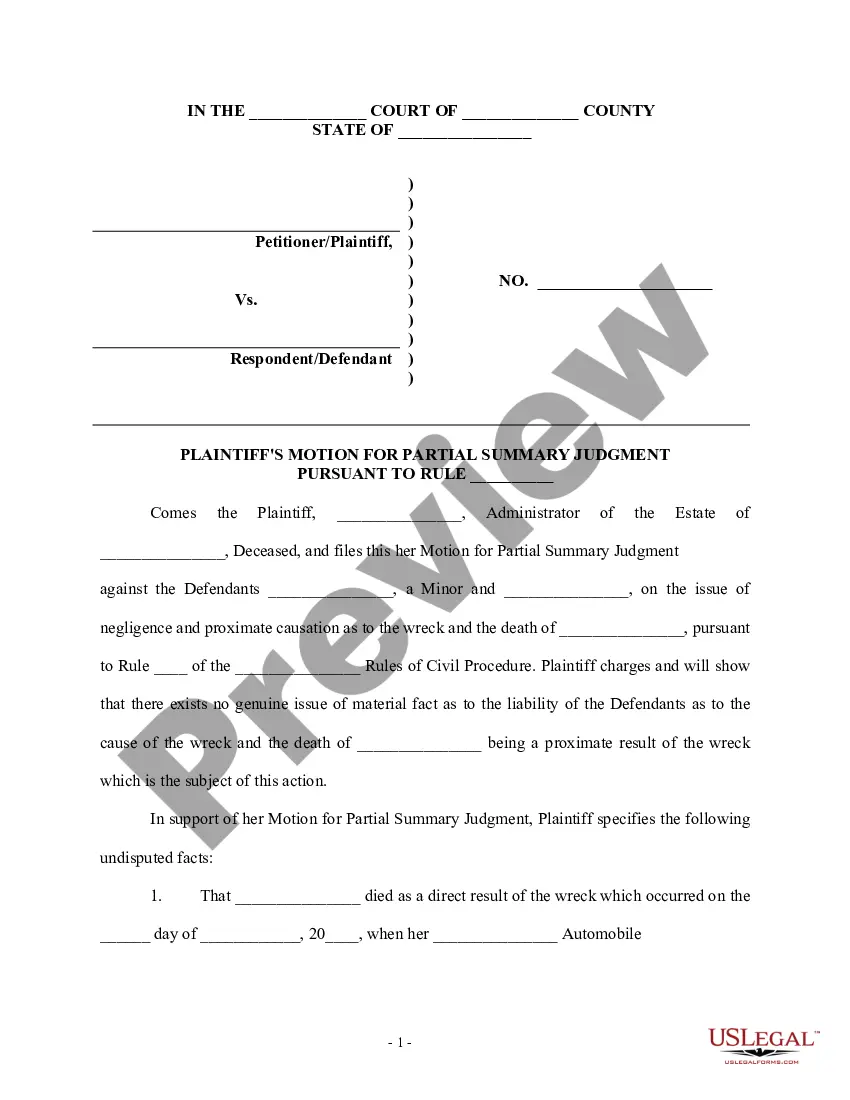
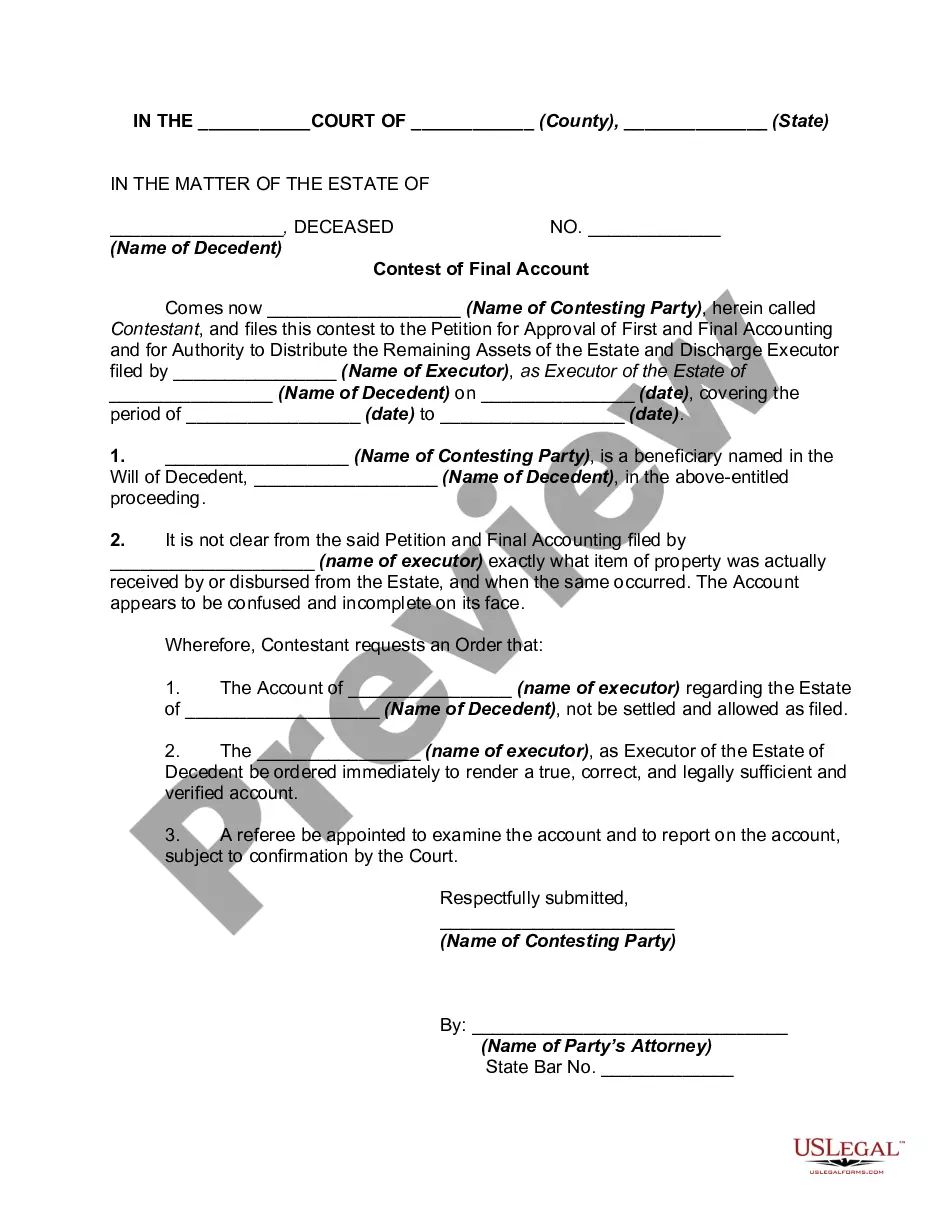
Chandler Arizona Motion for Summary Judgment - Heirship - Wrongful Death Case for Failure of Valid Cause of Action