If granted, the evidence in question will be off-limits during the trial, helping to keep things fair and square for everyone involved.
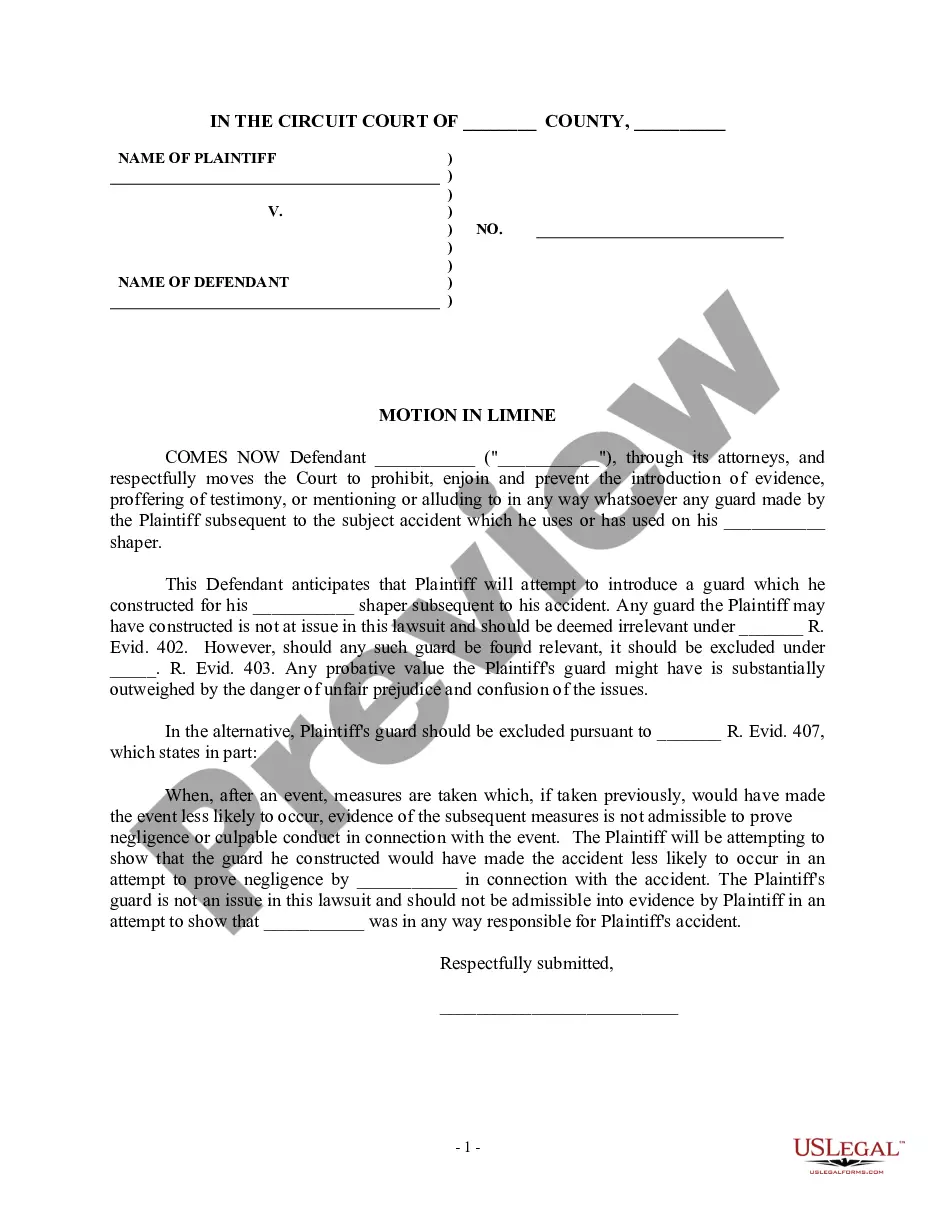
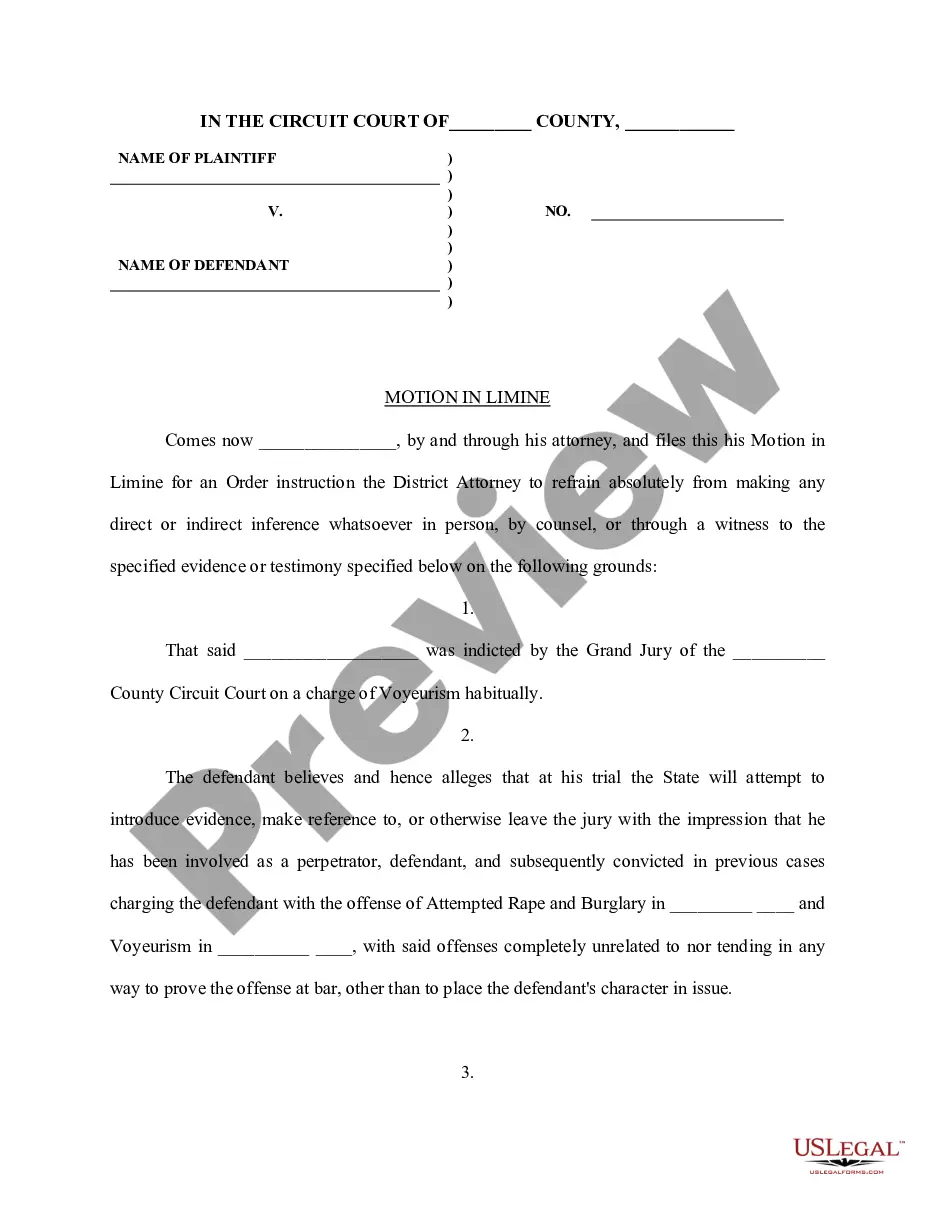
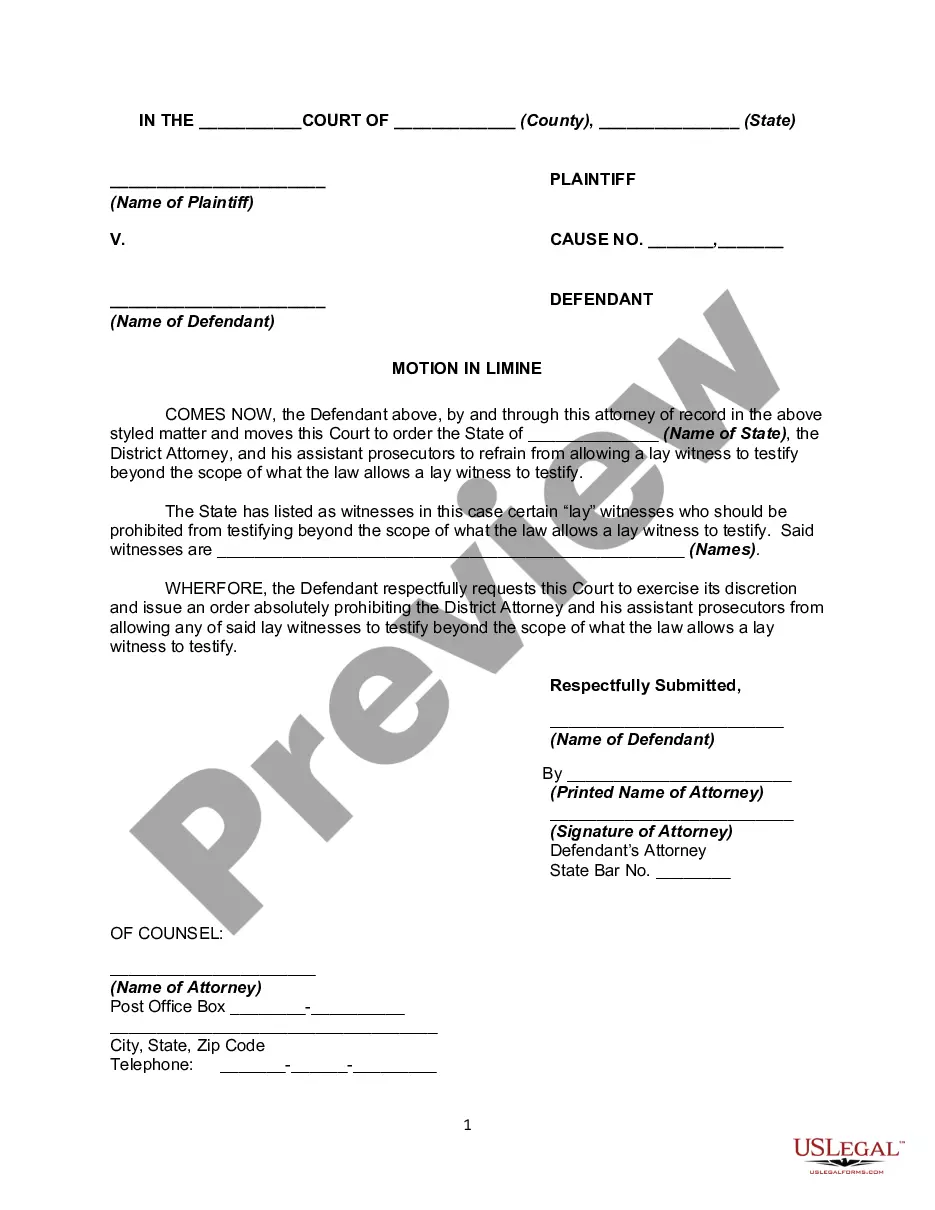
While the format can vary, generally it's a written request stating the reason for excluding the evidence clearly and concisely.
The judge looks at the relevance of the proposed evidence and whether it might confuse or mislead the jury.
This includes things like repairs, upgrades, or safety changes made after an accident to show they care about safety.
Generally, no. Courts often see that evidence as a way to mislead the jury into thinking the party admitted to fault by fixing something.
The idea is to keep the jury from hearing about repairs or improvements made after an incident, as it might unfairly suggest the party acted negligently.
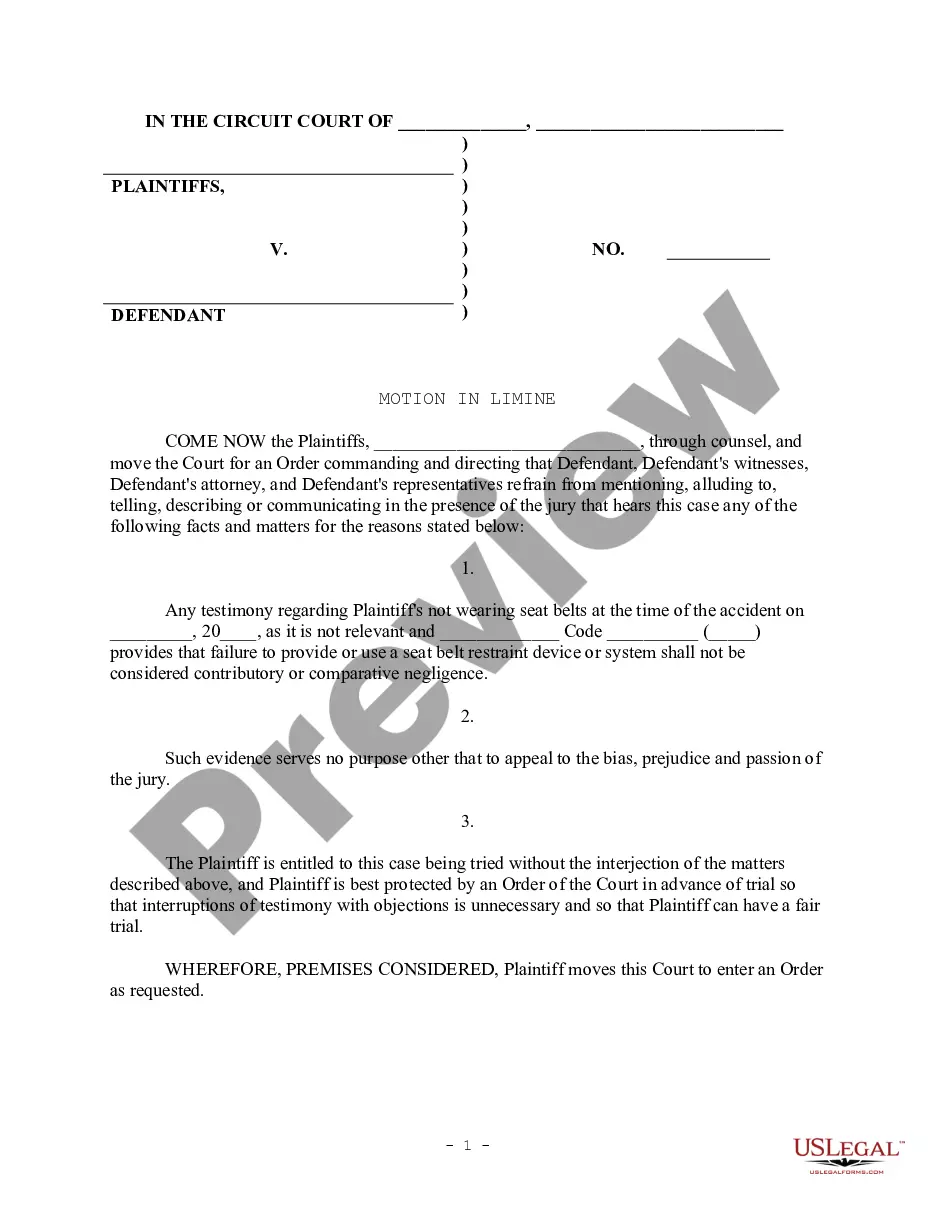
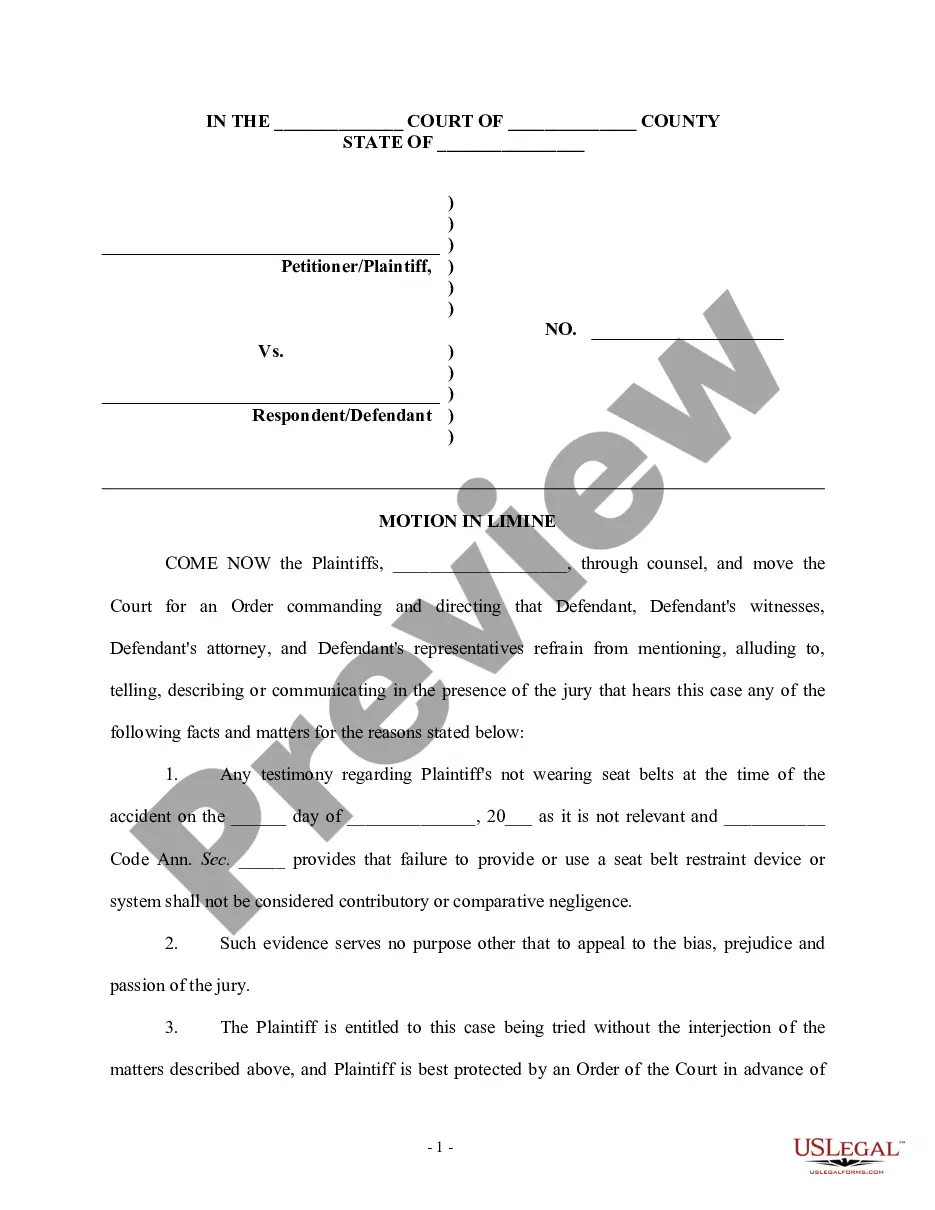
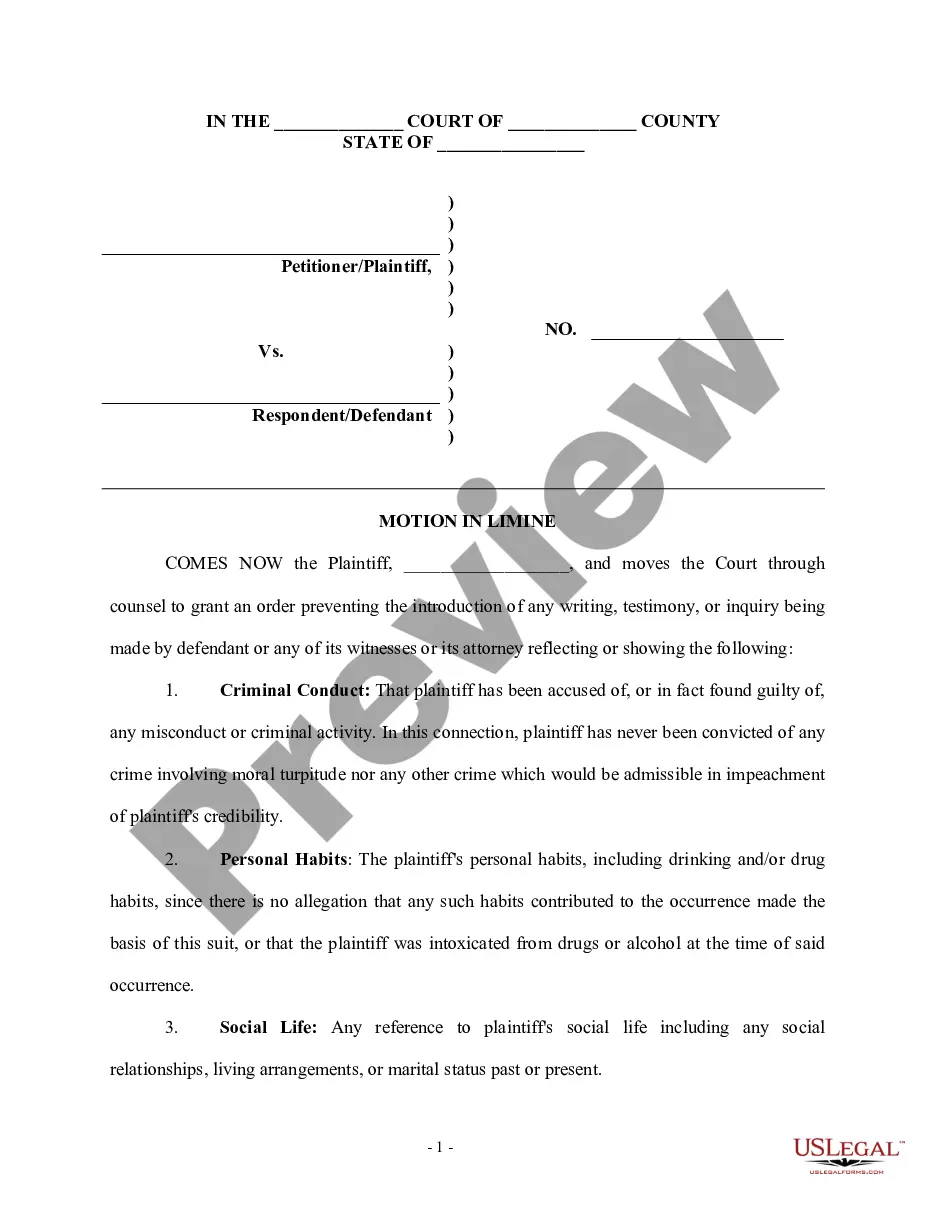
A motion in limine is a request made to the court to exclude certain evidence from being presented during a trial.