If your motion is successful, you won't necessarily get monetary damages, but you will get the court's backing to enforce the settlement terms. It's more about getting what's rightfully yours than a financial payout.
The timeline can vary, but generally, it can take several weeks to months, depending on the court's schedule and how complex the case is. Patience is key!
If the court grants your motion, they will issue an order requiring the other party to comply with the settlement terms. Think of it as the court putting their foot down to ensure fair play.
Yes, you can represent yourself, but it can be tricky. If you’re feeling uncertain, it might be wise to at least consult with a lawyer to help you navigate the ins and outs.
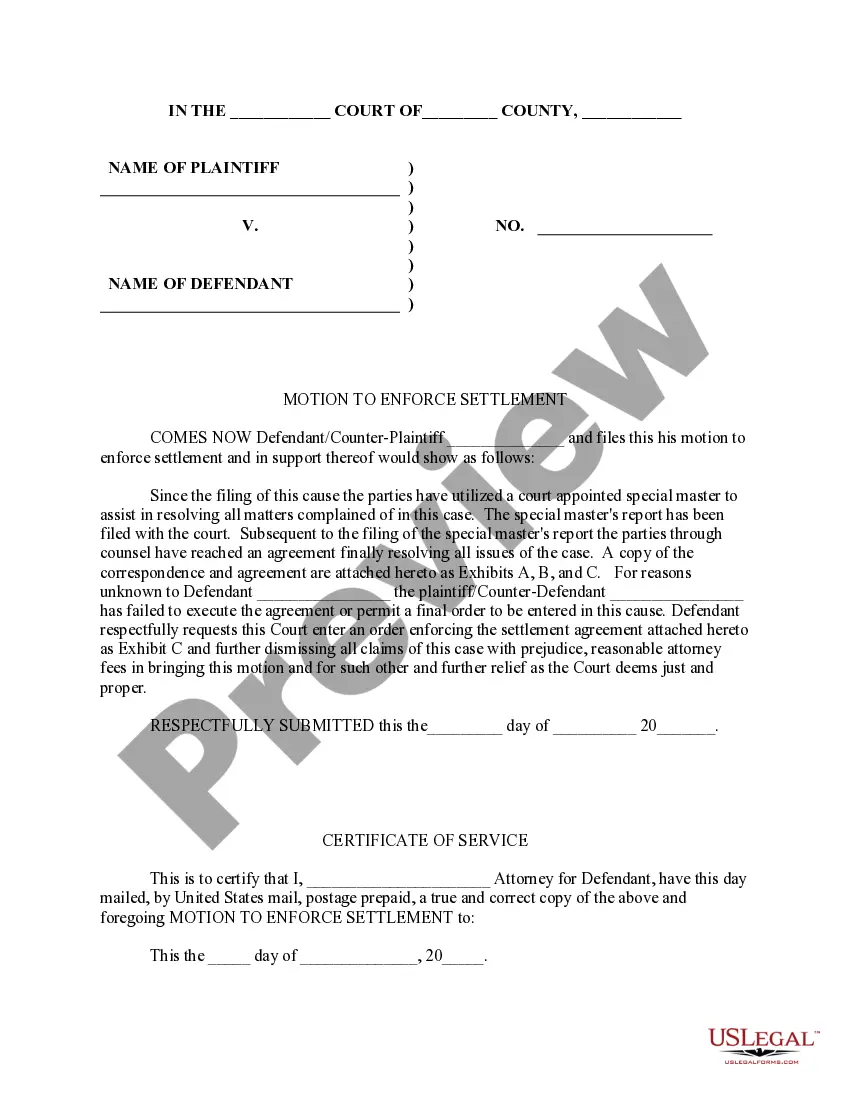
During the process, you'll typically file your motion with the court, possibly attend a hearing, and present your case. It's a straightforward way to get the judge involved in making sure the agreement is honored.
Consider filing when one party isn't holding up their end of the bargain. If you've reached a settlement and they're not doing what they promised, it's time to consider enforcing it.
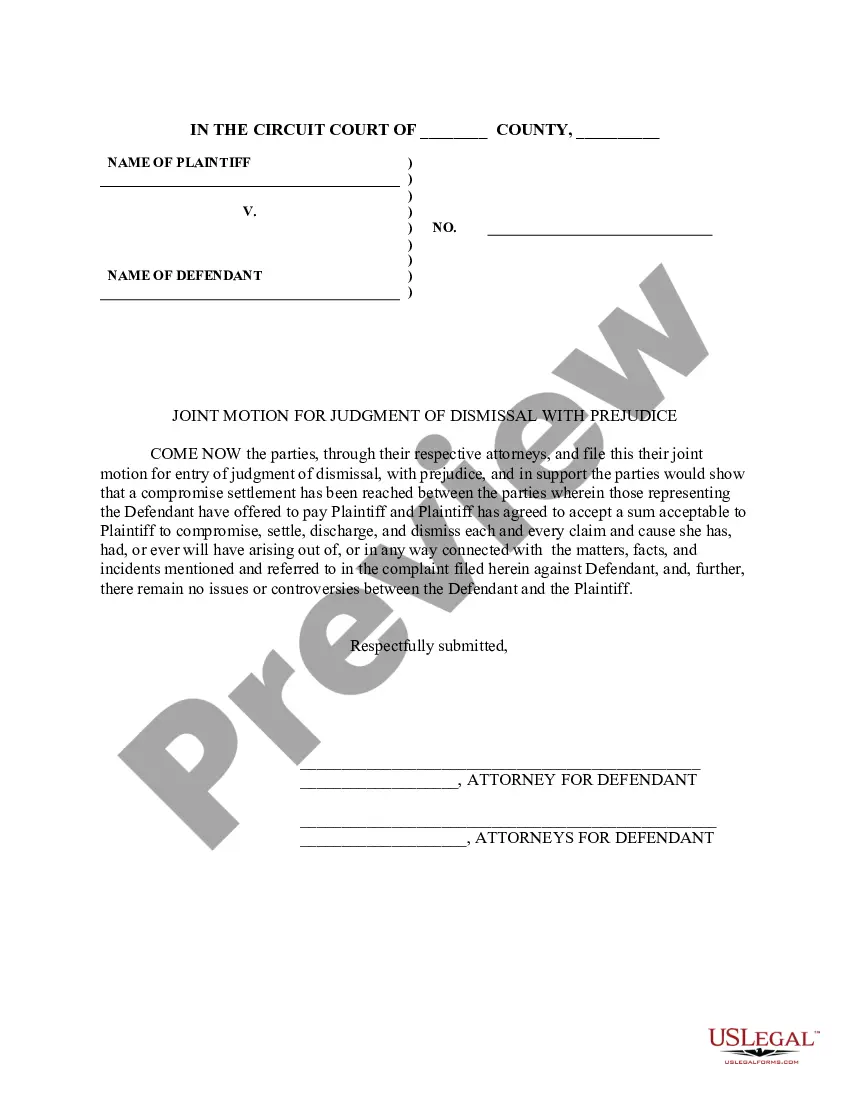
A motion to enforce settlement is a legal request asking the court to ensure that both parties follow through on the terms agreed upon in their settlement. It's a way to make sure everyone sticks to the deal.