Not quite! It’s a special add-on that focuses specifically on the remote work arrangement, while an employment contract covers broader employment terms.
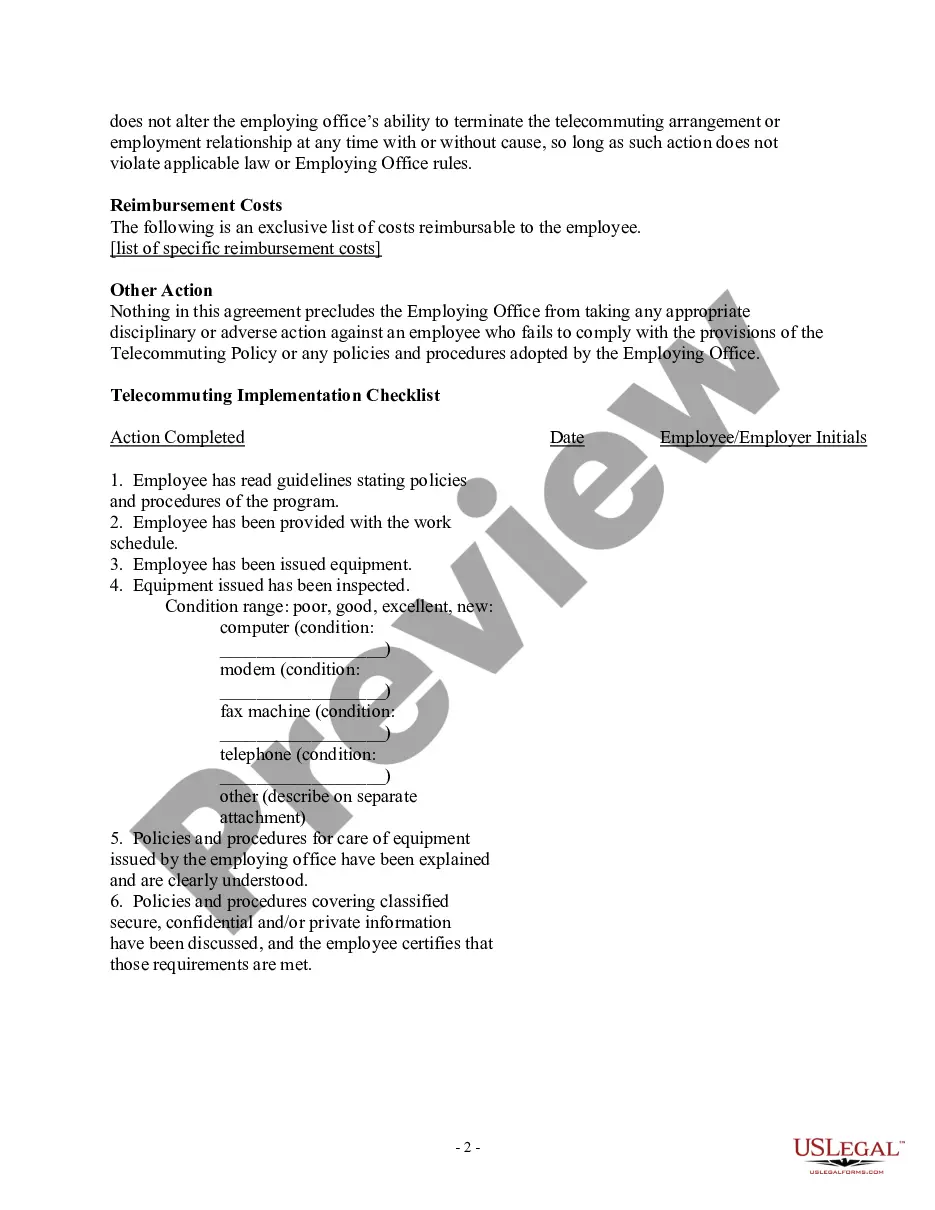
If someone steps out of line, the agreement often lays out the consequences. It could lead to a chat about what's going on or even a reevaluation of the work-from-home arrangement.
It helps prevent misunderstandings by clearly laying out responsibilities and expectations. That way, both parties know what’s what and there are no surprises.
Absolutely! While some rules might be set in stone, many aspects can be tailored to fit both the employer and employee needs. Flexibility is the name of the game!
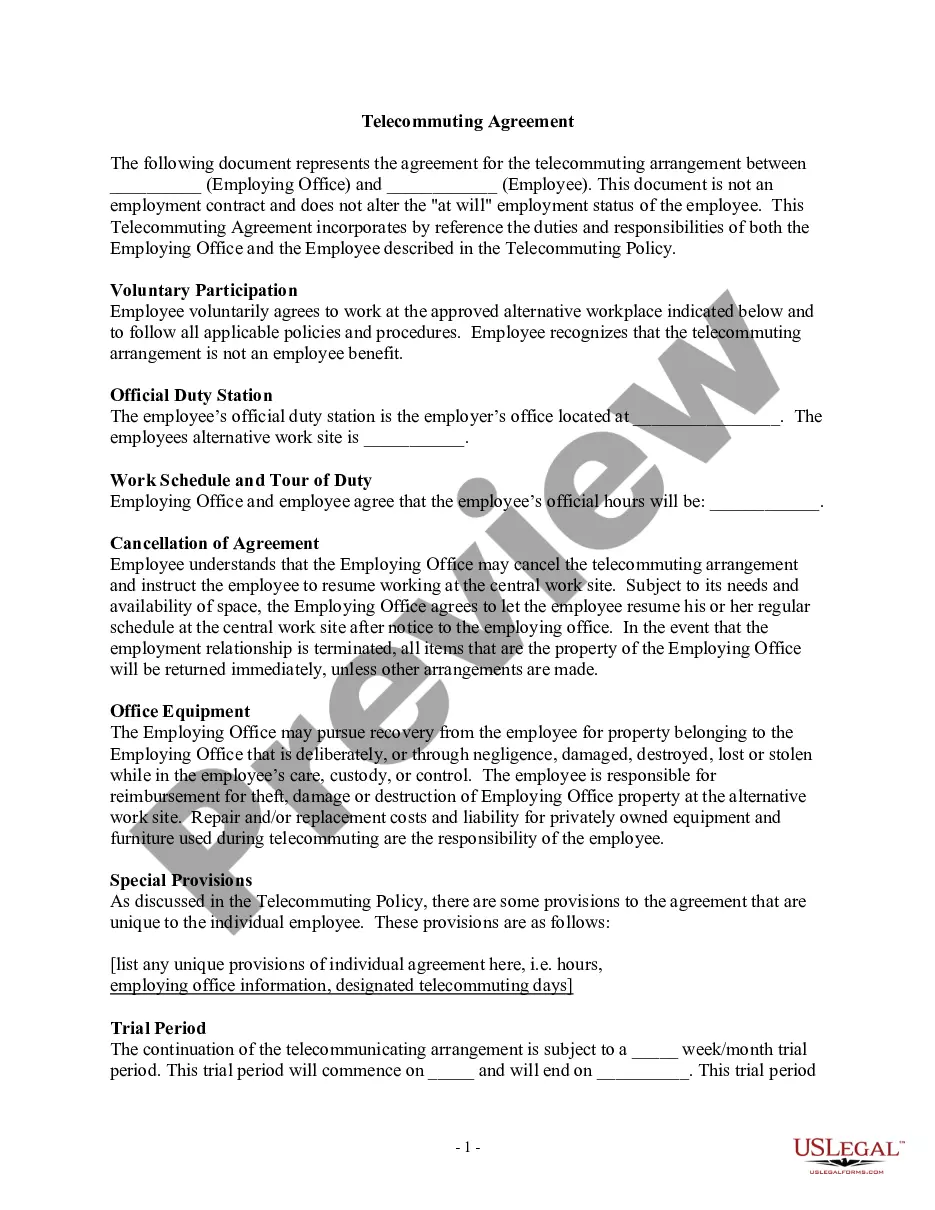
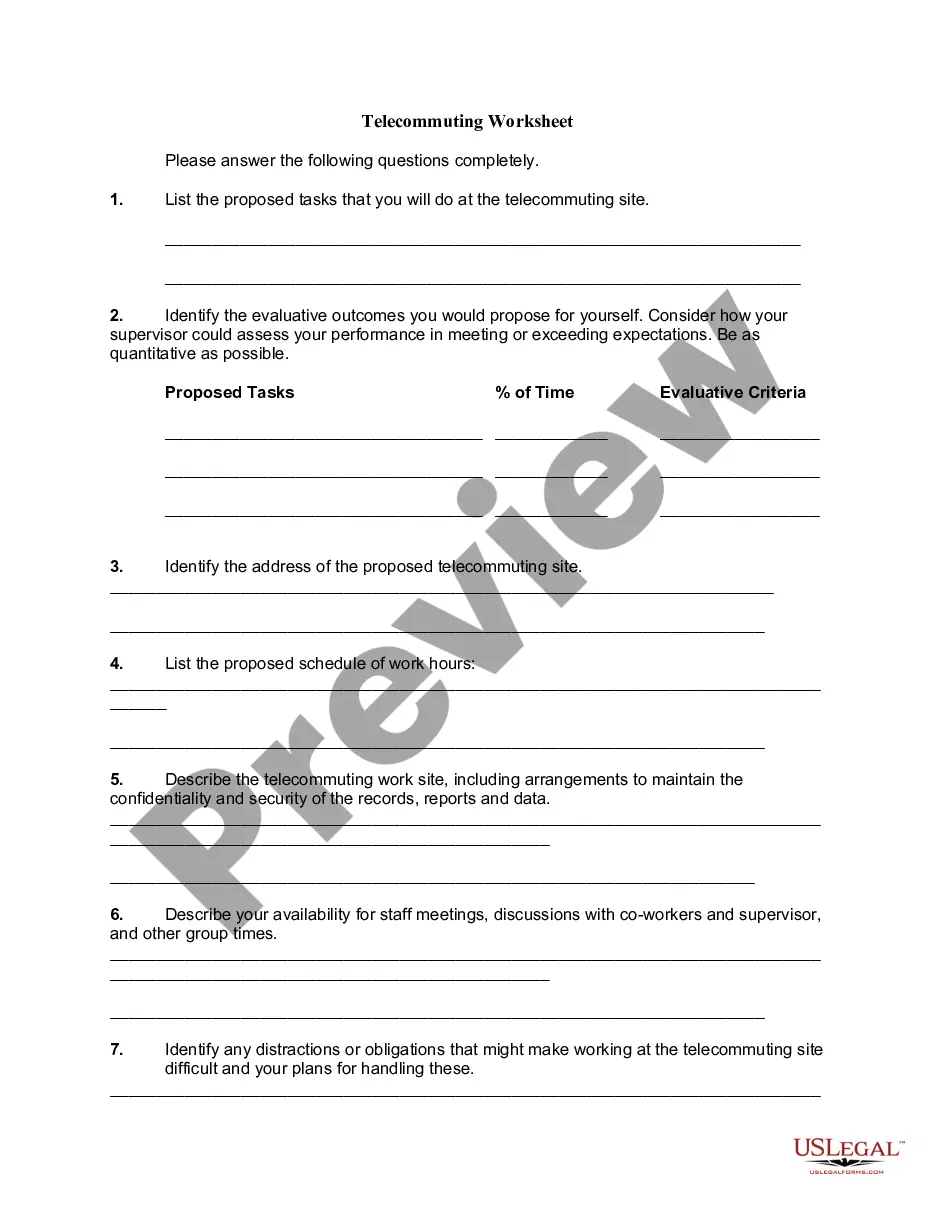
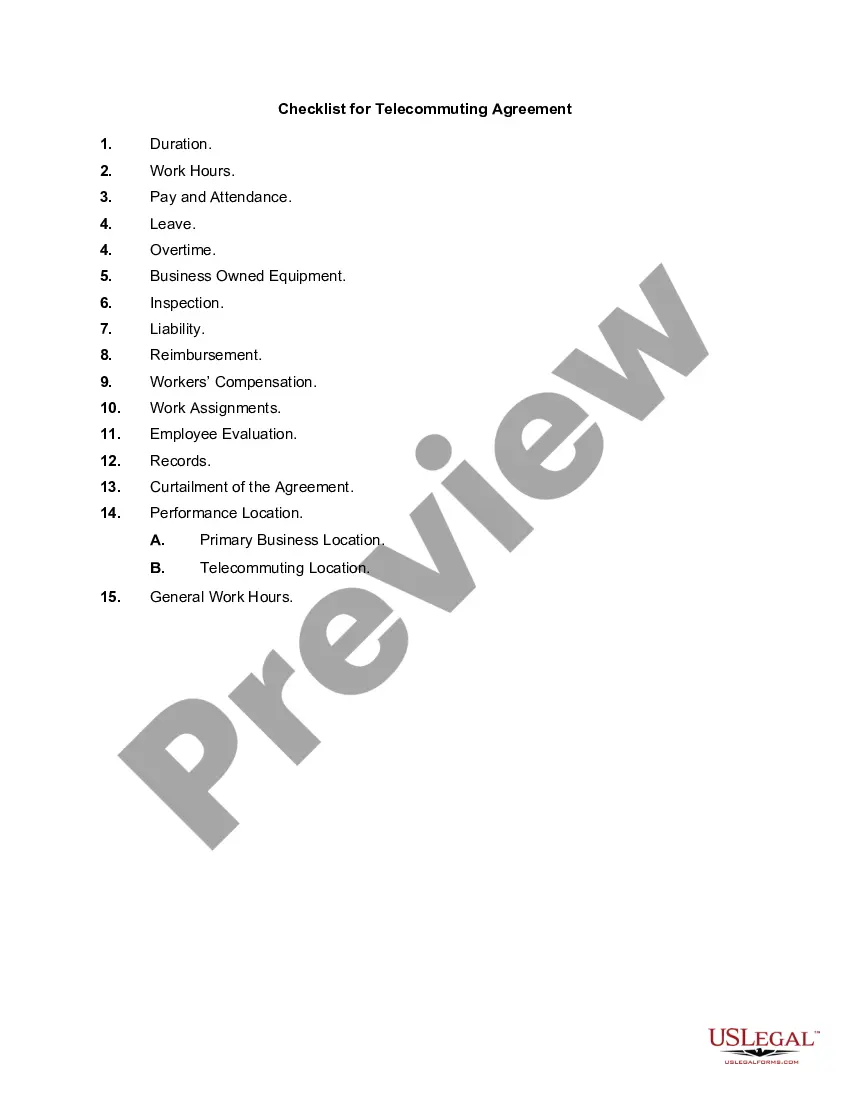
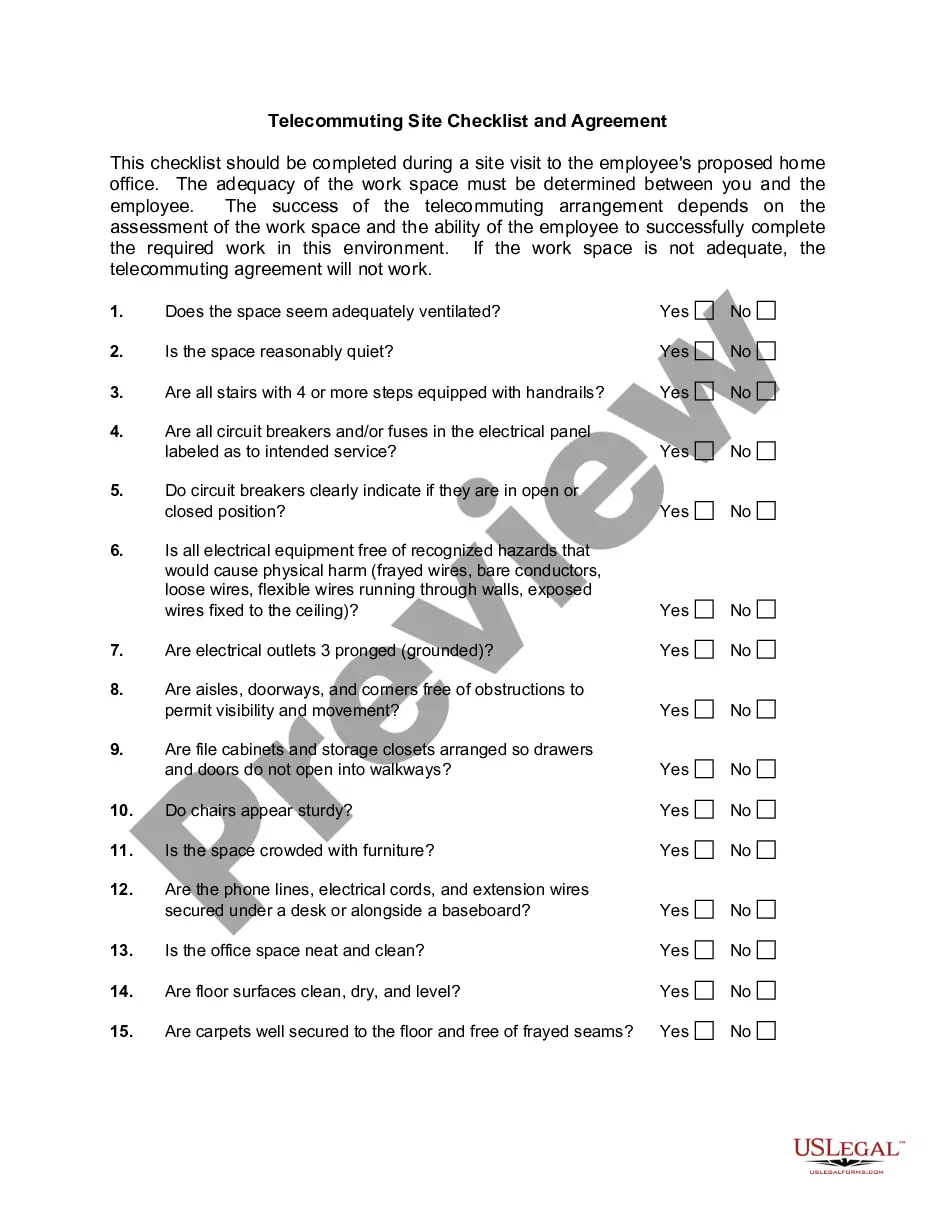
The agreement should cover work hours, communication expectations, equipment use, and any other specific duties. Think of it as a roadmap to successful remote work.
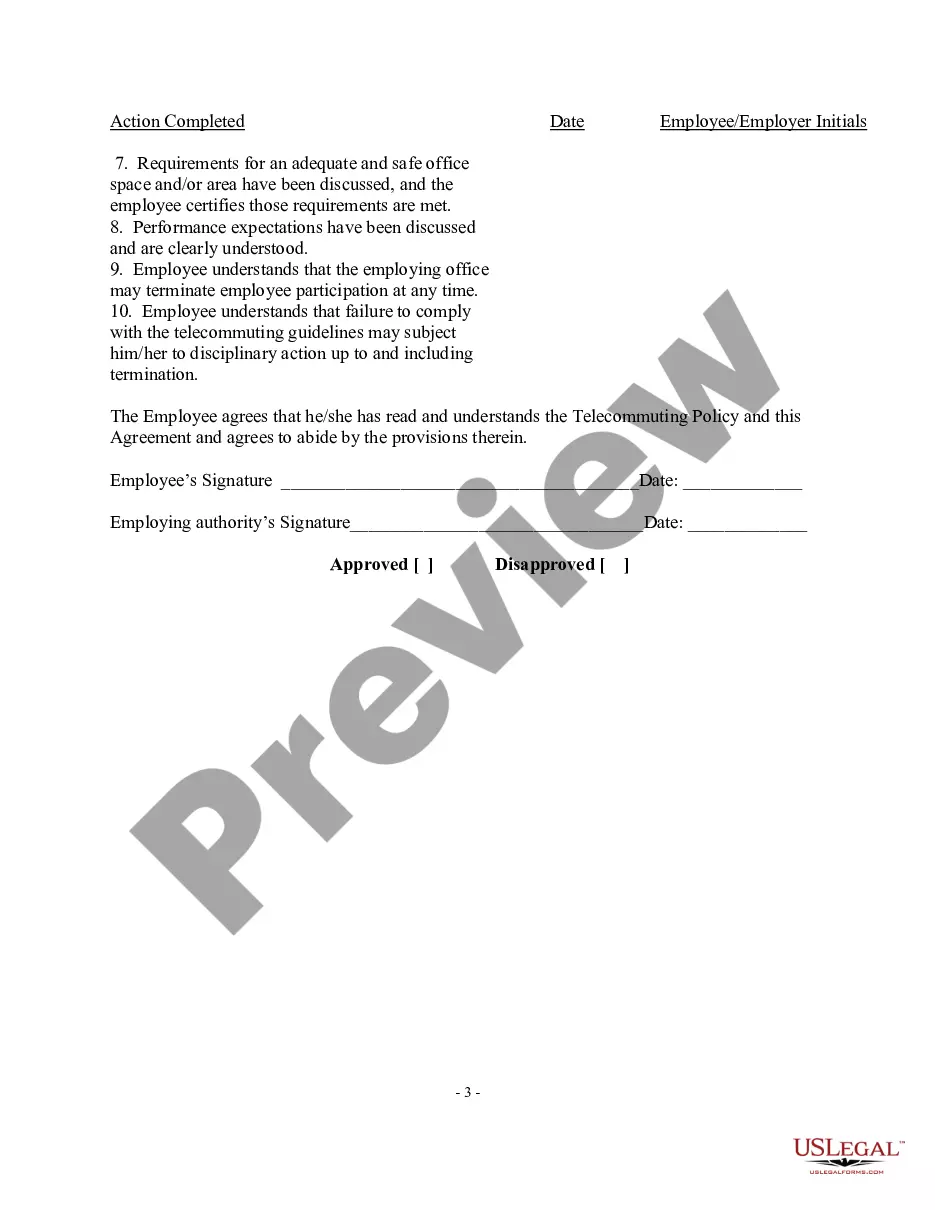
Typically, both the employee who’ll be working remotely and the employer need to sign the agreement. It’s like a handshake on paper to ensure everyone is on the same page.
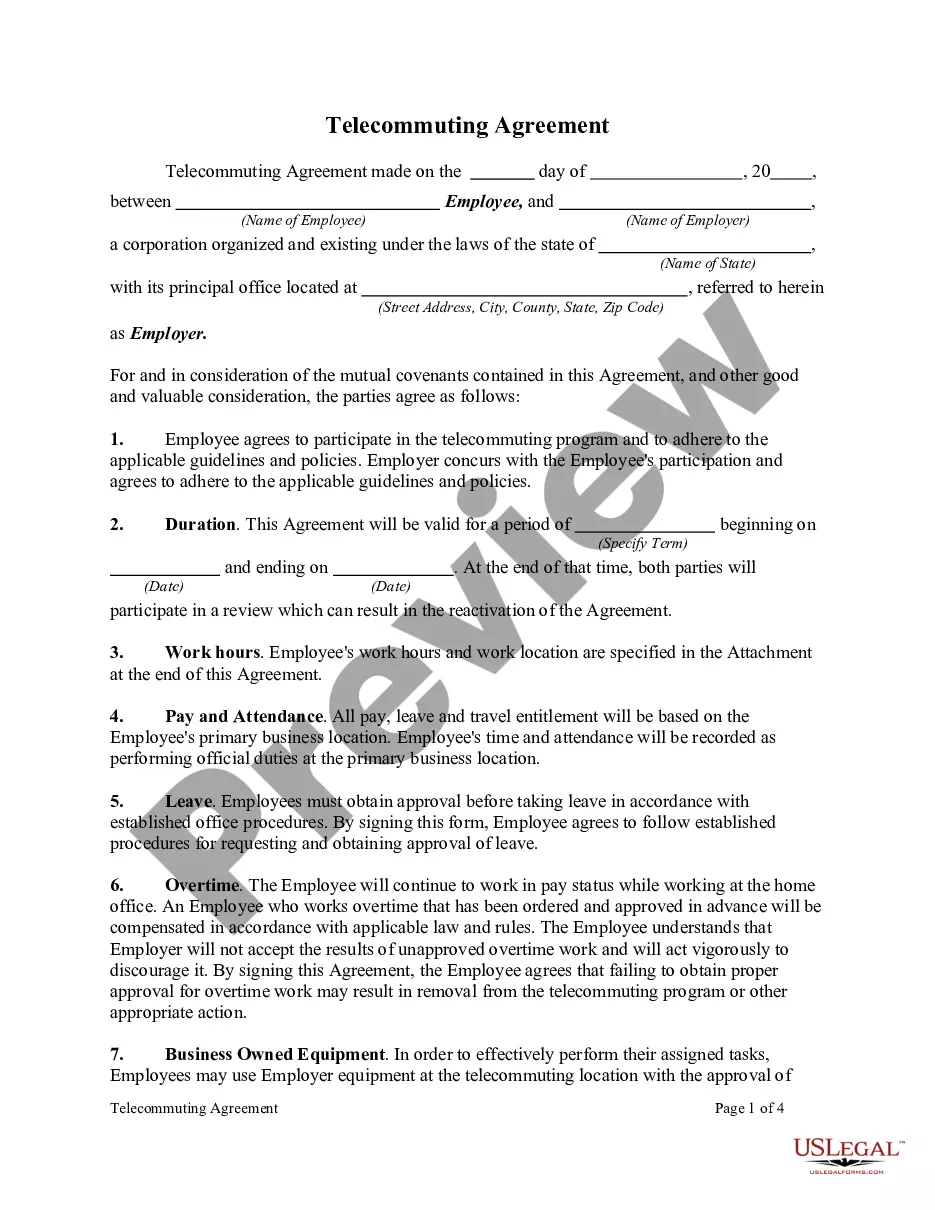
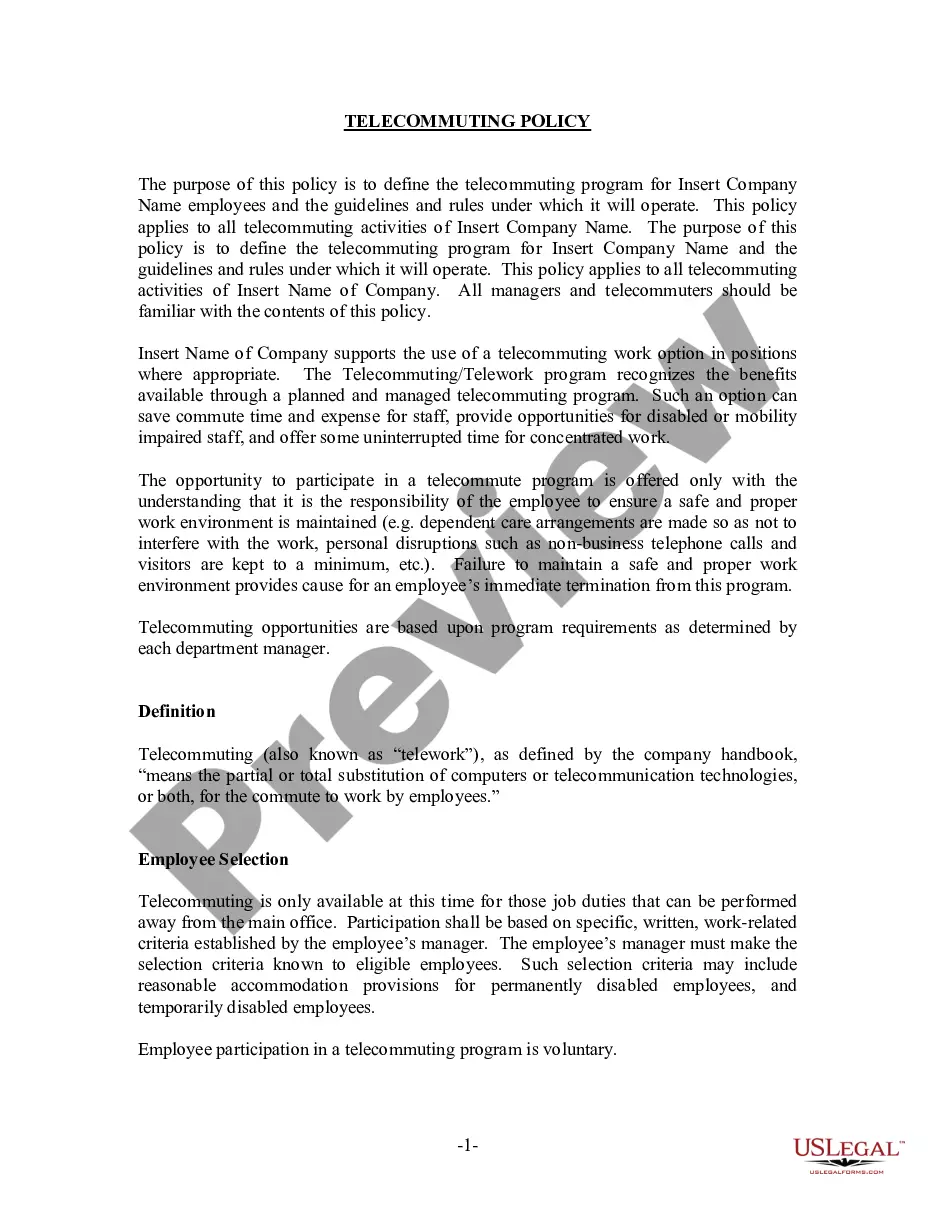
A telecommuting agreement is a contract that sets the ground rules for working from home or another location instead of the office. It spells out what’s expected from both the employer and employee.
Trusted and secure by over 3 million people of the world’s leading companies