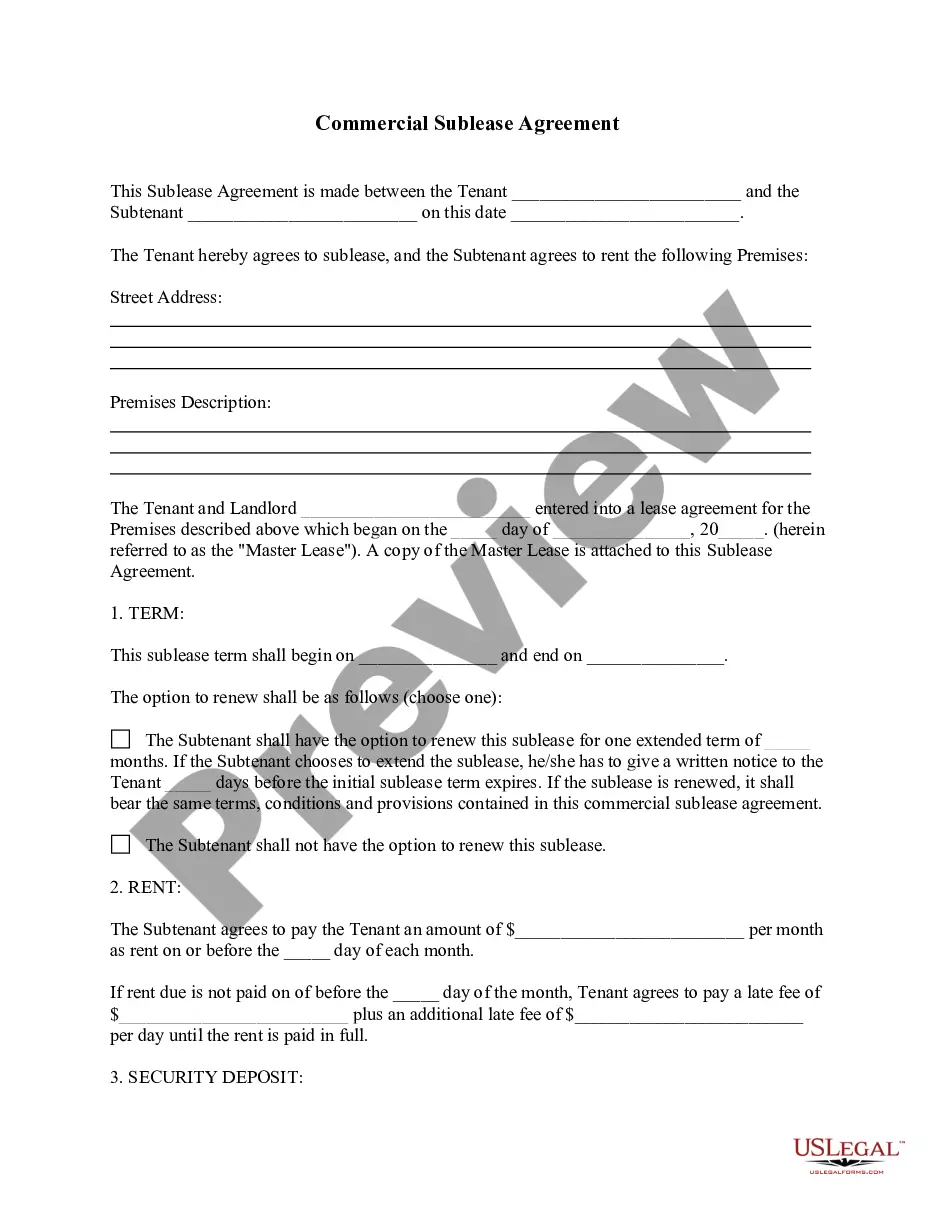
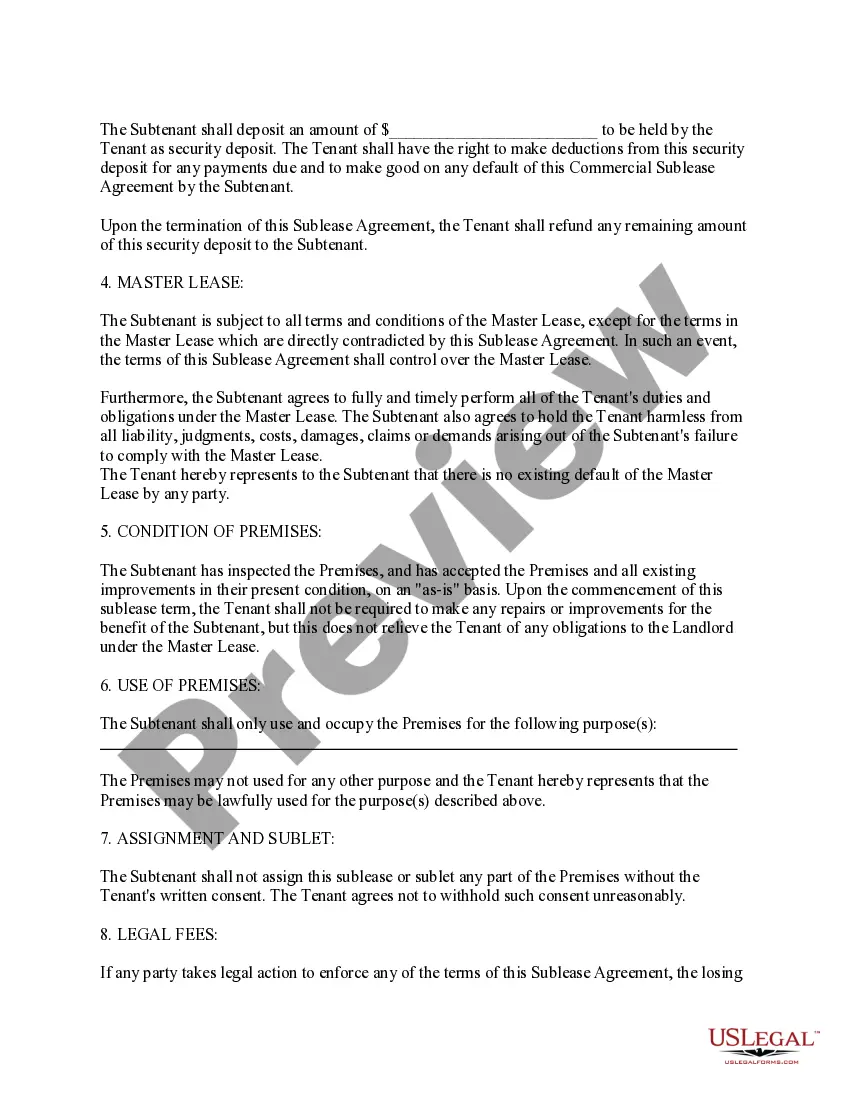
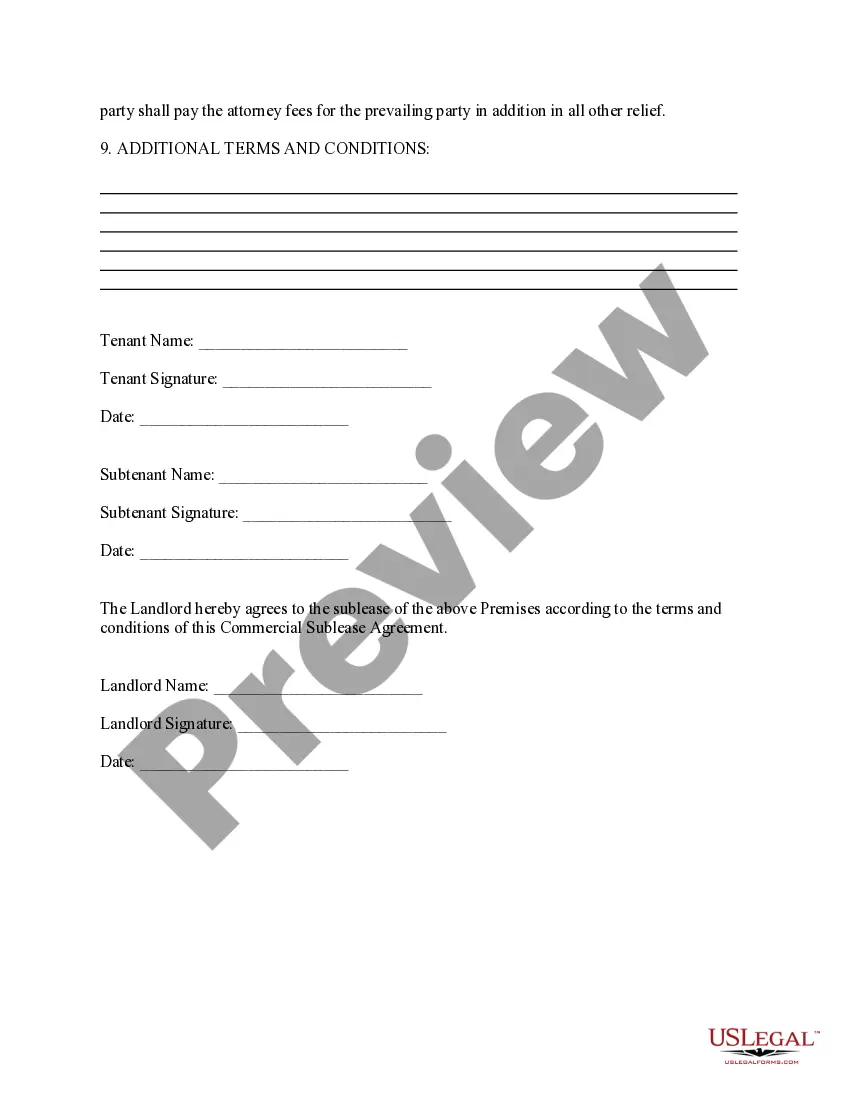
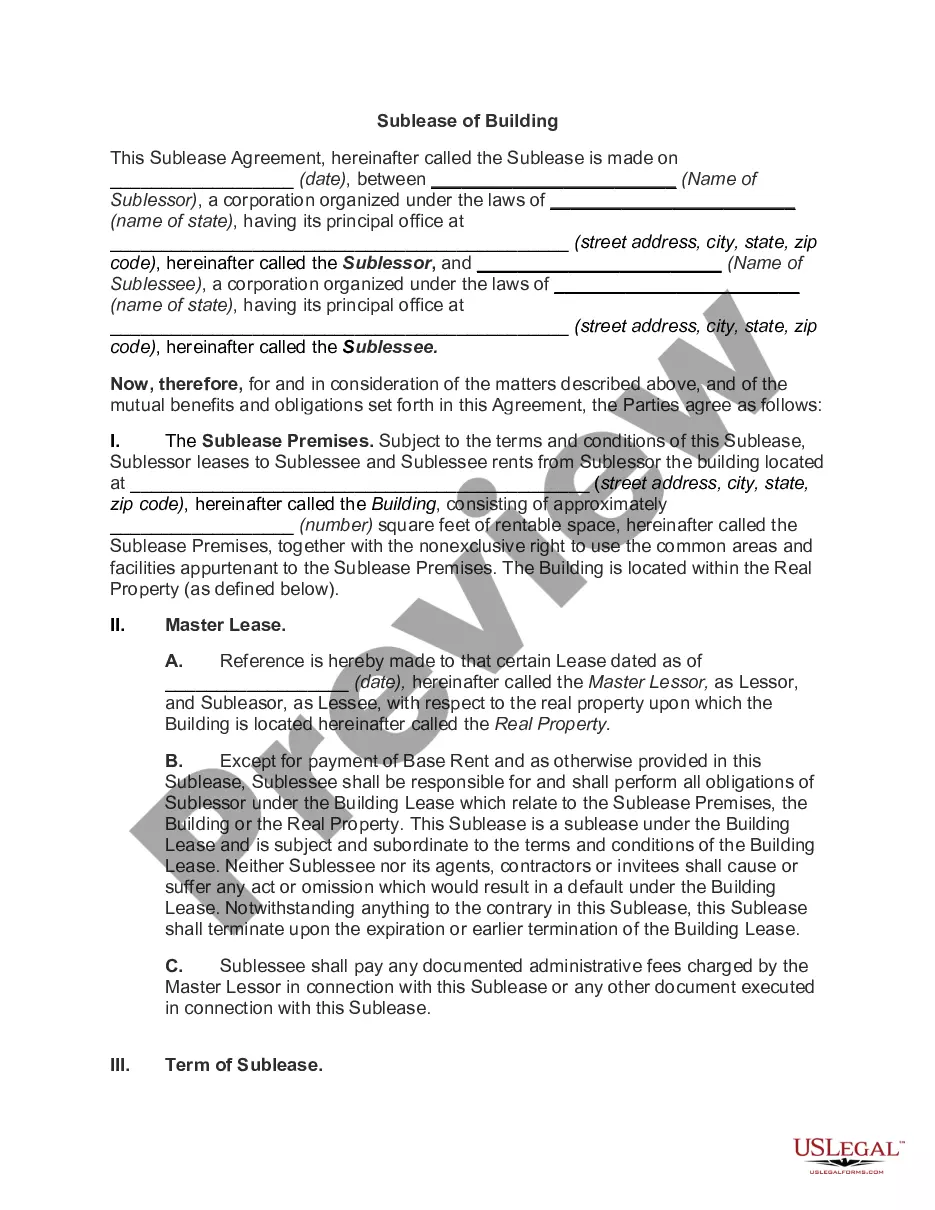
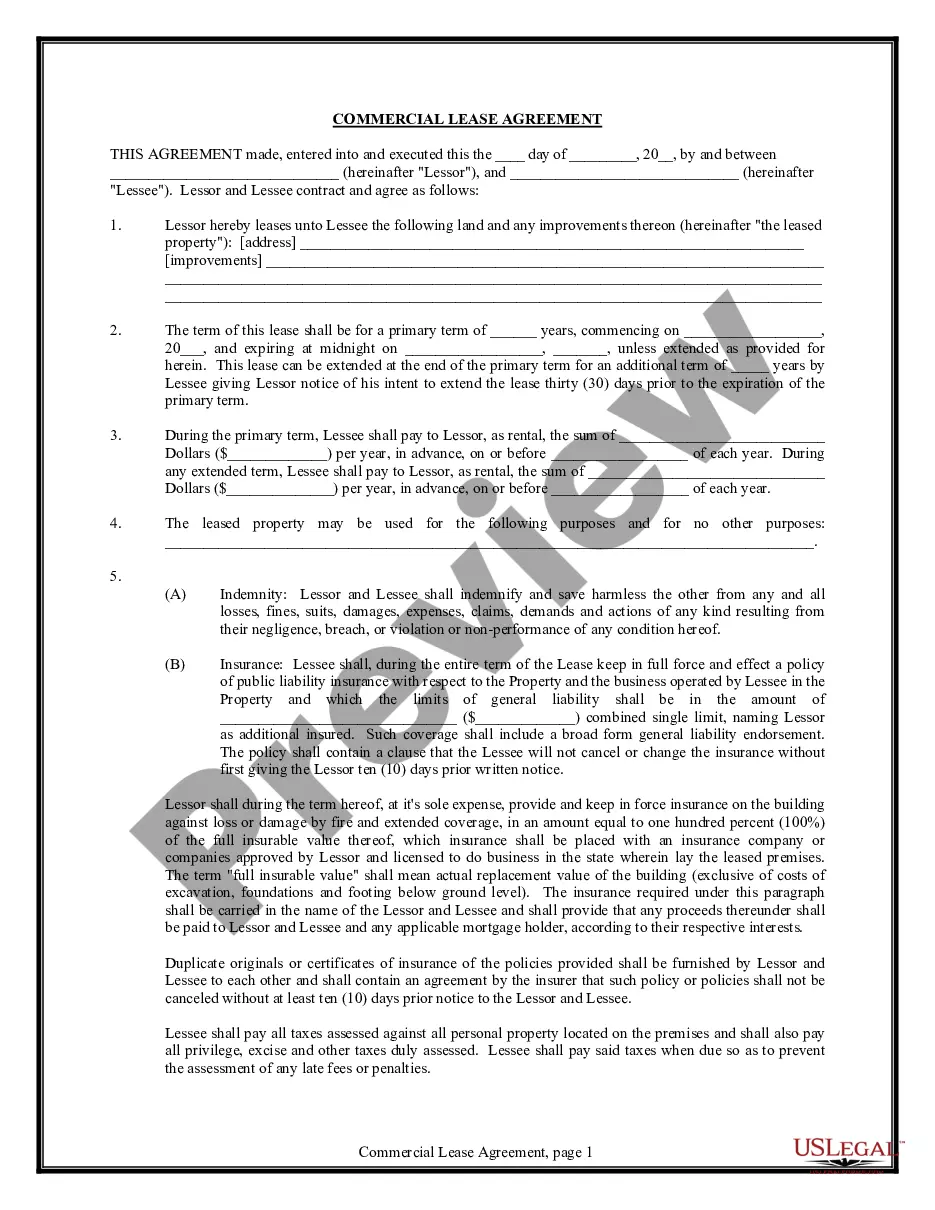
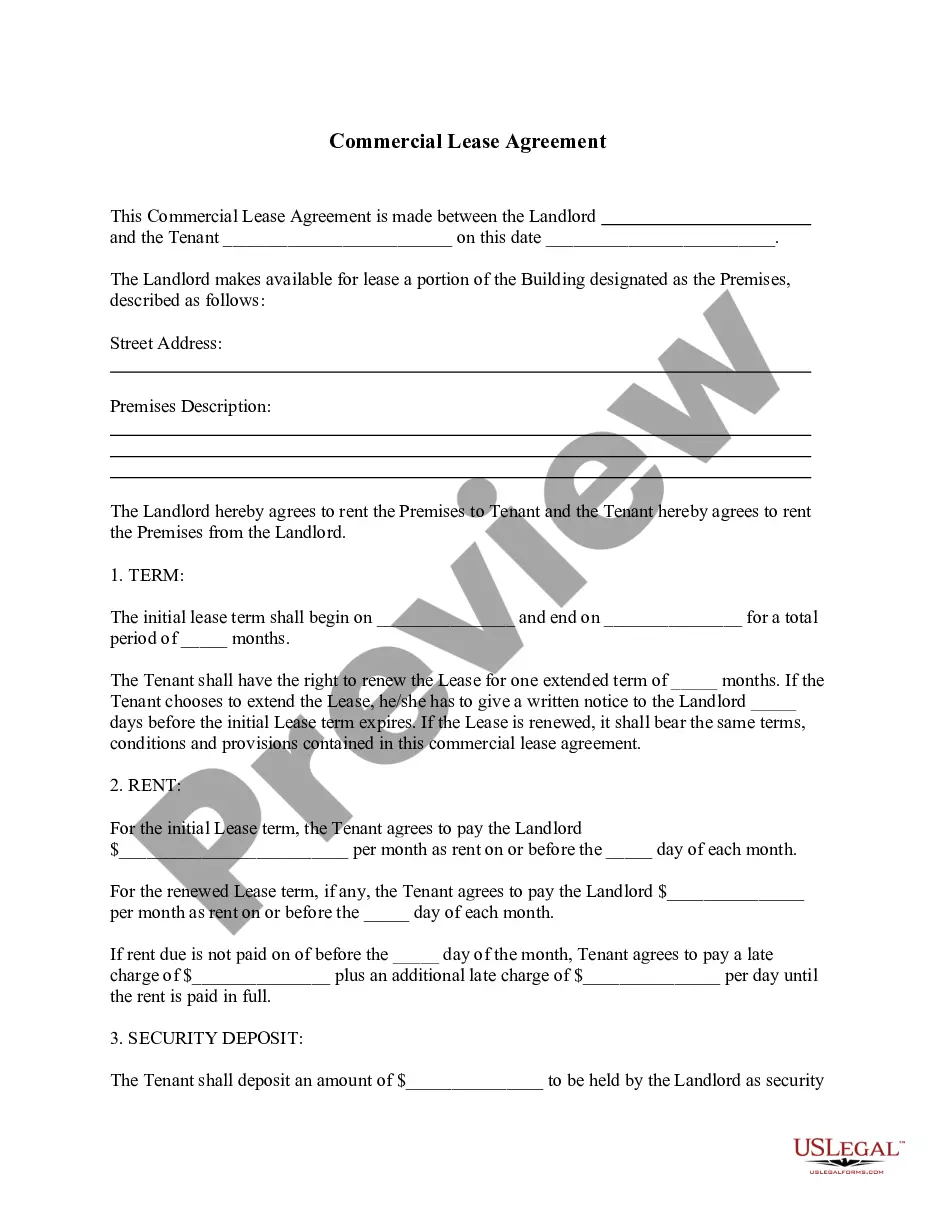
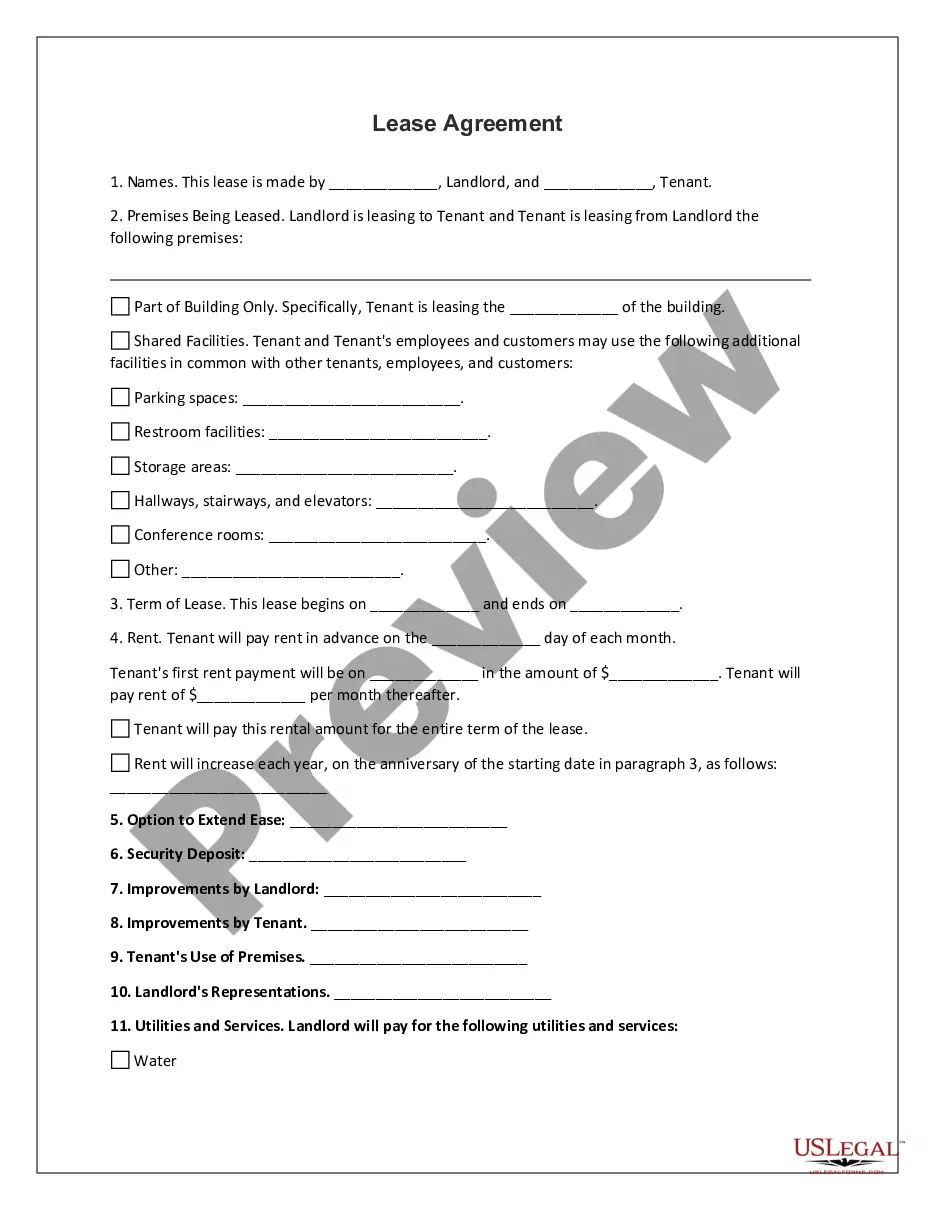
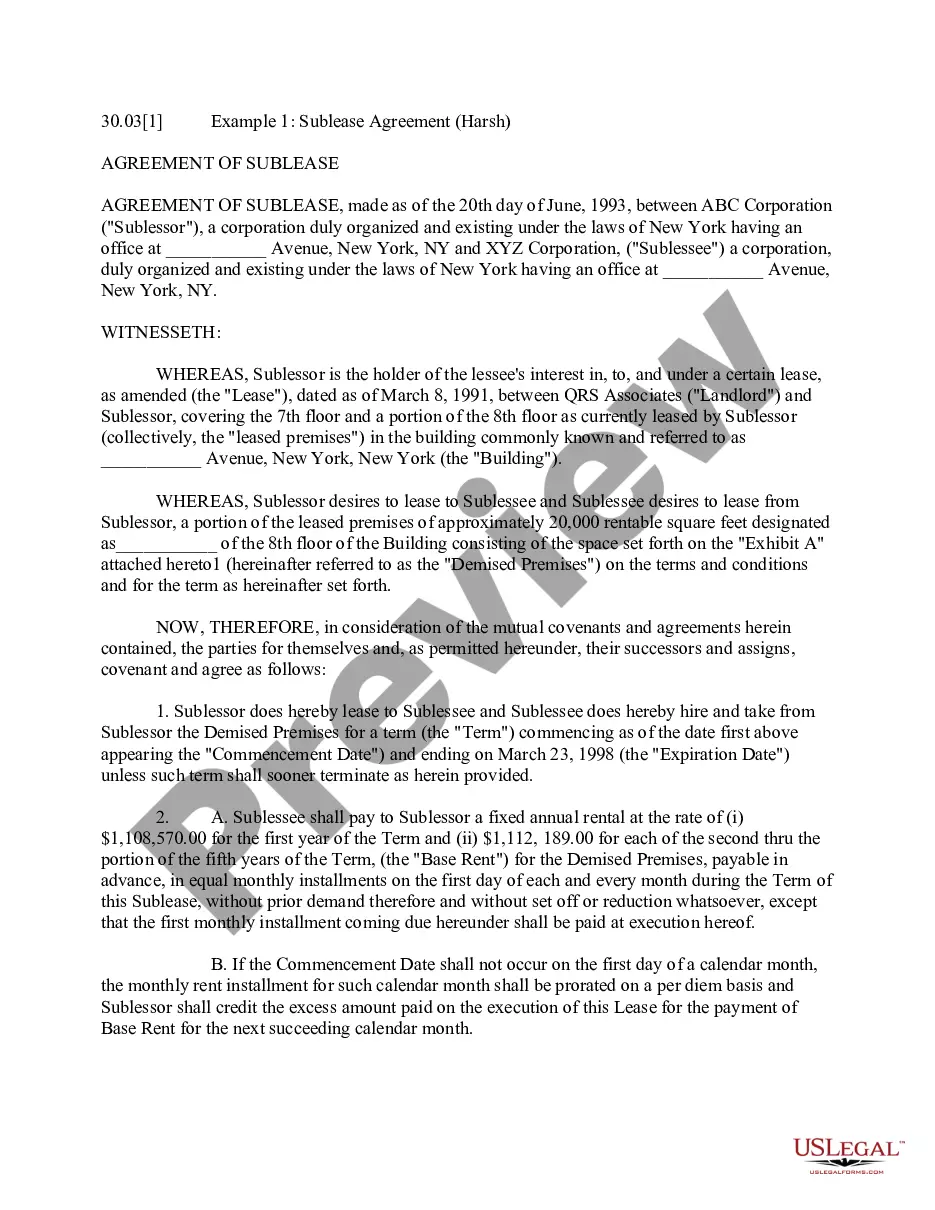
This form is basic form for the sublease of commercial property. This lease agreement describes the terms, covenants and conditions of the landlord's, sublessee's and sublessor's part to be performed in this agreement.
It can be very helpful to consult a lawyer. They can help clarify the fine print and ensure you’re not signing up for something that could bite you later. A stitch in time saves nine!
Absolutely! Many aspects, like rent or maintenance responsibilities, can be negotiated. Don't be shy about speaking up—after all, it’s your space too!
If the original tenant breaks the lease, the sublessee might have to vacate the property. It's a bit of a double-edged sword, so understanding the original lease's terms is key.
Generally, yes. Most leases require you to get written permission from the landlord before you can sublease. It’s best to keep things above board.
Look for the duration of the sublease, rental terms, responsibilities for maintenance, and whether the original lease’s rules still apply. You want to dot your i's and cross your t's!
Typically, the original tenant (the sublessor) can sublease to another tenant (the sublessee), but it's important to check with the landlord first. You don't want to step on any toes!
A Commercial Sublease Agreement is a legal document that allows one tenant to rent out space they are leasing to another party. It's like subletting, but for businesses.