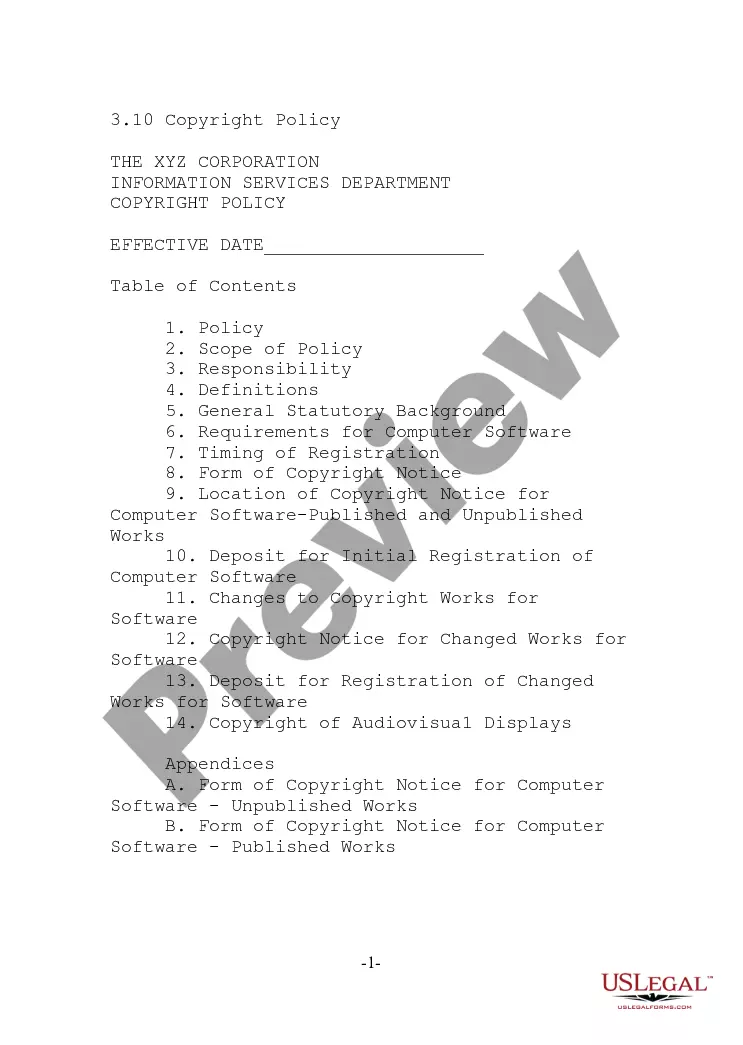
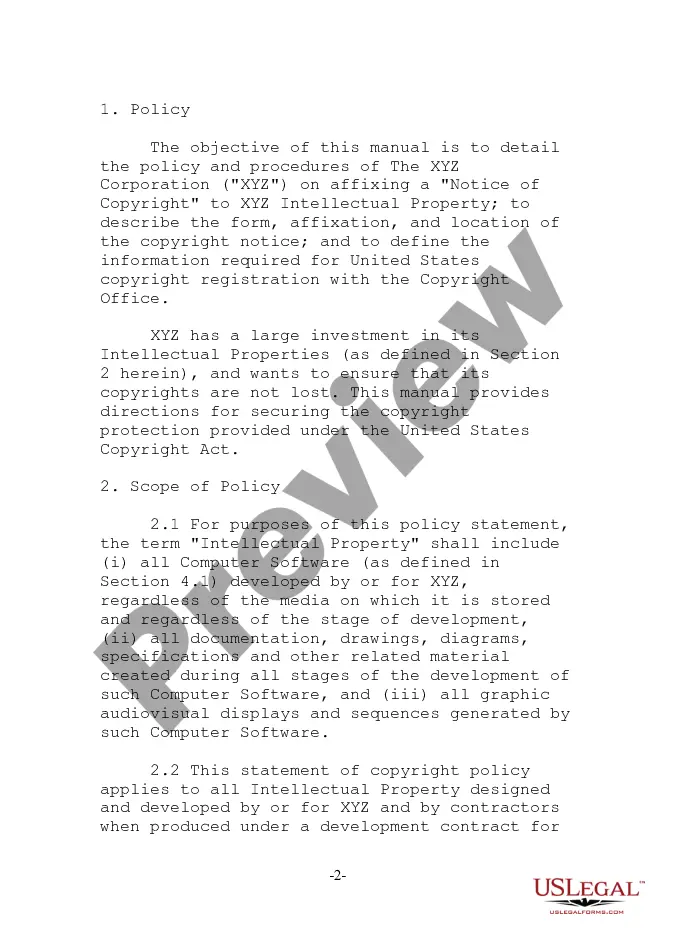
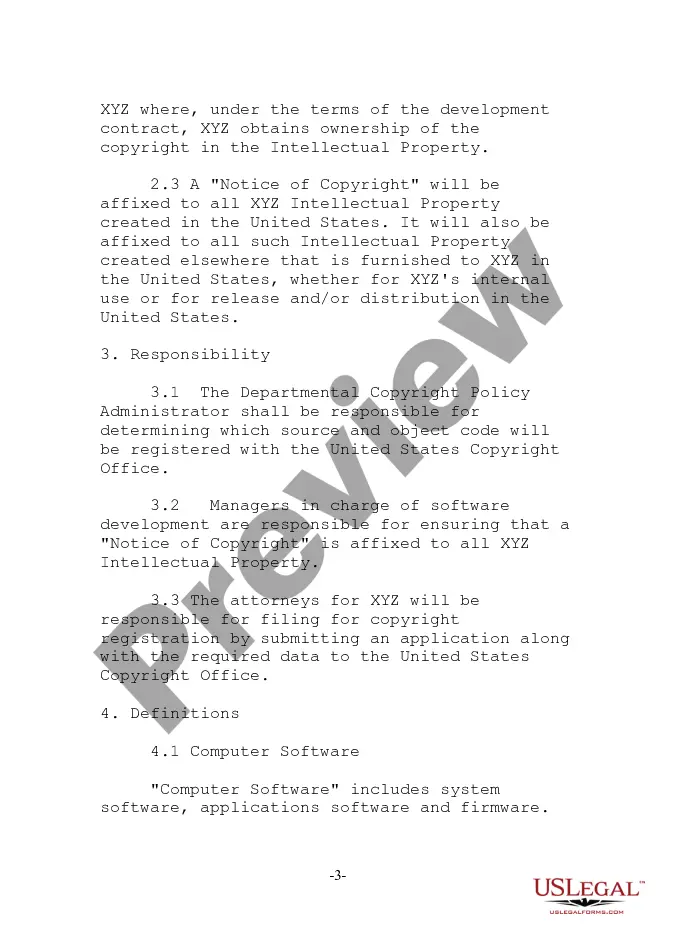
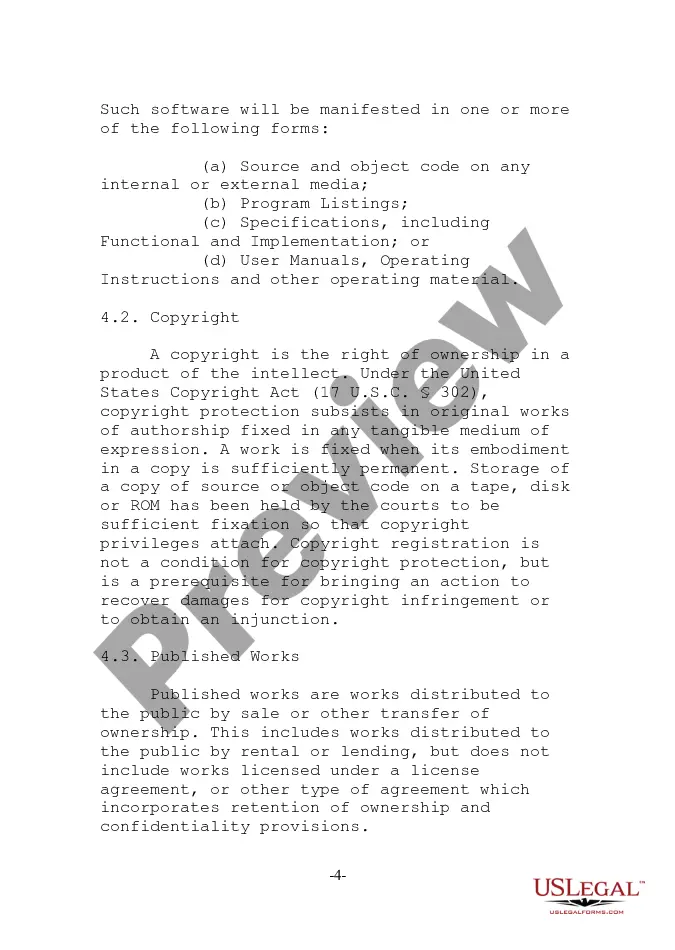
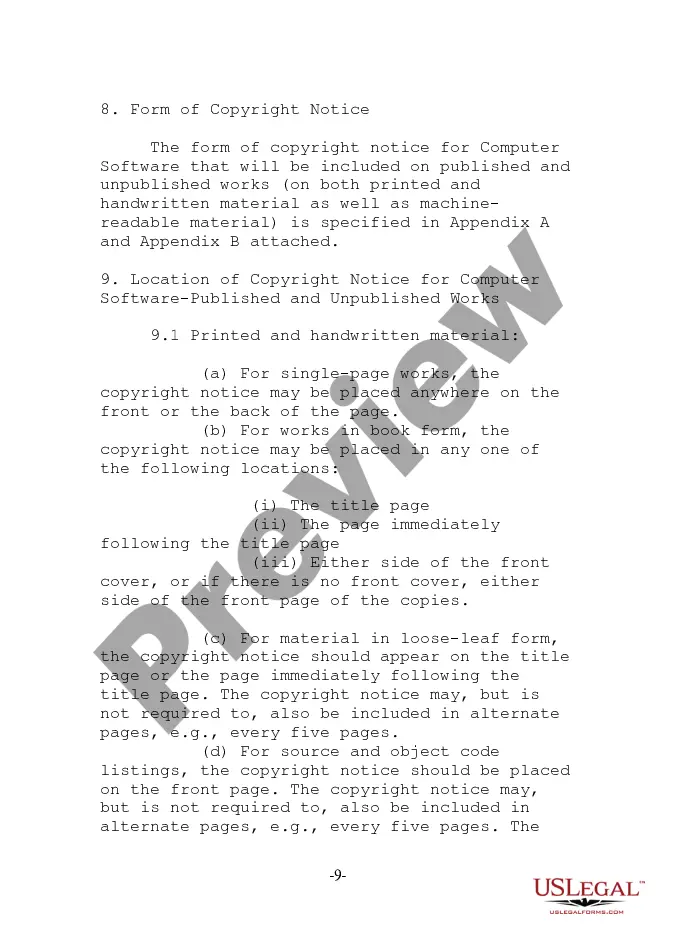
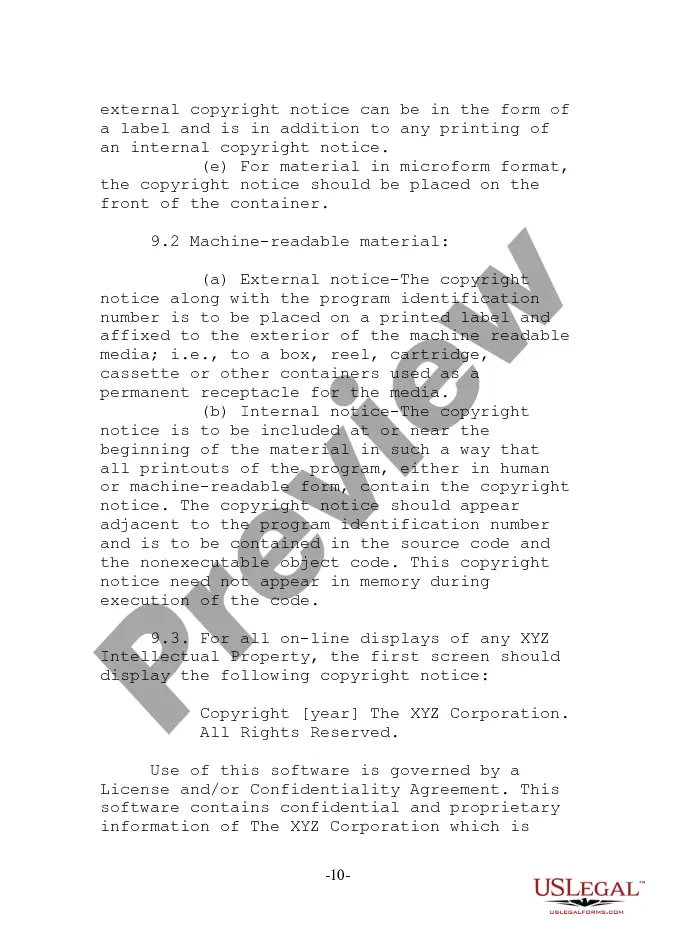
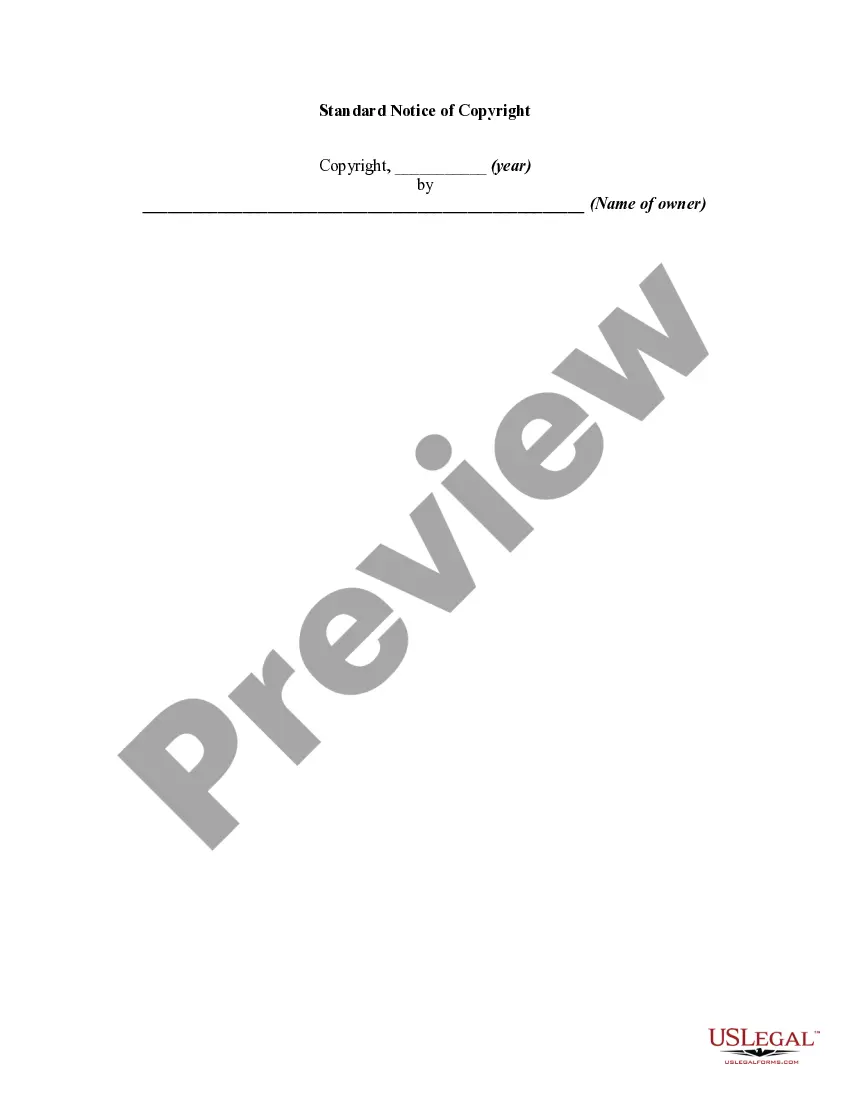
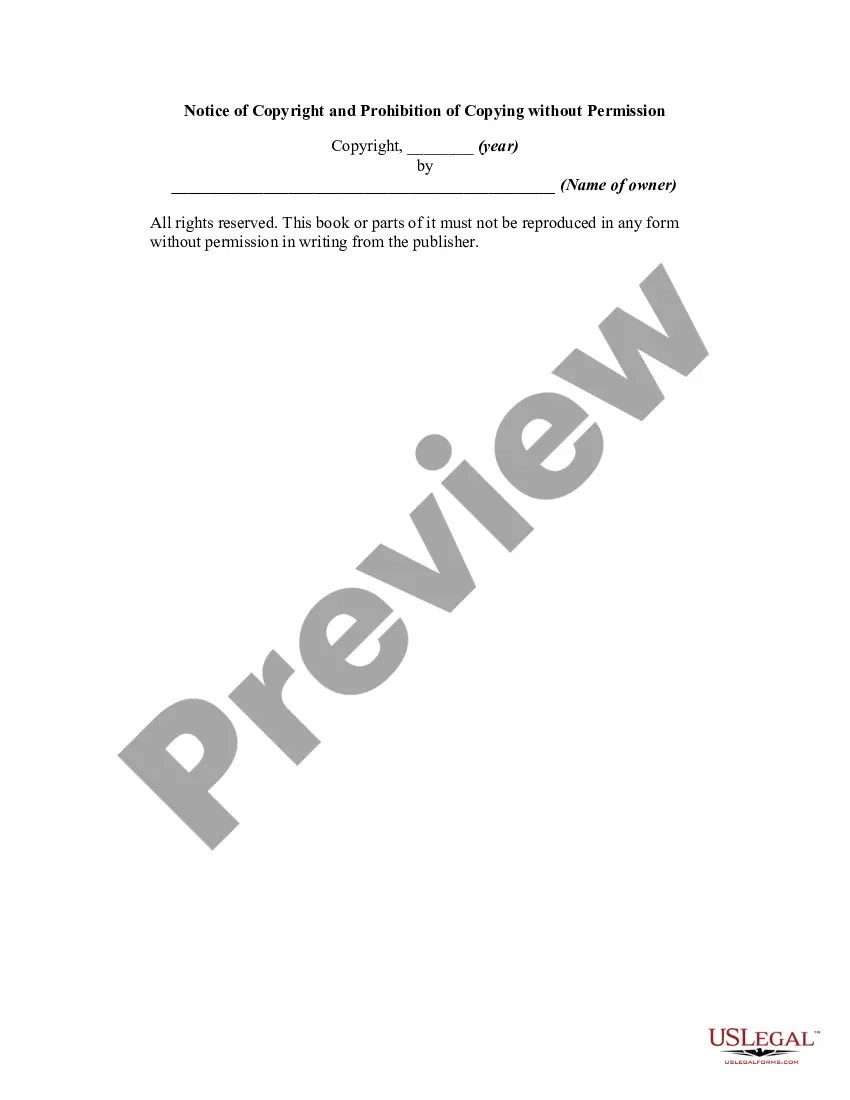
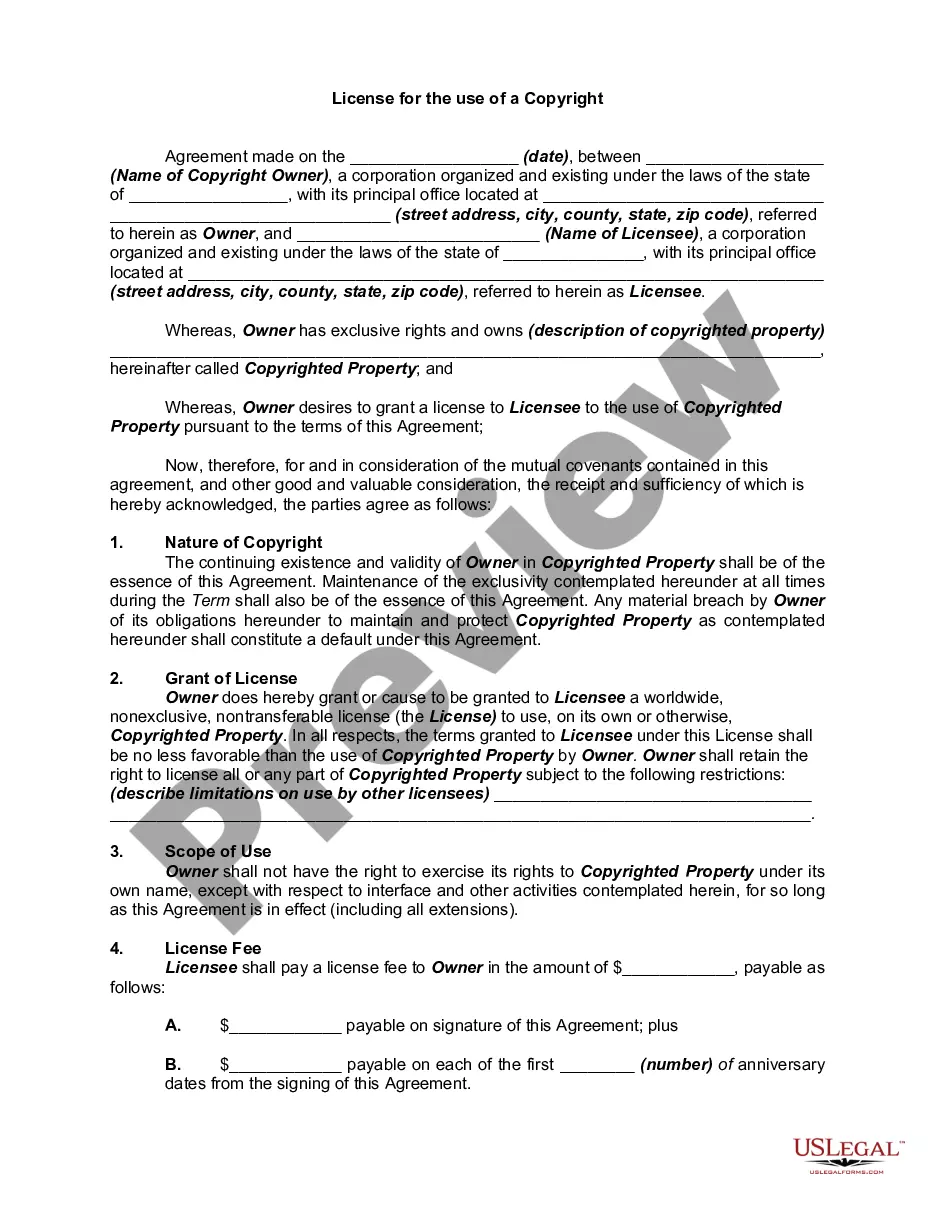
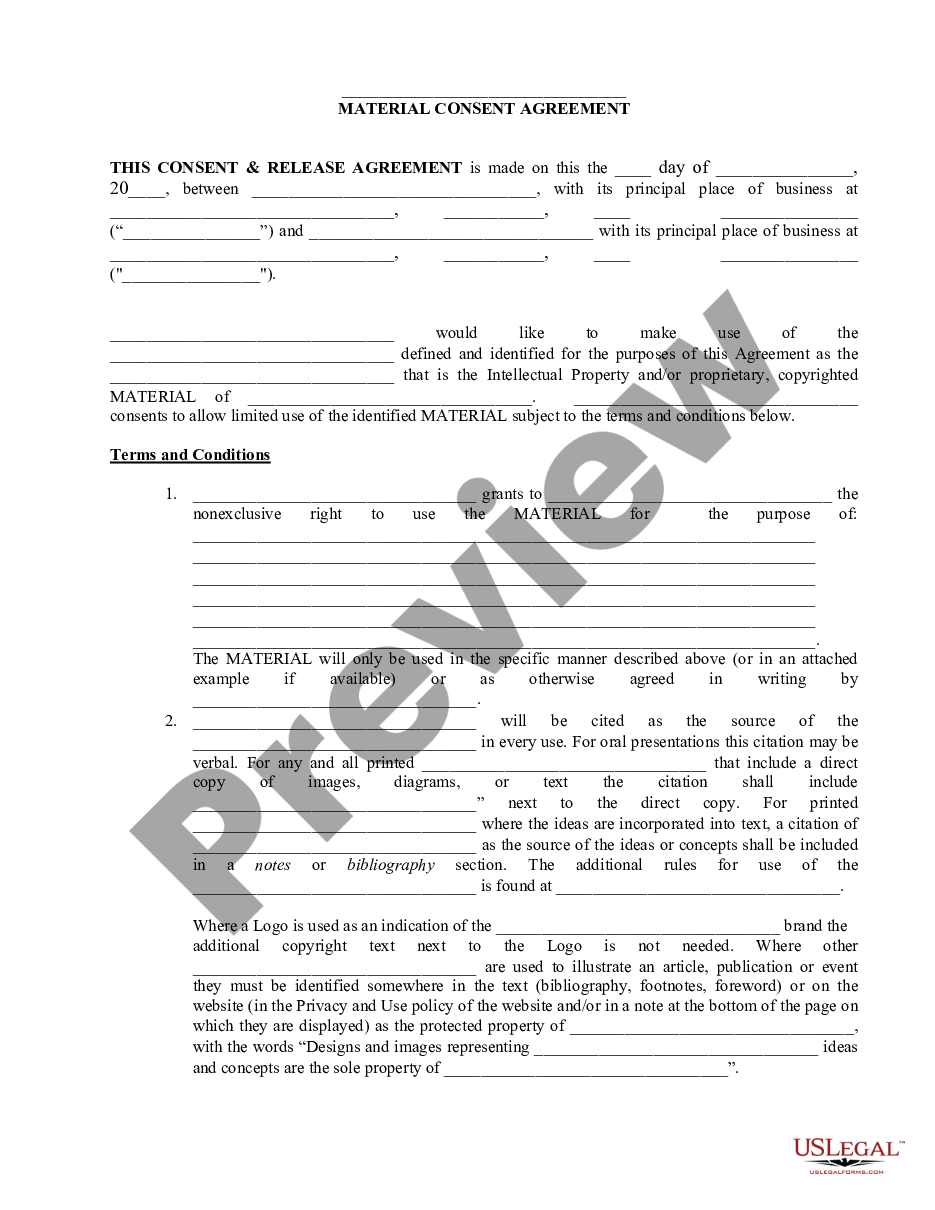
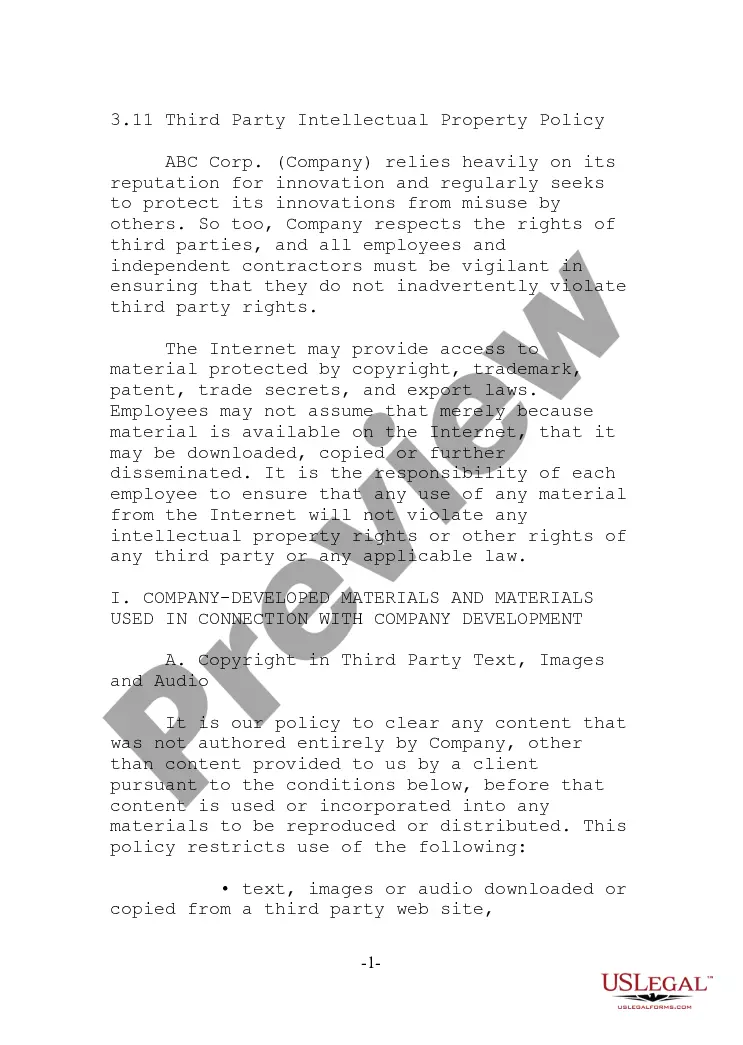
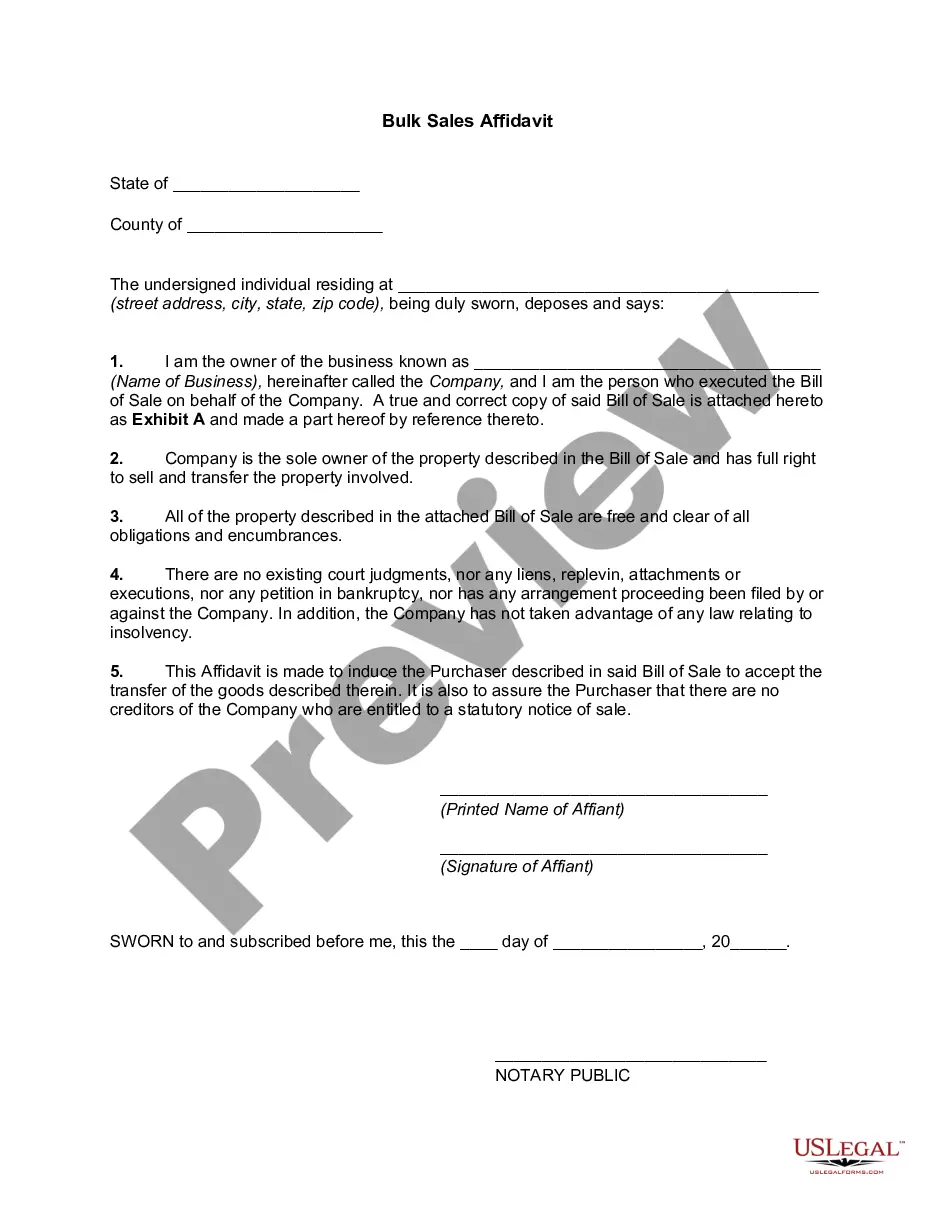
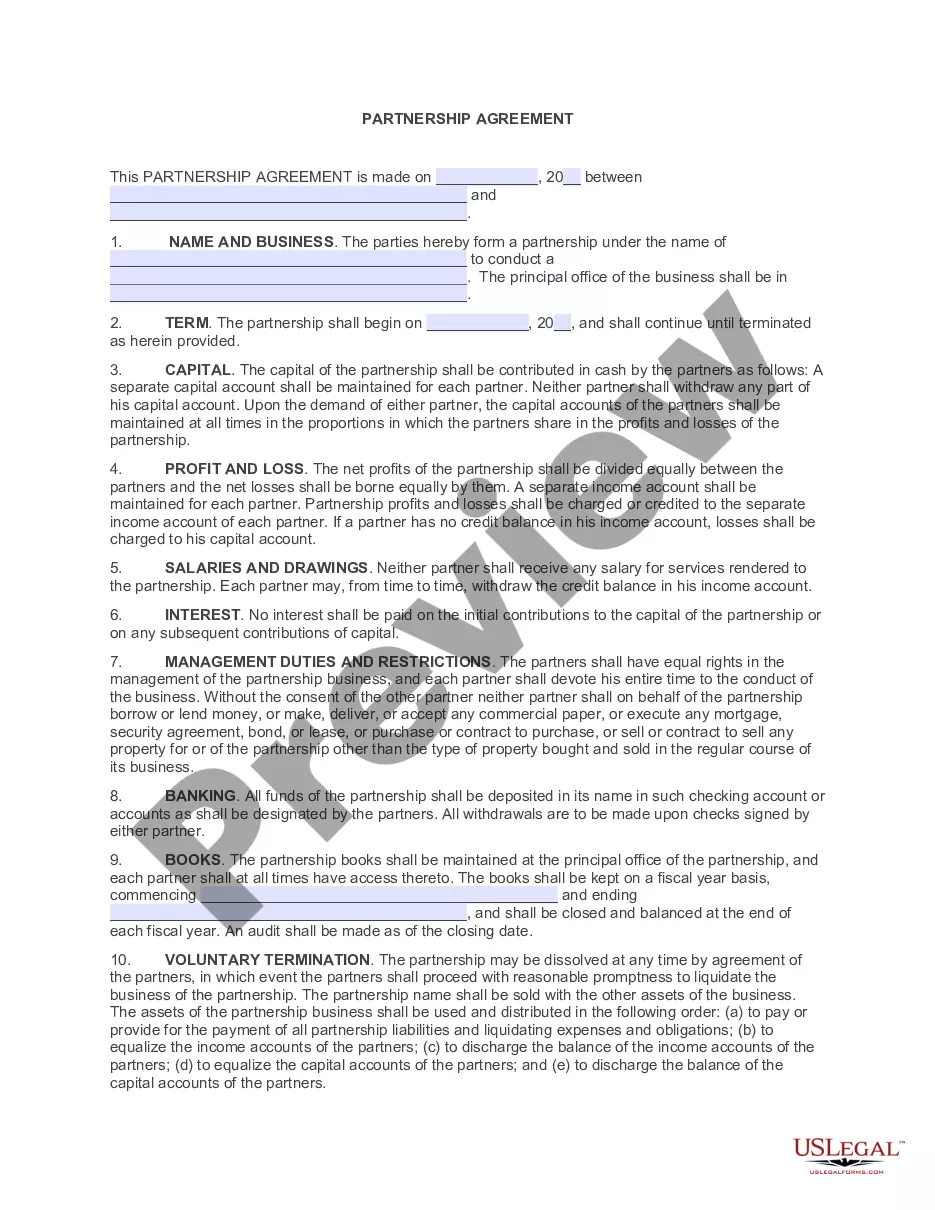
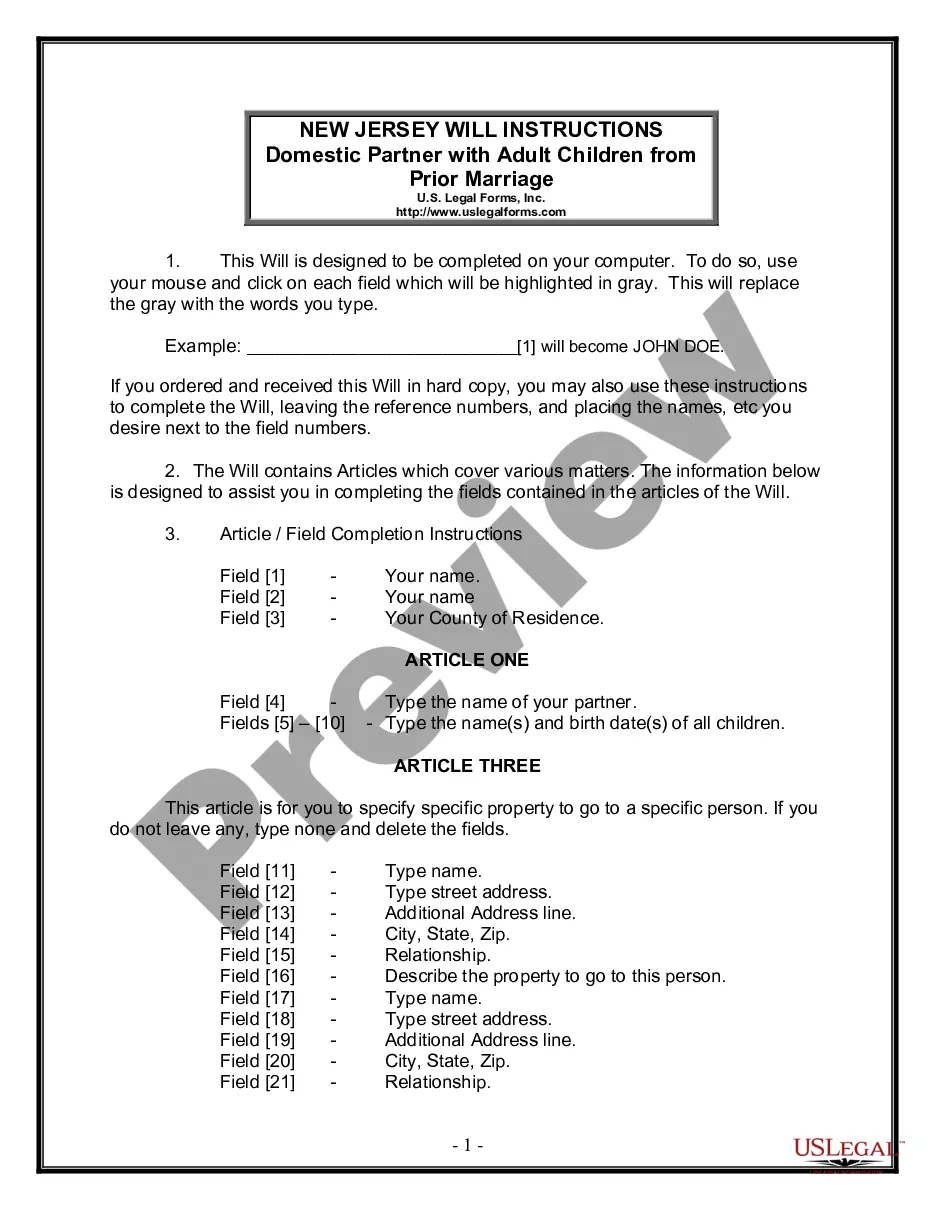
This form is a model adaptable for use in federal copyright law, licensing and related law. Adapt the form to your specific needs and fill in the information. Don't reinvent the wheel, save time and money.
Generally speaking, copyright lasts for the life of the creator plus 70 years after they pass away. For works by companies, it’s usually 95 years from publication or 120 years from creation—whichever is shorter.
Fair use allows limited use of someone else's work without permission for purposes like criticism, comment, news reporting, or teaching. Just remember, fair use is a bit of a gray area, so it’s best to tread carefully!
Giving credit is nice, but it doesn’t always cut the mustard. You still need to get permission from the creator to use their work, unless it’s in the public domain or falls under fair use.
If you believe someone is using your work without your thumbs-up, it’s wise to gather evidence and consider reaching out to them first, then you can explore legal steps if needed.
As soon as you create something original and fix it in a tangible form, like writing it down or recording it, it’s automatically protected by copyright.
The copyright policy affects anyone who creates original works—like authors, musicians, artists, and filmmakers—ensuring they get the recognition and rights they deserve.
The copyright policy in Anchorage helps protect the rights of creators and artists, making sure they can earn a living from their work and giving them control over how it's used.