If a decision isn't ratified, it simply means that it doesn't go into effect. The city can take more time to reconsider or revise the proposal based on feedback.
Absolutely! Residents can voice their opinions at meetings or through public forums. Their input is valuable and can sway decisions during Ratification.
The time it takes to ratify a decision can vary. Sometimes it’s quick, while other times it’s drawn out, depending on the complexity of what’s being discussed.
Typically, city officials, council members, and sometimes community groups are involved in the Ratification process. It's a team effort to reach a consensus.
The Ratification process usually involves discussions, votes, and sometimes public meetings. It makes sure everyone's on the same page before things move forward.
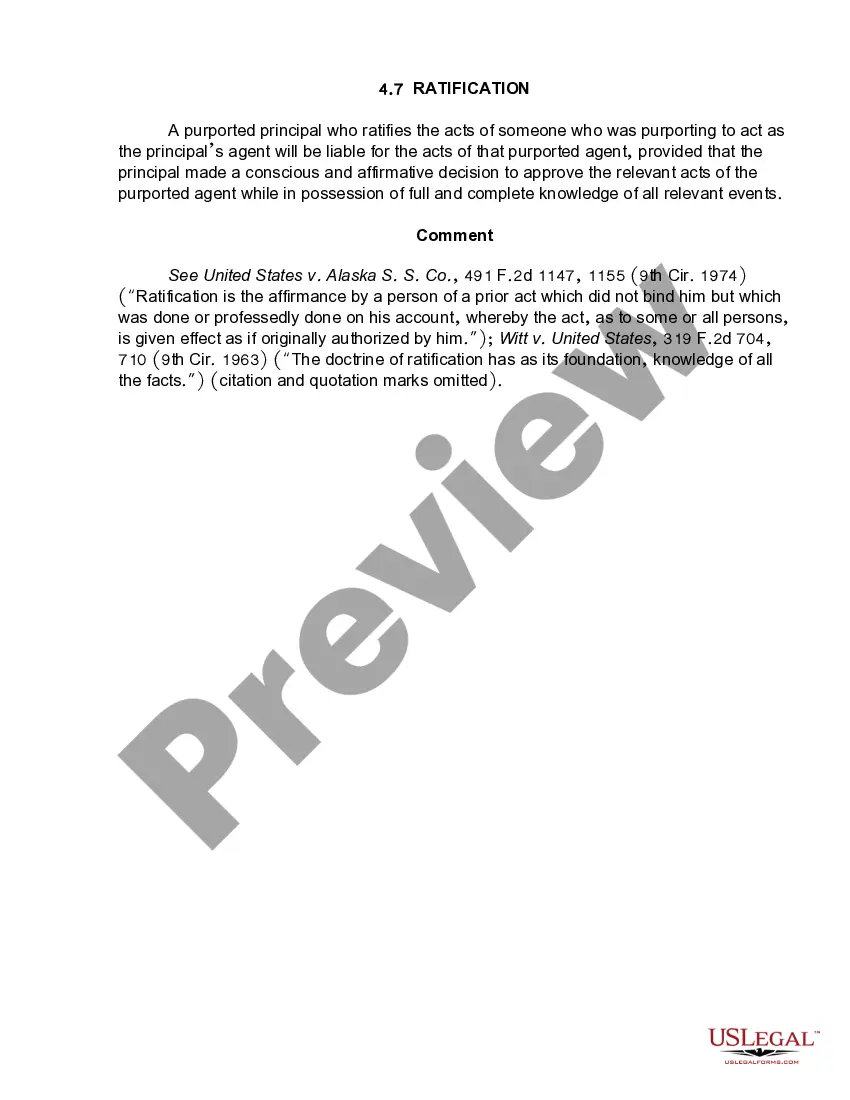
Ratification is crucial because it ensures that local laws and policies have the backing of the city's leaders and the community. It helps keep everything above board and gives citizens a voice.
Ratification is all about officially approving something, like a law or agreement. In Omaha, it's the process where local leaders endorse decisions made for the city's governance.