While it's not mandatory, having a lawyer look it over can help catch any tricky clauses or legal jargon that might trip you up later. Better safe than sorry, as they say!
Your agreement should specify what to do in case of delayed deadlines. It’s like having a rainy day plan—knowing how to adjust when things don’t go as planned.
Absolutely! Negotiation is part of the process. If something doesn’t sit right, don’t hesitate to discuss it with your client—it’s all about finding a win-win situation.
It's smart to compare your terms with industry standards or seek advice from other writers. Just like checking ingredients in a recipe, you want to make sure everything is balanced.
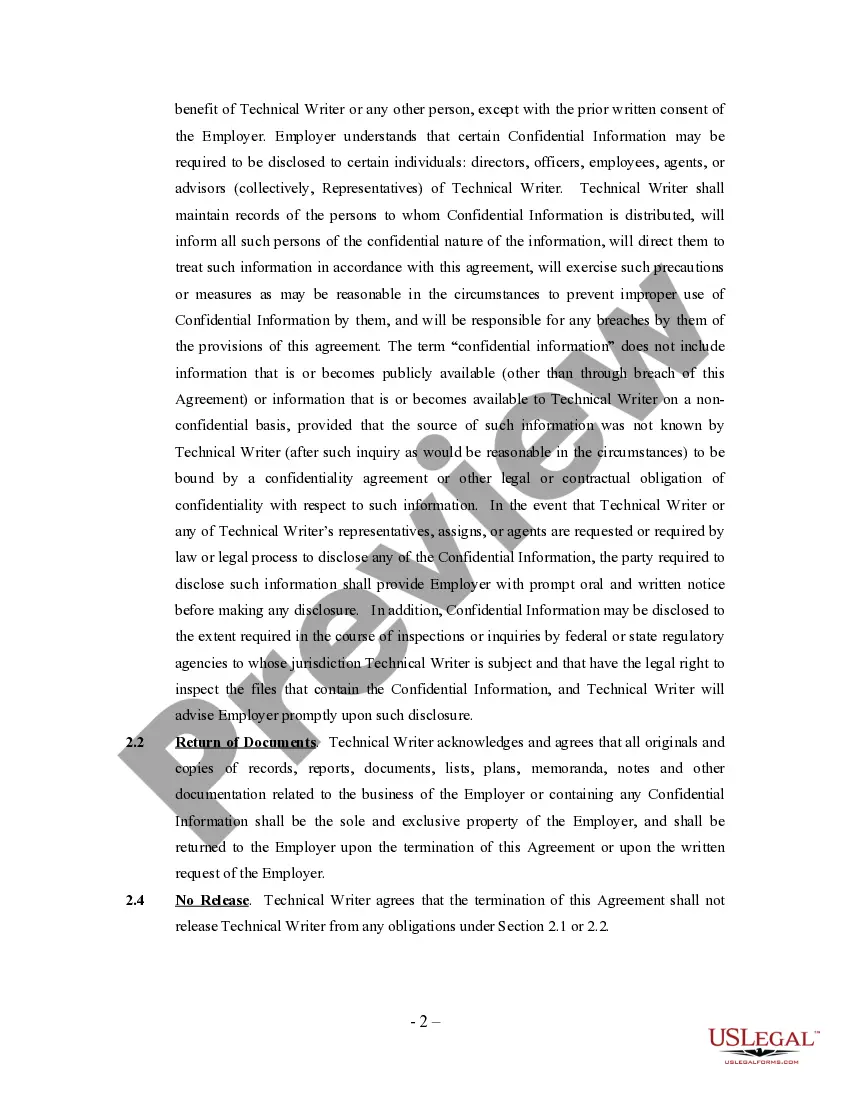
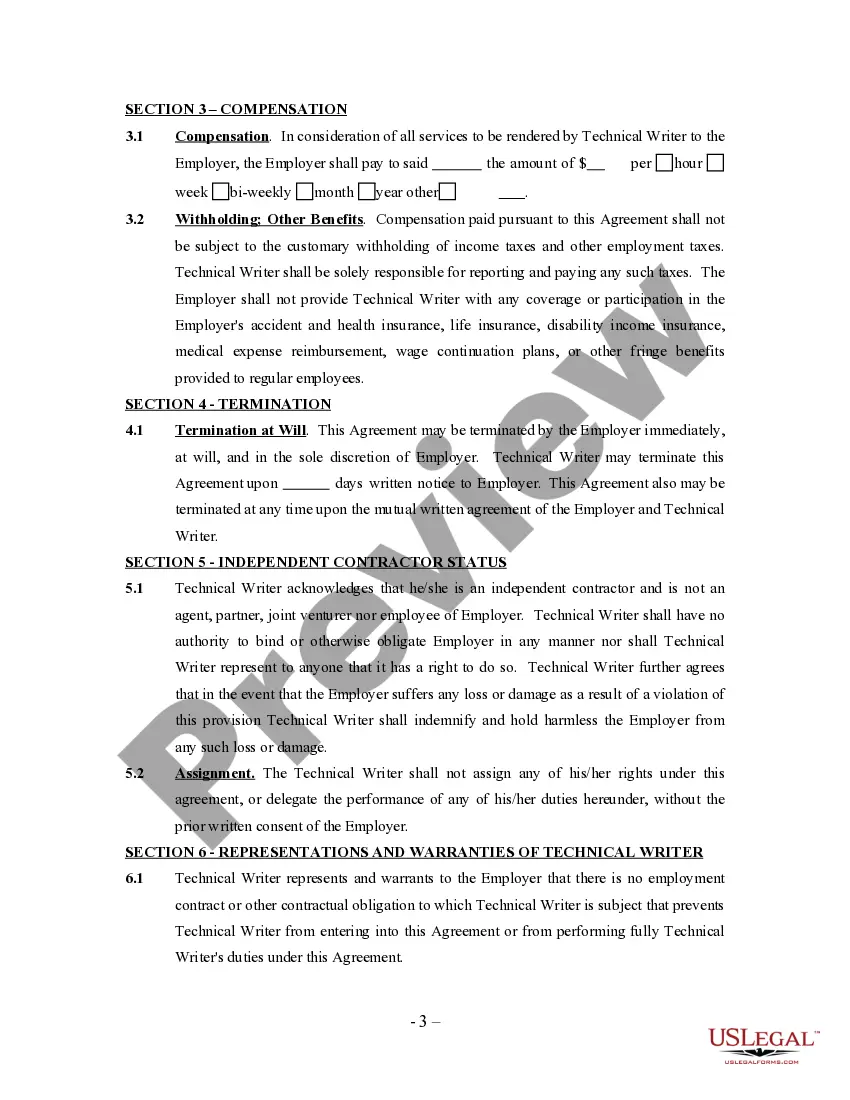
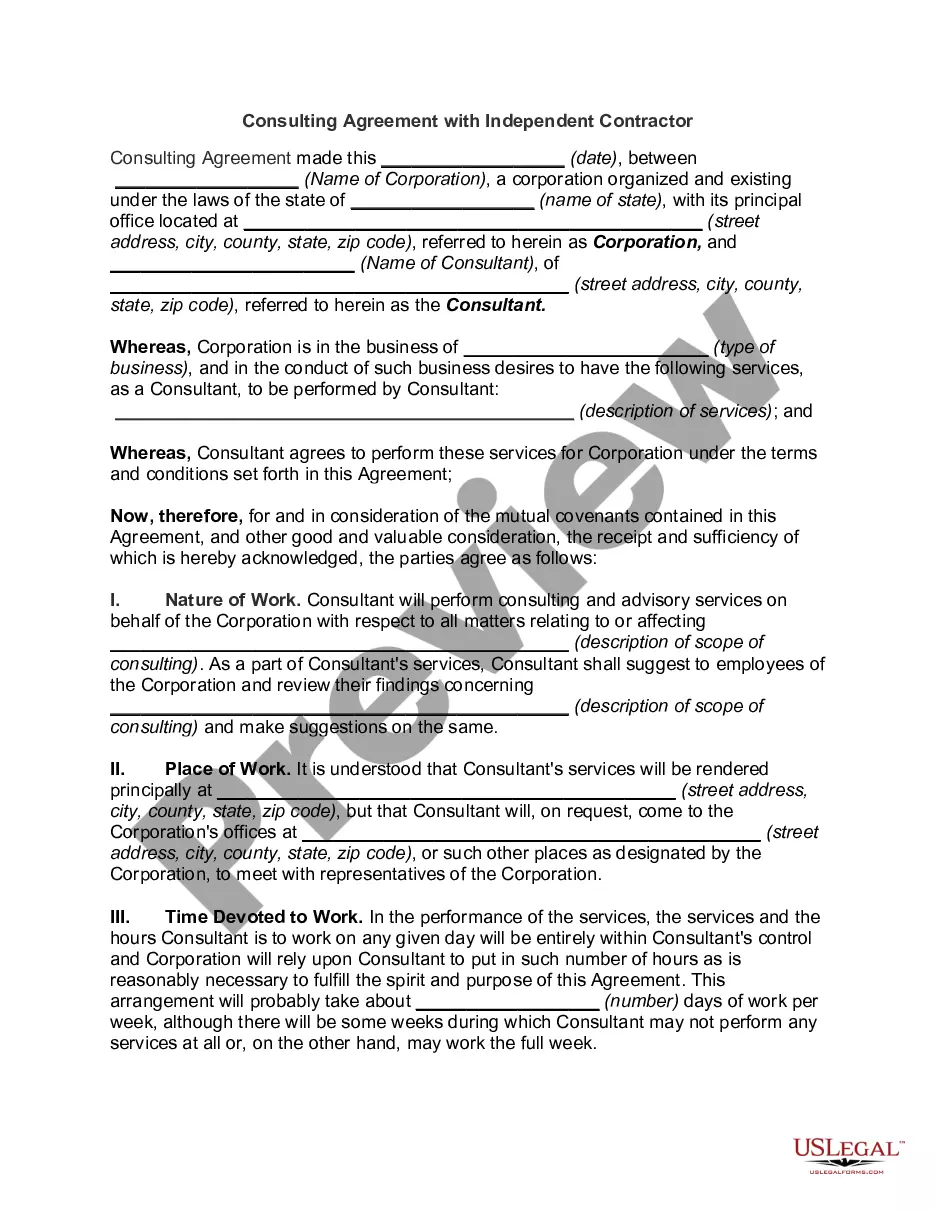
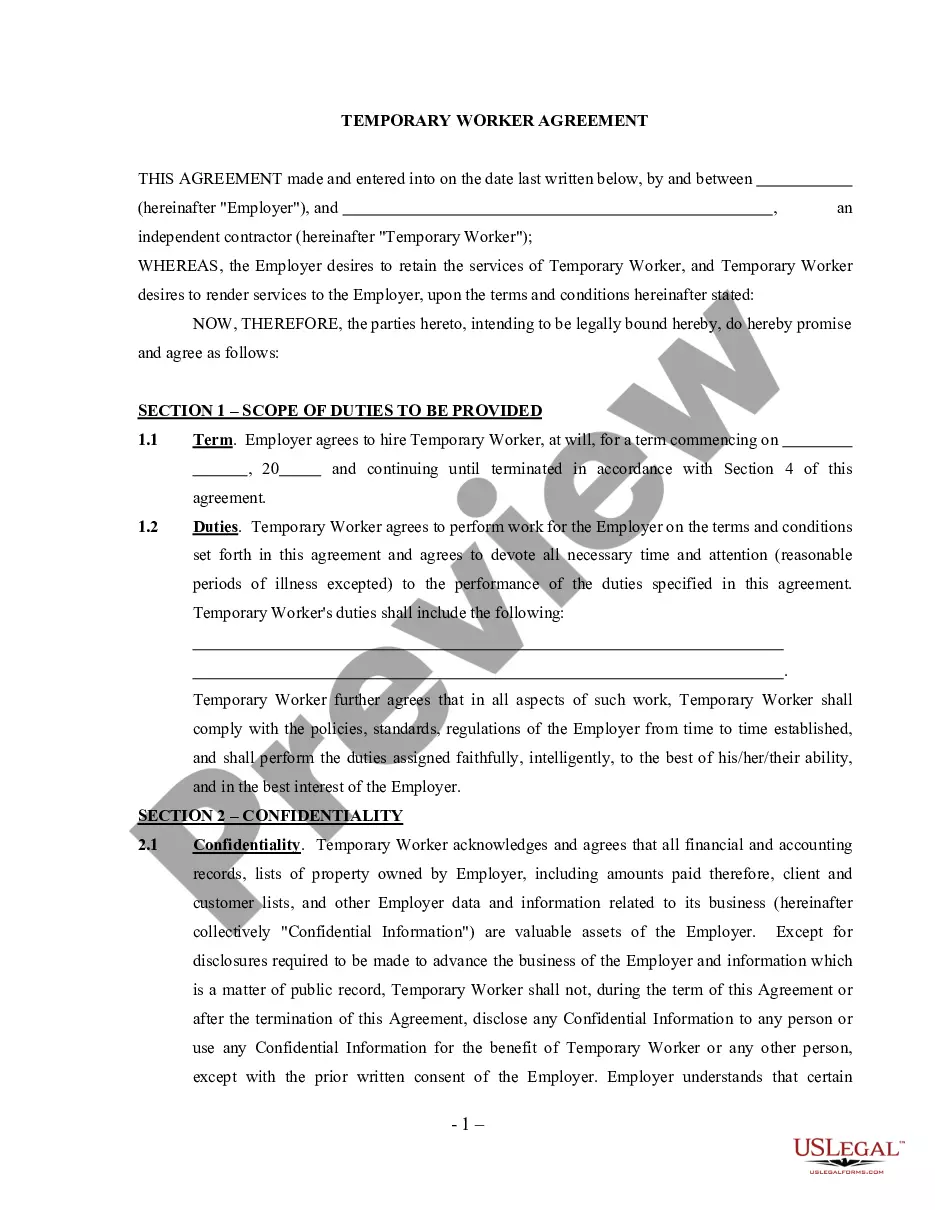
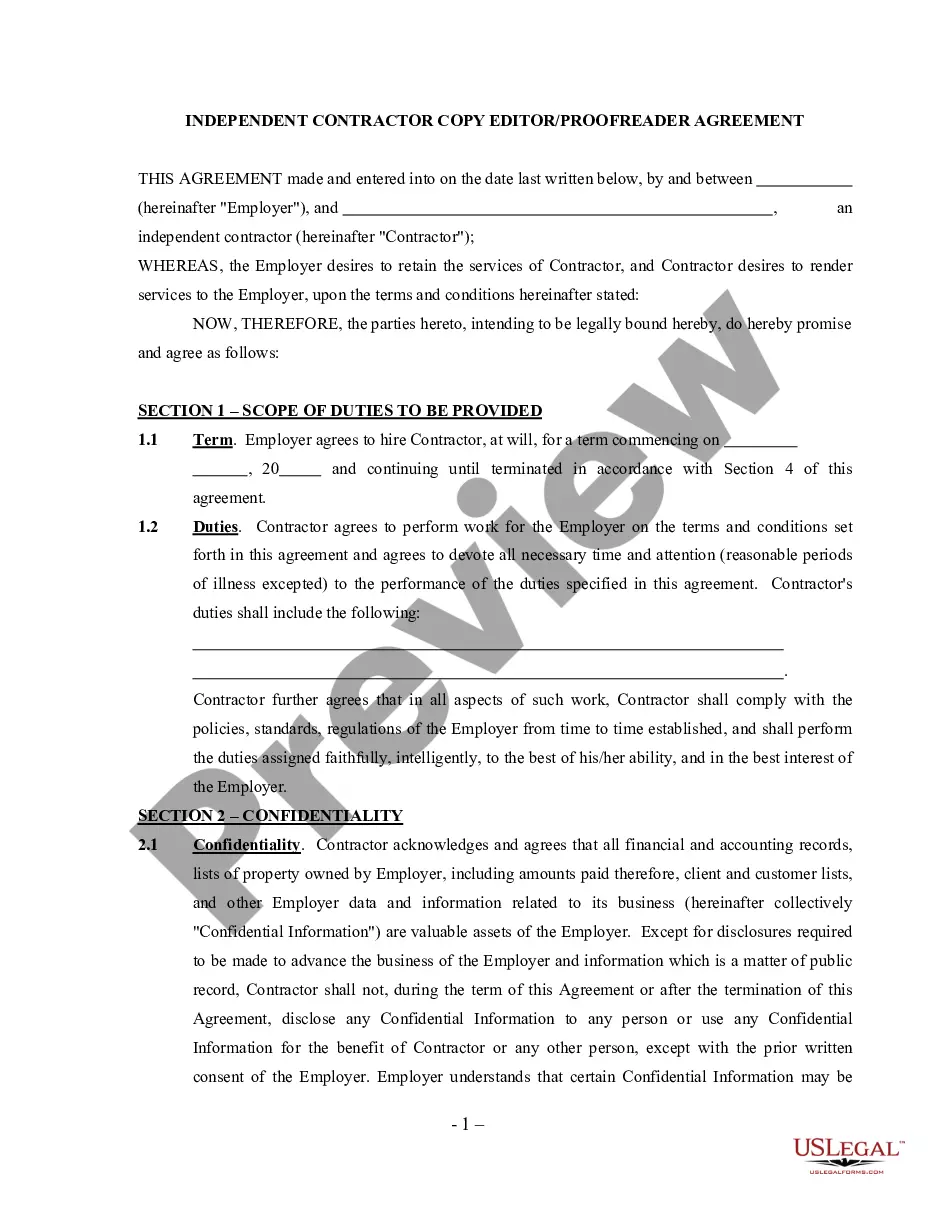
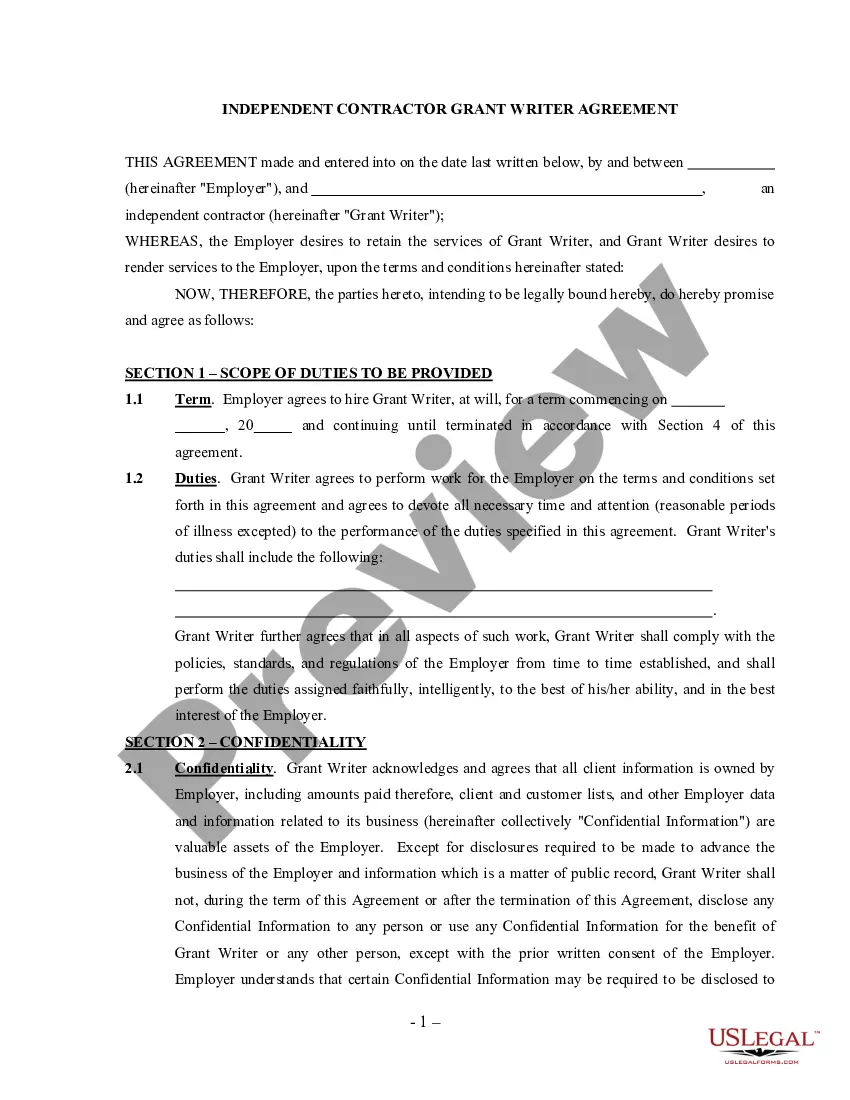
You should cover key points like project deadlines, payment terms, the scope of work, and any confidentiality clauses. It's like building a sturdy fence around your work to keep it safe.
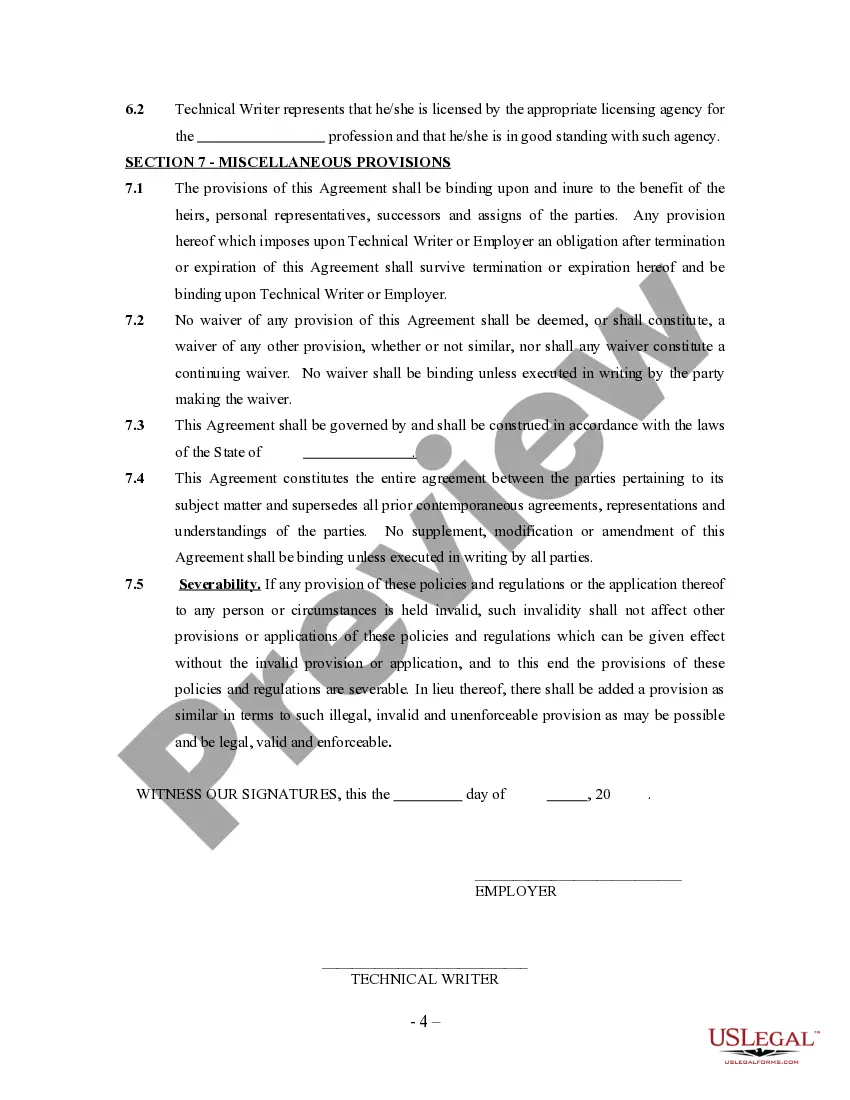
A written agreement helps protect both you and your client. It clears up any confusion and ensures everyone is on the same page, sort of like laying down the ground rules for a friendly game.
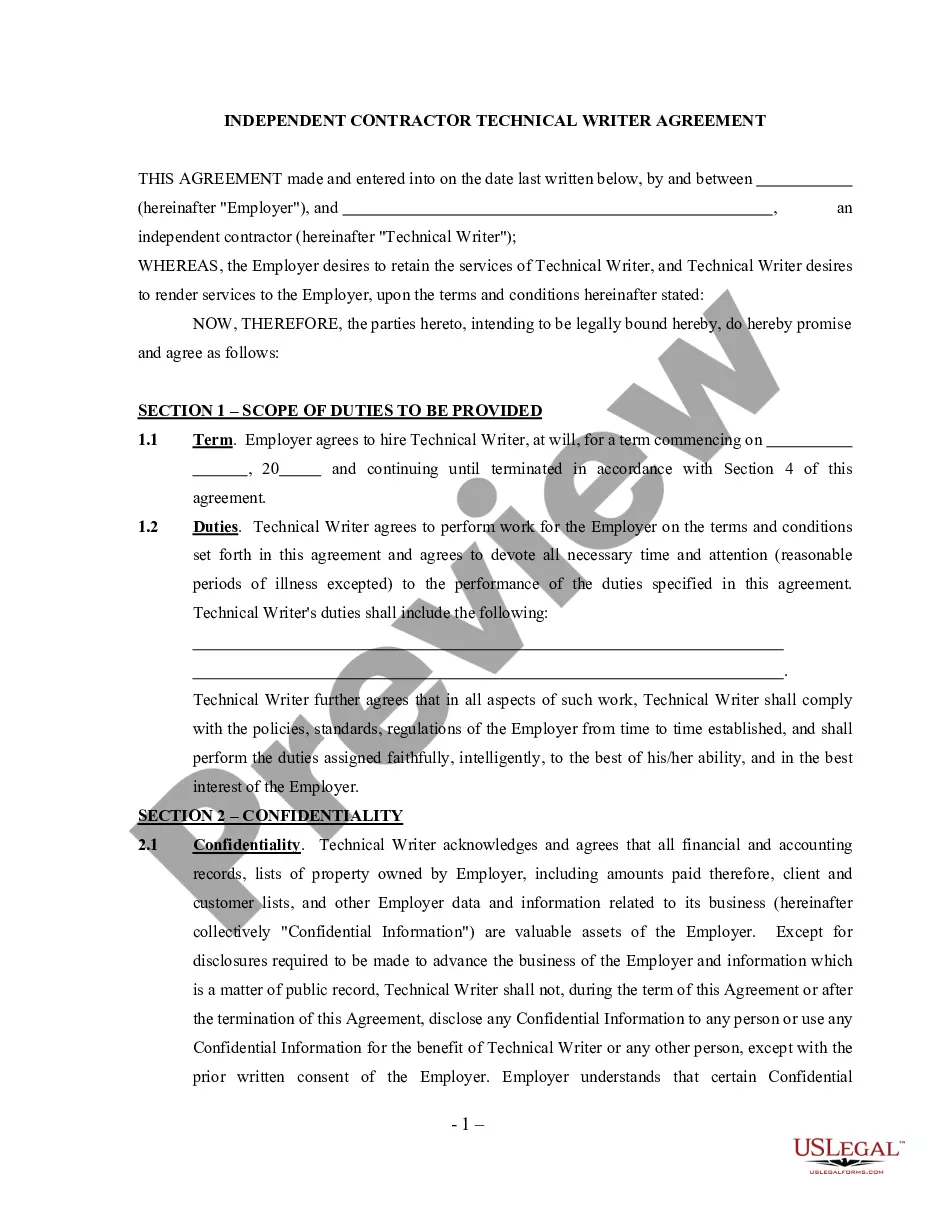
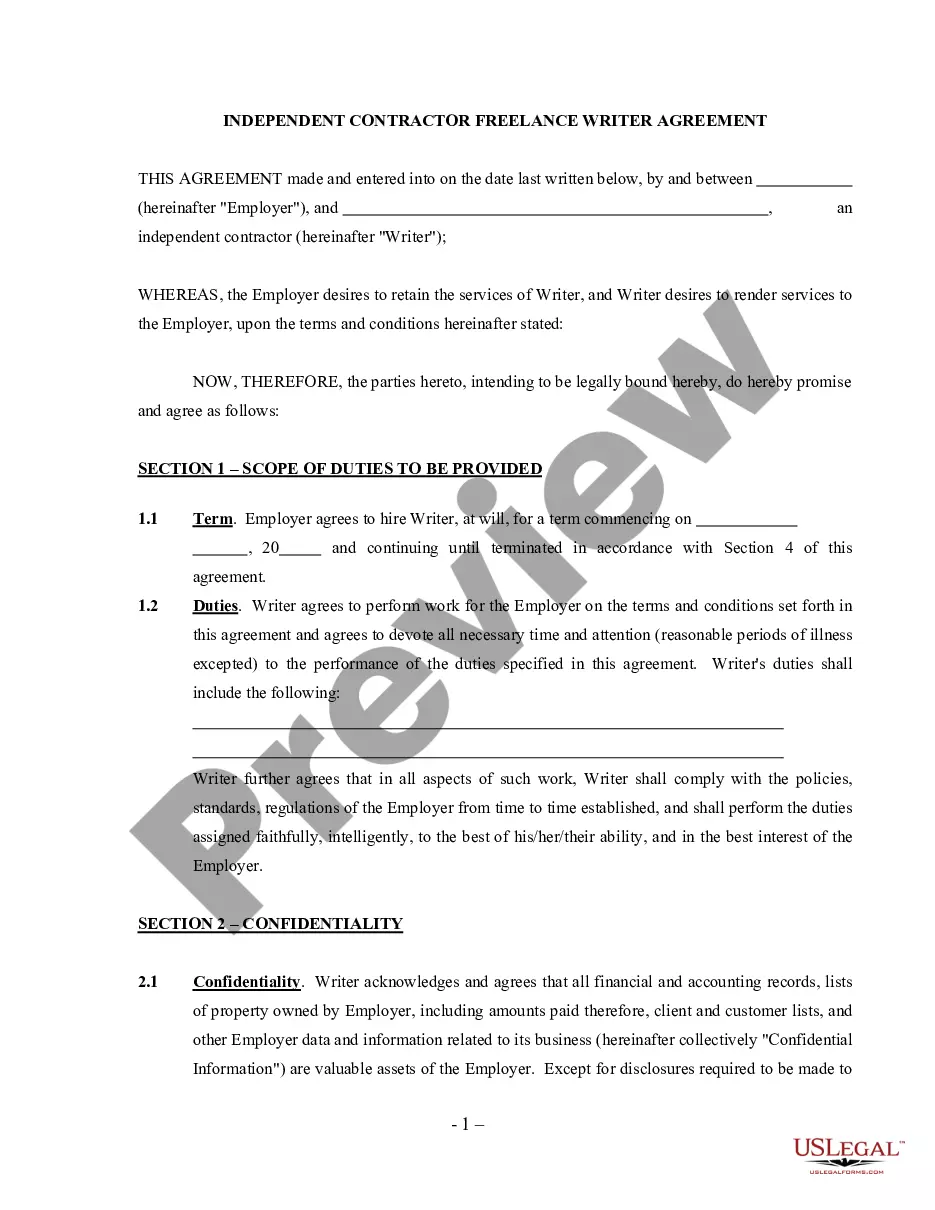
It's a contract that outlines the expectations, responsibilities, and terms between a technical writer and a client. Think of it as a roadmap for your working relationship.