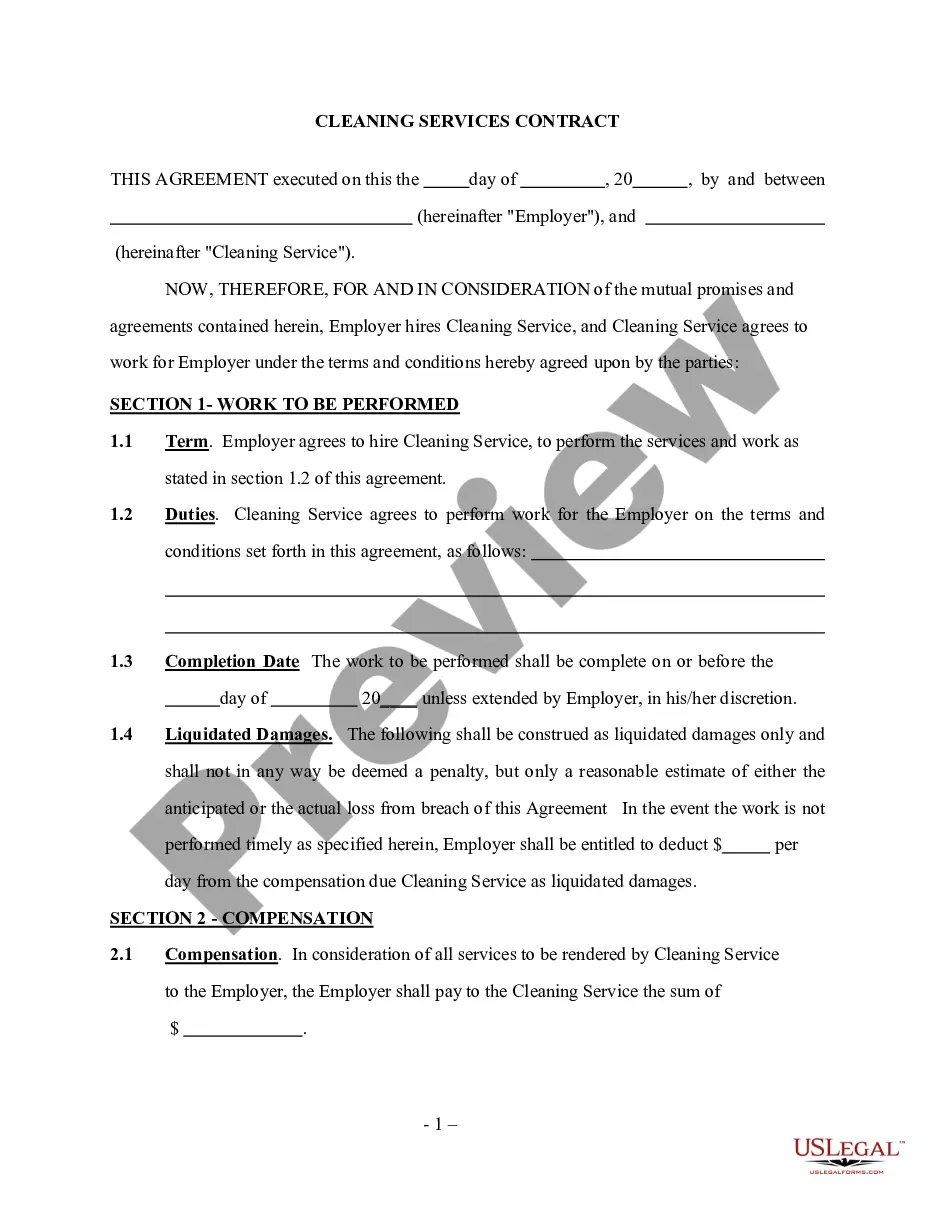
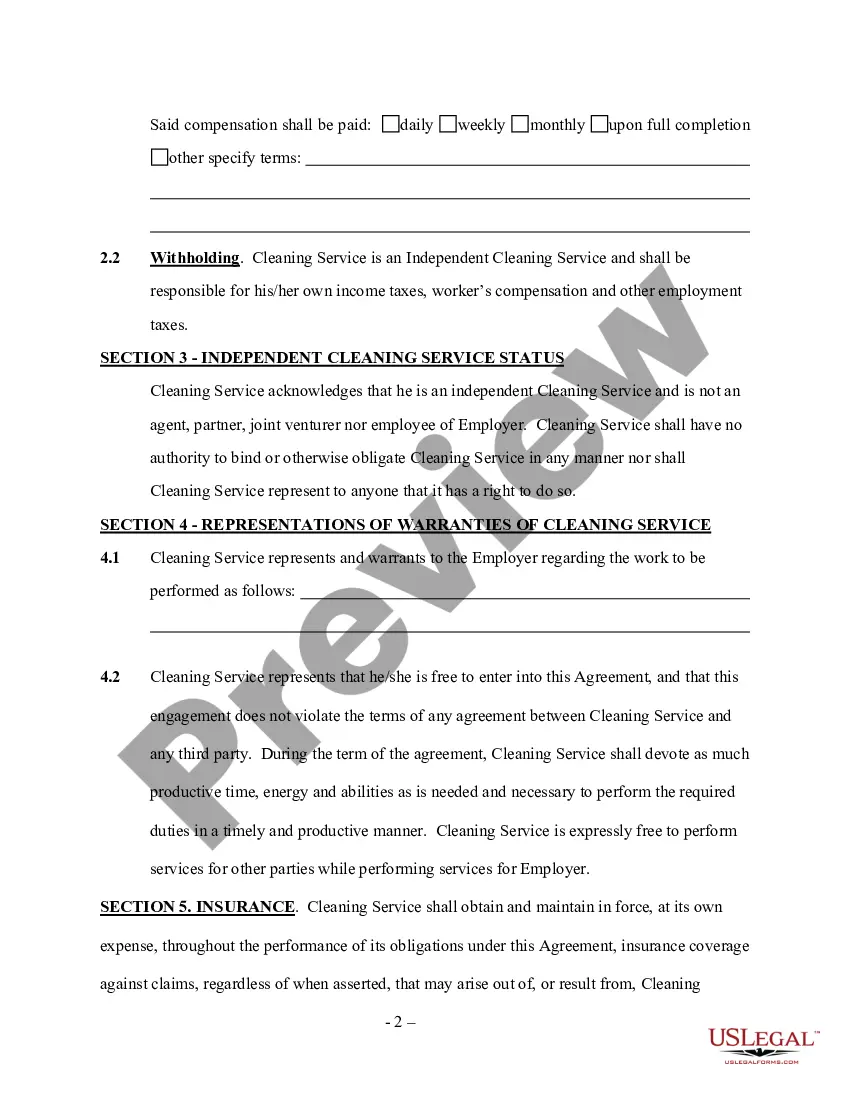
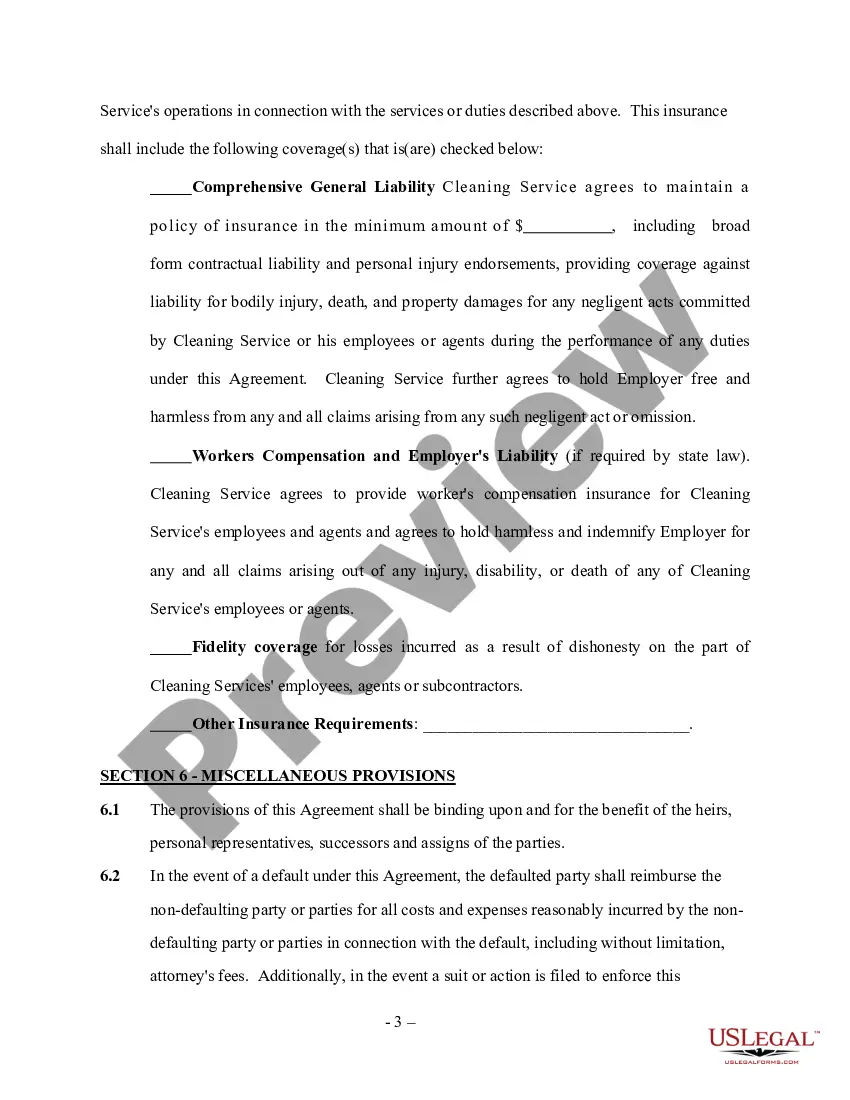
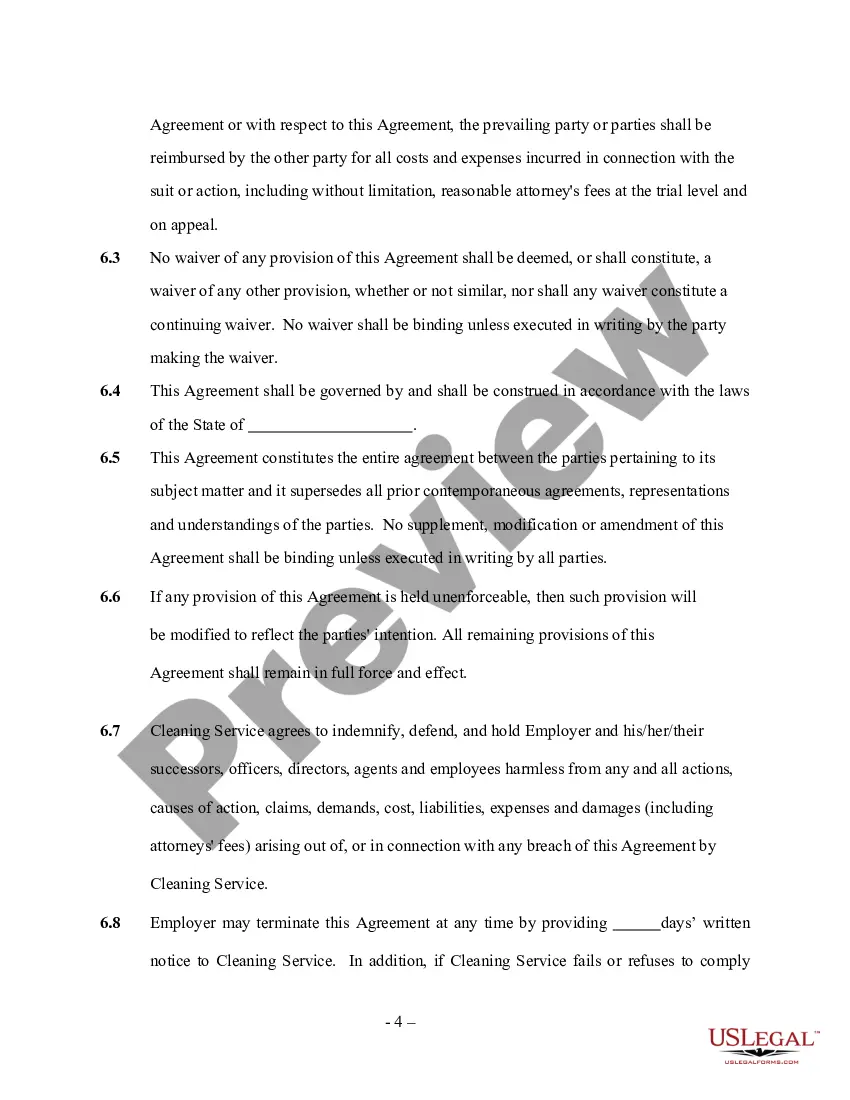
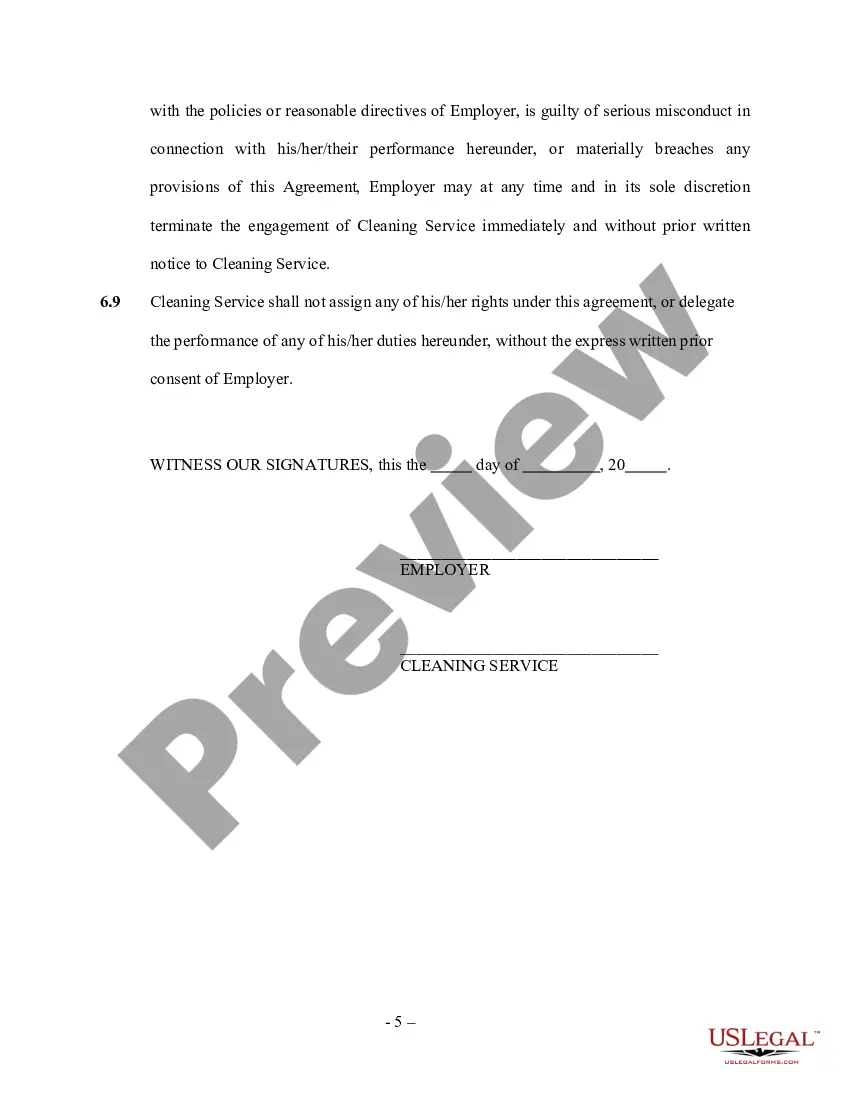
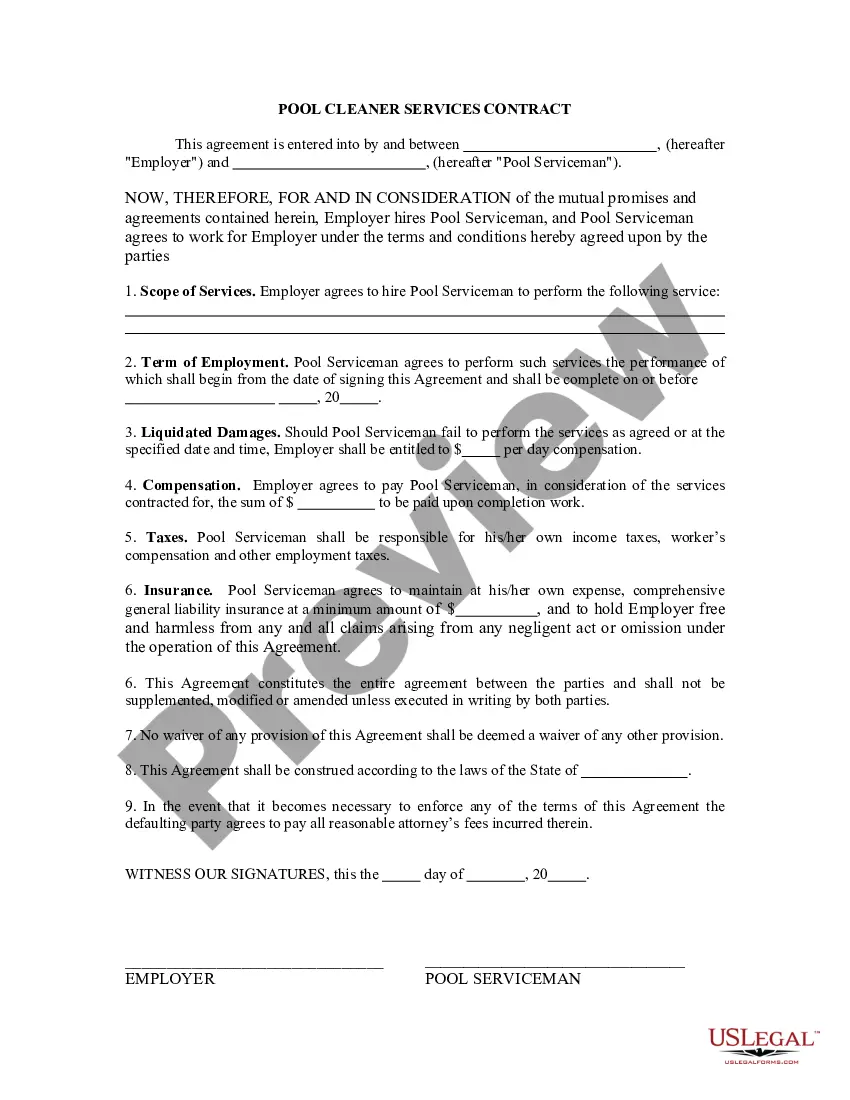
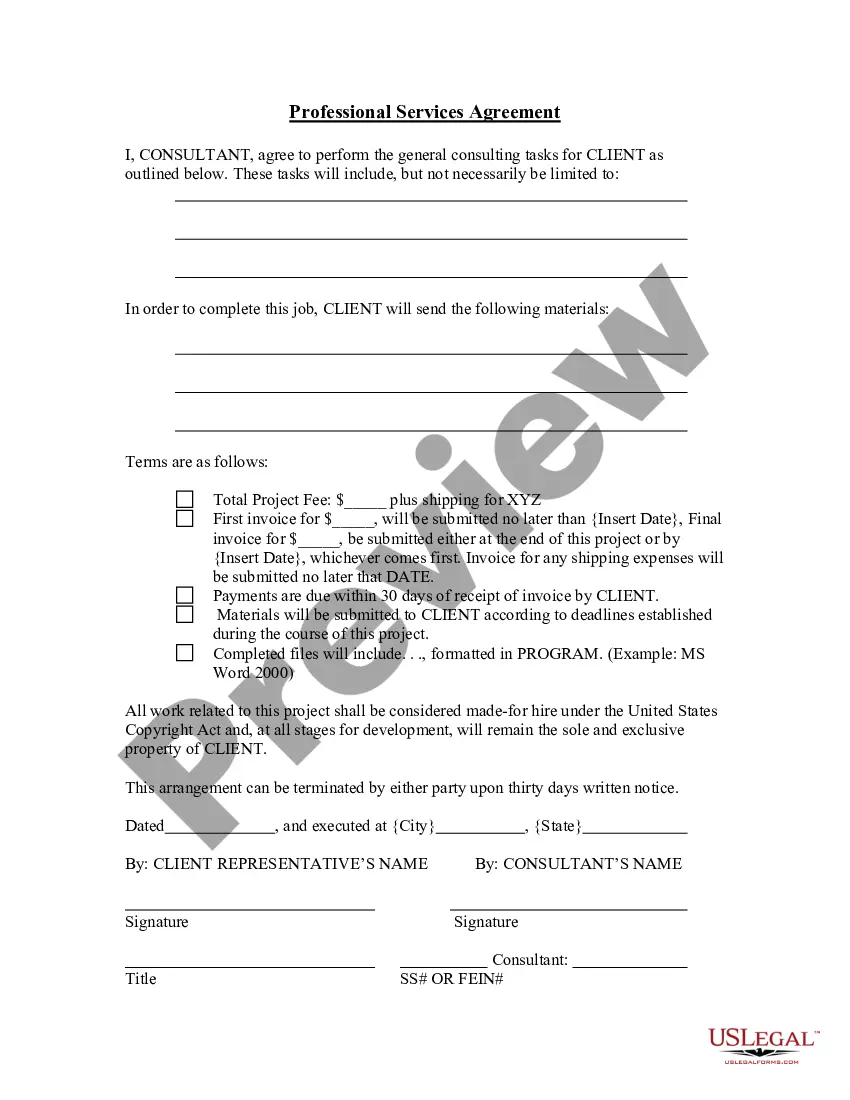
This is an agreement between an employer and a cleaning or janitorial service to have the cleaning service clean employer's business as an independent contractor.
You’ll need basic cleaning supplies like mops, brooms, vacuum cleaners, and various cleaning solutions. Think of it as getting your toolkit ready to tackle whatever mess comes your way!
While it varies by location, it’s wise to look into liability insurance. It protects you and your business in case of accidents or damage, so you can keep calm and carry on with your services.
To keep your clients happy, always aim for a high standard of cleaning. You might consider asking for feedback after each job and being open to suggestions—communication is key to satisfaction.
A solid cleaning services contract should include the type of services you're providing, the frequency of the cleanings, payment terms, and any terms and conditions to keep everything above board.
Finding clients can be as easy as pie! You can start by spreading the word to friends and family, using social media, or even creating a simple website to showcase your services.
Yes, you will likely need to obtain a business license to legally operate your cleaning service. It’s always a good idea to check with the local authorities to make sure you have all your ducks in a row.
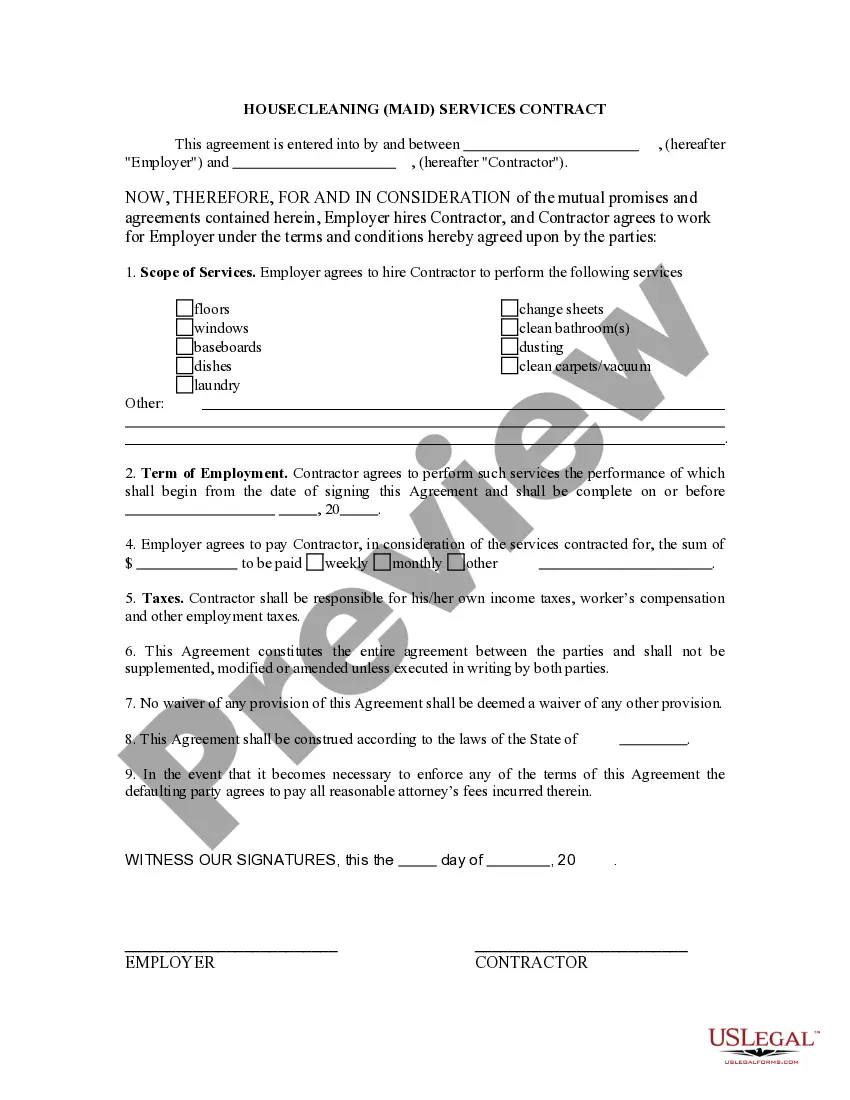
As a self-employed cleaner, you can offer a variety of services such as residential cleaning, commercial cleaning, deep cleaning, move-in/move-out cleaning, and specialized services like carpet or window cleaning.