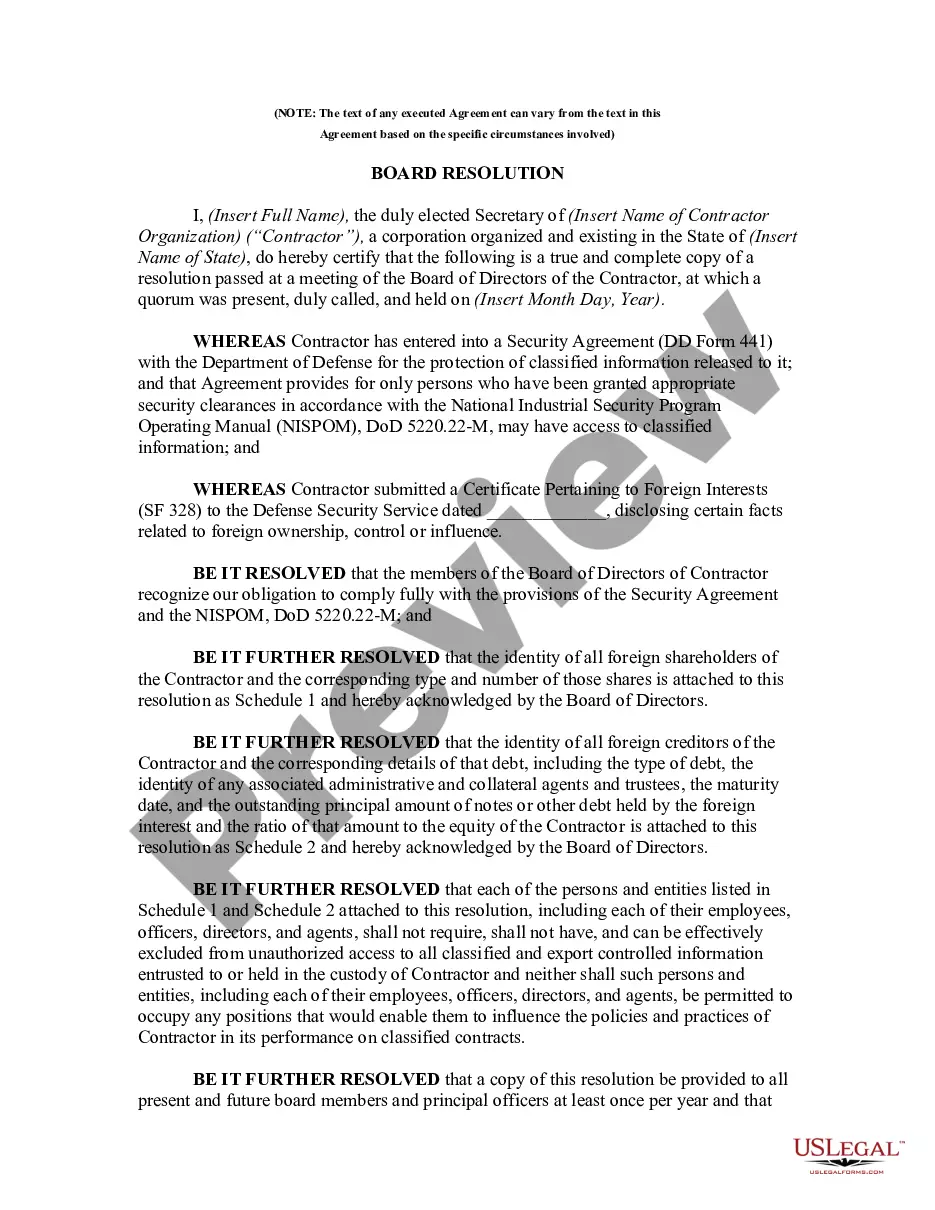
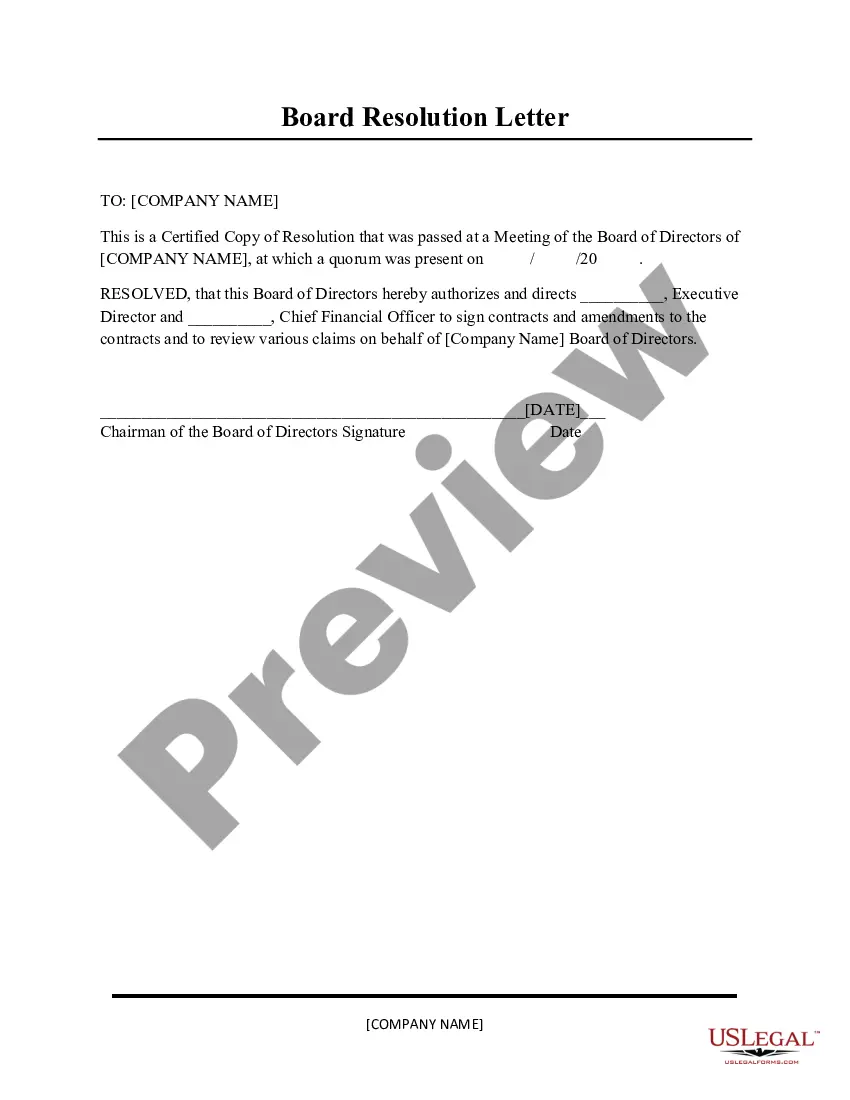
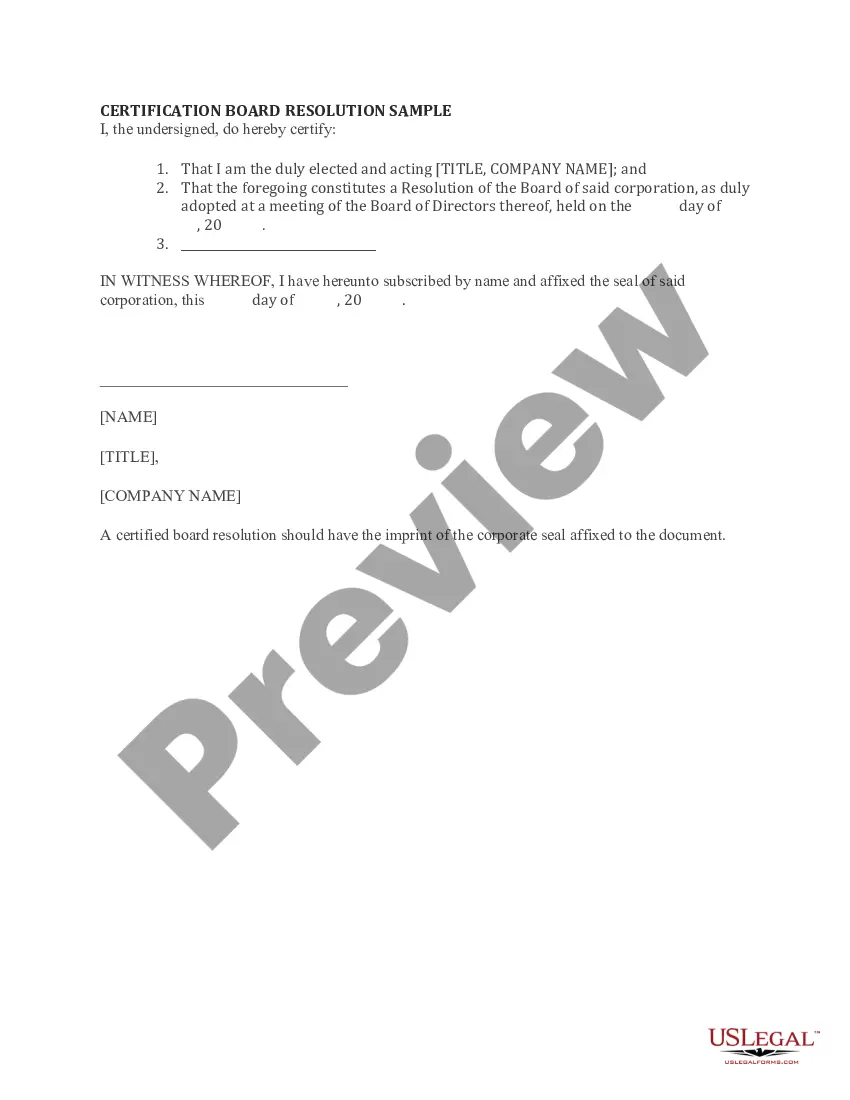
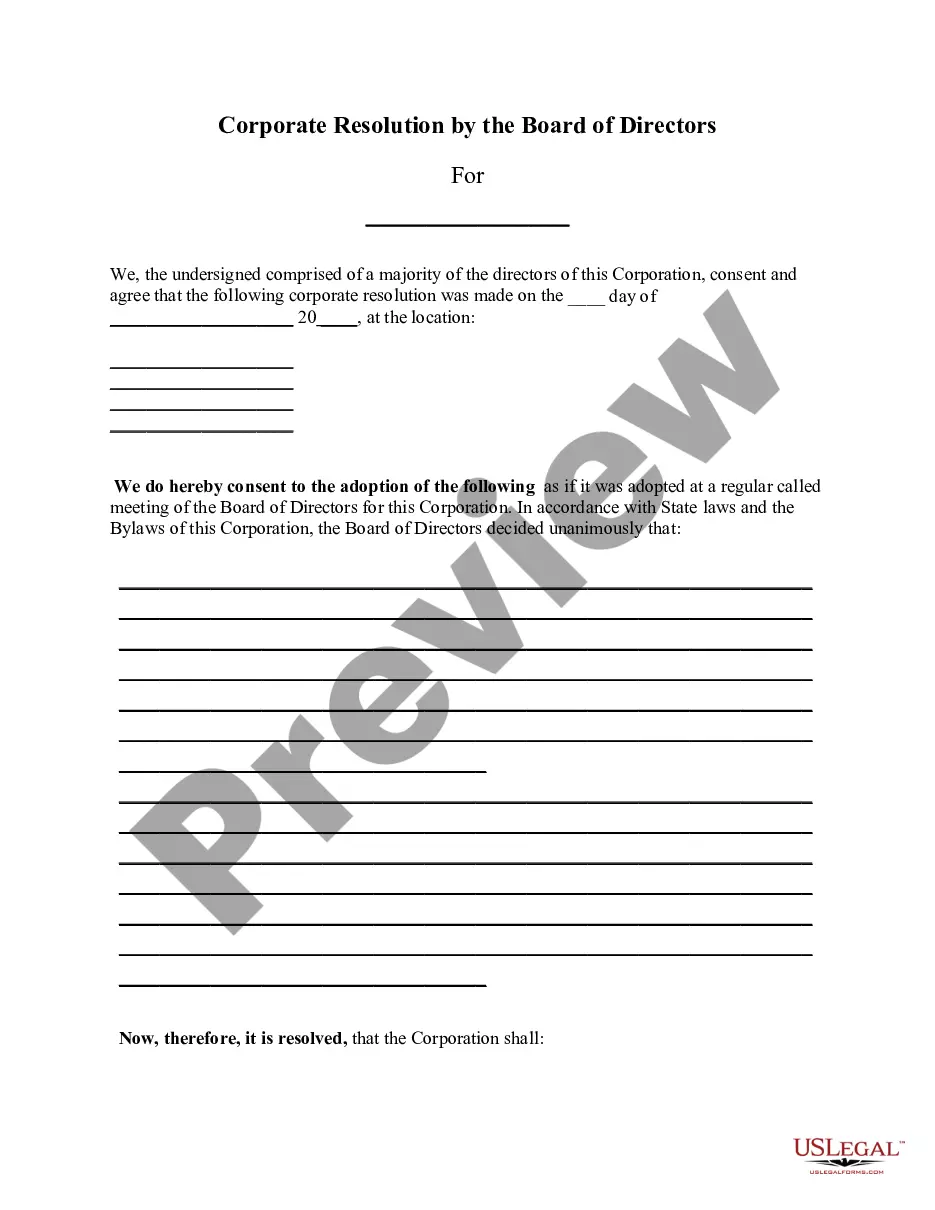
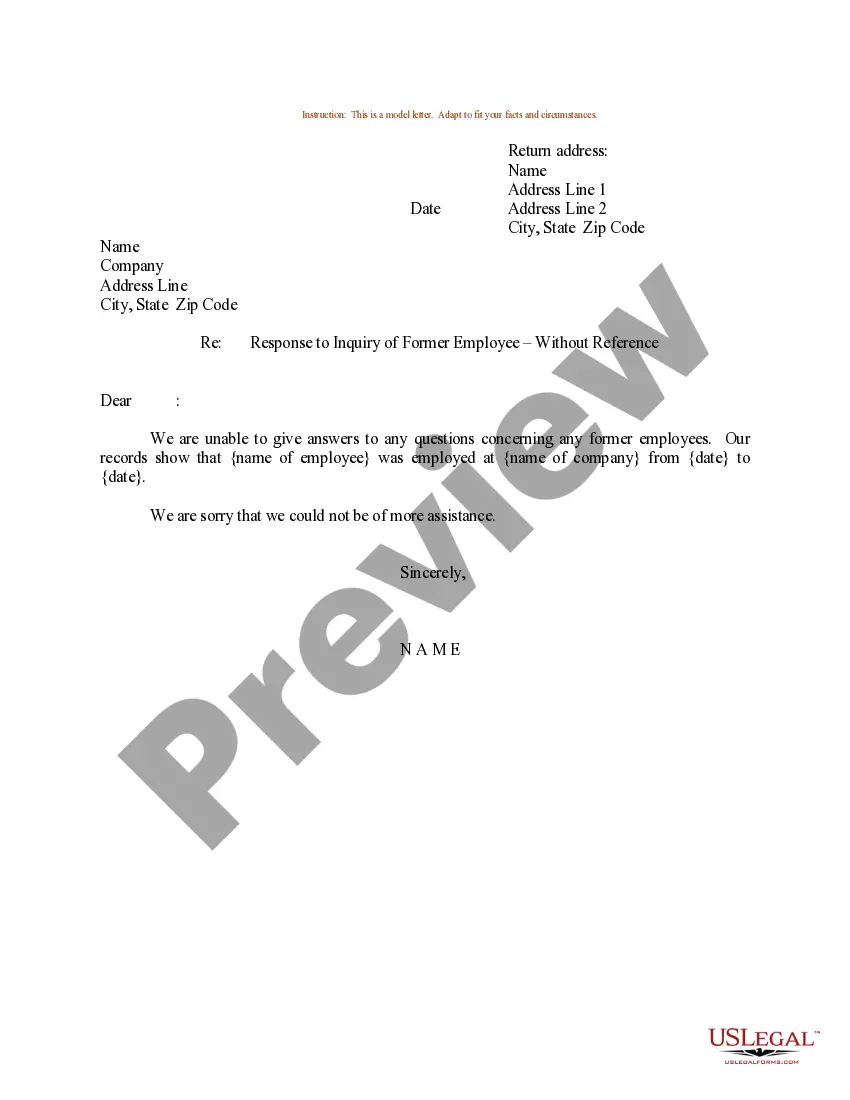
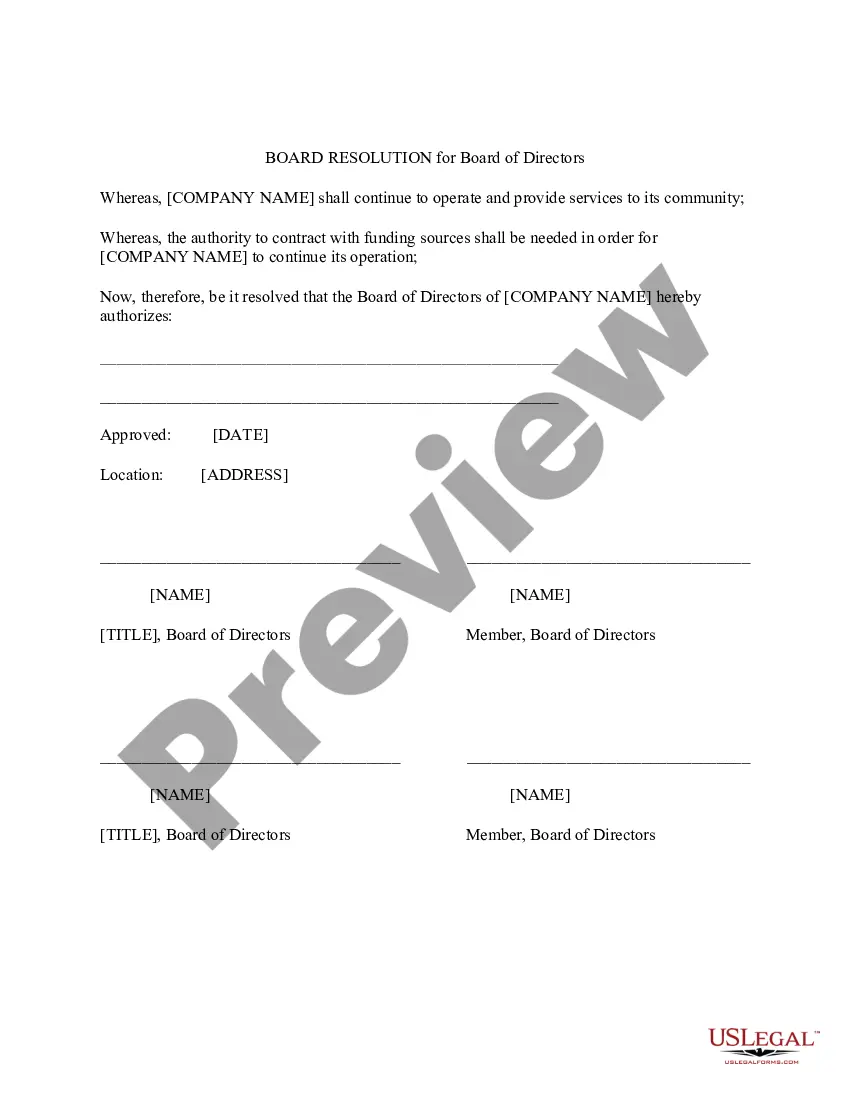
Board resolutions should bewritten on the organization's letterhead. The wording simply describes the action that the board agreed to take. It also shows the date of the action and it names the parties to the resolution.
If it's not recorded, there could be confusion or disputes later on about what decisions were made. It's like trying to remember a recipe from a cooking show without taking notes—easy to forget the important steps!
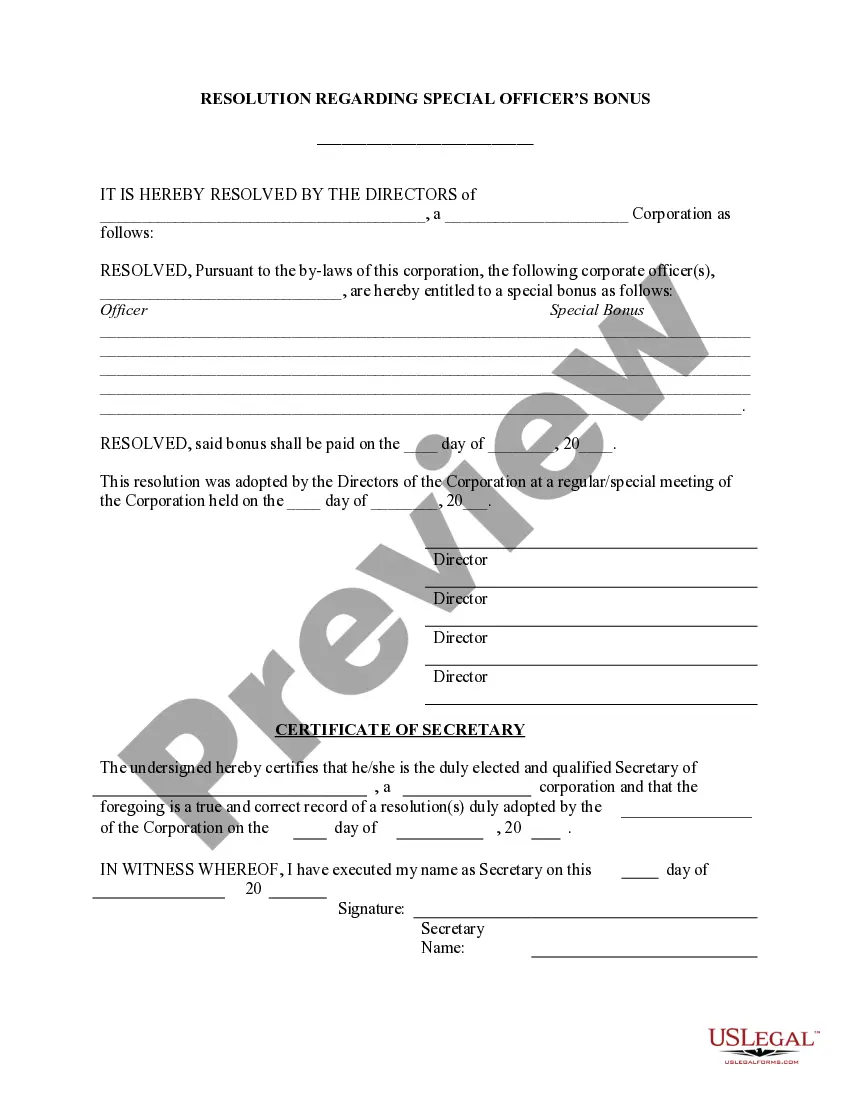
Yes, while there's no strict template, most Board Resolutions have a basic format that includes a header, the body of the resolution, and a signature section. It's like following a blueprint.
Board members usually vote during a meeting. They can raise hands for approval or a show of votes, or sometimes it can be done in writing, depending on the rules of the organization.
A Board Resolution typically includes the title, the date, details of the decisions made, and signatures of board members. Think of it as a recipe that lists all the right ingredients for clarity and agreement.
Usually, it’s a member of the board who drafts and submits the resolution. Often, this is the chairperson or a committee chair, who keeps the wheels turning.
A board typically passes resolutions to clarify its intentions, approve major decisions, or establish policies. It's a way of putting things on paper to make sure everyone's on the same page.
A Board Resolution is a formal document that outlines decisions made by a board of directors or a governing body in Austin, Texas. It’s like giving a thumbs up to a plan or action.