Chicago Illinois Partnership Agreement
Description
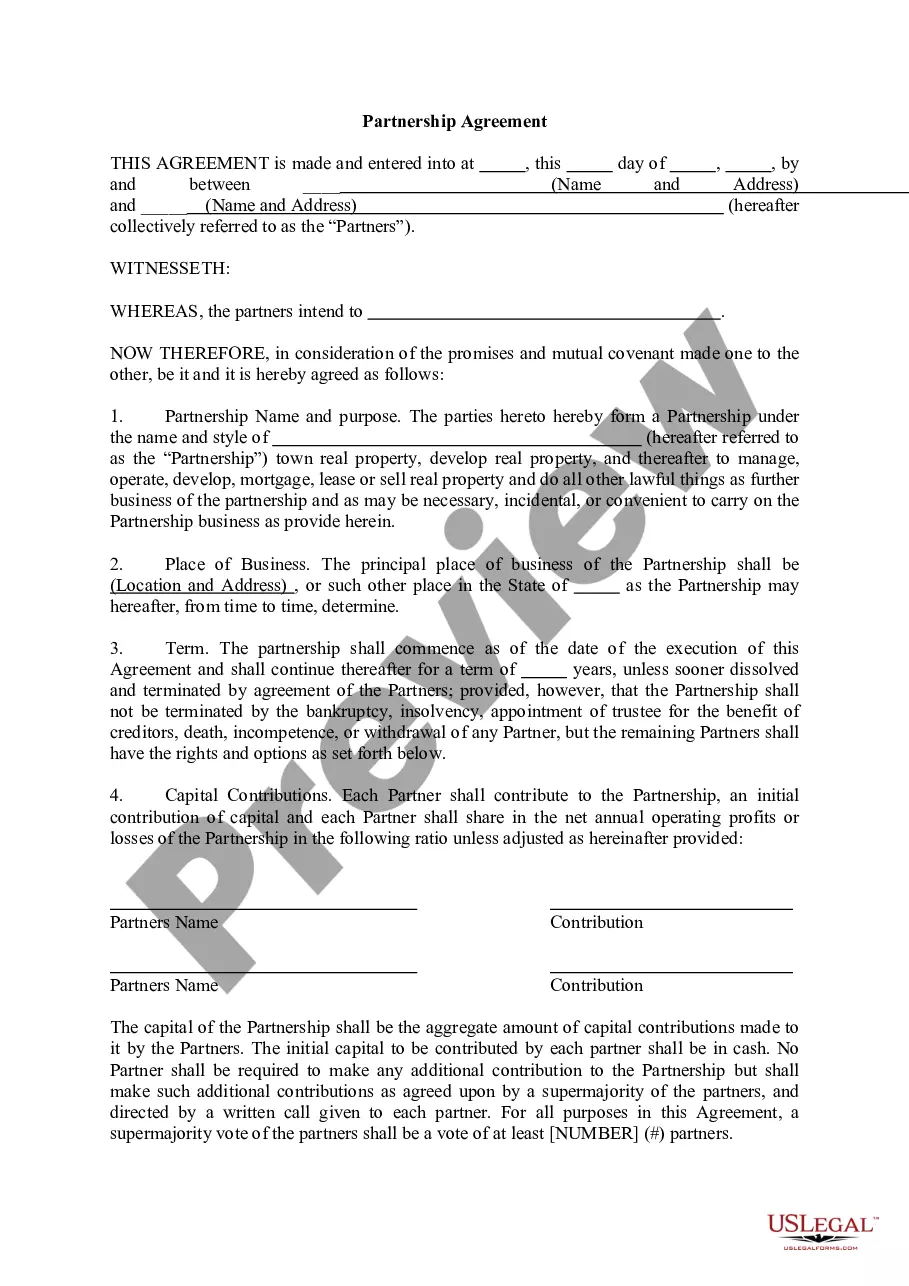
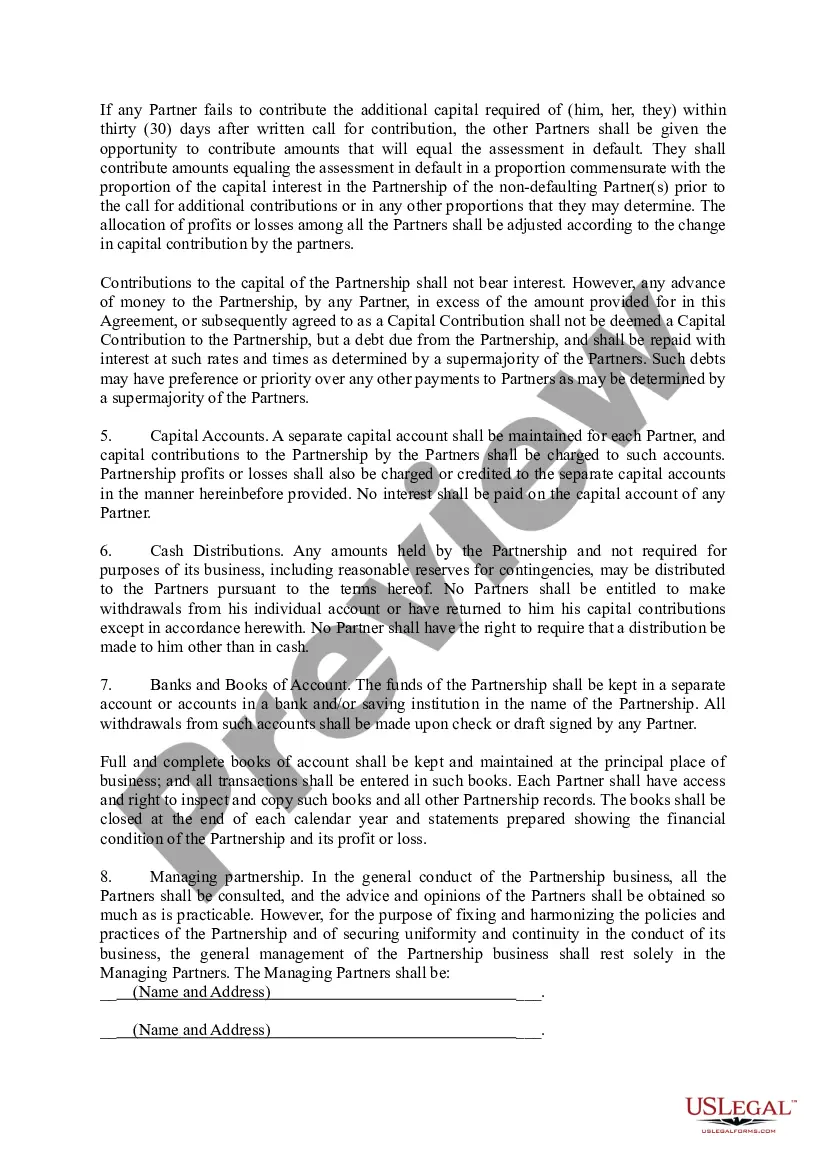
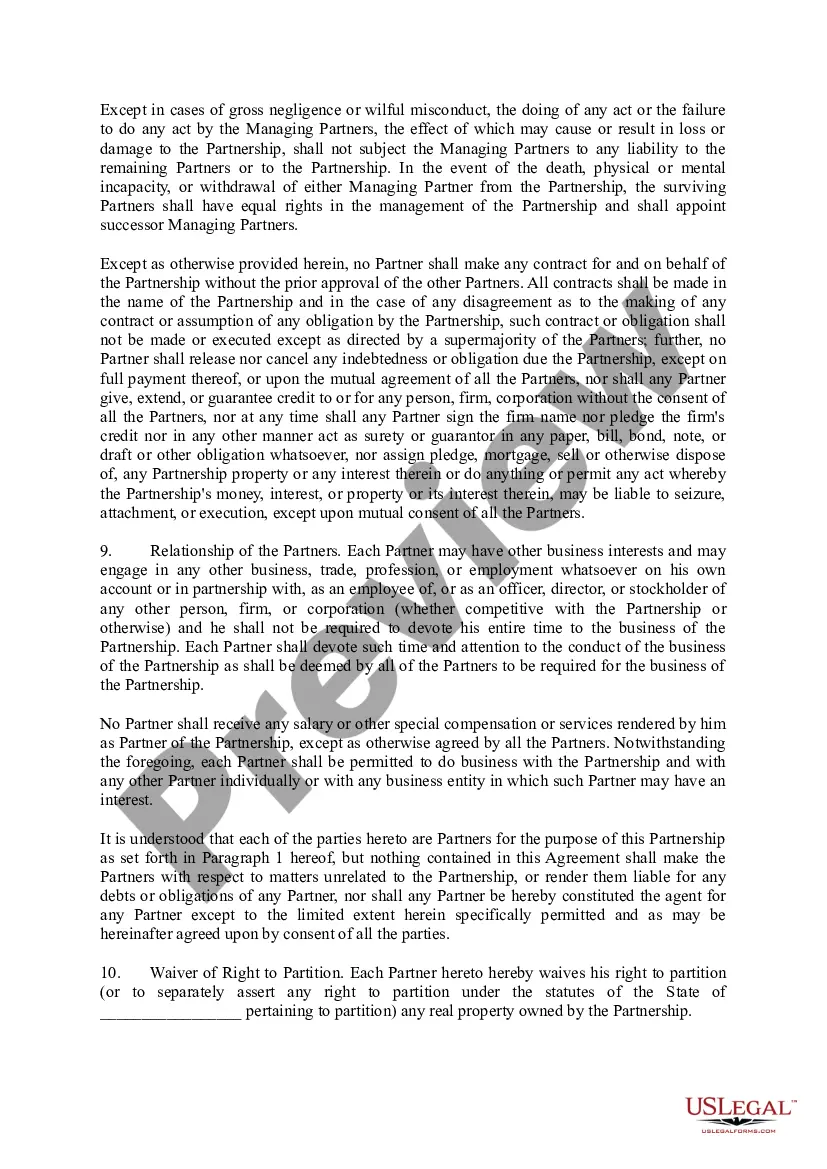
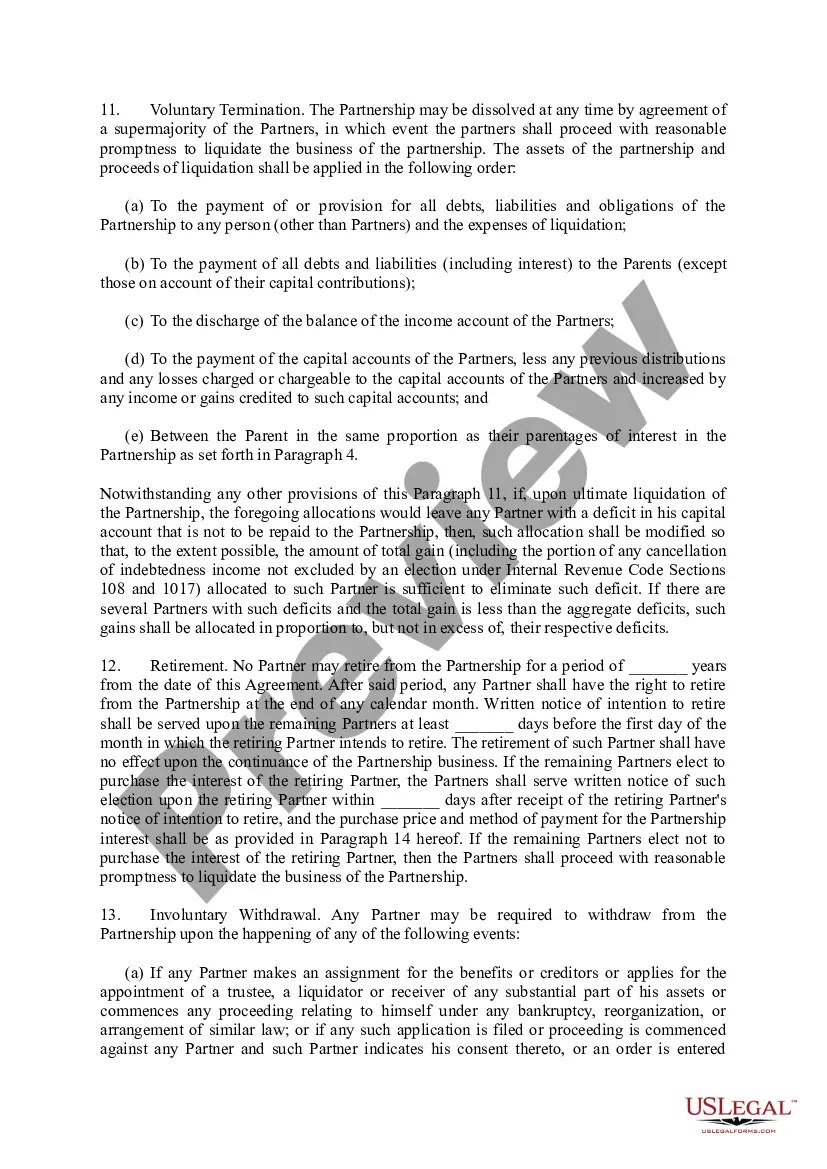
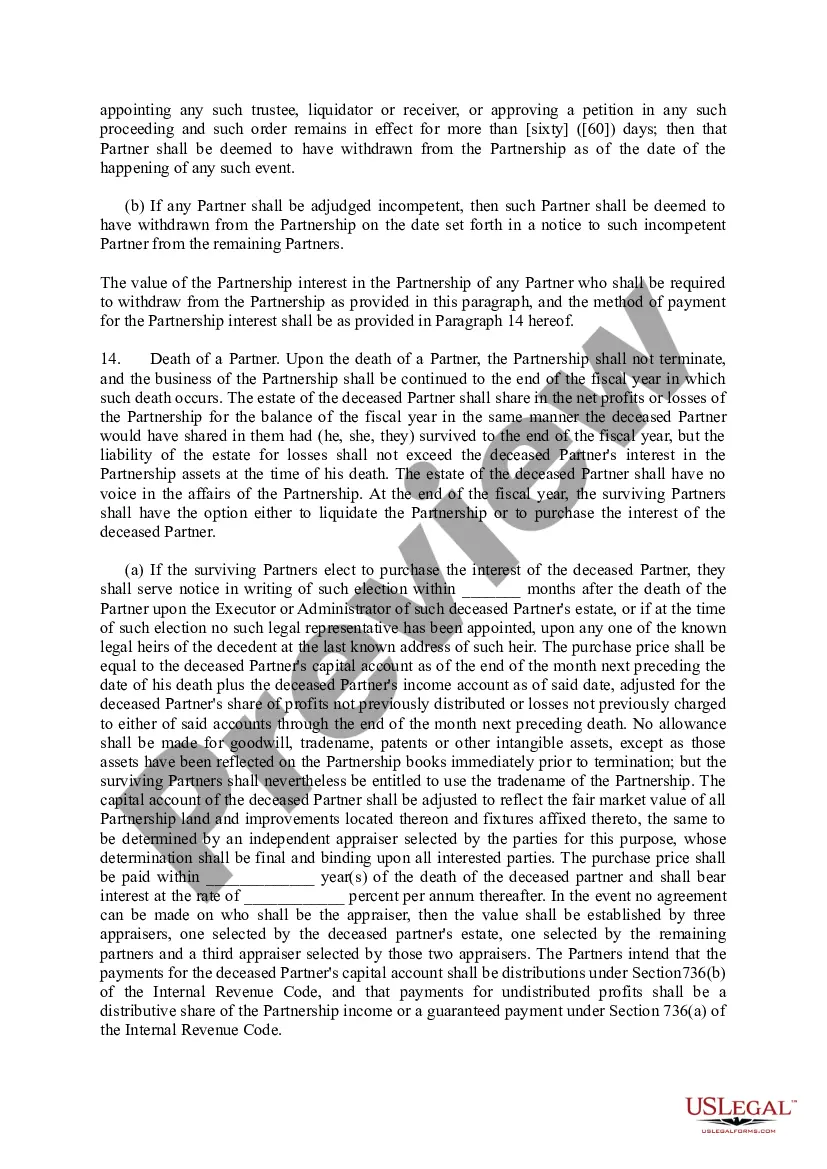

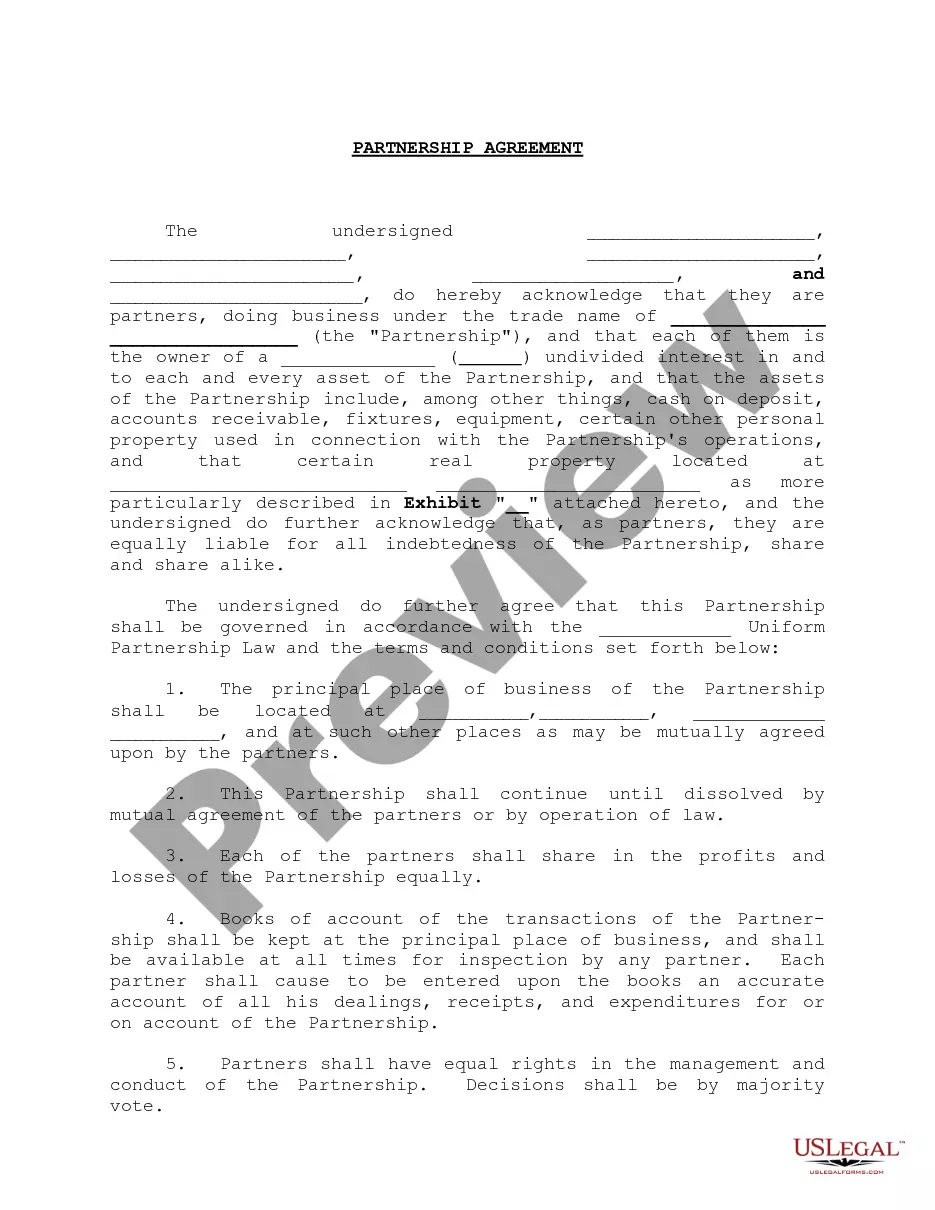
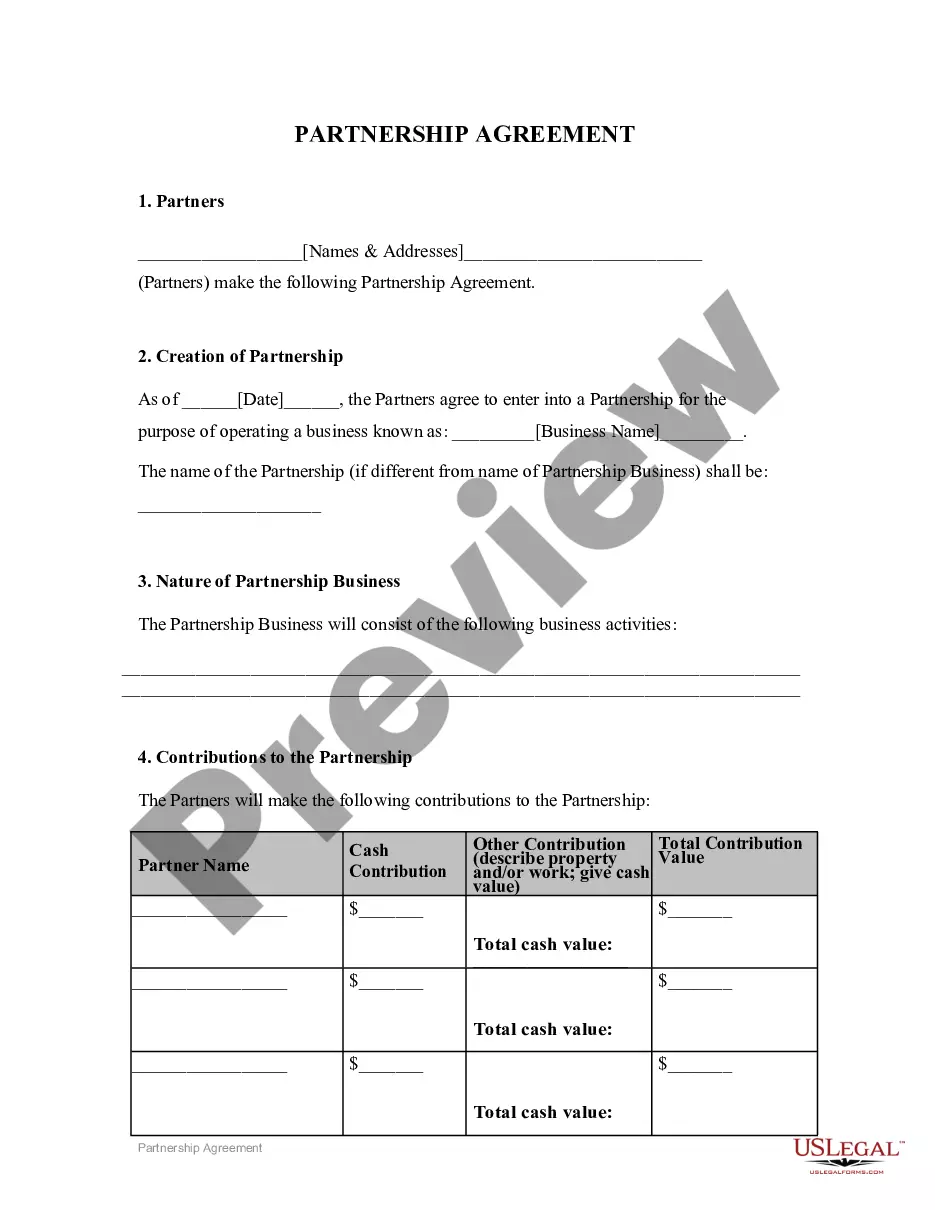
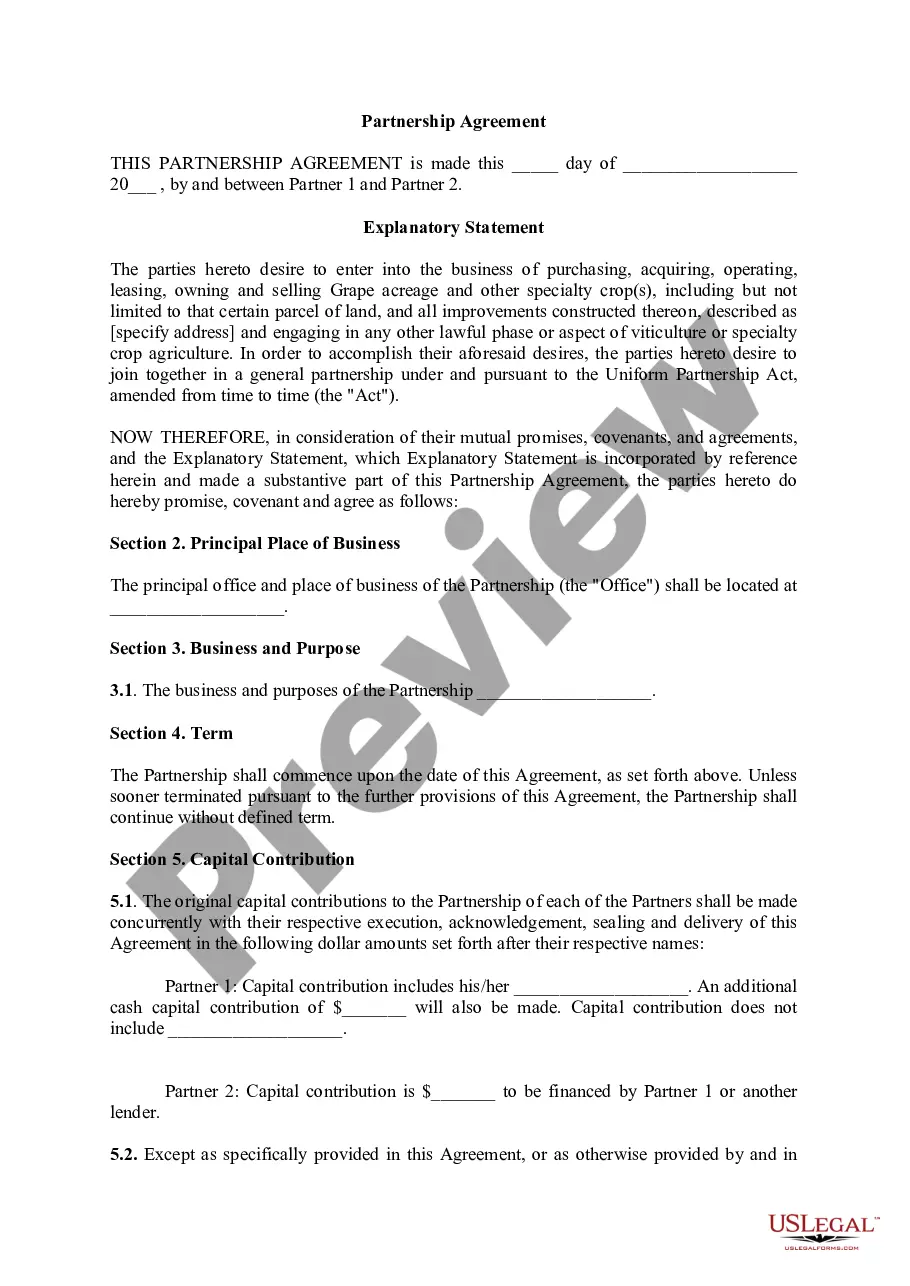
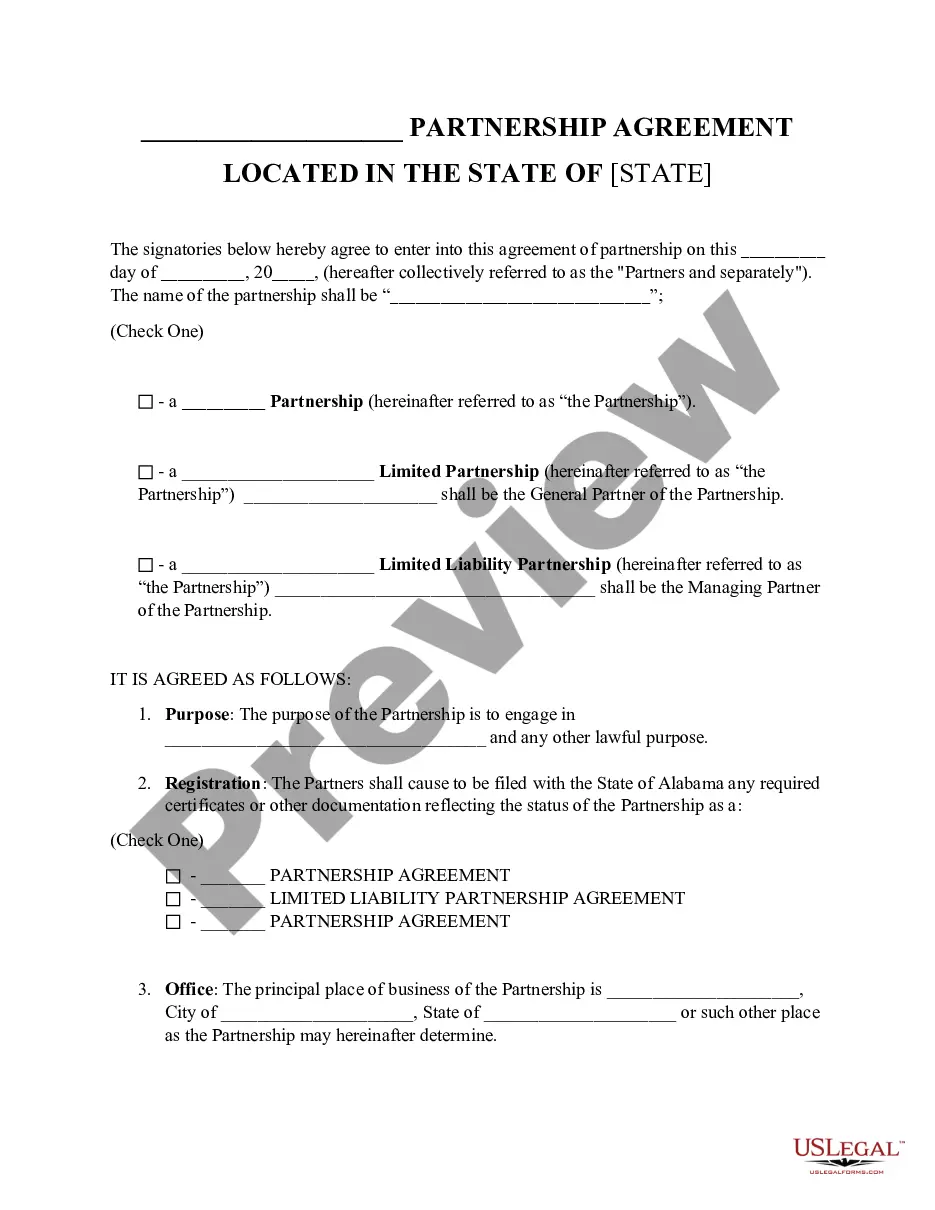
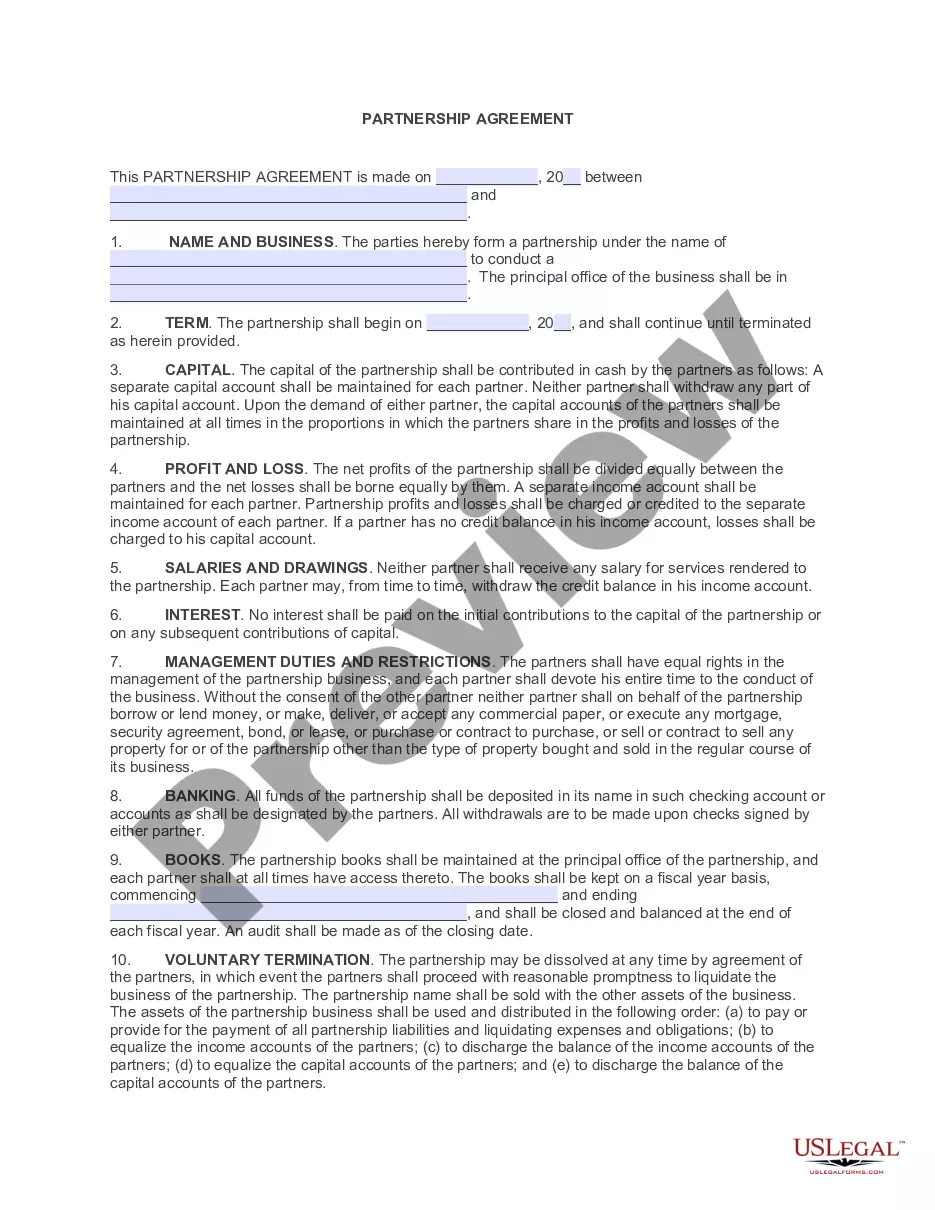



How to fill out Partnership Agreement?
Do you require to promptly generate a legally-binding Chicago Partnership Agreement or possibly any other document to manage your personal or corporate affairs.
You can choose one of the two alternatives: engage a legal specialist to draft a legitimate document for you or compose it entirely by yourself.
First and foremost, thoroughly confirm if the Chicago Partnership Agreement is designed to meet your state's or county's regulations.
If the form contains a description, ensure to verify what it's appropriate for.
- Fortunately, there's an additional option - US Legal Forms.
- It will assist you in obtaining professionally composed legal documents without incurring exorbitant costs for legal services.
- US Legal Forms presents a comprehensive collection of over 85,000 state-specific form templates, including Chicago Partnership Agreement and form bundles.
- We offer templates for a plethora of life situations: from divorce documentation to real estate form templates.
- We have been in the industry for more than 25 years and have earned an impeccable reputation among our clients.
- Here's how you can join them and get the necessary template without unnecessary complications.
Form popularity
FAQ
You should file the Illinois 1065 form with the Illinois Department of Revenue. This form is used for partnership income tax returns. Ensure you stay updated on submission deadlines linked to your Chicago Illinois Partnership Agreement to maintain compliance and avoid any legal issues.
To make a partnership agreement legal, both parties must sign the document, and it is advisable to have it notarized. Including essential elements, such as profit-sharing, responsibilities, and dispute resolution, can also strengthen the agreement. A well-prepared Chicago Illinois Partnership Agreement will provide clarity and legal standing to your business arrangement.
You do not need an LLC to form a partnership in Illinois, as partnerships can operate as separate entities without formal incorporation. However, consider that an LLC can provide additional liability protection for the partners. Weigh the benefits of forming an LLC against your Chicago Illinois Partnership Agreement needs.
To form a partnership in Illinois, you should first choose a business name and create a partnership agreement outlining roles and responsibilities. It's also essential to register your partnership with the Illinois Secretary of State if you choose to operate under a fictitious name. Utilizing an online service, such as UsLegalForms, can simplify drafting a comprehensive Chicago Illinois Partnership Agreement.
In Illinois, any partnership that earns income, loss, or deductions must file an Illinois partnership return. This includes general partnerships and limited partnerships registered in the state. Ensuring compliance with your Chicago Illinois Partnership Agreement necessitates understanding these filing requirements to avoid penalties.
The four main types of partnerships are general partnerships, limited partnerships, limited liability partnerships, and joint ventures. Each type offers different levels of liability protection and management styles. When considering a Chicago Illinois Partnership Agreement, it's important to choose the right type that suits your business goals and needs.
In Illinois, partnerships are not required to register with the state unless they choose to file a DBA or form an LLC. However, it is often beneficial to have a written Chicago Illinois Partnership Agreement, as it acts as a formal record and can prevent misunderstandings among partners. This agreement helps address important issues, such as profit sharing and decision-making processes.
Not necessarily. If your business operates only in Illinois, you do not need to register in other states. However, if you conduct business in multiple states, you may need to register in those states. Establishing a Chicago Illinois Partnership Agreement can help clarify your business operations and make compliance easier when expanding.
Filing requirements for a partnership in Illinois depend on the type of partnership chosen. Generally, partnerships must keep certain records and may need to file federal and state tax forms annually. Additionally, having a well-structured Chicago Illinois Partnership Agreement aids in meeting regulatory requirements and sets clear expectations among partners.
To form a partnership LLC in Illinois, you must first choose a unique name for your business. Next, you’ll need to file Articles of Organization with the Illinois Secretary of State and designate a registered agent. Crafting a comprehensive Chicago Illinois Partnership Agreement is also important, as it will specify the operational procedures and outline responsibilities for each partner.