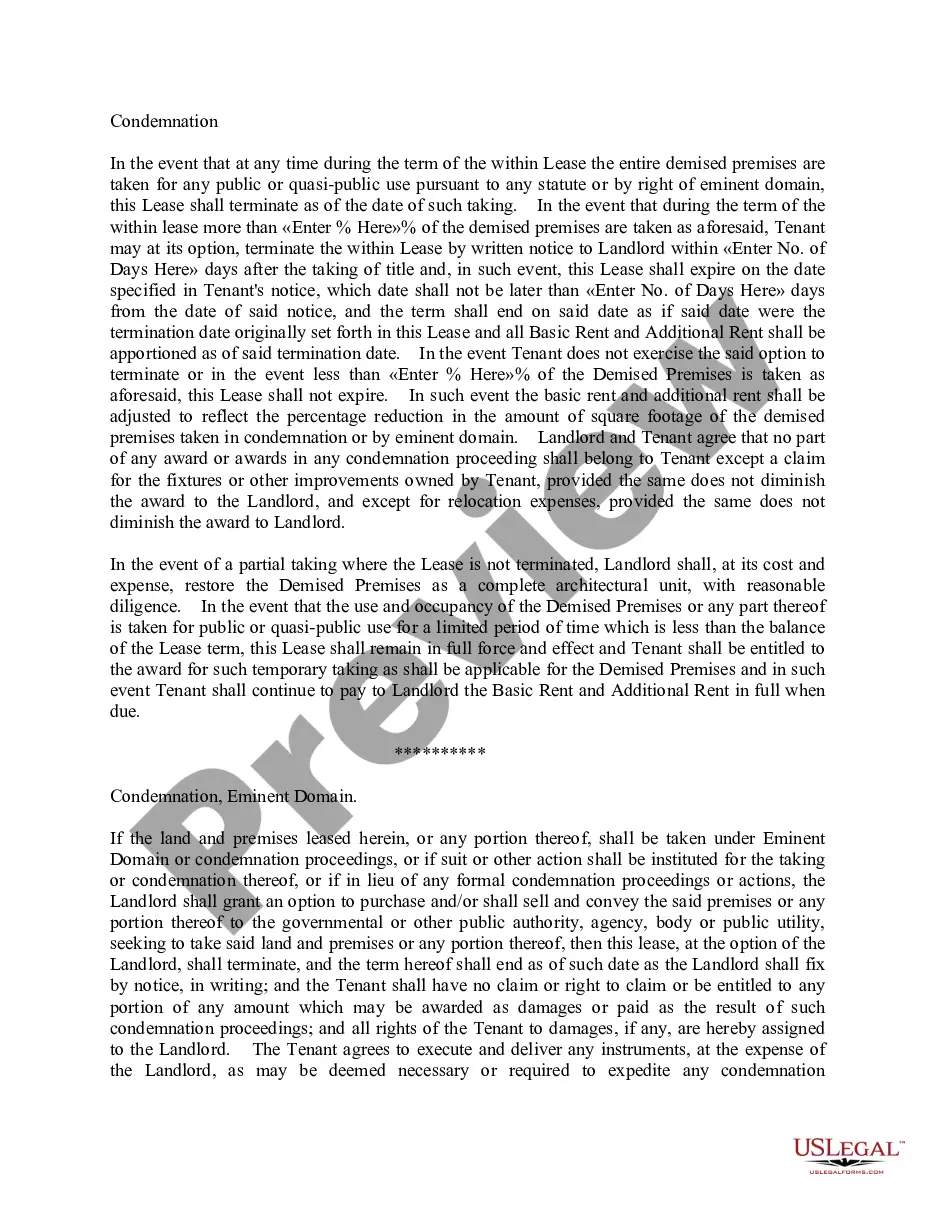
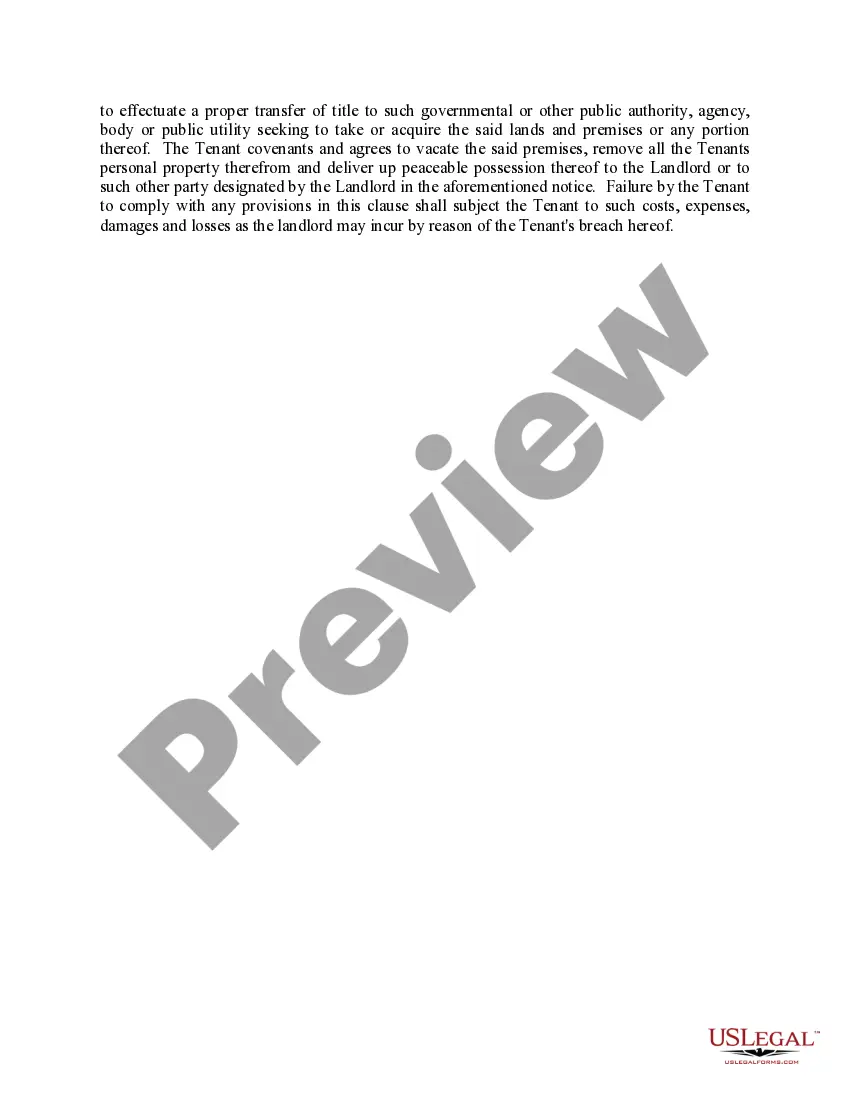
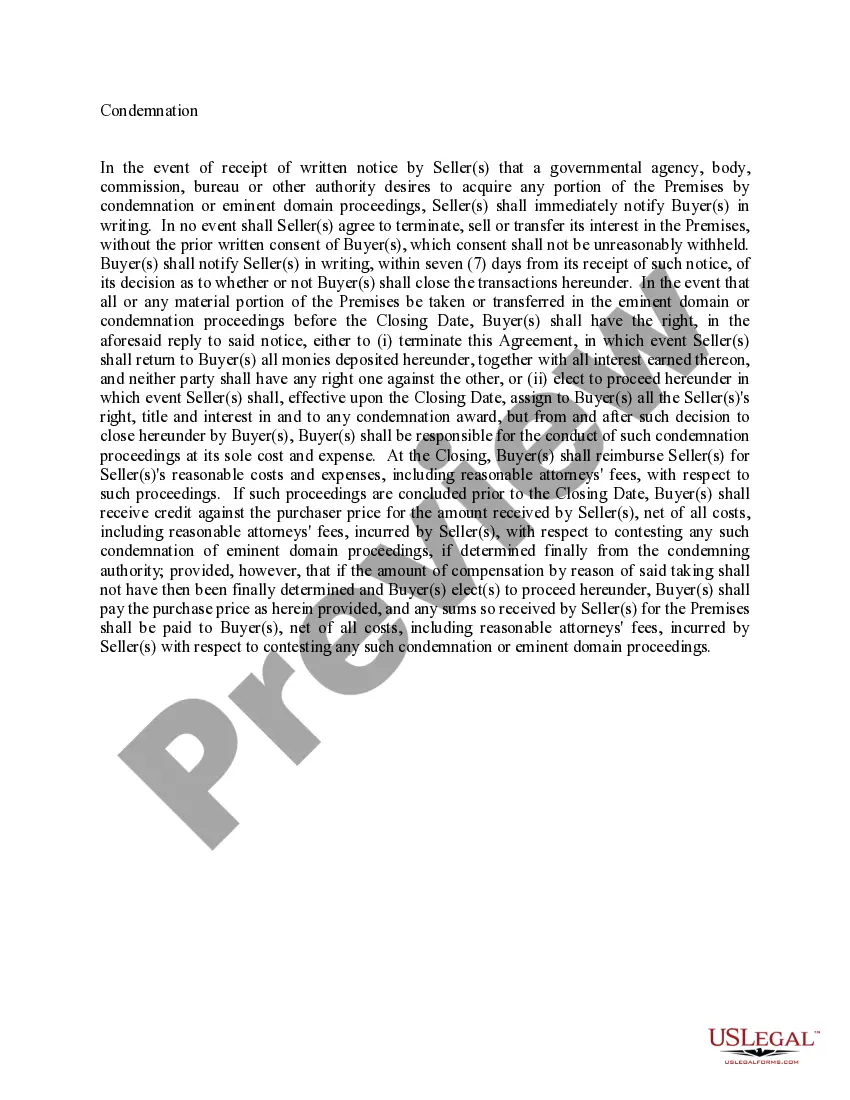
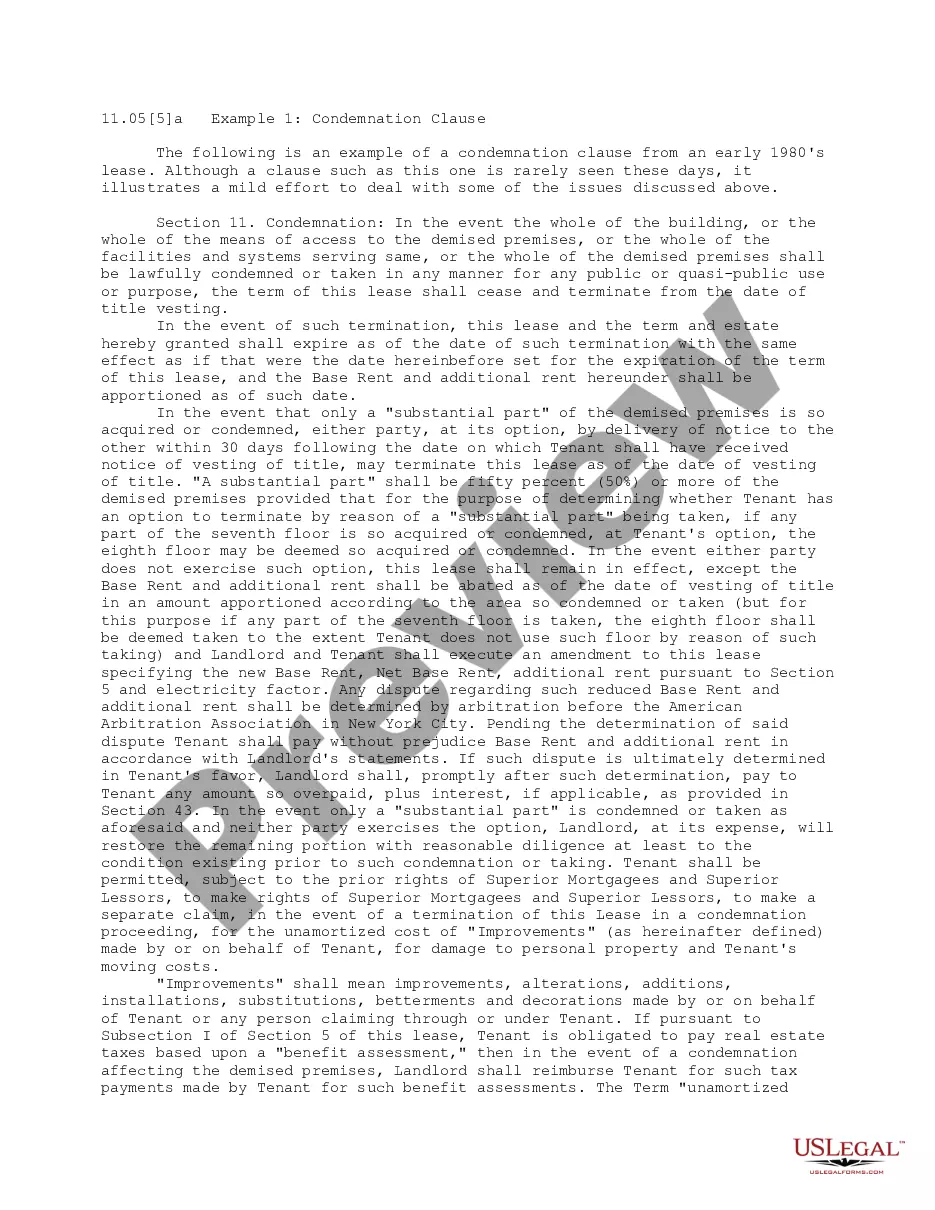
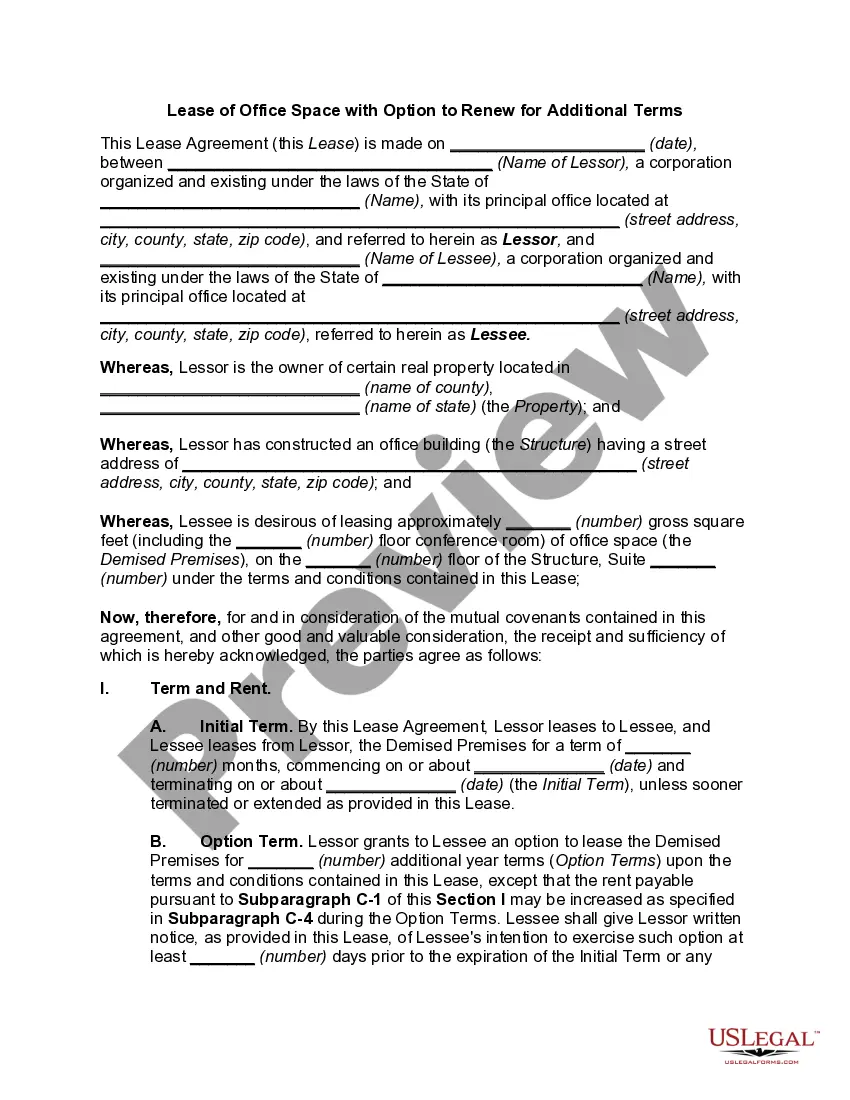
Examples of clauses regarding Condemnation of premises; in the event that, at any time during the term of the within Lease, the premises are taken for any public or quasi-public use pursuant to any statute or by right of eminent domain.
It's a good idea to consult a lawyer familiar with condemnation cases to guide you through the process and help ensure you get a fair shake.
Typically, yes. The law aims to provide property owners with fair market value, but what ‘fair’ means can sometimes be a matter of debate.
If your property is condemned, you'll receive notice and a chance to negotiate compensation, and if an agreement can't be reached, it might go to court.
Common public uses that might lead to condemnation include building roads, parks, schools, or other public facilities that benefit the community.
Yes, property owners can challenge the necessity of the condemnation or the amount of compensation offered, usually through legal or administrative proceedings.
In Seattle, if the government needs your property, they start by notifying you and then provide compensation based on the property's value, following certain legal steps.
A condemnation clause is a legal provision allowing a party to take over property for public use when it’s needed, often with fair compensation offered to the owner.