Counselors usually revisit the informed consent process periodically, especially if there are any significant changes in your treatment or circumstances.
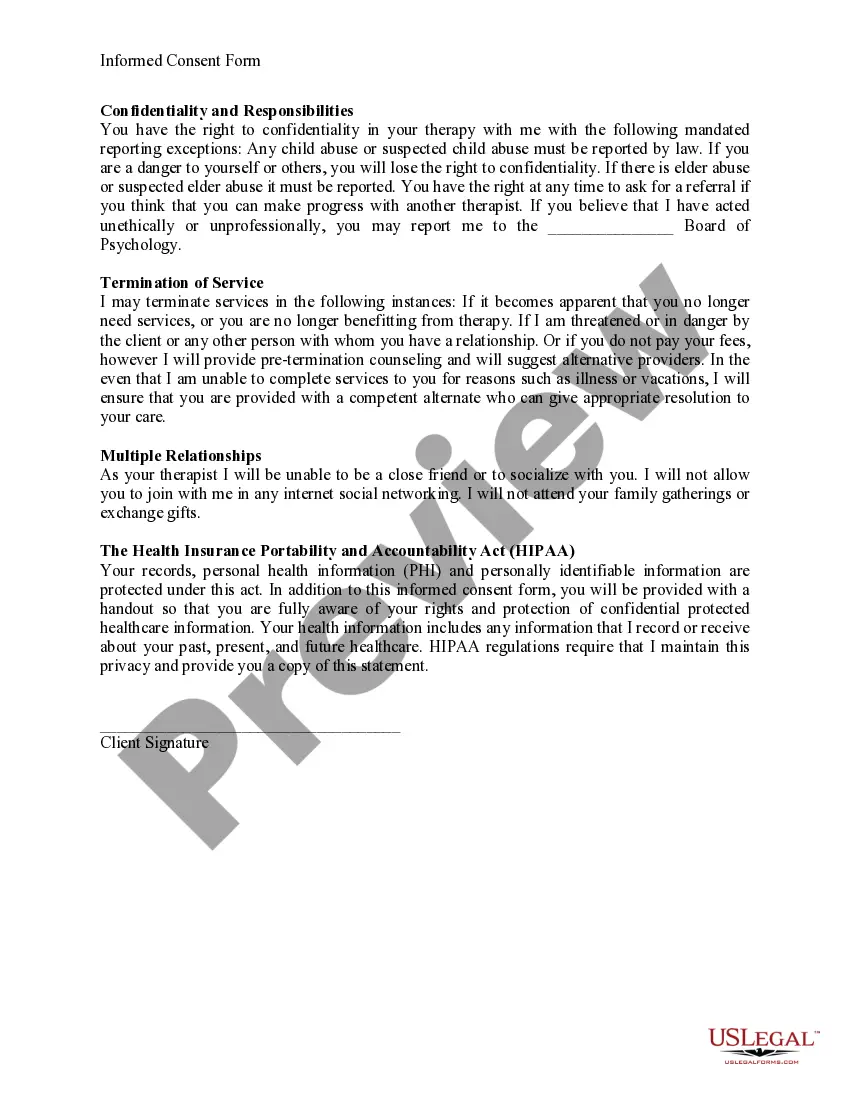
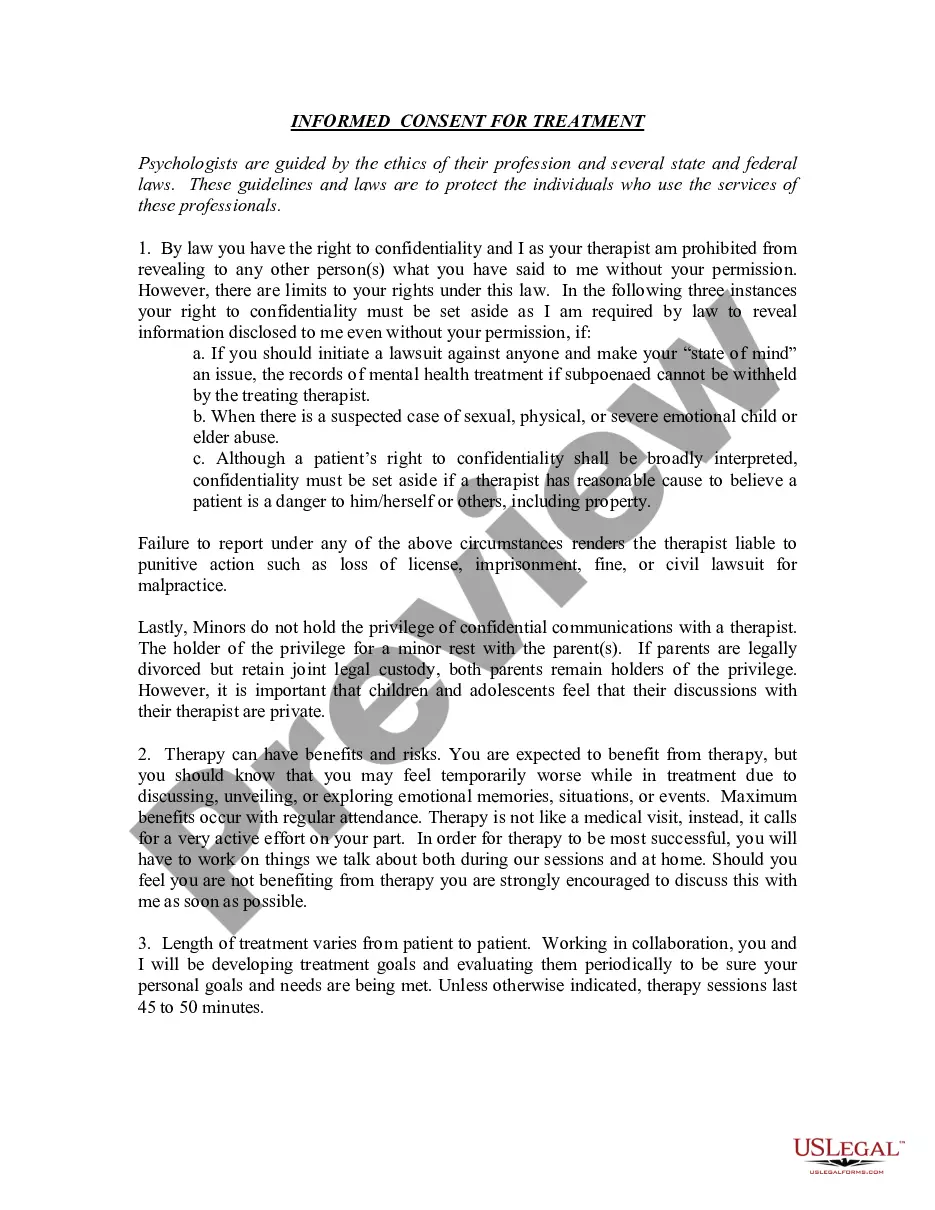
Yes, confidentiality is a cornerstone of counseling. Your information is kept private, but there are some exceptions, like if there's a risk of harm to yourself or others.
If you decide not to give consent, the counselor cannot proceed with the services. It's all about keeping you in the driver's seat.
Absolutely! You have the right to change your mind at any point during the counseling process, just like you can change your course of action in any situation.
Typically, adults can provide their own consent. However, if someone is a minor, a parent or guardian usually has to step in to give consent.
It’s crucial because it helps clients make informed decisions about their treatment, ensuring they know exactly what they’re getting into and feel comfortable moving forward.
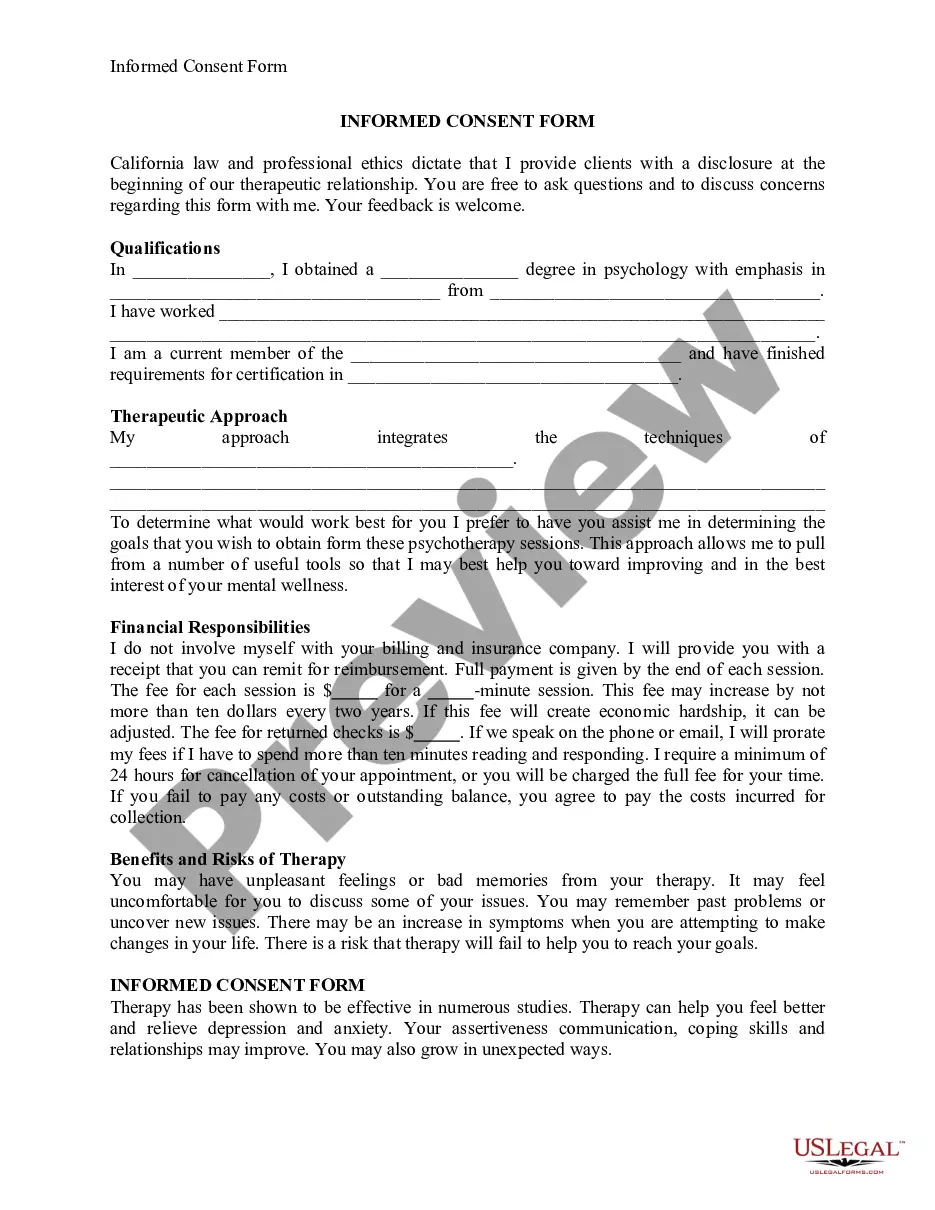
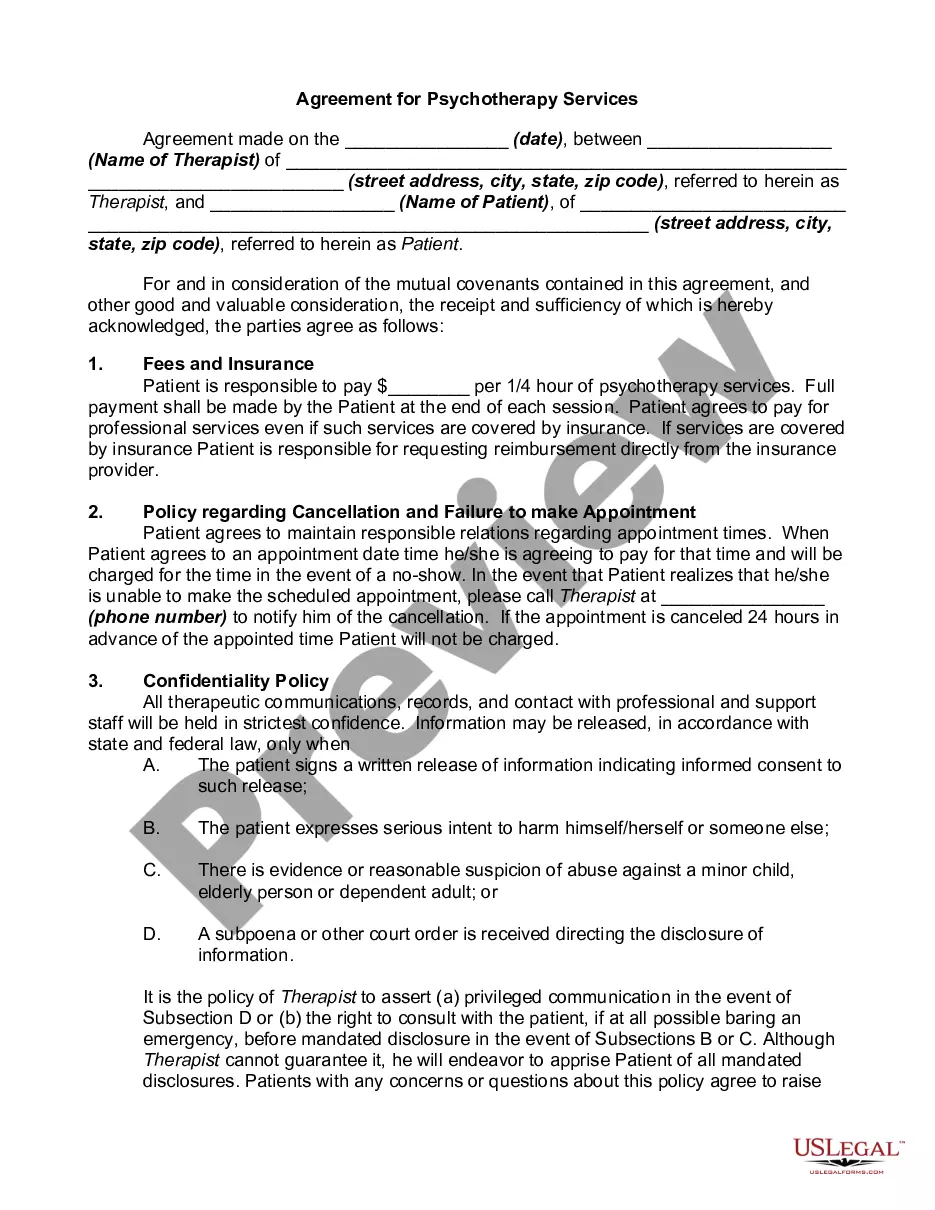
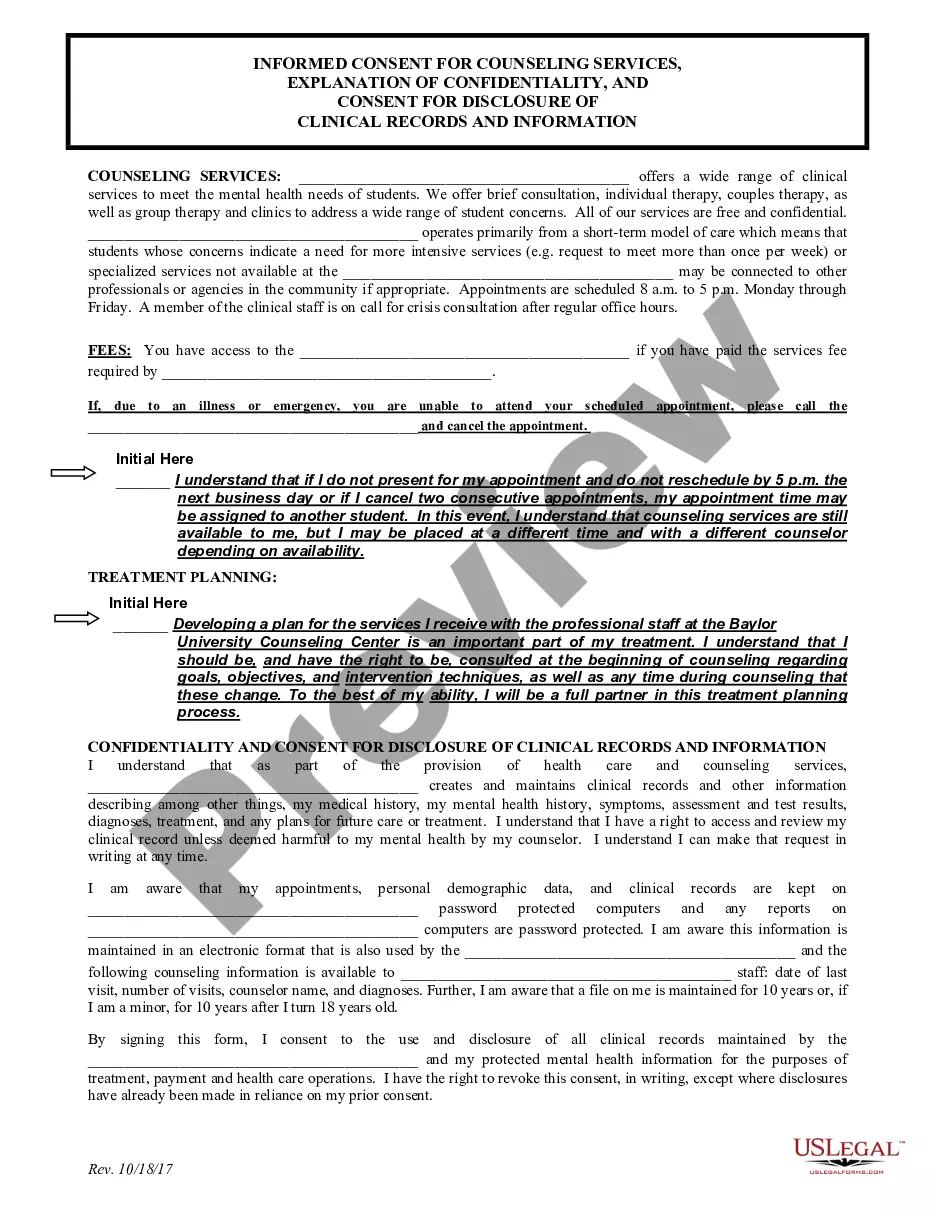
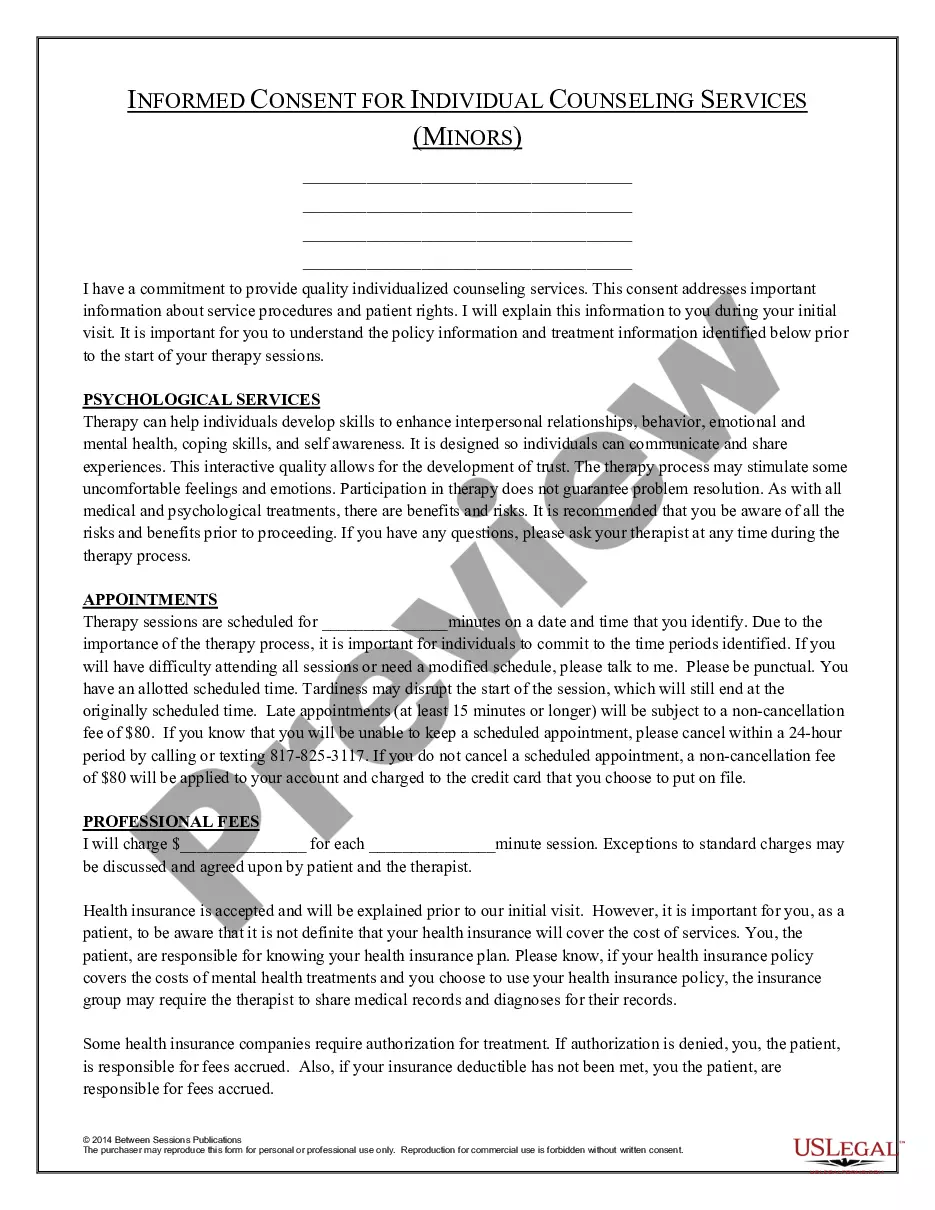
Informed consent is a process where a counselor explains the services, benefits, risks, and limits of confidentiality to a client, ensuring they understand what to expect.