Yes, there typically is a deadline, which can vary based on the type of case. You’ll want to check the local rules or consult with a lawyer to make sure you don't miss the bus!
If your motion is denied, don't throw in the towel just yet! You can still go to trial and present your case. It's not the end of the road, just a detour.
Yes, you can file one on your own, but it's often a good idea to have a lawyer help you navigate the legal waters. After all, having a guide can make the journey smoother.
It usually depends on the court's schedule, but many times, you can expect a decision in a few weeks to a couple of months. It's like waiting for your bread to rise—it can take a bit, but it will get there!
You'll need solid evidence, like documents, affidavits, or depositions, that proves your point. Think of it like bringing a heavy suitcase full of proof to back up your claims.
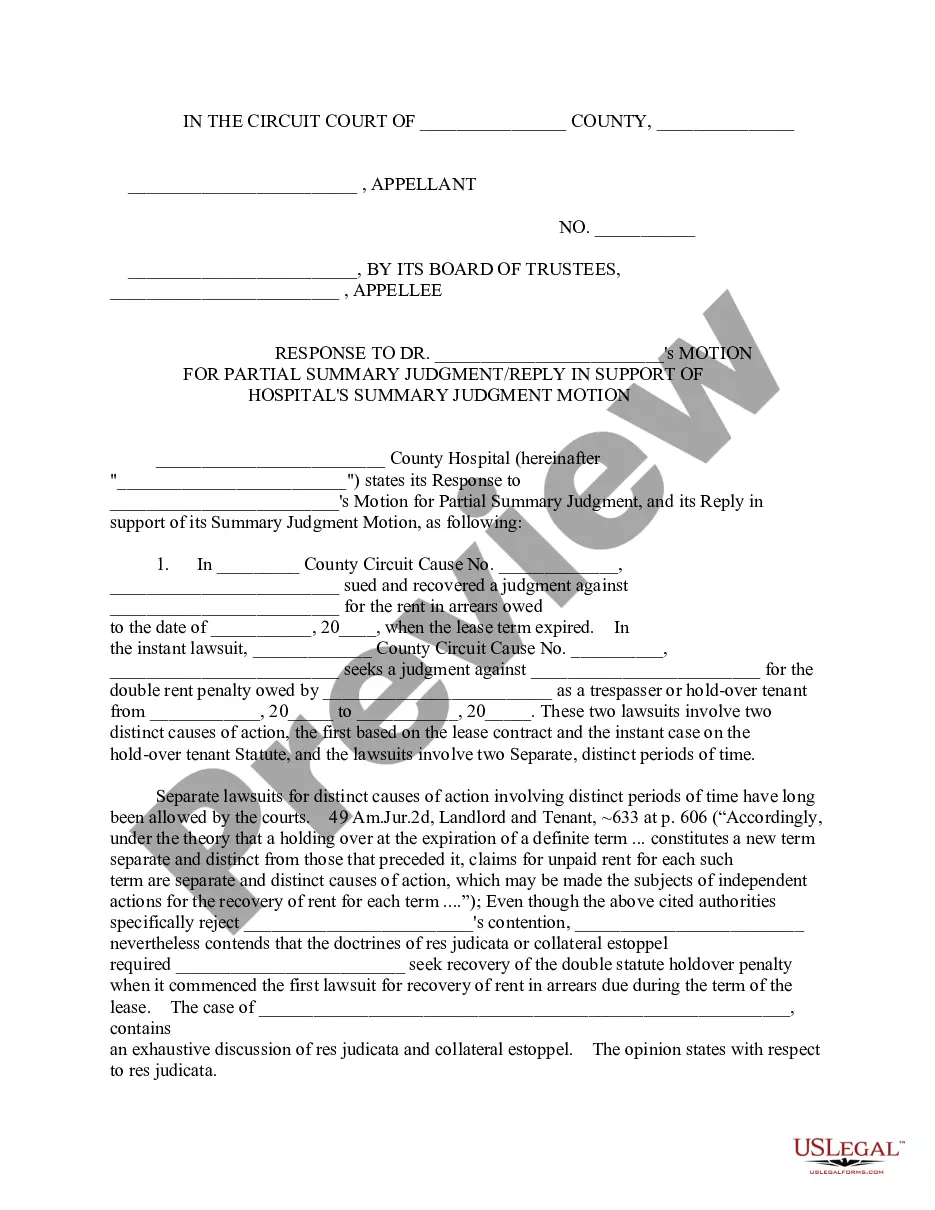
You should consider filing one when there are no genuine disputes about the important facts of your case. Basically, if you think the other side doesn’t have enough evidence to win, it's time to raise the flag.
A motion for summary judgment is a request to the court to decide a case or a part of a case without going to trial. It's like asking the judge to cut to the chase because there's no need for more back-and-forth.
Trusted and secure by over 3 million people of the world’s leading companies