Mecklenburg North Carolina General Nondisclosure Agreement
Description
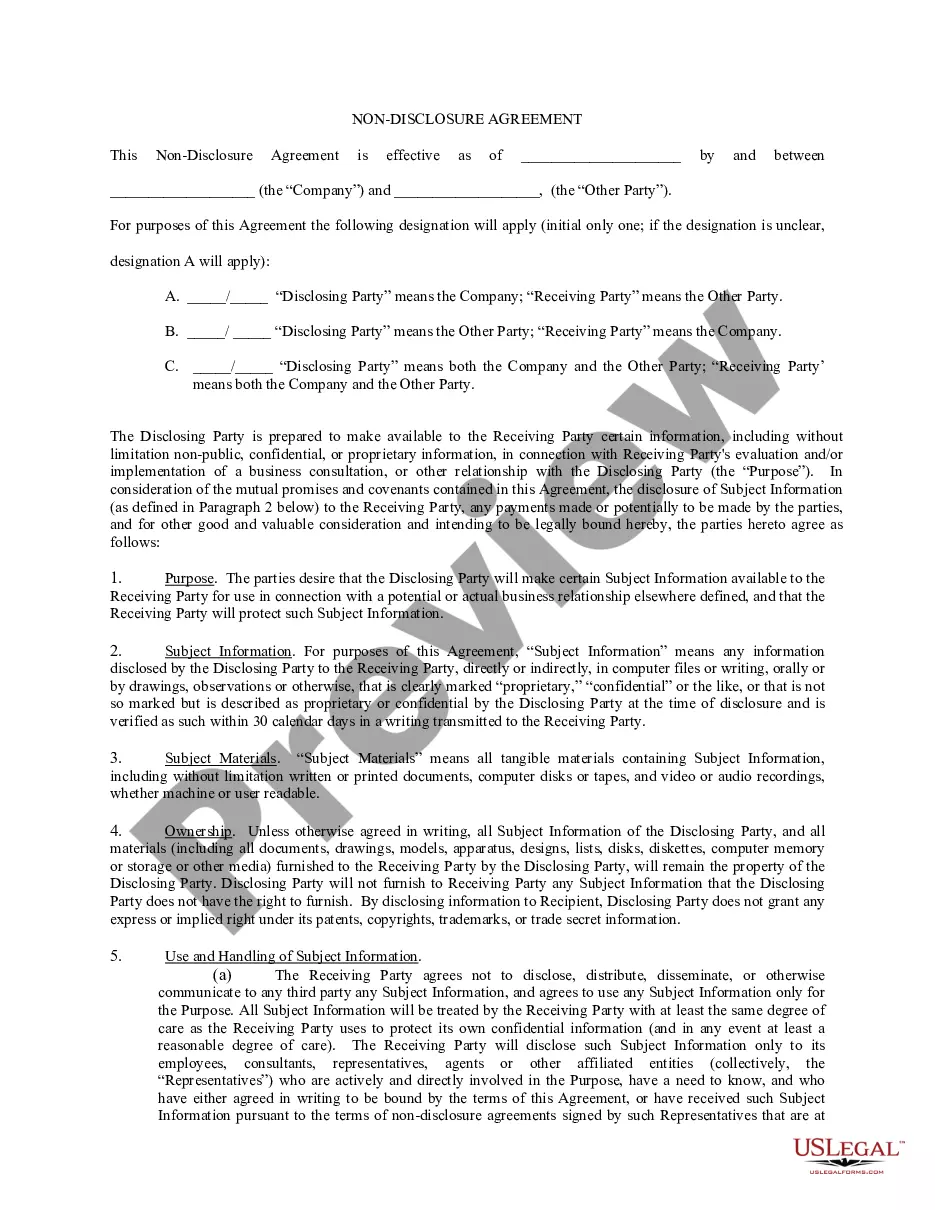
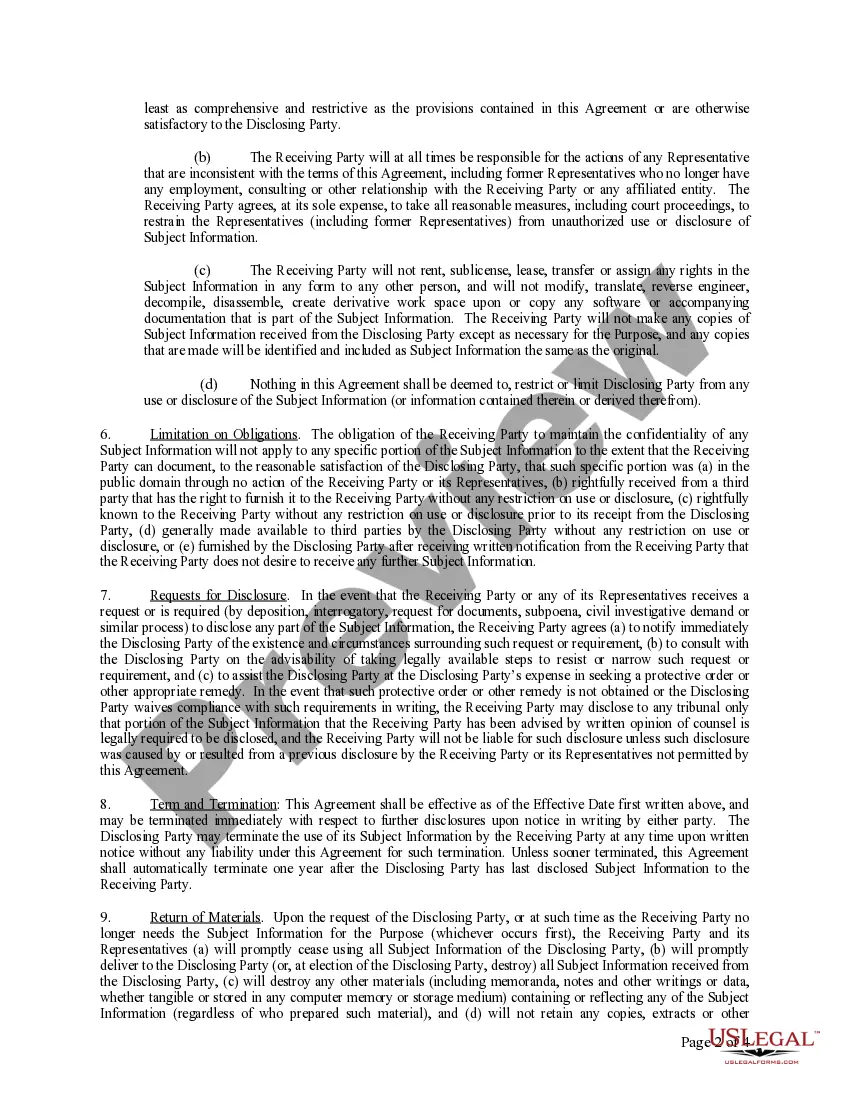
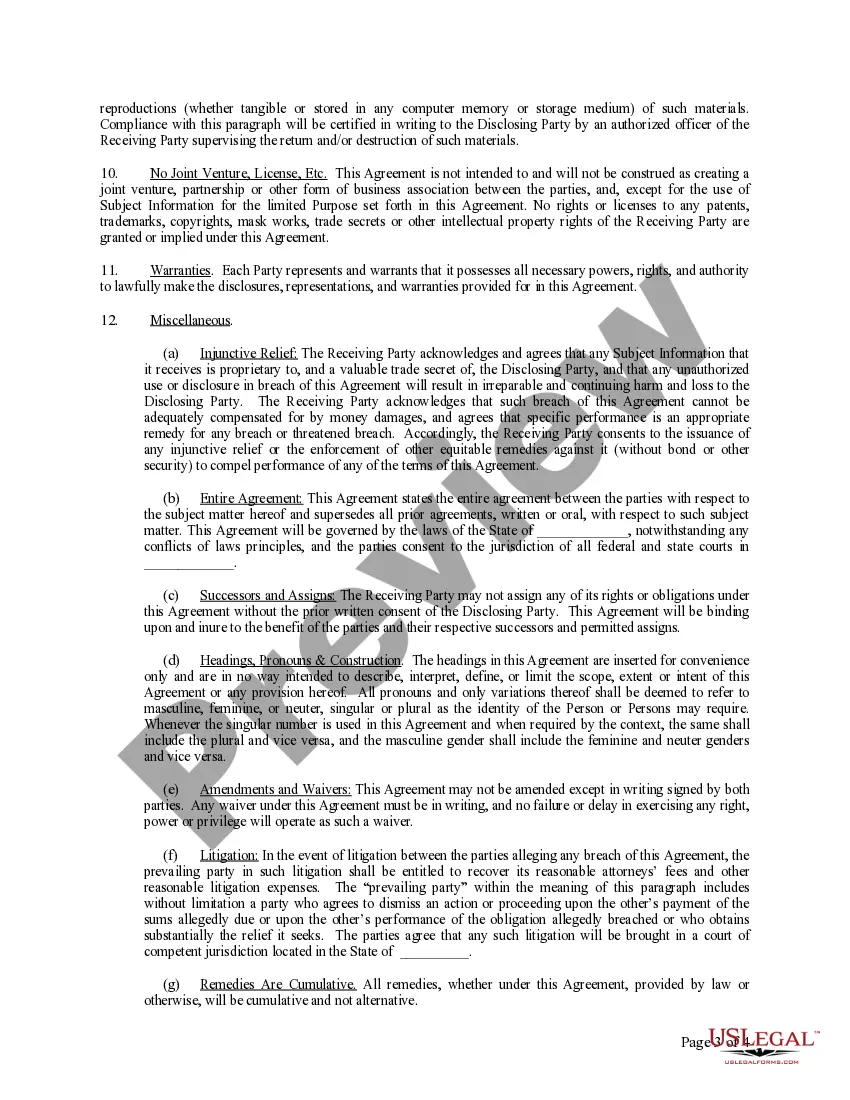
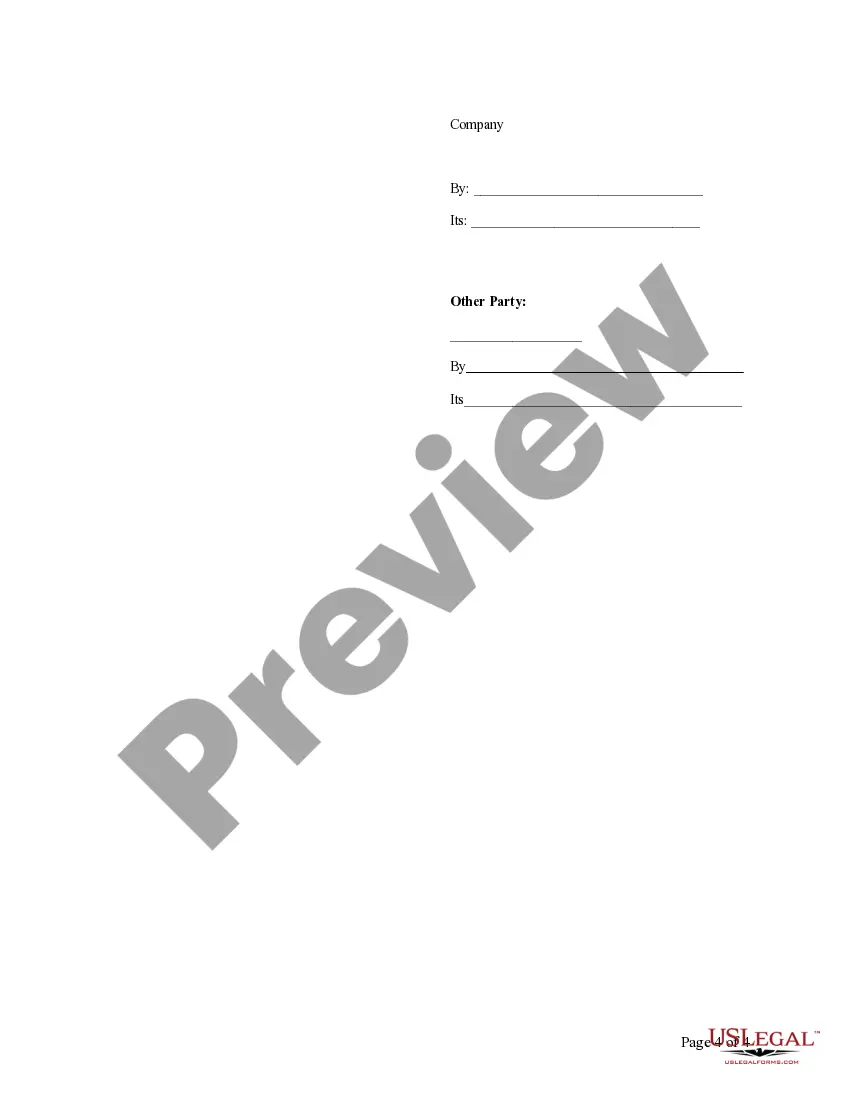
Get your form ready online
Our built-in tools help you complete, sign, share, and store your documents in one place.
Make edits, fill in missing information, and update formatting in US Legal Forms—just like you would in MS Word.
Download a copy, print it, send it by email, or mail it via USPS—whatever works best for your next step.
Sign and collect signatures with our SignNow integration. Send to multiple recipients, set reminders, and more. Go Premium to unlock E-Sign.
If this form requires notarization, complete it online through a secure video call—no need to meet a notary in person or wait for an appointment.
We protect your documents and personal data by following strict security and privacy standards.

Make edits, fill in missing information, and update formatting in US Legal Forms—just like you would in MS Word.

Download a copy, print it, send it by email, or mail it via USPS—whatever works best for your next step.

Sign and collect signatures with our SignNow integration. Send to multiple recipients, set reminders, and more. Go Premium to unlock E-Sign.

If this form requires notarization, complete it online through a secure video call—no need to meet a notary in person or wait for an appointment.

We protect your documents and personal data by following strict security and privacy standards.
Looking for another form?
How to fill out General Nondisclosure Agreement?
Drafting documents, such as the Mecklenburg General Nondisclosure Agreement, to manage your legal issues is a difficult and time-intensive task.
Numerous circumstances necessitate the engagement of a lawyer, which also renders this endeavor quite expensive.
However, you can take control of your legal matters and handle them by yourself.
The process of onboarding new users is quite easy! Here’s what you should do before obtaining the Mecklenburg General Nondisclosure Agreement: Ensure that your template aligns with your state/county, as the laws for preparing legal documents can vary from one state to another. Learn more about the form by previewing it or reviewing a brief summary. If the Mecklenburg General Nondisclosure Agreement isn’t what you were searching for, utilize the search bar in the header to find an alternative. Log In or create an account to begin using our site and download the document. Everything in your view looks good? Press the Buy now button and select the subscription option. Choose your payment method and input your payment information. Your document is ready to go. You can attempt to download it. Finding and purchasing the required template with US Legal Forms is simple. Thousands of companies and individuals are already gaining from our expansive collection. Subscribe today to discover what other benefits you can enjoy with US Legal Forms!
- US Legal Forms is here to assist you.
- Our platform offers more than 85,000 legal templates designed for various situations and life events.
- We make certain that each document adheres to the laws of every state, eliminating your concerns about potential legal complications related to compliance.
- If you're already acquainted with our offerings and hold a subscription with US Legal, you understand how straightforward it is to access the Mecklenburg General Nondisclosure Agreement template.
- Feel free to Log In to your account, download the template, and modify it to suit your needs.
- Lost your file? No worries. You can retrieve it in the My documents section of your account - available on both desktop and mobile.
Form popularity
FAQ
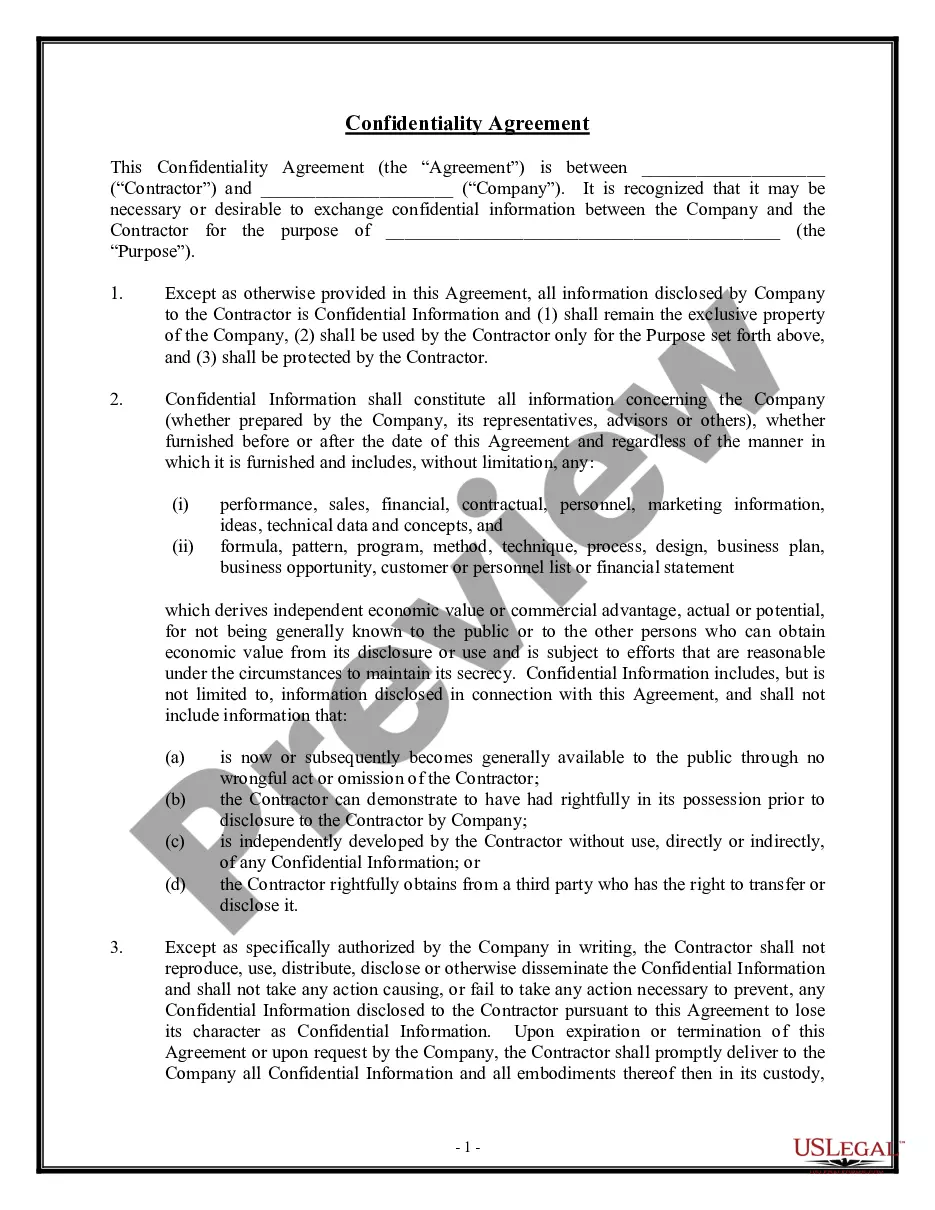
NDAs, or non-disclosure agreements, are legally enforceable contracts that create a confidential relationship between a person who has sensitive information and a person who will gain access to that information. A confidential relationship means one or both parties has a duty not to share that information.
How to Write a Non-Disclosure Agreement Step 1 - Describe the scope. Which information is considered confidential?Step 2 - Detail party obligations. What should the party that receives the information do to keep it confidential?Step 3 - Note potential exclusions.Step 4 - Set the term.Step 5 - Spell out consequences.
The key elements of Non-Disclosure Agreements: Identification of the parties. Definition of what is deemed to be confidential. The scope of the confidentiality obligation by the receiving party.
Violating an NDA can have serious consequences NDAs are legally binding contracts. If an employee has violated an NDA, then the company may take legal action. The most common claims in NDA lawsuits include: Breach of the contract (such as the breach of NDA)
How To Write a Non-Disclosure Agreement on Your Own. If you don't want to waste money on a lawyer, you could try to write an NDA yourself. Bear in mind that such an endeavor is super challenging as the contract includes many important clauses that shouldn't be overlooked: Disclosing and Receiving Parties.
10 Clauses Clause #1: Definition of Confidential Information. Clause #2: The Parties. Clause #3: The Terms and Duration. Clause #4: The Permitted Use of the Information. Clause #5: The Legal Obligation to Disclose. Clause #6: The Return of the Information. Clause #7: The Jurisdiction. Clause #8: The Remedies.
Term of agreement and survival of nondisclosure obligations Survival periods of one to five years are typical. The term often depends on the type of information involved and how quickly the information changes.
According to ContractsCounsel's marketplace data the average non-disclosure agreement review costs are $285 across all states and industries.
Violating an NDA leaves you open to lawsuits from your employer, and you could be required to pay financial damages and possibly associated legal costs. It's illegal to reveal trade secrets or sensitive company information to a competitor.
The key elements of Non-Disclosure Agreements: Identification of the parties. Definition of what is deemed to be confidential. The scope of the confidentiality obligation by the receiving party. The exclusions from confidential treatment. The term of the agreement.