Ignoring it won't make it go away. It's important to understand that this letter is a serious matter. Ignoring it can lead to missed opportunities for recovery and support.
You can start by reaching out to local health services or community organizations. They might just point you in the right direction. Don’t hesitate to ask around.
It could, but it doesn’t have to. Some places might be cautious, while others are willing to give you a fresh start. Keep your chin up and keep searching for help.
Yes, you often have the right to appeal. You can gather your thoughts and document your reasons why you believe the termination is unfair. It's worth fighting for your treatment.
It's best to take a deep breath and think it through. You could reach out to the provider for clarity, ask for another chance, or look for other support options. There’s no harm in seeking help elsewhere.
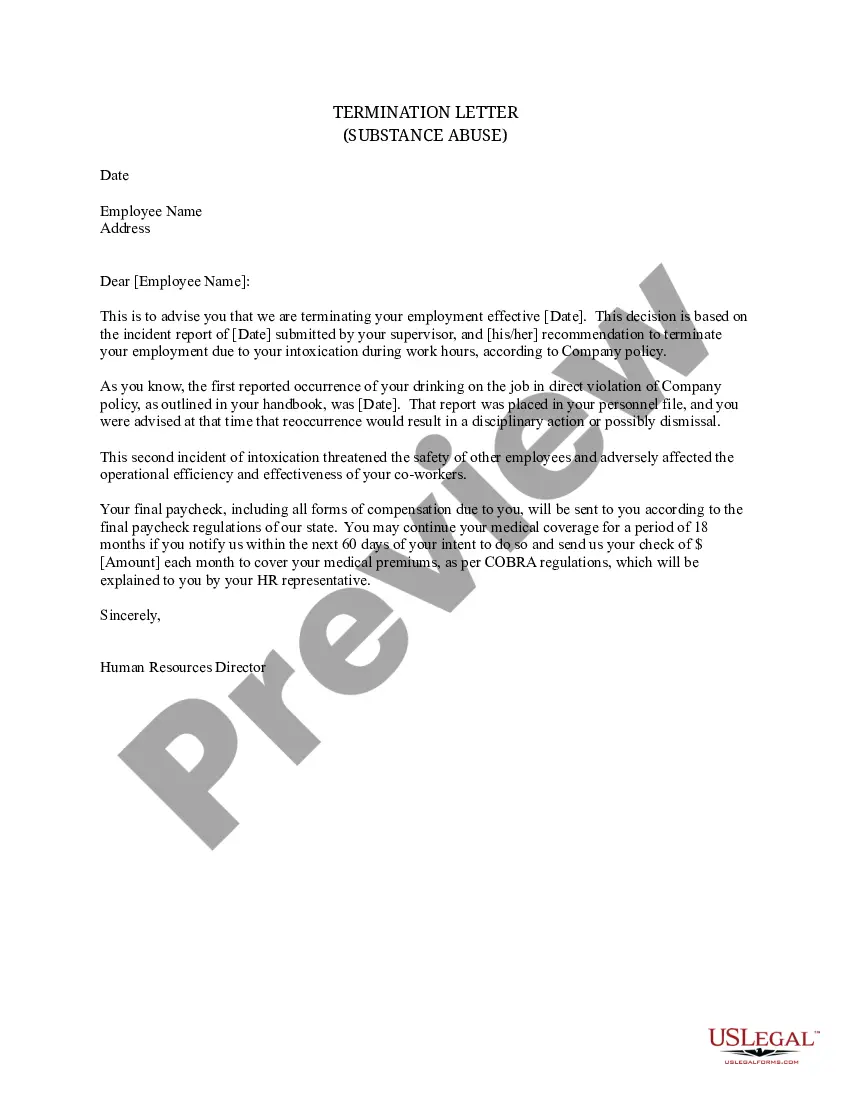
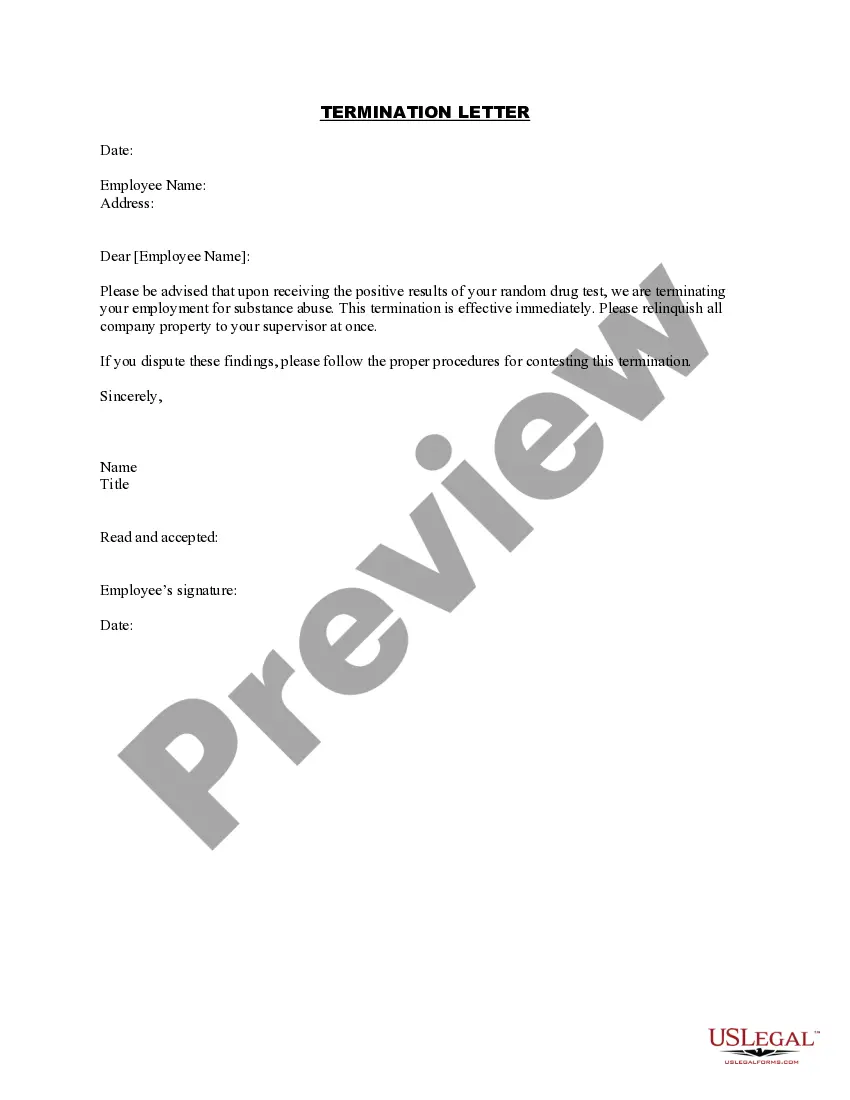
There are a few reasons someone might get a Termination Letter, such as not following the treatment guidelines, repeated relapses, or not showing up for appointments. Basically, it's a way to say things aren't working out.
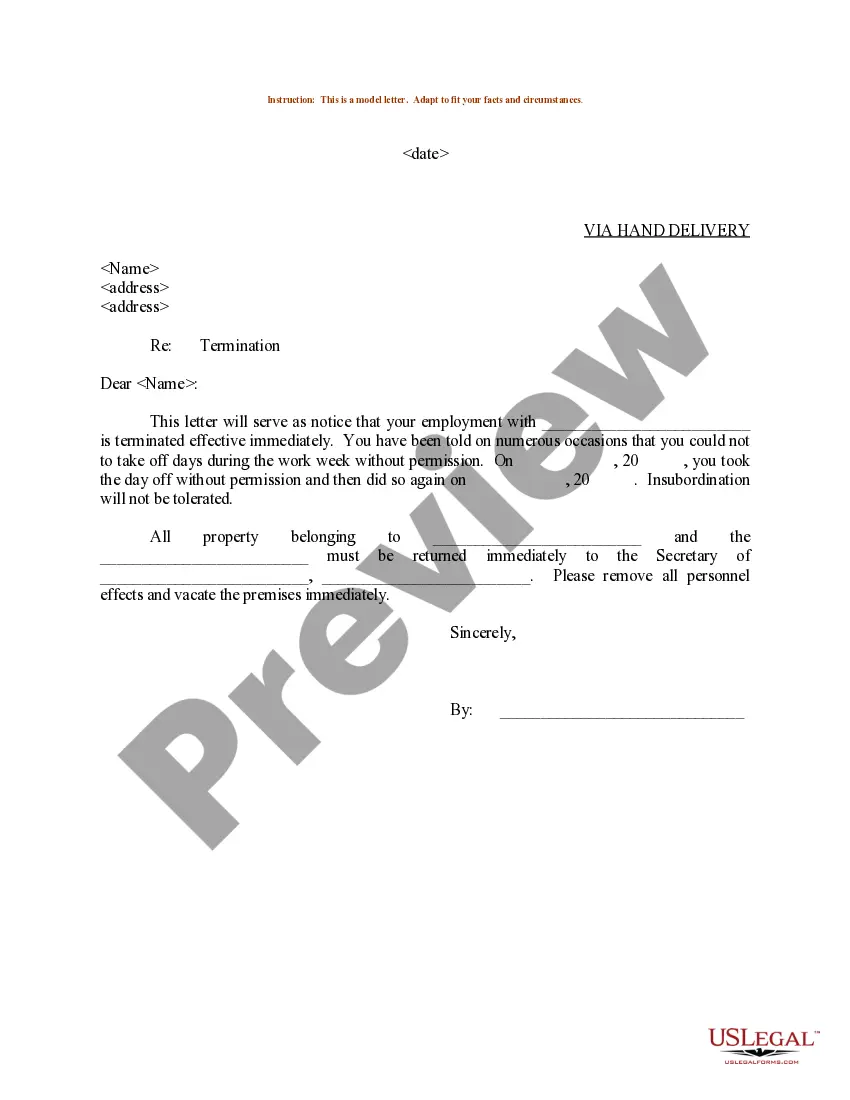
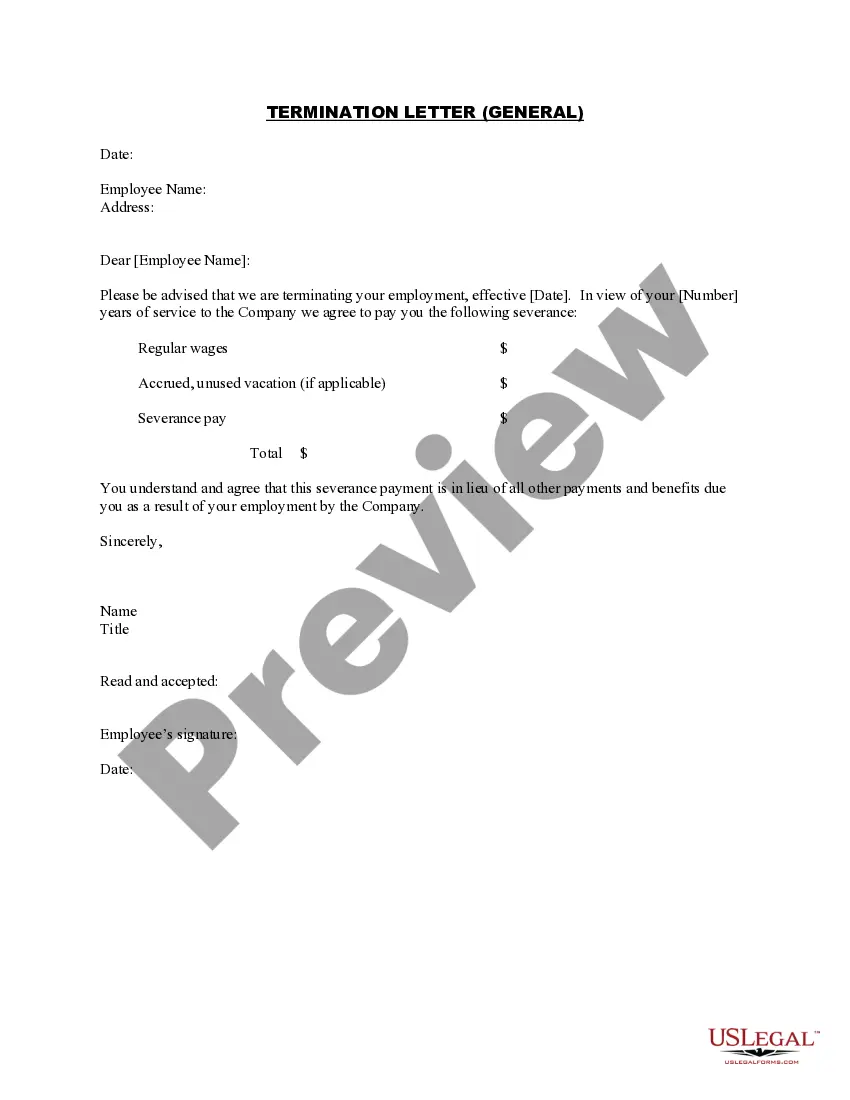
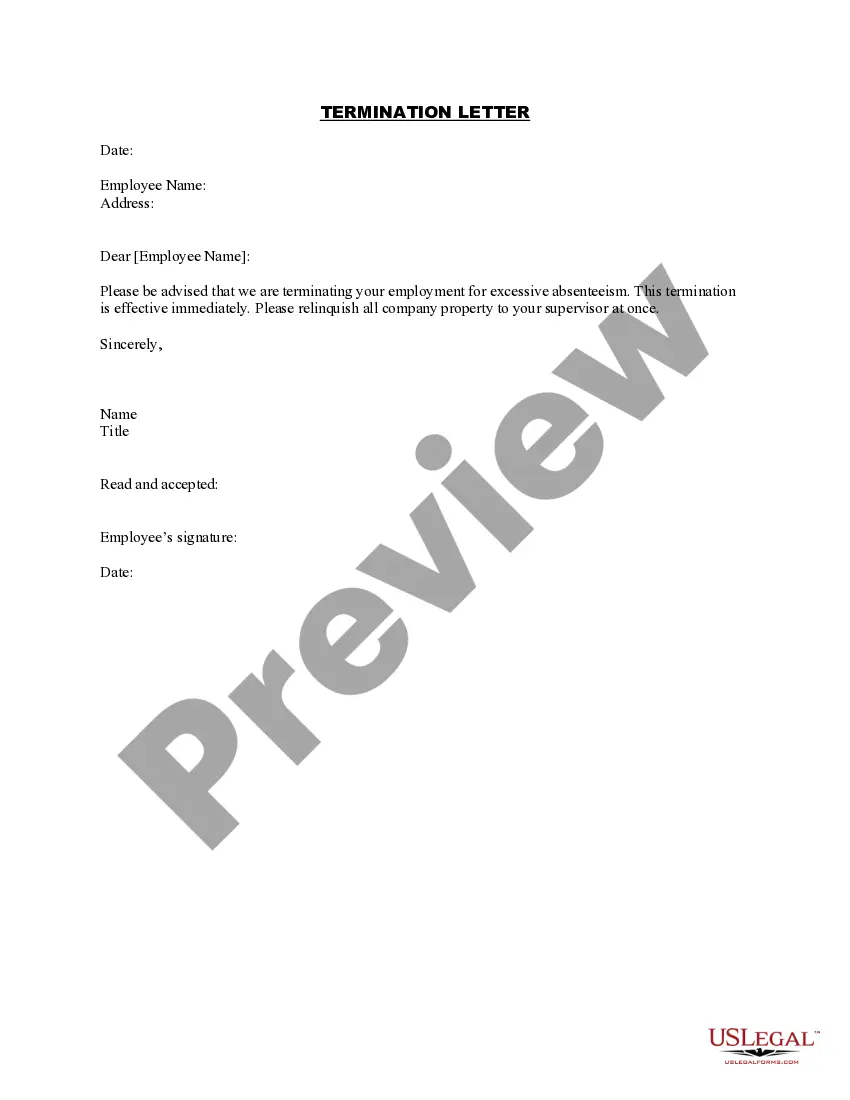
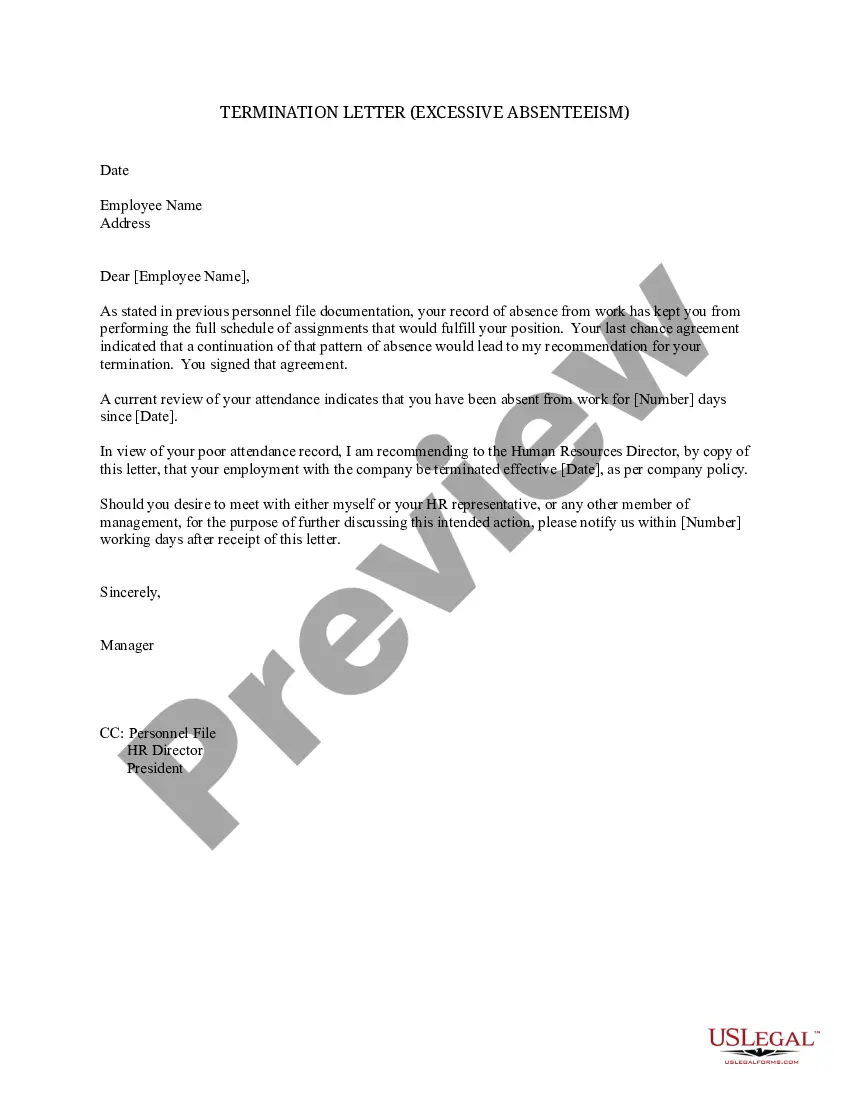
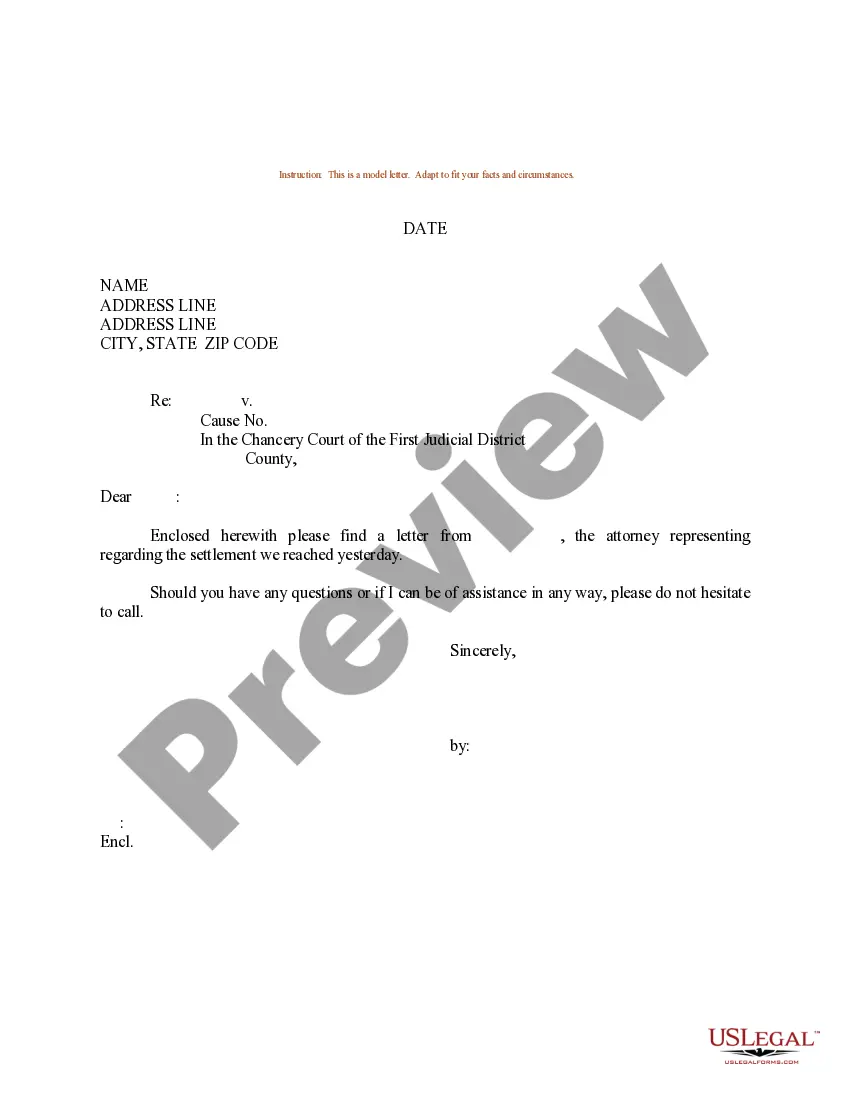
A Termination Letter is a formal notice that ends a relationship, like a treatment program or a service, due to the individual's substance abuse issues. It's a way to say goodbye to that support structure.