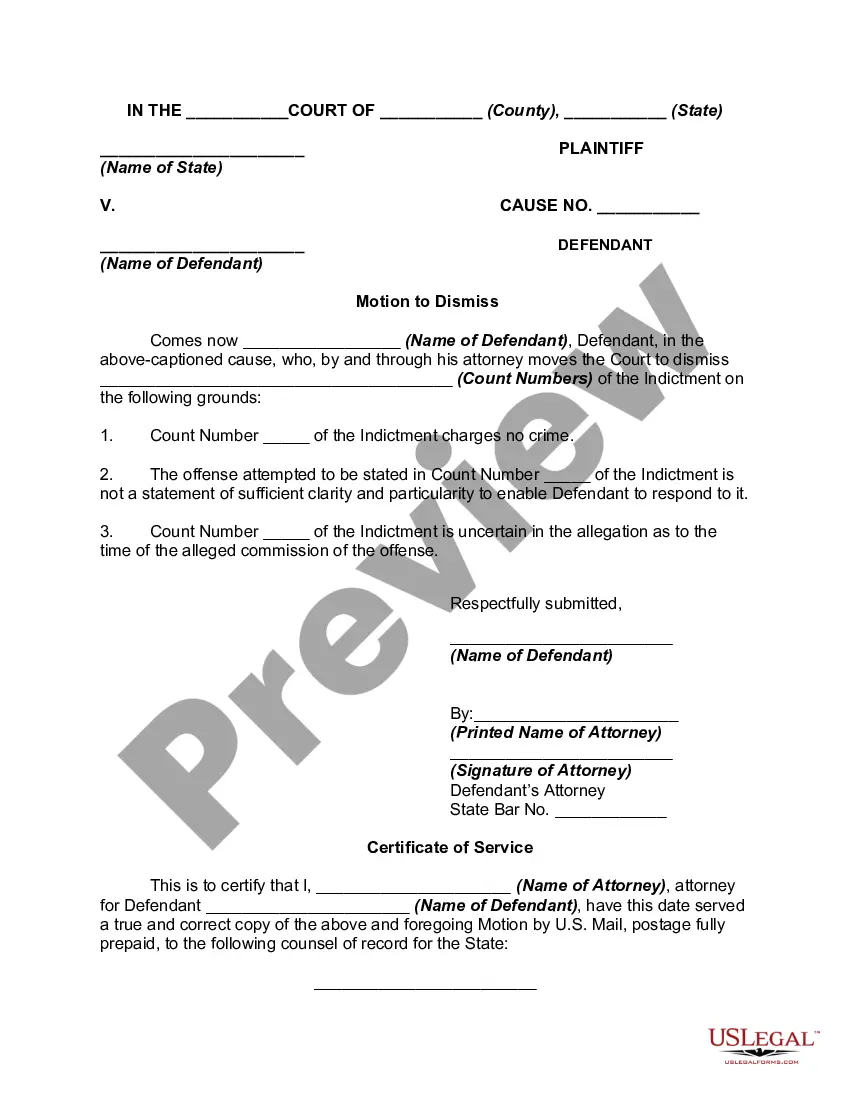
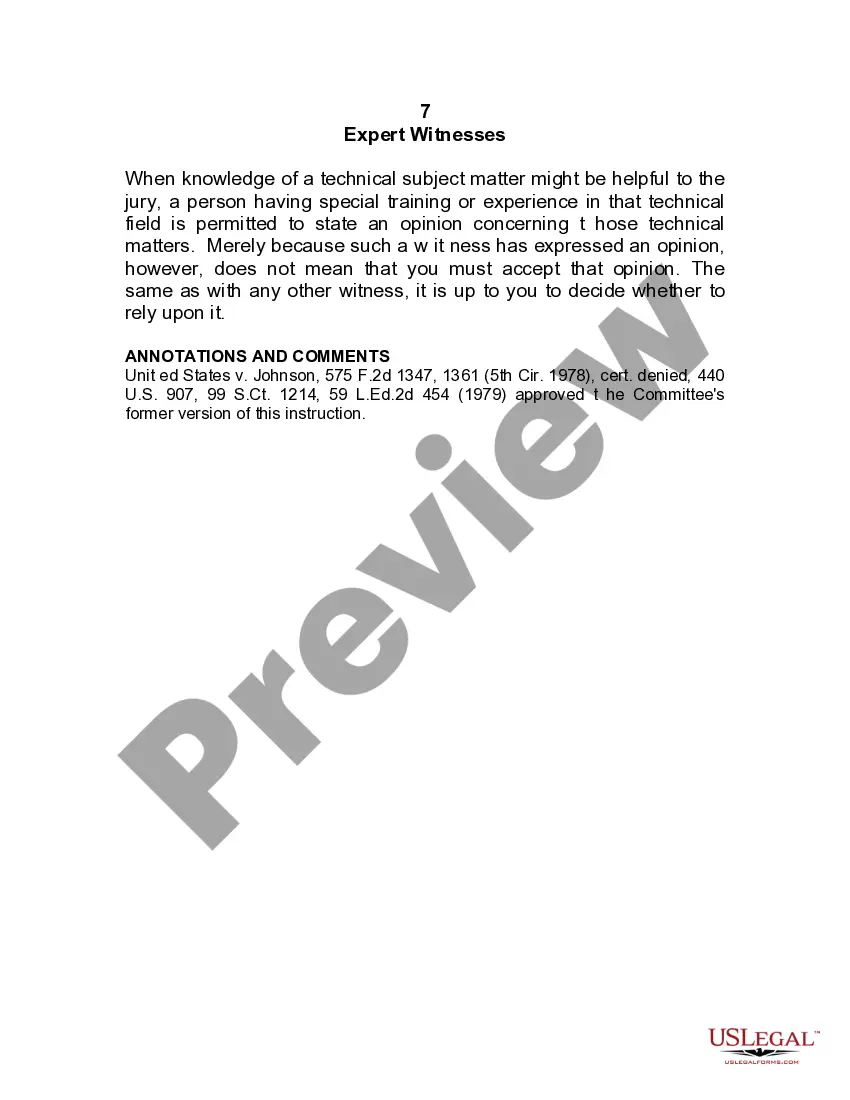
Suffolk New York Jury Instruction - Expert Witnesses
Description
Get your form ready online
Our built-in tools help you complete, sign, share, and store your documents in one place.
Make edits, fill in missing information, and update formatting in US Legal Forms—just like you would in MS Word.
Download a copy, print it, send it by email, or mail it via USPS—whatever works best for your next step.
Sign and collect signatures with our SignNow integration. Send to multiple recipients, set reminders, and more. Go Premium to unlock E-Sign.
If this form requires notarization, complete it online through a secure video call—no need to meet a notary in person or wait for an appointment.
We protect your documents and personal data by following strict security and privacy standards.

Make edits, fill in missing information, and update formatting in US Legal Forms—just like you would in MS Word.

Download a copy, print it, send it by email, or mail it via USPS—whatever works best for your next step.

Sign and collect signatures with our SignNow integration. Send to multiple recipients, set reminders, and more. Go Premium to unlock E-Sign.

If this form requires notarization, complete it online through a secure video call—no need to meet a notary in person or wait for an appointment.

We protect your documents and personal data by following strict security and privacy standards.
Looking for another form?

How to fill out Jury Instruction - Expert Witnesses?
Creating documentation for personal or business requirements is always a significant obligation.
When preparing a contract, a public service application, or a power of attorney, it is crucial to consider all federal and state regulations of the specific locality.
Nevertheless, minor counties and even towns also have legislative processes that you must keep in mind.
Check that the template meets legal requirements and click Buy Now. Select the subscription plan, then Log In or register for an account with US Legal Forms. Use your credit card or PayPal account to pay for your subscription. Download the selected document in the desired format, print it, or fill it out electronically. The amazing aspect of the US Legal Forms library is that all the documents you have ever bought remain accessible - you can find them in your profile under the My documents tab at any time. Join the platform and quickly access verified legal templates for any circumstance with just a few clicks!
- All these factors make it daunting and time-consuming to create Suffolk Jury Instruction - Expert Witnesses without professional assistance.
- It is possible to prevent overspending on attorneys preparing your paperwork and generate a legally binding Suffolk Jury Instruction - Expert Witnesses independently, using the US Legal Forms online library.
- It is the largest online repository of state-specific legal templates that are professionally validated, ensuring their authenticity when selecting a sample for your county.
- Former subscribers only need to Log In to their accounts to retrieve the required form.
- If you have not yet subscribed, follow the step-by-step instructions below to acquire the Suffolk Jury Instruction - Expert Witnesses.
- Browse the page you've accessed and see if it contains the document you seek.
- To do this, utilize the form description and preview if these features are available.
Form popularity
FAQ
The standards for jury instructions typically require clarity, neutrality, and relevance to the case. Instructions should guide jurors without leading them towards a particular conclusion. Familiarizing yourself with these standards is vital when dealing with Suffolk New York Jury Instruction - Expert Witnesses.
Expert Witness Testimony An expert witness, or an opinion witness, is a person with specialized skill sets whose opinion may help a jury make sense of the factual evidence of a case. Expert witnesses testify as to their opinion about certain facts or events.
If you are confronted with an expert who will testify against you, your attorney should first consider filing a Daubert motion. A Daubert motion is a request for a judicial hearing for the purpose of challenging or questioning an anticipated expert witness and his or her intended testimony.
Witnesses who are qualified by "knowledge, skill, experience, training, or education" and may testify in the form of an opinion in their are of expertise. What has been the central issue with experts? A central issue of such has been determine the reliability of such a witness's "scientific" expertise.
Knowledge is the primary reason experts are called to testify; their expertise is supposed to be beyond question and ensures that their testimony informs the jurors. The domain of knowledge coalesces educational credentials, publications, and experience, each of which make an expert look great on paper.
Accuracy and Credibility Many jurors base credibility of an expert witness' testimony on whether he or she is believable, has good credentials based on what the individual juror knows and whether each person likes him or her. This is the trust that these jurors potentially place in the person.
An opinion stated during a trial or deposition (testimony under oath before trial) by an expert witness on a subject relevant to a lawsuit or a criminal case. The subject will usually be technical or scientific, such as ballistics, forensics, or medical.
Expert testimony, in contrast, is only permissible if a witness is qualified as an expert by knowledge, skill, experience, training, or education and the proffered testimony meets four requirements: (1) the expert's scientific, technical, or other specialized knowledge will help the trier of fact to understand the
Jurors cannot evaluate the scientific merits of such testimony. They have no alternative but to judge the testimony of expert witnesses based on the personal credibility of the witness. Positive factors such as academic degrees, specialty board certification, and publications influence credibility.
12 Tips to Prepare Your Expert Witness for Trial Give The Expert Enough Time to Prepare.The Expert Needs to Know the Facts of The Case.Identify Experts Within the Jury.Avoid Jury Biases.Show That They Are Still Active and Learning.Speak Slowly, Loudly, and Smile.Use the Most Effective Communication Methods.