If one party doesn't stick to the terms laid out in the agreement, the other party may have the right to take legal action to enforce the agreement or seek damages.
Yes, but both parties need to agree to the changes and it’s best to document any modifications in writing to keep things above board.
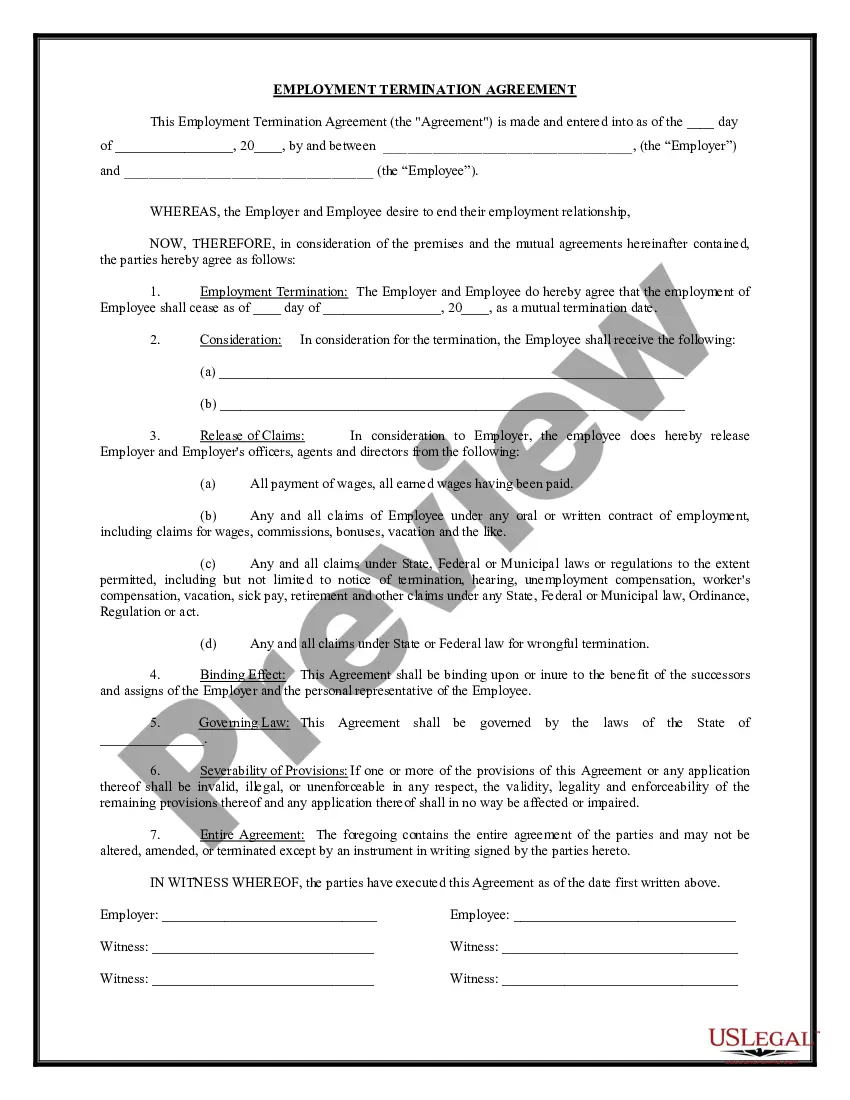
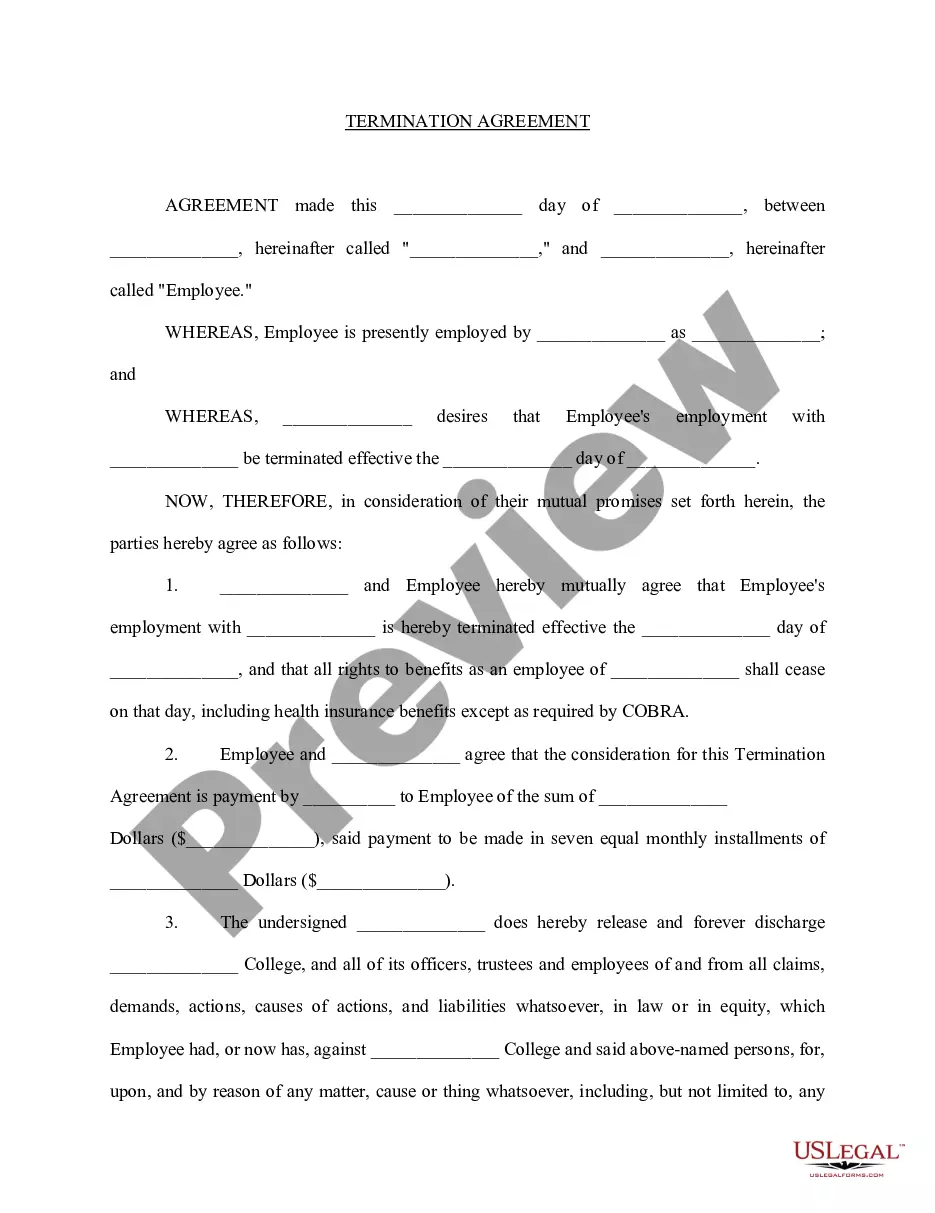
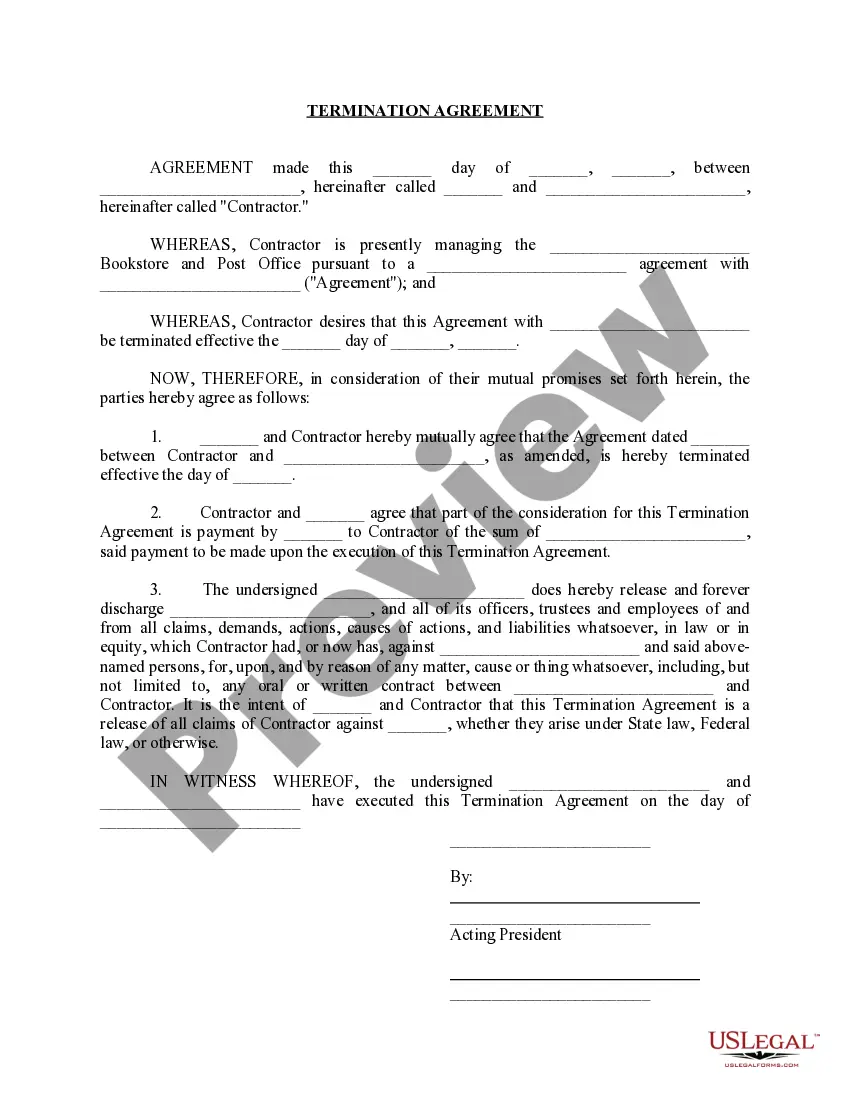
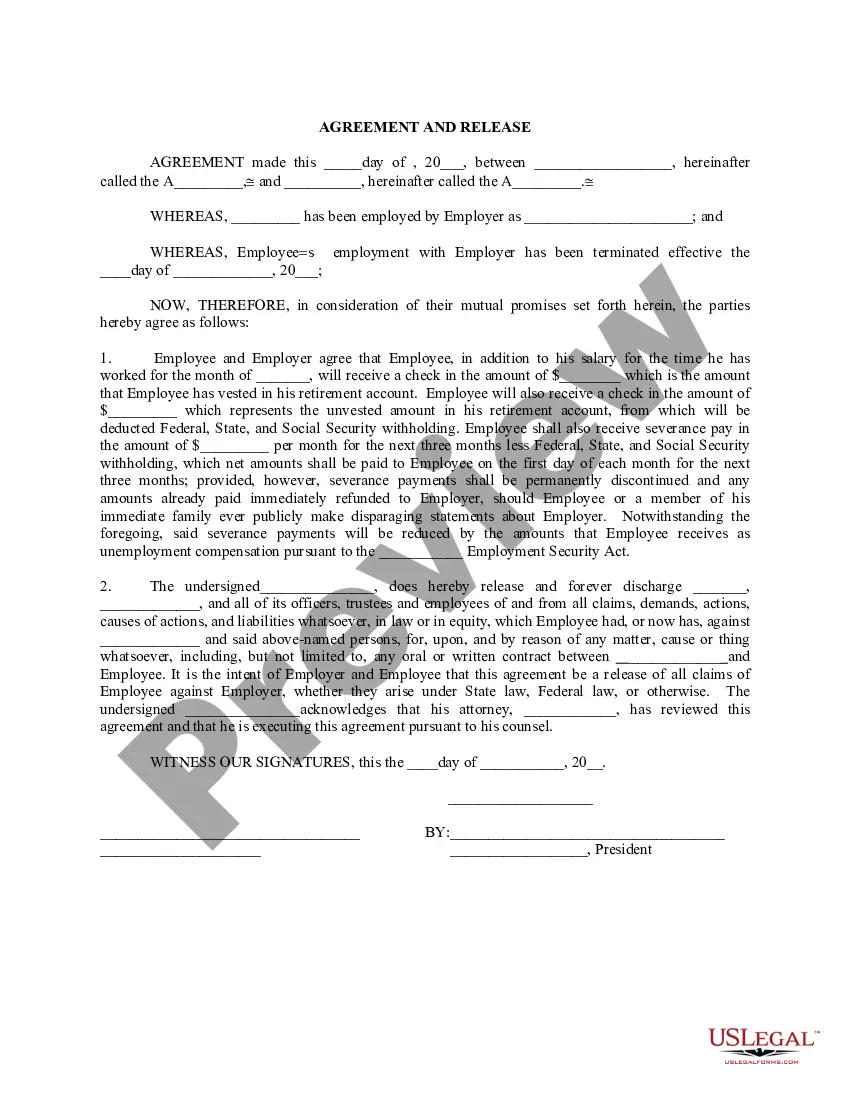
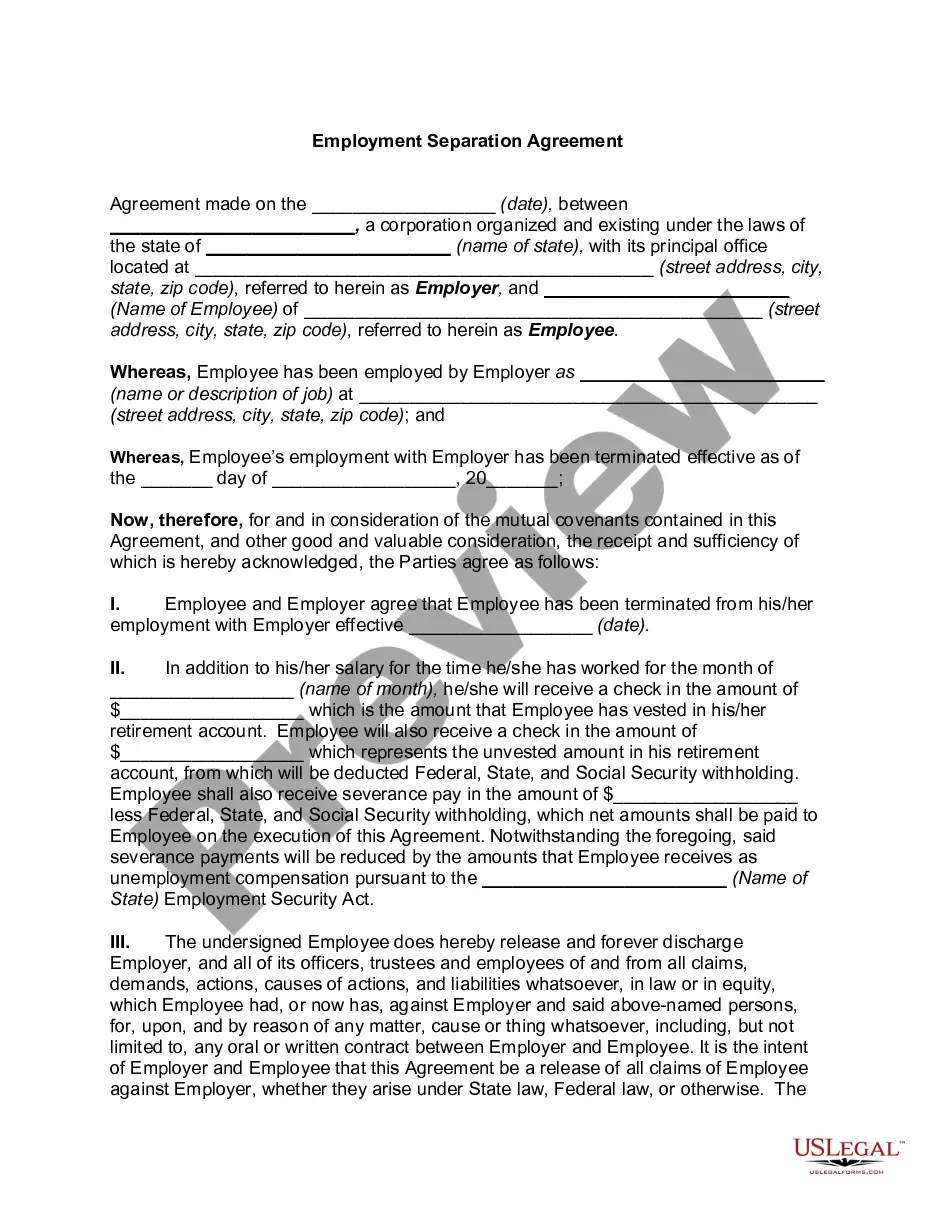
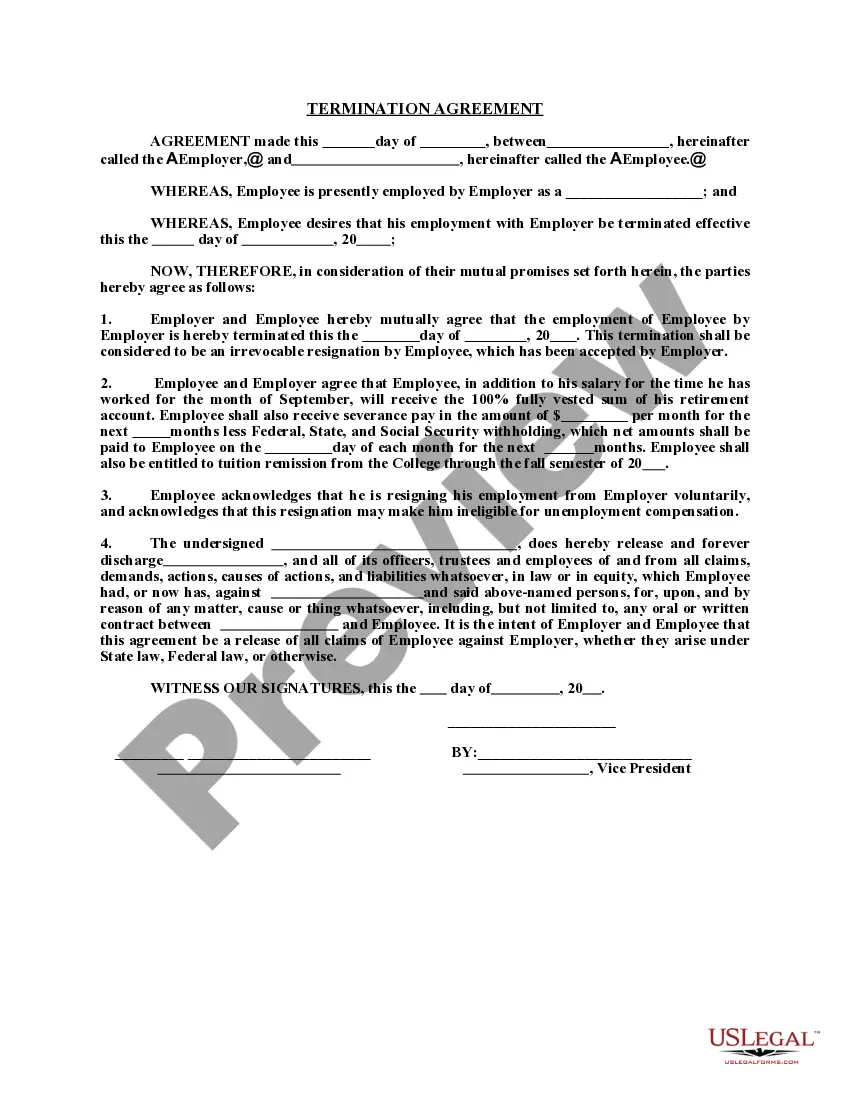
A termination agreement provides a clear record of the agreement, which can help prevent future disputes and ensure that everyone understands their rights and obligations.
While it's not a must, having a lawyer is often a good idea to make sure all the legal I’s are dotted and T’s crossed, especially if the situation is complicated.
Usually, it includes the parties involved, the reason for termination, any responsibilities left unpaid, and how any remaining assets will be divided.
You might want to use a termination agreement when you're looking to end a contract but want to make sure everything is handled smoothly and fairly, avoiding any misunderstandings.
To enforce it, both parties must adhere to the terms outlined in the agreement. If push comes to shove, it might be necessary to take legal steps to ensure compliance.