Suffolk New York Irrevocable Trust for Lifetime Benefit of Trustor with Power of Invasion in Trustor
Description
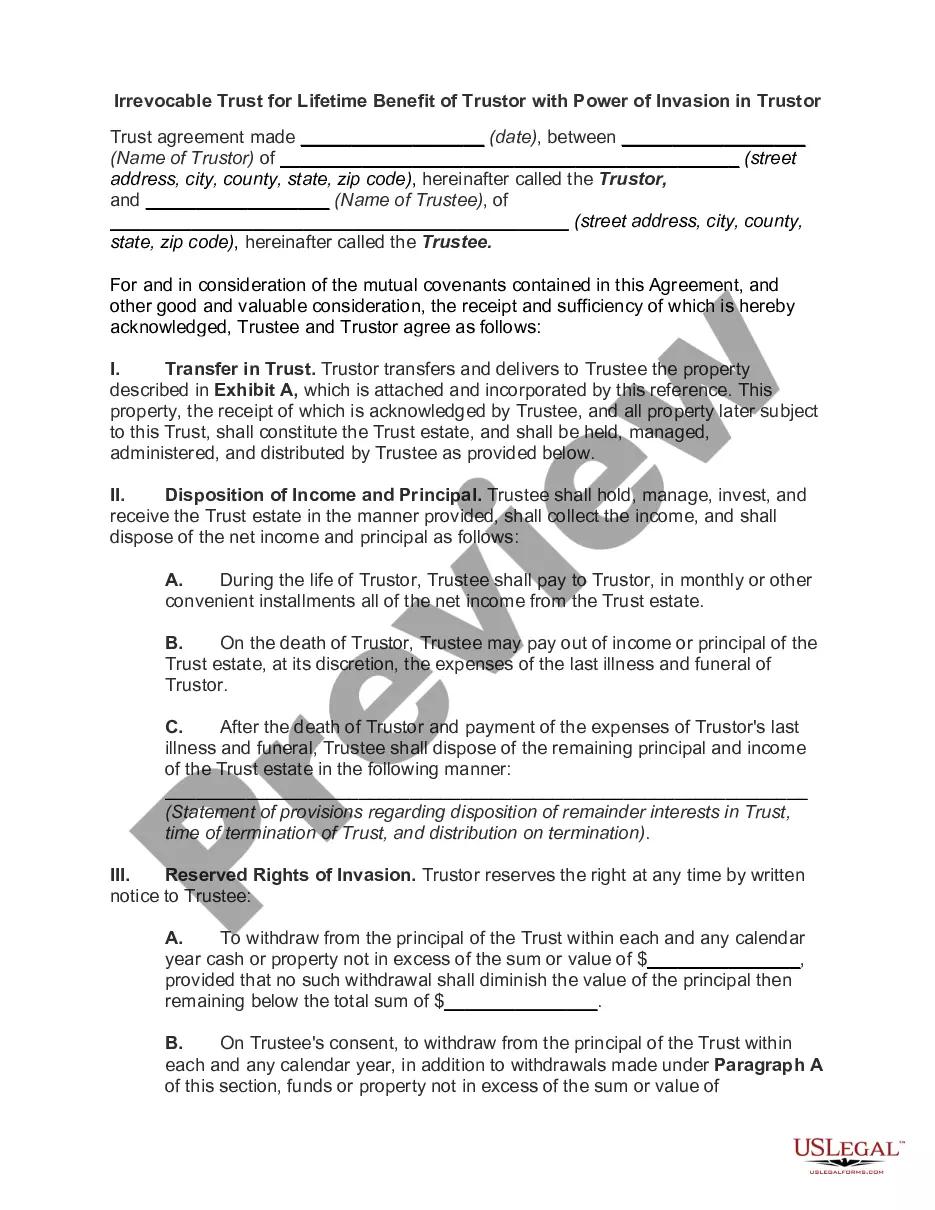
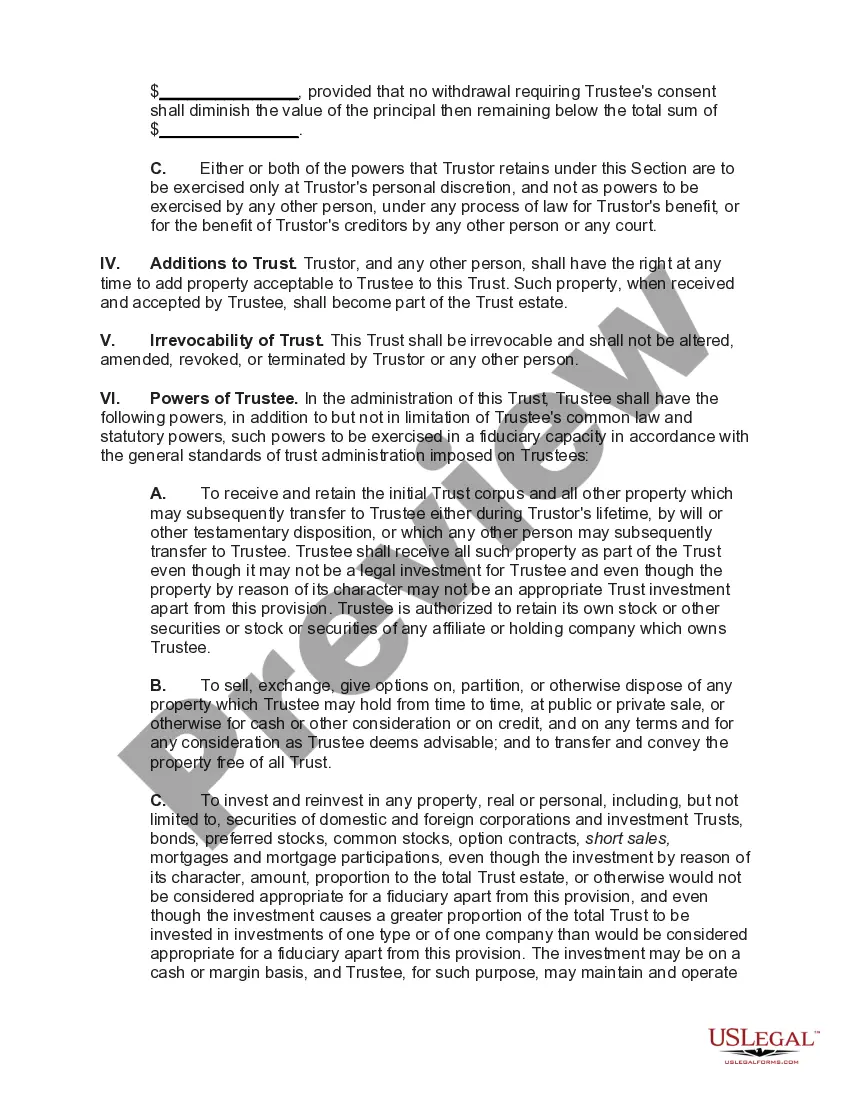
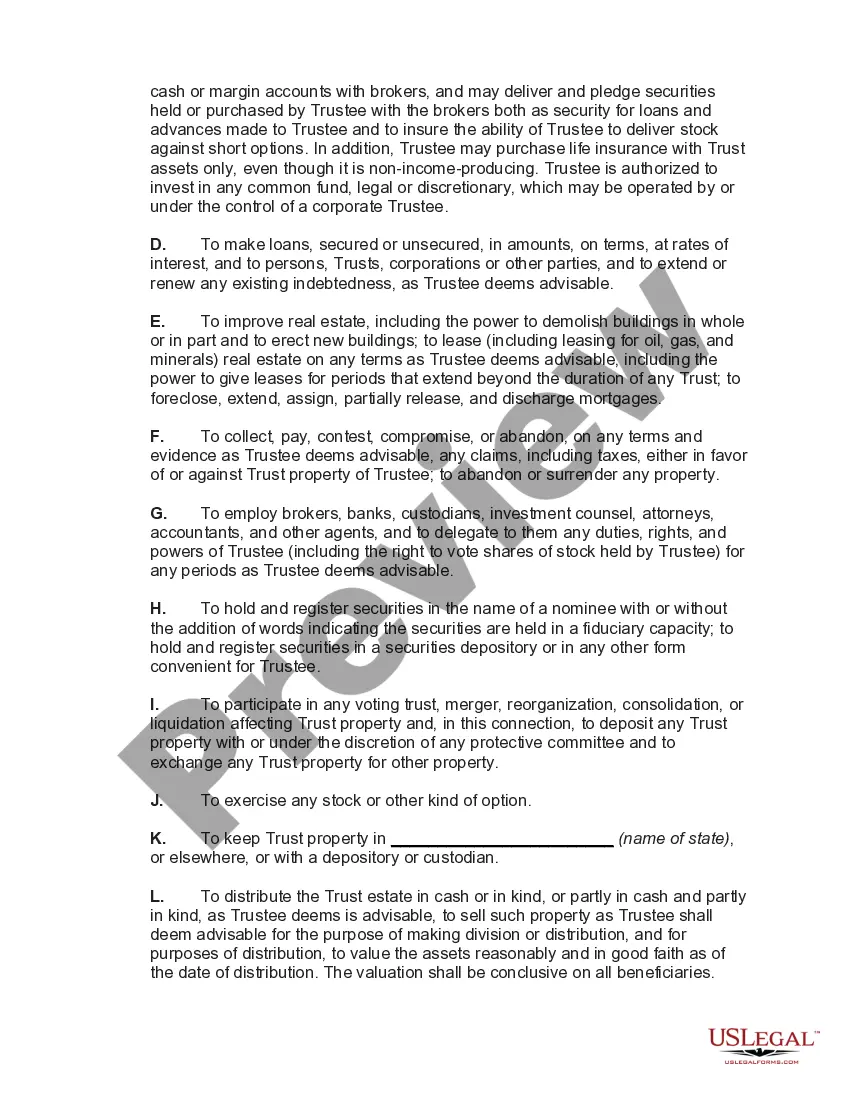
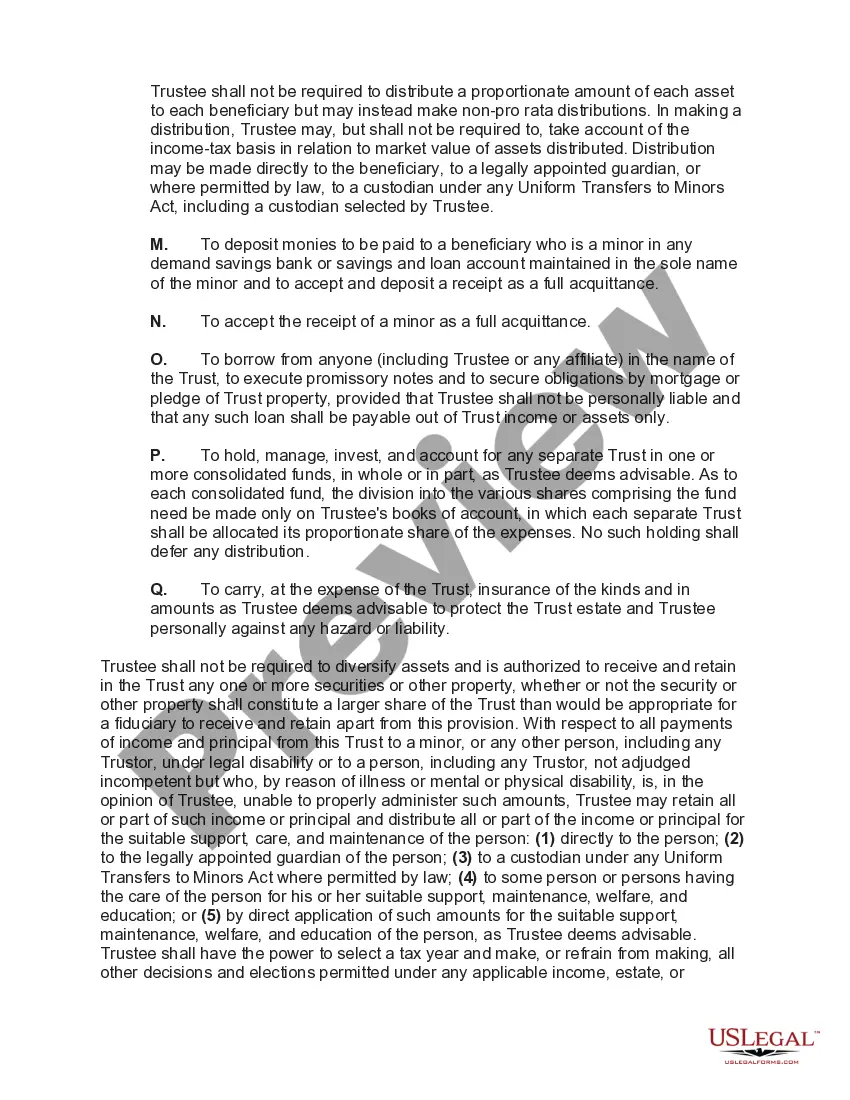
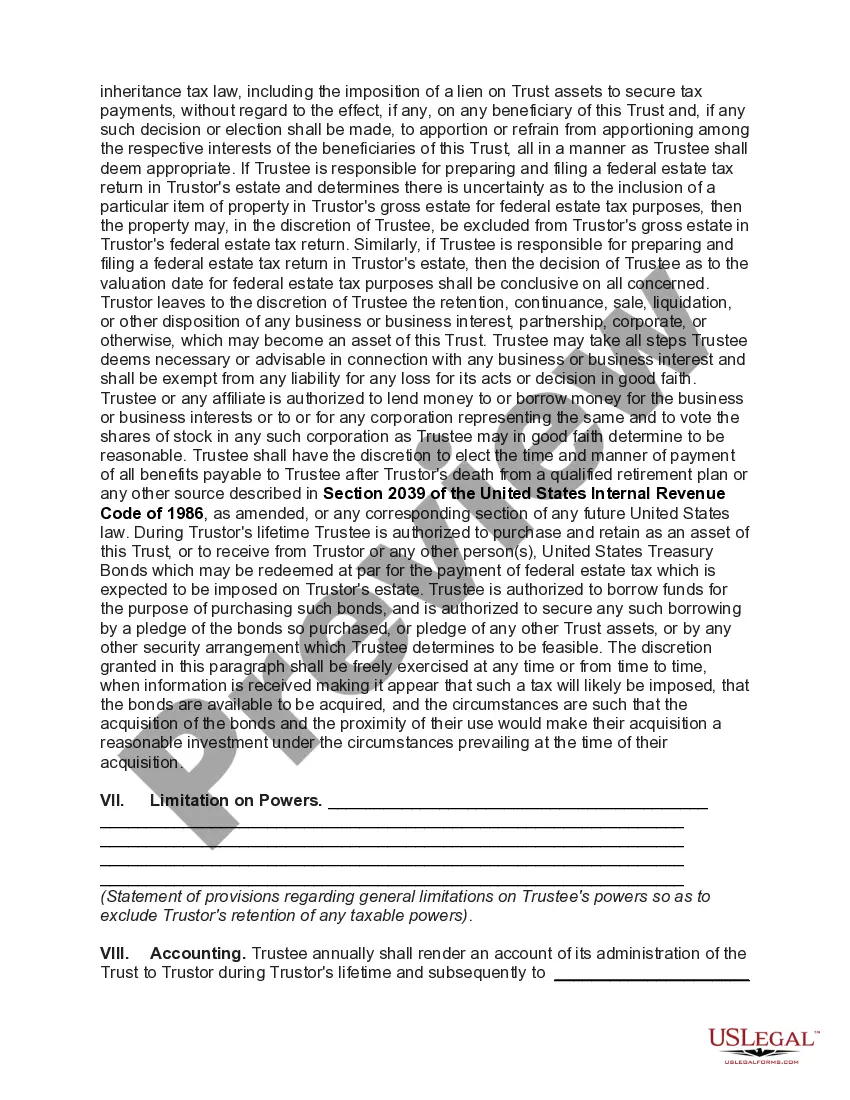
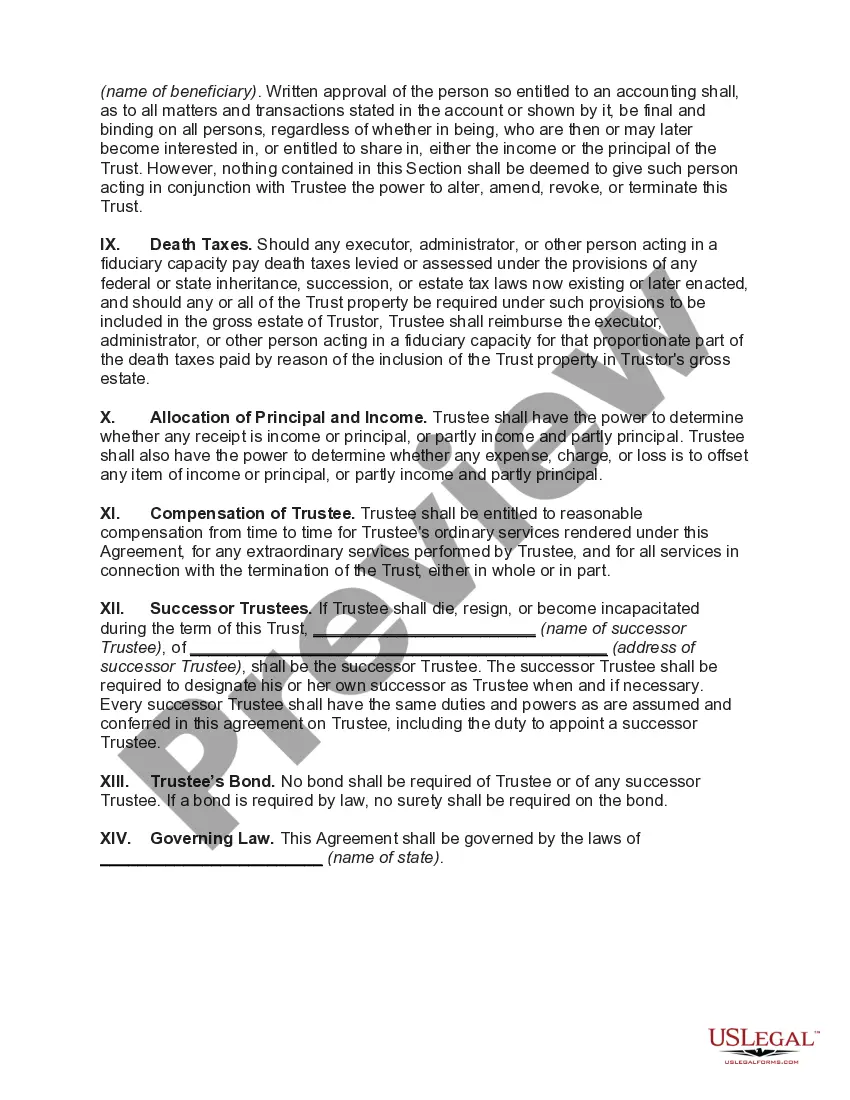
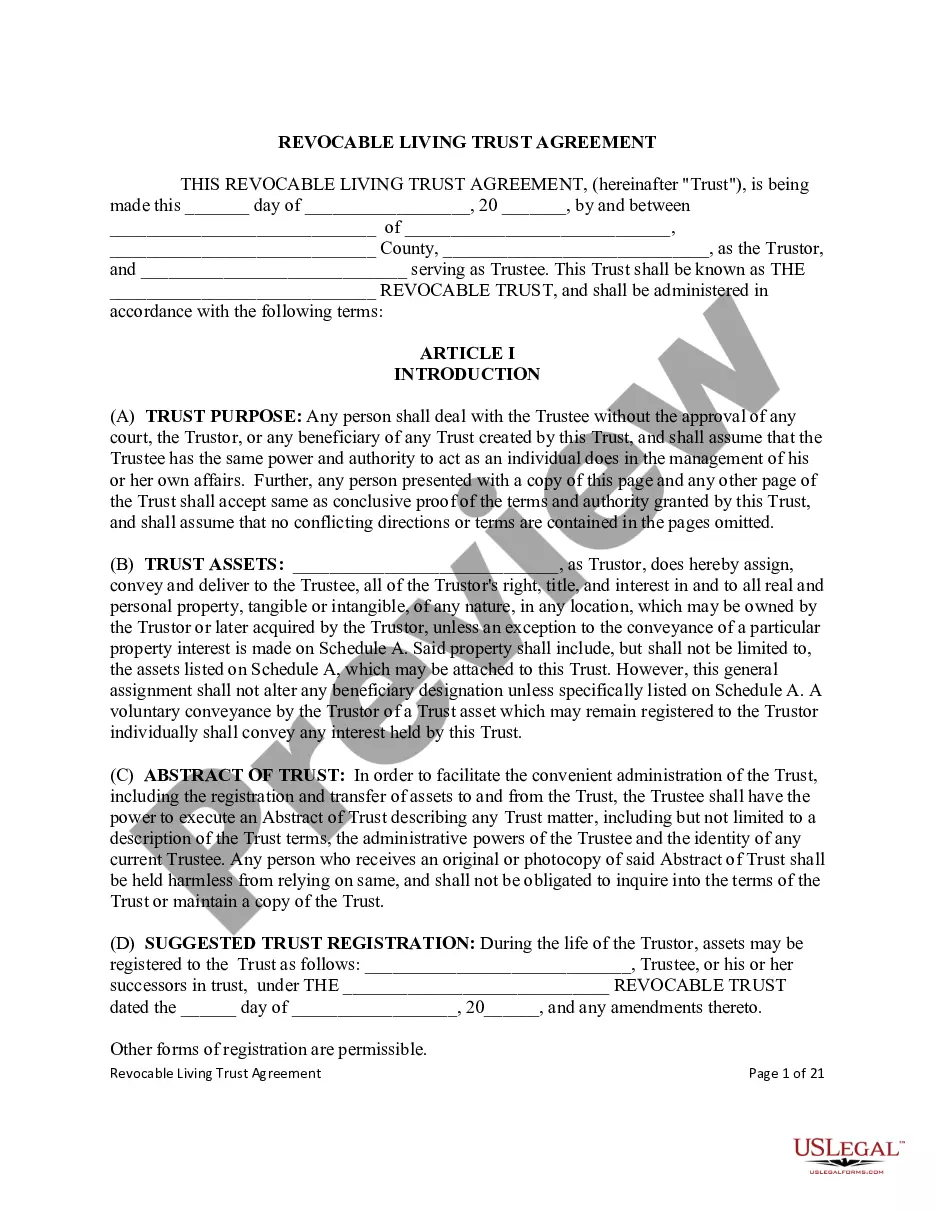
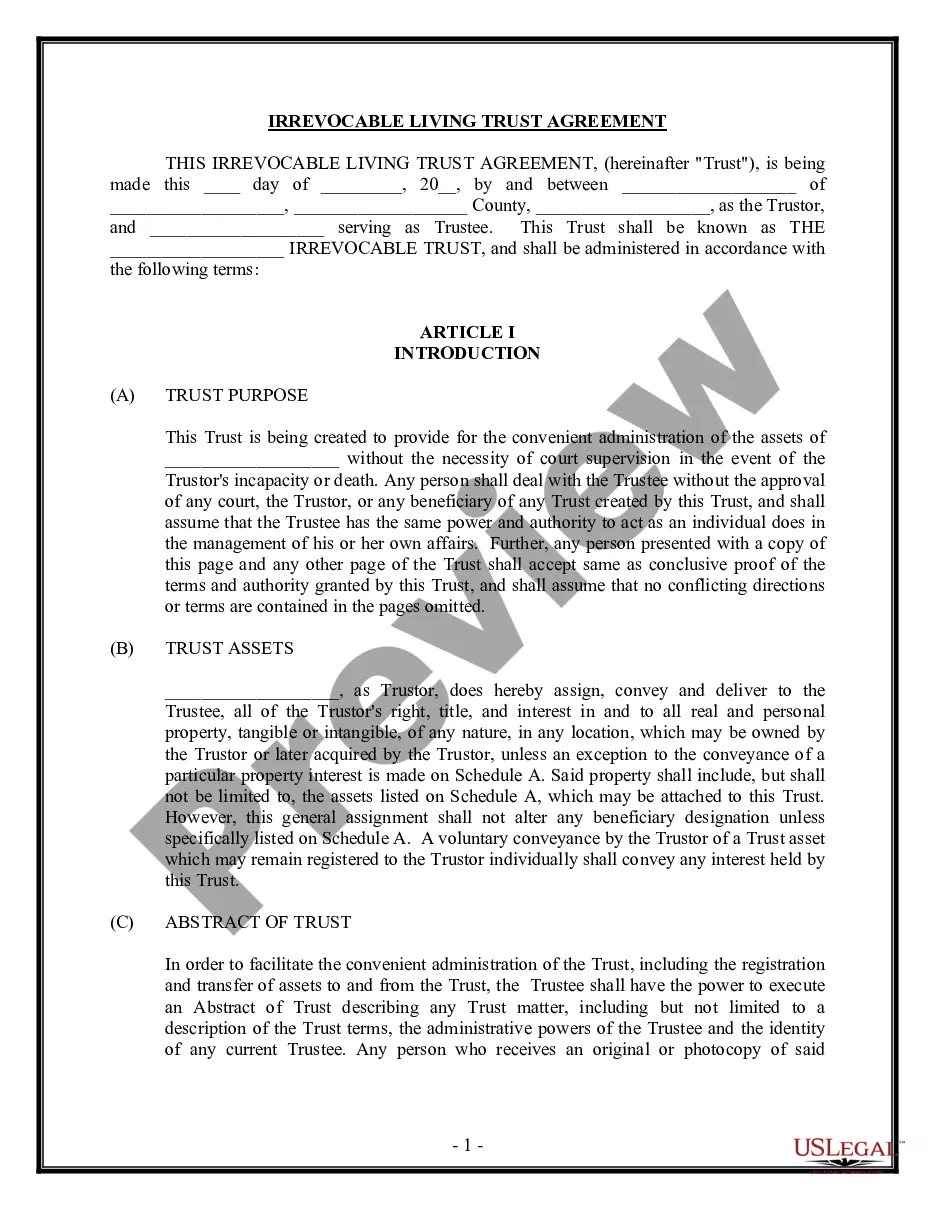
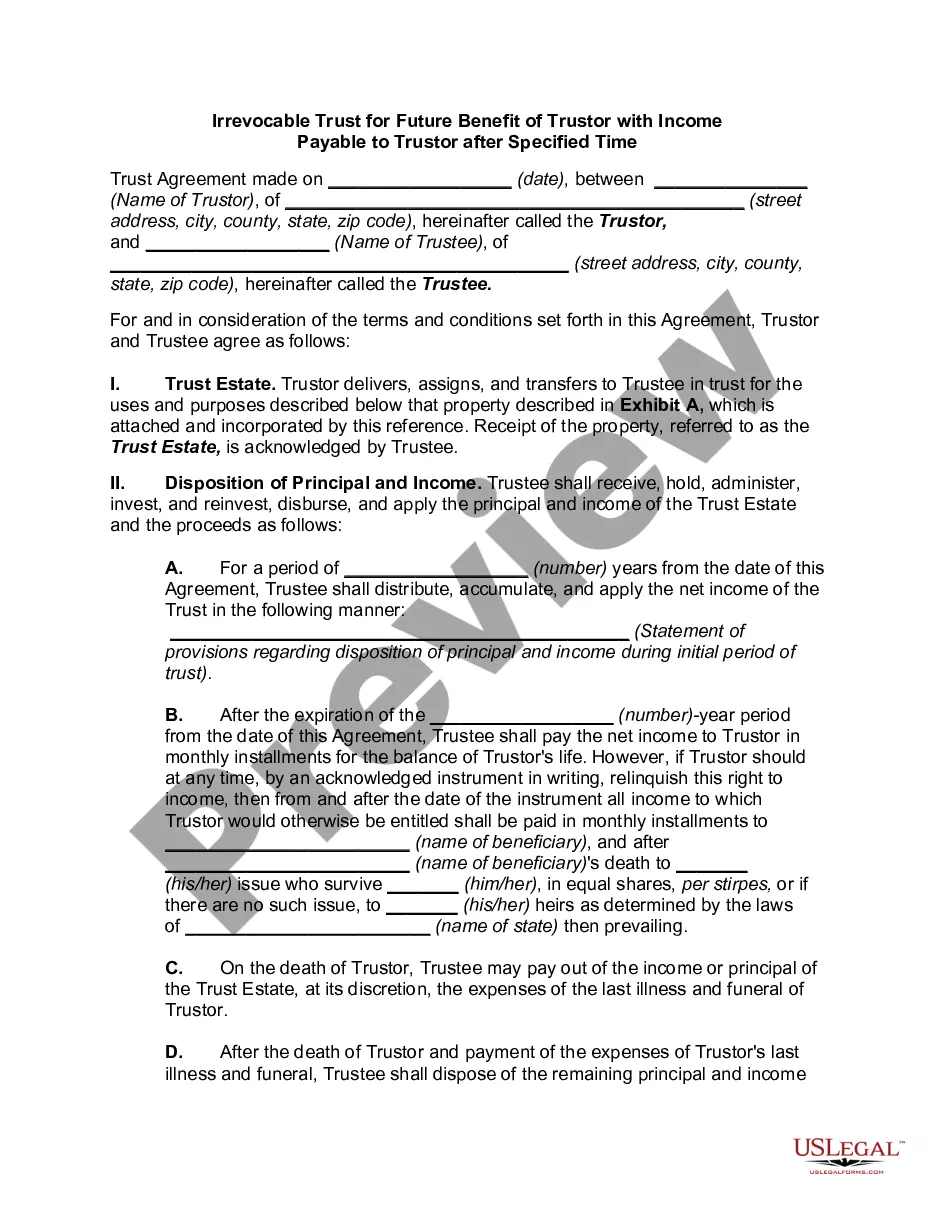
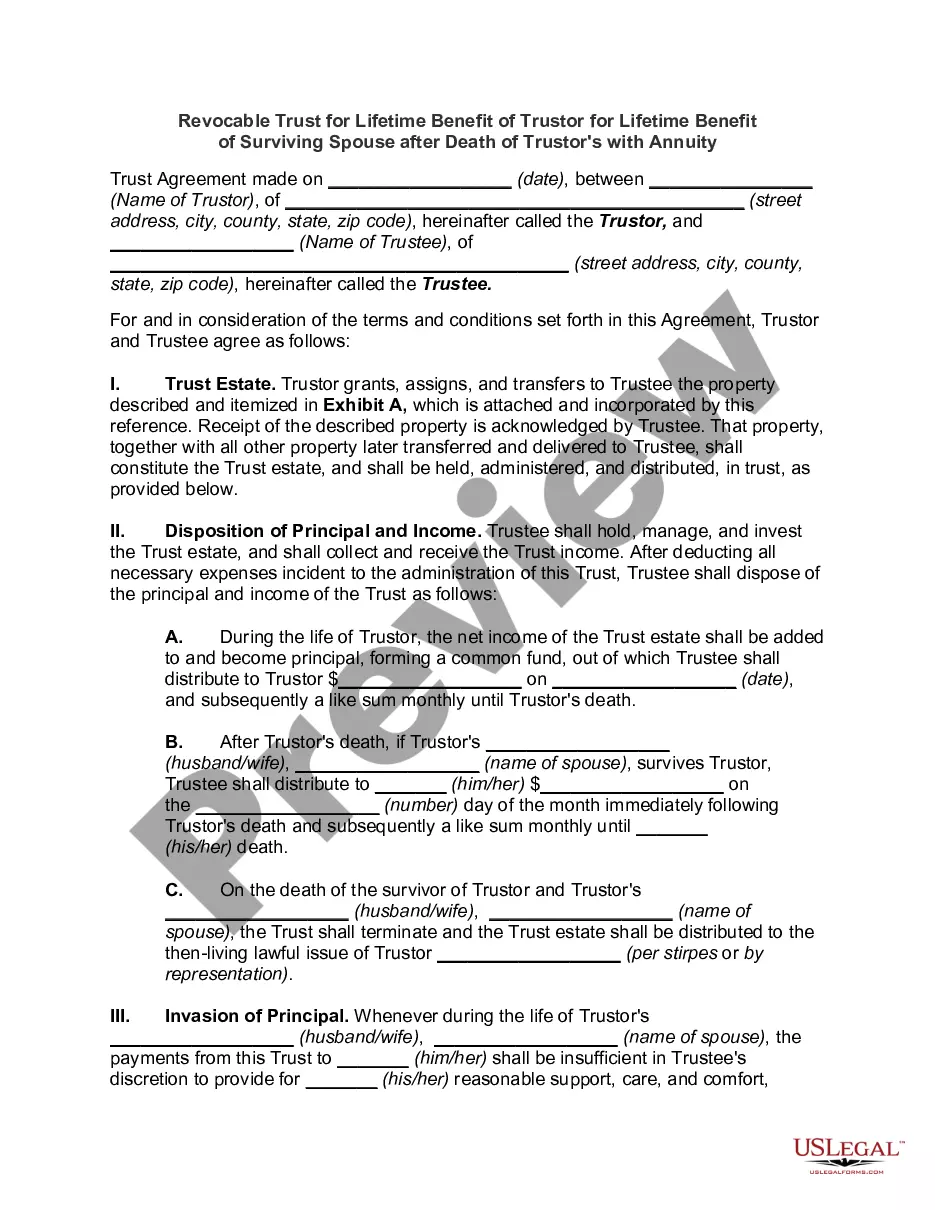
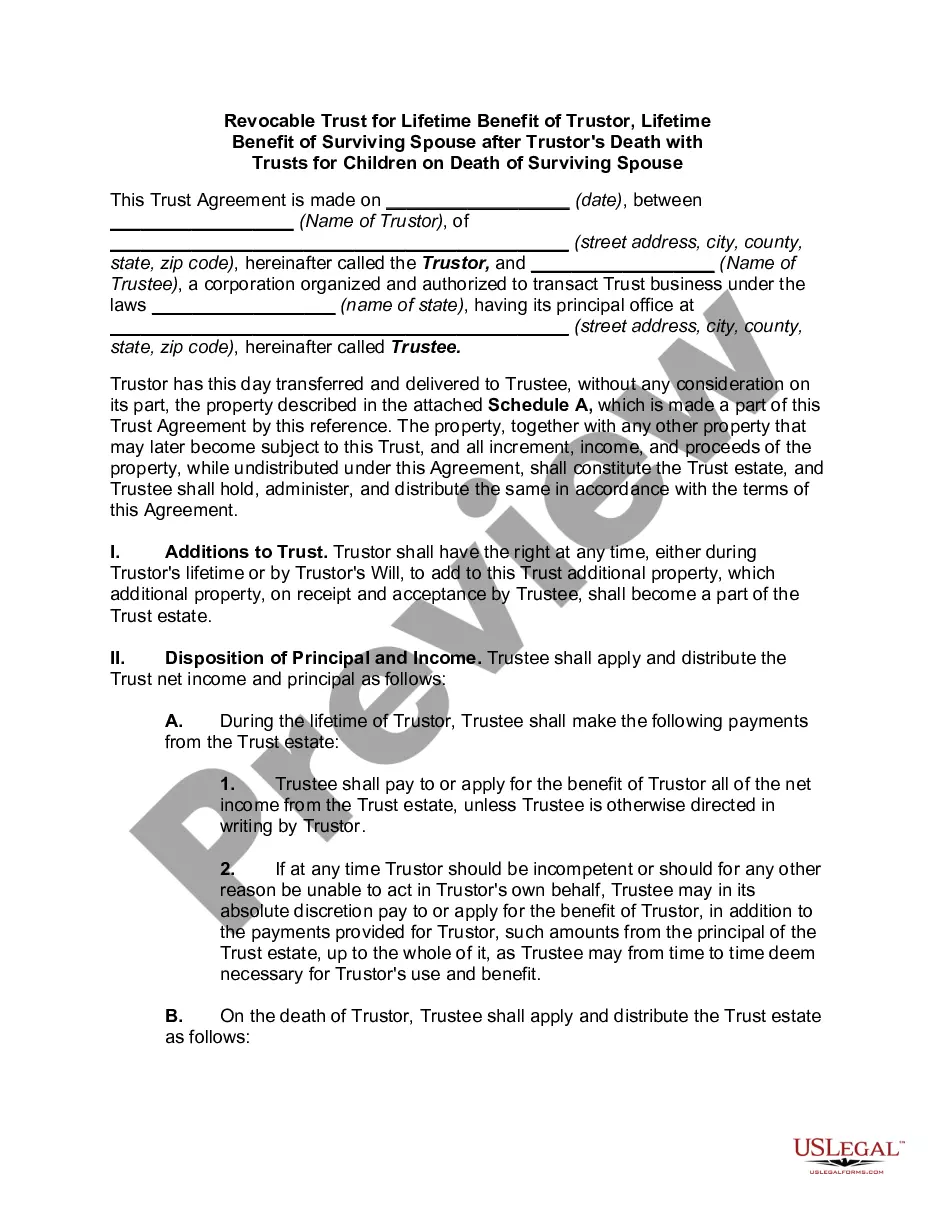
How to fill out Irrevocable Trust For Lifetime Benefit Of Trustor With Power Of Invasion In Trustor?
A document process always accompanies any legal action you undertake.
Establishing a business, applying for or accepting a job proposition, transferring ownership, and numerous other life situations necessitate you to prepare official paperwork that varies across the nation.
That's the reason having everything consolidated in one location is so advantageous.
US Legal Forms is the most extensive online repository of current federal and state-specific legal documents.
This is the easiest and most reliable method to acquire legal documents. All templates in our collection are professionally crafted and verified for compliance with local laws and regulations. Prepare your documentation and manage your legal matters effectively with US Legal Forms!
- On this platform, you can effortlessly find and download a document for any personal or business purpose relevant to your area, including the Suffolk Irrevocable Trust for Lifetime Benefit of Trustor with Power of Invasion in Trustor.
- Finding samples on the site is incredibly straightforward.
- If you already possess a subscription to our service, Log In to your account, search for the sample through the search bar, and click Download to save it to your device.
- Subsequently, the Suffolk Irrevocable Trust for Lifetime Benefit of Trustor with Power of Invasion in Trustor will be available for additional use in the My documents section of your profile.
- If you are engaging with US Legal Forms for the first time, follow this brief guide to acquire the Suffolk Irrevocable Trust for Lifetime Benefit of Trustor with Power of Invasion in Trustor.
- Ensure you have accessed the correct page for your localized form.
- Utilize the Preview mode (if available) and scroll through the sample.
Form popularity
FAQ
The 5-year rule refers to the period during which assets placed in a Suffolk New York Irrevocable Trust for Lifetime Benefit of Trustor with Power of Invasion in Trustor may be subject to Medicaid look-back regulations. If a trustor applies for Medicaid, any transfers made to the irrevocable trust within the last five years could affect eligibility. Understanding this rule is vital for planning purposes, as it can impact both financial security and long-term care options.
In a Suffolk New York Irrevocable Trust for Lifetime Benefit of Trustor with Power of Invasion in Trustor, the trustee holds the primary power. The trustee is responsible for managing the trust assets and making decisions that align with the trust's terms. The beneficiary, on the other hand, receives benefits from the trust but does not have direct control over its management. This division of power ensures that the trust operates effectively while still benefiting the trustor.
Irrevocable trusts are primarily set up for estate and tax considerations. That's because it removes all incidents of ownership, removing the trust's assets from the grantor's taxable estate. It also relieves the grantor of the tax liability on the income generated by the assets.
Irrevocable trusts can help you lower your tax liability, protect you from lawsuits and keep beneficiaries from mishandling assets. But you also have to accept the downsides of loss of control and an inflexible structure too.
An irrevocable trust cannot be modified or terminated without permission of the beneficiary. "Once the grantor transfers the assets into the irrevocable trust, he or she removes all rights of ownership to the trust and assets," Orman explained.
Irrevocable Trust Disadvantages Inflexible structure. You don't have any wiggle room if you're the grantor of an irrevocable trust, compared to a revocable trust.Loss of control over assets. You have no control to retrieve or even manage your former assets that you assign to an irrevocable trust.Unforeseen changes.
The only three times you might want to consider creating an irrevocable trust is when you want to (1) minimize estate taxes, (2) become eligible for government programs, or (3) protect your assets from your creditors.
Irrevocable Trust Disadvantages Inflexible structure. You don't have any wiggle room if you're the grantor of an irrevocable trust, compared to a revocable trust.Loss of control over assets. You have no control to retrieve or even manage your former assets that you assign to an irrevocable trust.Unforeseen changes.
One of the greatest advantages of an irrevocable trust is that it can offer great protection from future creditors and lawsuits as well as bad marriages.
So, the list below are some more disadvantages of an irrevocable trust: Loss of Control over Assets. Inflexible as opposed to a Revocable Trust. Unforeseen circumstances.