Salt Lake Utah Revocation of Will
Description
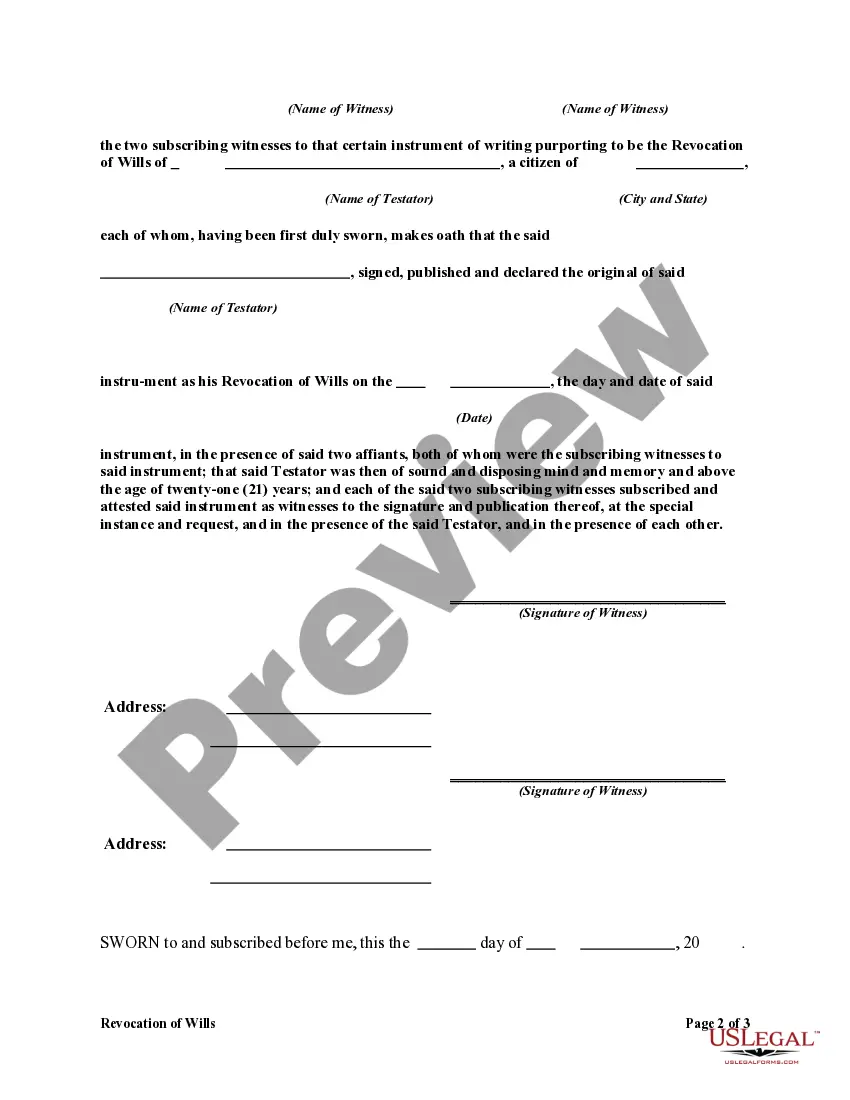
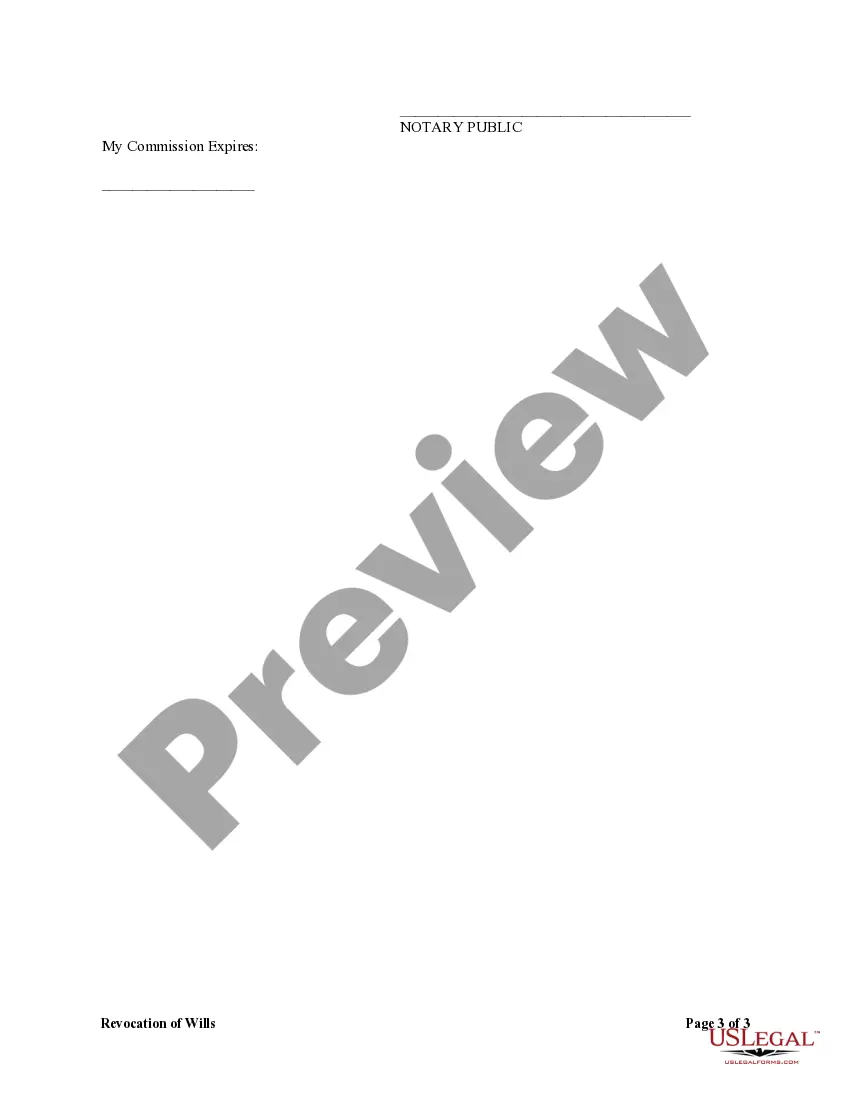






How to fill out Revocation Of Will?
Organizing documentation for the business or personal requirements is consistently a significant obligation.
When formulating a contract, a public service submission, or a power of attorney, it's vital to take into account all federal and state laws relevant to the specific region.
Nonetheless, small counties and even towns also have legal procedures that you need to keep in mind.
Ensure that the template adheres to legal criteria and click Buy Now.
- All these elements render it challenging and time-consuming to produce a Salt Lake Revocation of Will without expert assistance.
- It's feasible to avert expenditures on lawyers drafting your documents and formulate a legally sound Salt Lake Revocation of Will independently, utilizing the US Legal Forms online library.
- It is the largest virtual collection of state-specific legal templates that are professionally verified, so you can trust their validity when selecting a template for your county.
- Formerly subscribed users simply need to Log In to their accounts to retrieve the required document.
- If you still lack a subscription, follow the step-by-step instructions below to obtain the Salt Lake Revocation of Will.
- Review the page you've accessed and confirm if it contains the document you require.
- To accomplish this, utilize the form description and preview if these features are available.
Form popularity
FAQ
Yes, a hand-written will, also known as a holographic will, can be valid in Utah if it meets specific criteria. The will should be signed by the testator and clearly express their intent. However, it is advisable to consult with legal experts to ensure that your hand-written will complies with the relevant laws, particularly during the Salt Lake Utah Revocation of Will process.
All Wills can be revoked, either impliedly or expressly, either by conduct or by a specific document. By conduct, the Will can be presented to be revoked by the testator. For example , a testator may make bequest of property in his Will to a person, but he may dispose of the said property even during his life time.
However, there is an important exception to revocation by subsequent writing. Although state law allows for oral Wills, it is not possible to orally revoke a written Will. It is only possible to use a new oral Will to replace an old one that was created orally.
In California, under section 6120 of the Probate Code, a will can be revoked by, being burned, torn, canceled, obliterated, or destroyed with the intent and for the purpose of revoking it, by either the (1) testator or (2) another person in the testator's presence and by the testator's direction. Depending on the
In most states, revoking a will is pretty straightforward. Generally, you can revoke a will by (1) destroying the old will, (2) creating a new will or (3) making changes to an existing will.
When a person has made a valid Will and wishes to cancel it, the law stated in section 20 of The Wills Act 1837; a Will can only be invalidated in three ways: marriage or civil partnership, making a new Will or Codicil, or. by destruction (tear, burn, cancel, deface, obliterate or destroy).
When you marry or remarry, your previous will is revoked automatically. If you don't make a new one, you will die intestate and in most circumstances, your wife or husband would inherit everything.
Implied revocation (or revocation by inconsistency) of a will occurs when the testator has a will, and then executes a new will that has no clause revoking the former will, and the new will is inconsistent with the former will. The inconsistency between the wills impliedly revokes the former will. LIFE EVENTS.
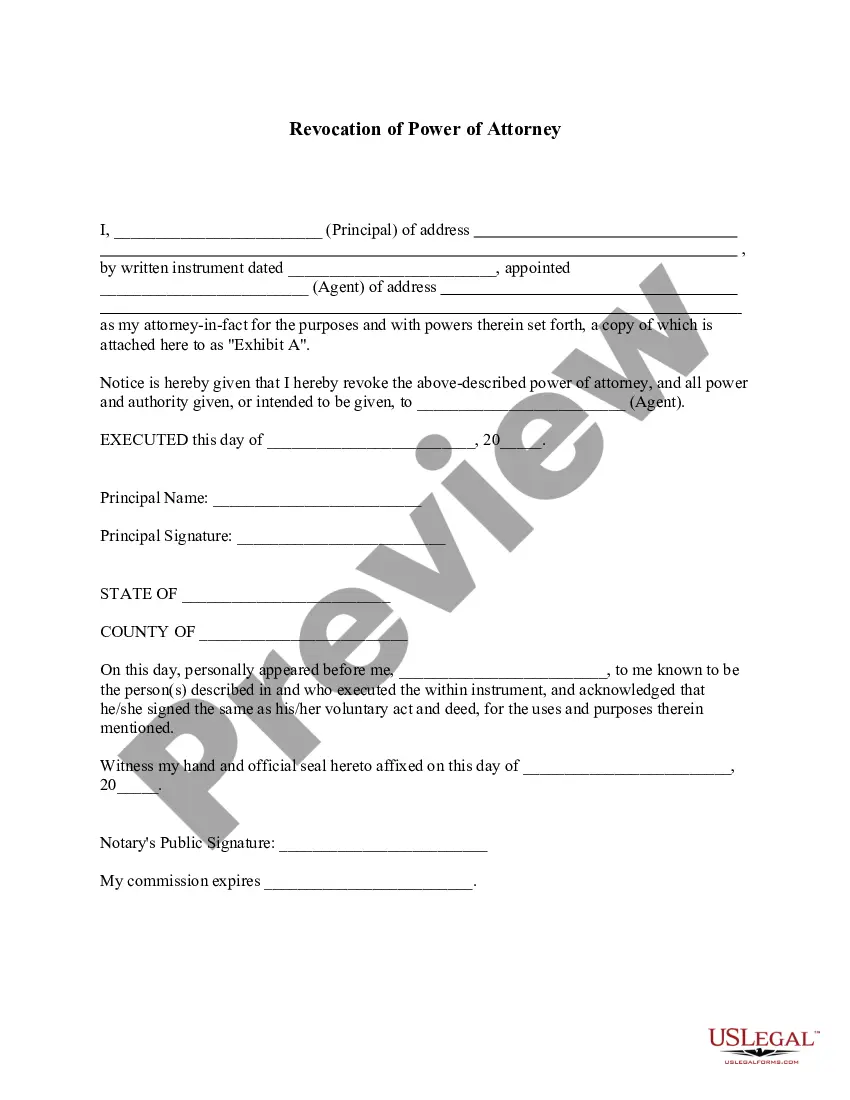
The revocation clause revokes all of the wills and codicils that you (the testator) have made in the past. The purpose of the revocation clause is to prevent any of your earlier wills and codicils from having any legal effect after your new simple will is executed.
The three most common methods used to revoke a will are: by operation of law, by a subsequent will or codicil, and. by physical act.