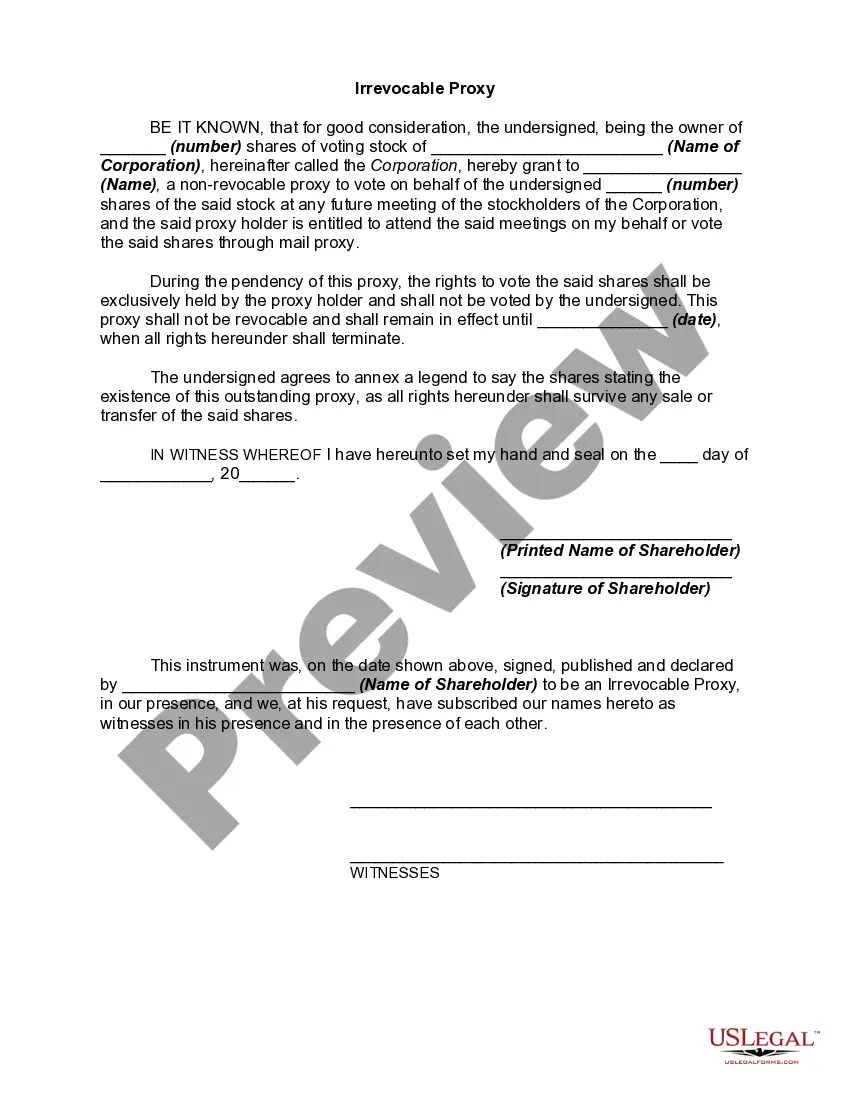
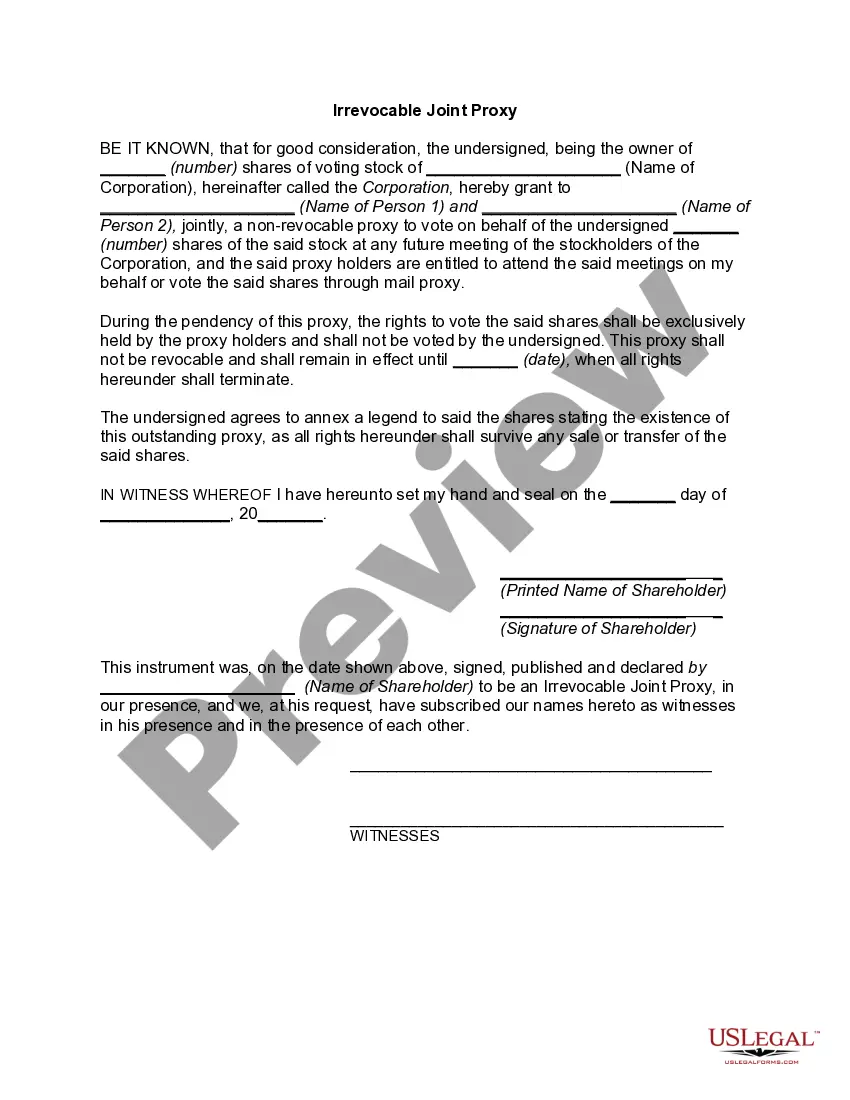
Proxy voting refers to the procedure of delegating the right to vote by one person to another. In proxy voting in the absence of a person his/her vote will be secured by some other person. A person so designated to cast the vote of another is called a "proxy" and the person who delegates the power is called a principal. A voter must have a trust in the proxy. Any person including the official of the chosen party can be appointed as the proxy.
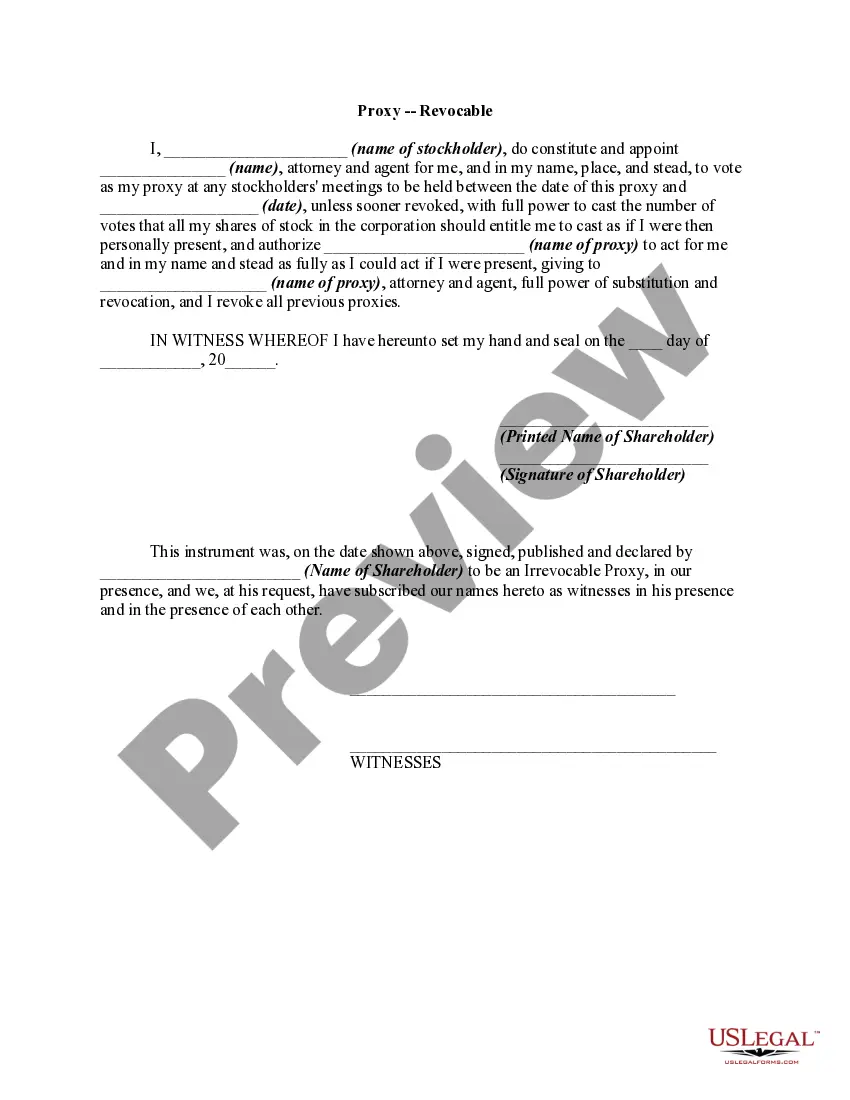
A proxy can also be revoked unless the terms of the proxy say otherwise.
Once you revoke a proxy, the person you took it back from can no longer make decisions or take actions on your behalf. You might want to appoint someone else if needed.
It's not recommended to revoke a proxy verbally because it’s better to have a paper trail. A written revocation is always more official.
Yes, it's best to notify the proxy in writing, either by mail or email. This way, you have a record that you informed them.
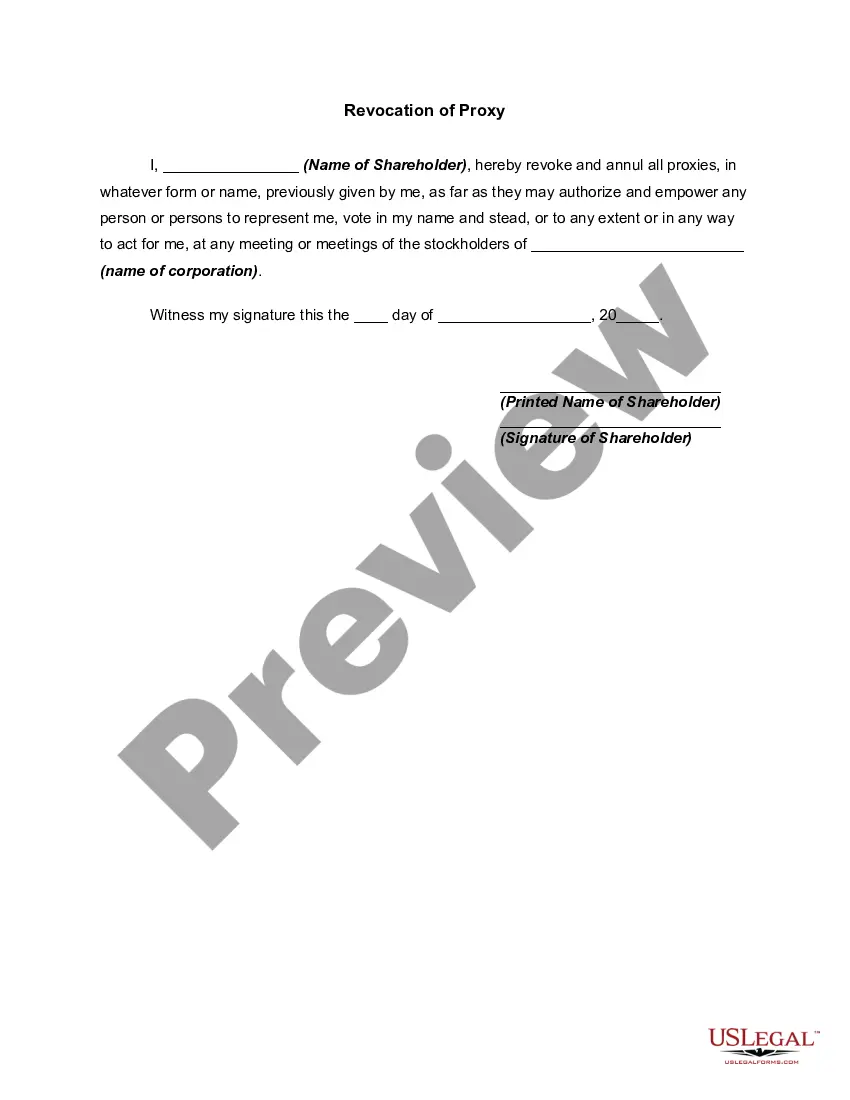
To formally revoke a proxy, you'll need to provide a written notice stating your intention to cancel it and send it to the person you originally gave the proxy to.
You might want to revoke a proxy if you no longer trust the person you appointed, or if your situation changes and you need someone else to represent you.
Revoking a proxy simply means that you are canceling the authority you previously gave someone to act on your behalf, usually in matters like voting.
While it’s best to put it in writing, a verbal revocation can count, but it might raise questions down the line if there’s any dispute.