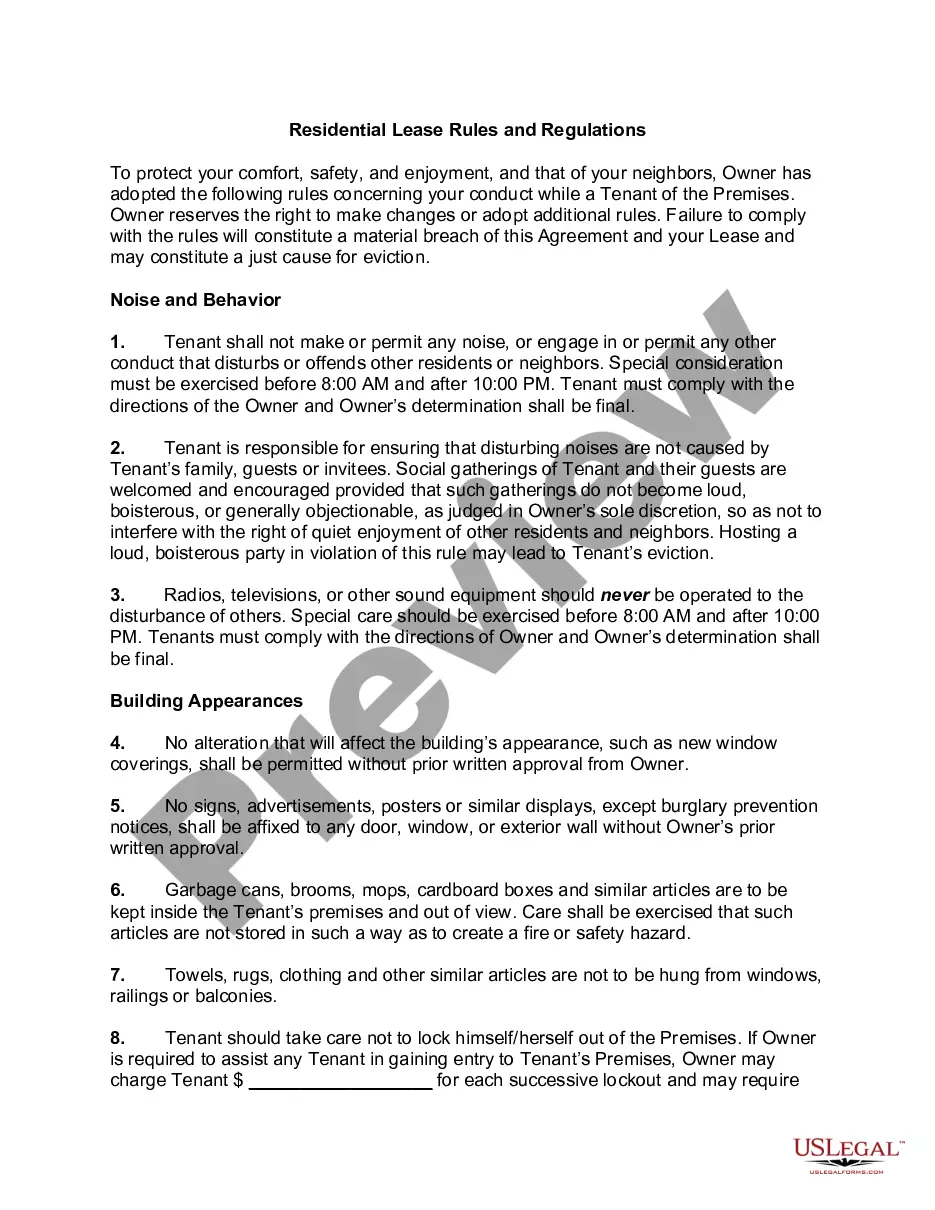
Columbus Ohio Receiving Order
Description










Form popularity
FAQ
The duration of a no contact order in Ohio can vary depending on the nature of the case. Typically, these orders are set for a specific period, but they can be extended based on the circumstances. For more detailed information about a Columbus Ohio Receiving Order, consider consulting legal resources or platforms that specialize in this area.
Obtaining a no contact order in Ohio can be straightforward, but it often requires proper documentation and a clear explanation of the situation. Courts typically review the evidence presented to determine the necessity of the order. If you feel overwhelmed, platforms like uslegalforms can provide guidance to simplify the process.
A no contact order in Ohio legally binds the individual to avoid any form of communication with the protected person. Violating this order can result in legal penalties, including arrest. Therefore, it's crucial to understand the specifics of a Columbus Ohio Receiving Order to ensure compliance.
To press charges in Columbus, Ohio, you should report the incident to law enforcement. After filing a report, the prosecutor will evaluate the case for potential charges. If you need assistance with the process, consider resources available through platforms like uslegalforms to help you understand your rights and options.
A no contact order in Ohio prohibits an individual from contacting another person. This legal directive often arises in cases involving domestic violence or harassment. Understanding the implications of a Columbus Ohio Receiving Order can help you navigate the legal landscape effectively.
Ing to Ohio Instructions for Form IT 1040, ?Every Ohio resident and part year resident is subject to the Ohio Income tax.? Every full-year resident, part year resident and full year nonresident must file an Ohio tax return if they have income from Ohio sources.
Local income tax is usually based on where a taxpayer lives, but in some cases, taxpayers also owe local income tax based on where they perform work (for example, if they commute). You may have withholding obligations based on where your company does business or based on where your employees perform work.
Columbus residents pay a total of 2.5% in taxes on all income earned, regardless of whether it was earned in Columbus or another city.
In Ohio, you have an income tax obligation to both your employment city and your resident city. Your employer is required by law to withhold your work place city tax and if you have "fully withheld", you have no filing requirement with your work place city.
Municipalities may generally impose tax on on wages, salaries, and other compensation earned by residents and by nonresidents who work in the municipality. The tax also applies to the net profits of business attributable to activities in the municipality, and to the net profits from rental activities.