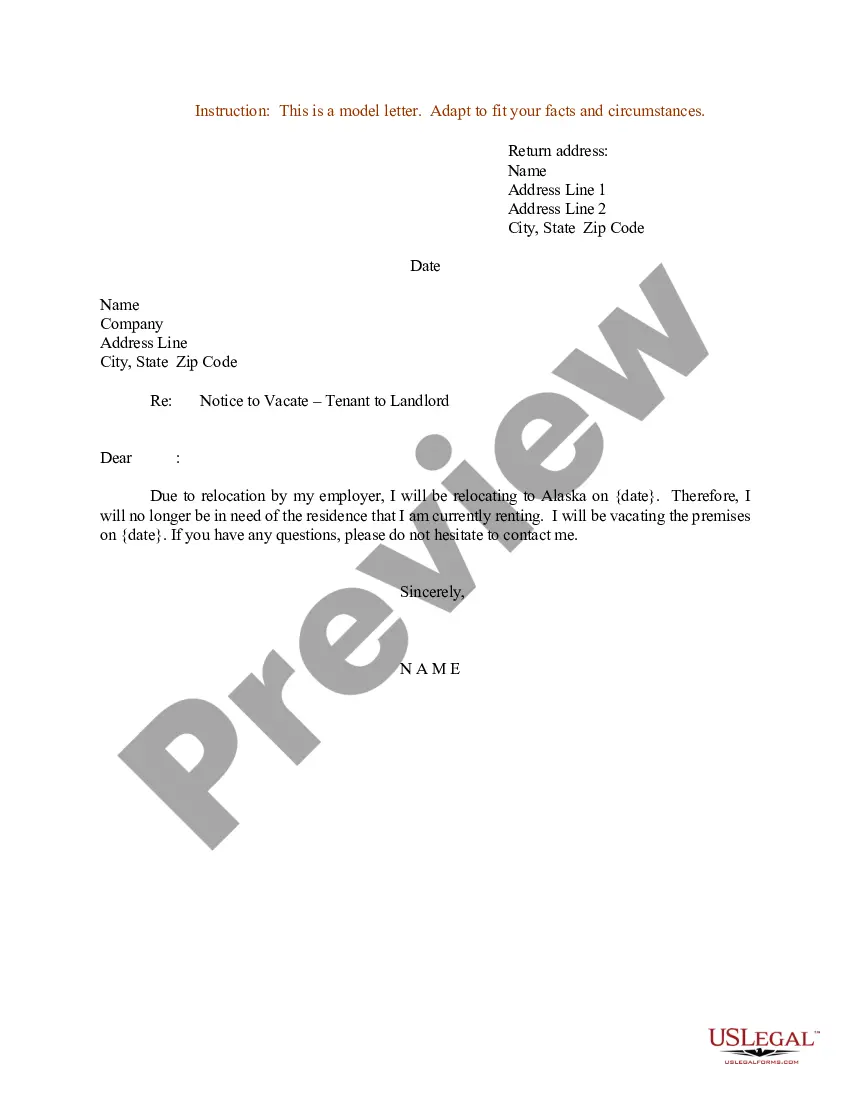
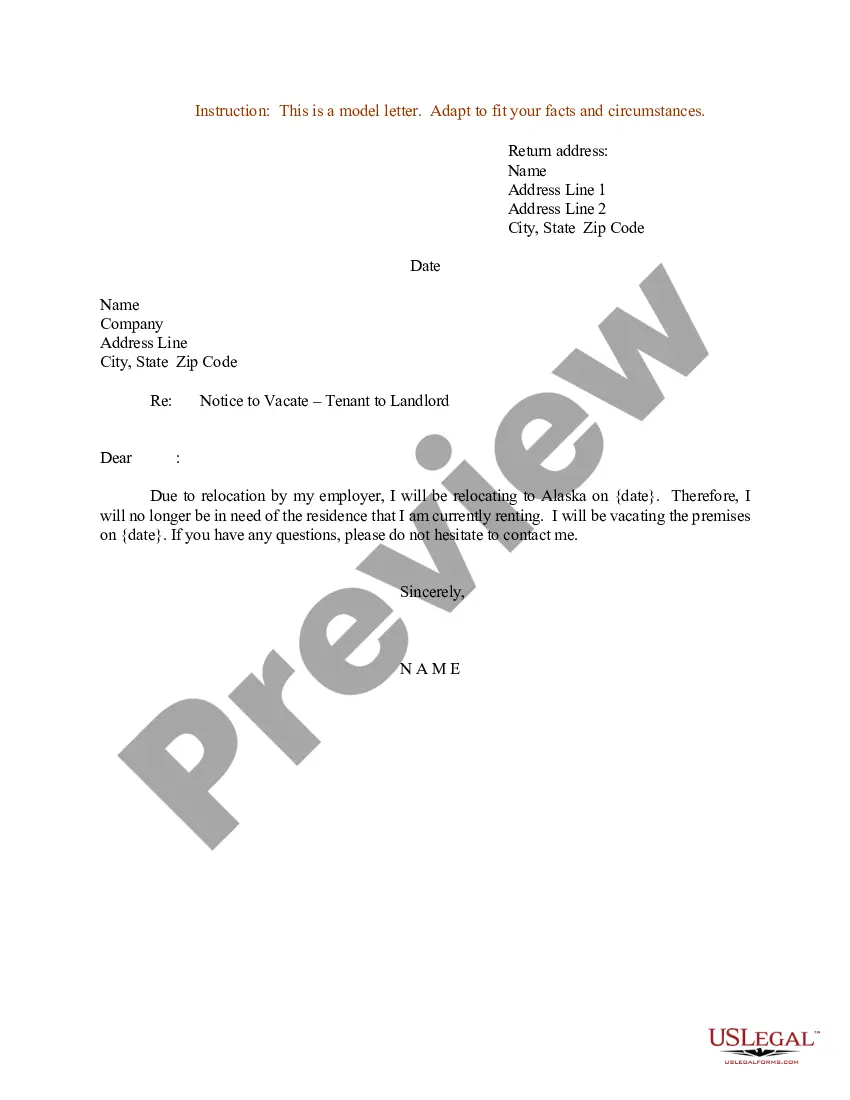
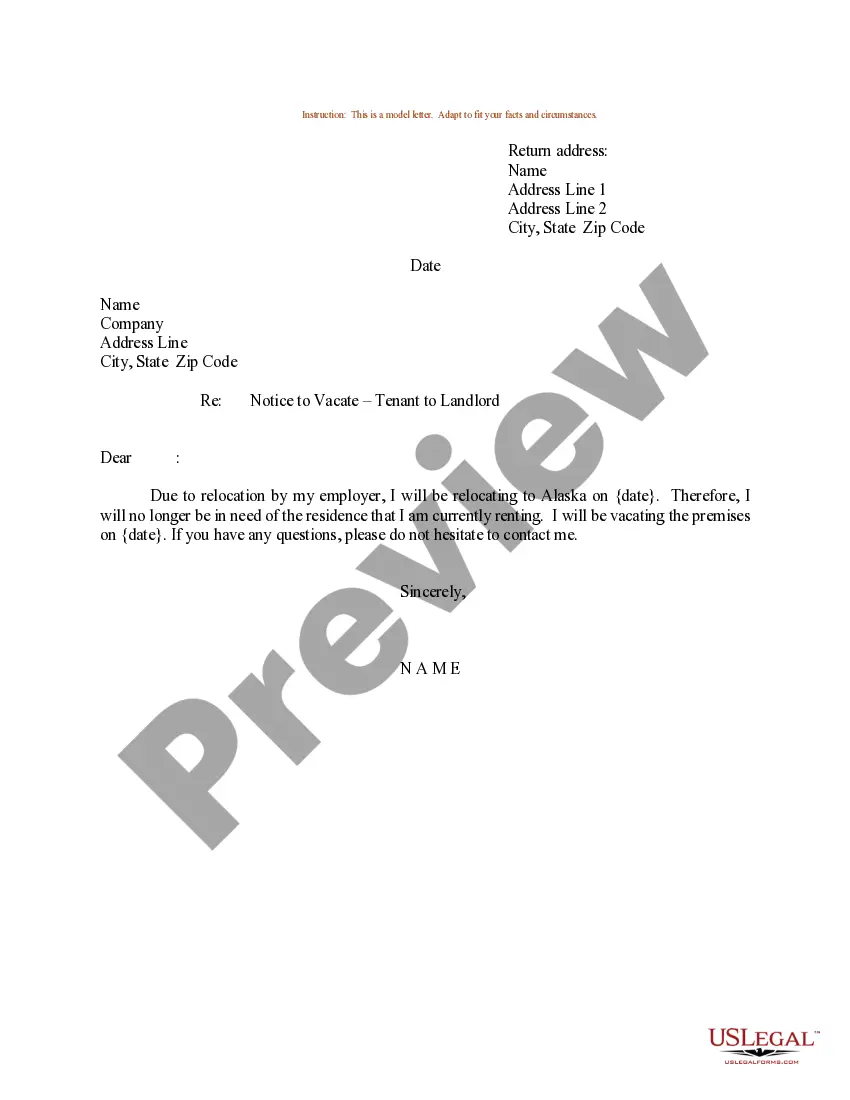
Santa Clara California Notice to Vacate for Tenant
Description

Get your form ready online
Our built-in tools help you complete, sign, share, and store your documents in one place.
Make edits, fill in missing information, and update formatting in US Legal Forms—just like you would in MS Word.
Download a copy, print it, send it by email, or mail it via USPS—whatever works best for your next step.
Sign and collect signatures with our SignNow integration. Send to multiple recipients, set reminders, and more. Go Premium to unlock E-Sign.
If this form requires notarization, complete it online through a secure video call—no need to meet a notary in person or wait for an appointment.
We protect your documents and personal data by following strict security and privacy standards.

Make edits, fill in missing information, and update formatting in US Legal Forms—just like you would in MS Word.

Download a copy, print it, send it by email, or mail it via USPS—whatever works best for your next step.

Sign and collect signatures with our SignNow integration. Send to multiple recipients, set reminders, and more. Go Premium to unlock E-Sign.

If this form requires notarization, complete it online through a secure video call—no need to meet a notary in person or wait for an appointment.

We protect your documents and personal data by following strict security and privacy standards.
Looking for another form?

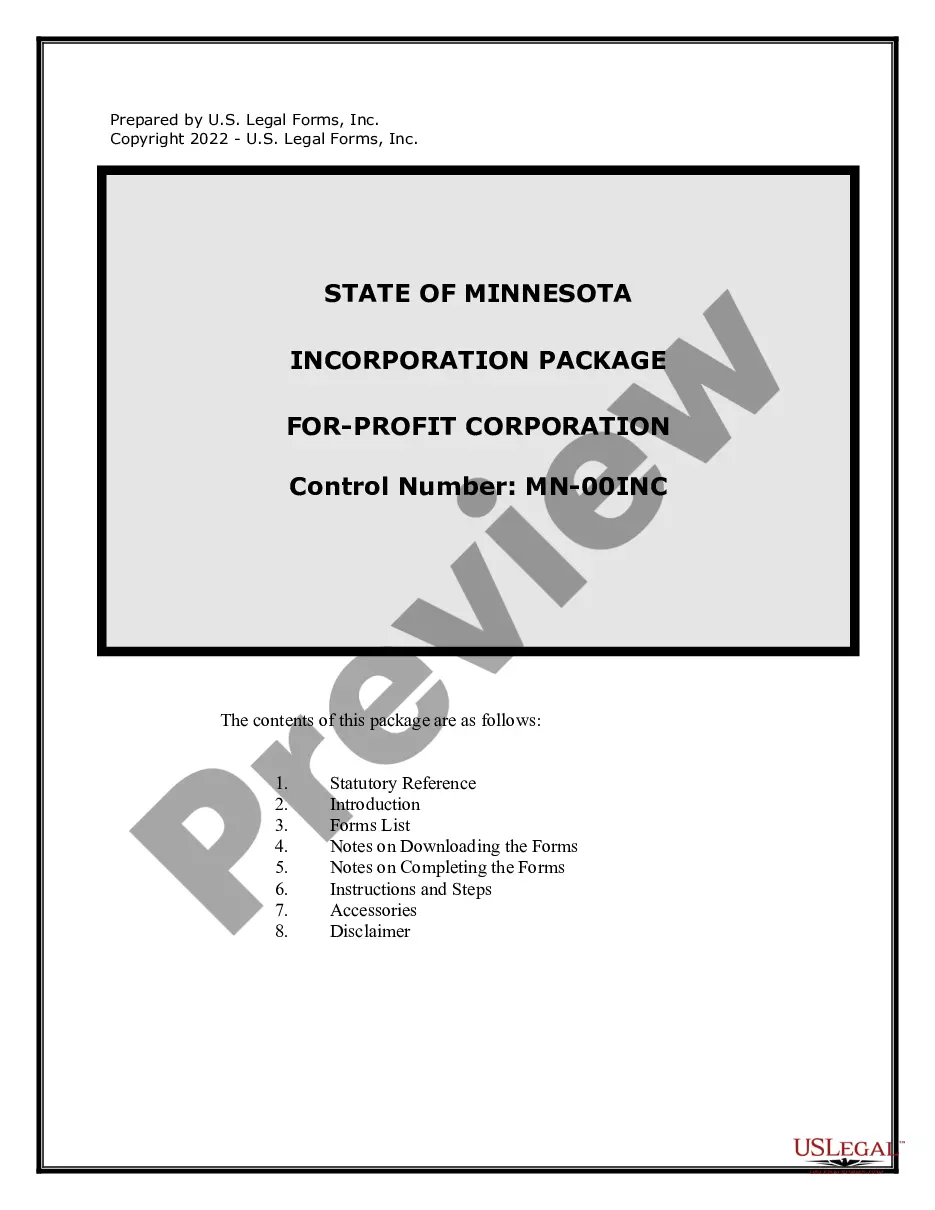
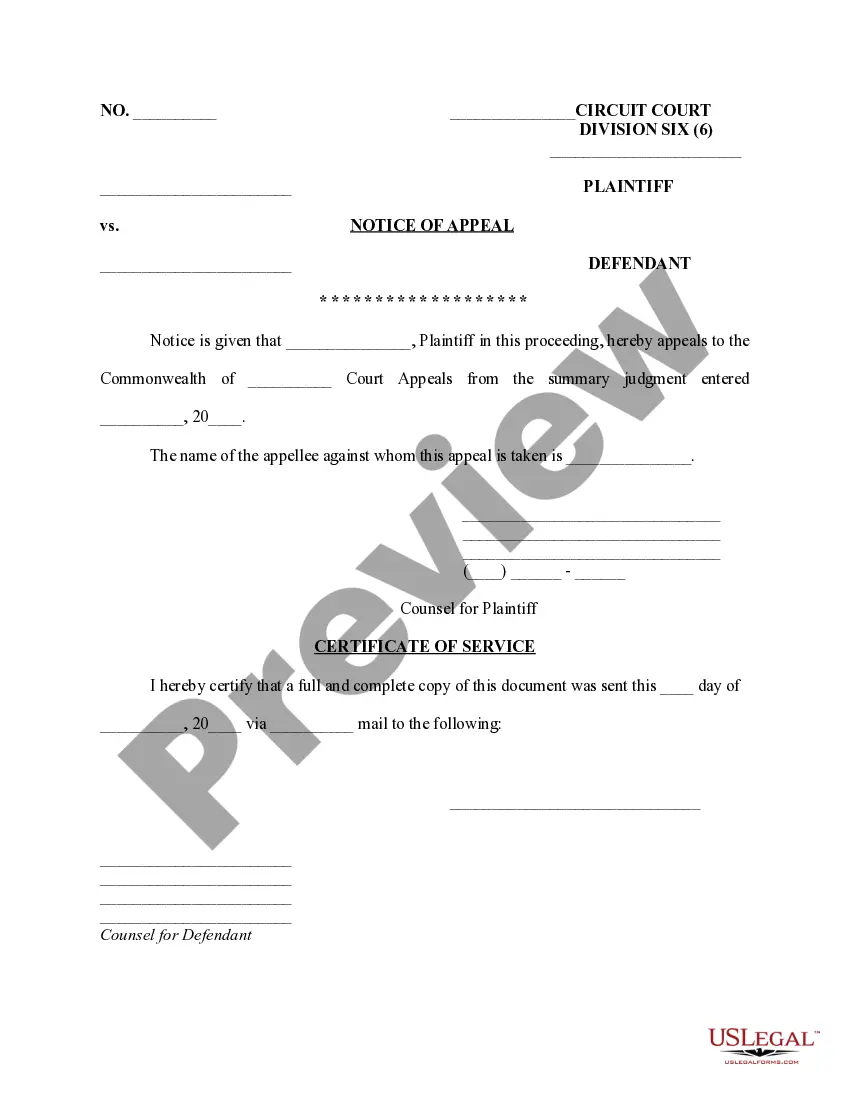
How to fill out Notice To Vacate For Tenant?
Organizing documentation for business or personal requirements is consistently a significant duty.
When formulating a contract, a public service inquiry, or a power of attorney, it is crucial to take into account all federal and state regulations of the specific locality.
However, smaller counties and even municipalities also have legislative measures that must be factored in.
The excellent aspect of the US Legal Forms repository is that all the documents you have ever acquired remain accessible - you can retrieve them in your profile within the My documents section at any time. Enroll in the platform and effortlessly access verified legal documents for any circumstance with just a few clicks!
- All these elements make it stressful and time-consuming to create a Santa Clara Notice to Vacate for Tenant without expert assistance.
- It is feasible to avoid incurring costs on lawyers for preparing your paperwork and produce a legally binding Santa Clara Notice to Vacate for Tenant independently, using the US Legal Forms online repository.
- This is the most extensive online directory of state-specific legal templates that are professionally vetted, ensuring their legitimacy when you choose a sample for your jurisdiction.
- Prior subscribed users merely need to Log In to their accounts to retrieve the required form.
- If you do not yet hold a subscription, follow the step-by-step instructions below to obtain the Santa Clara Notice to Vacate for Tenant.
- Browse through the page you have accessed and confirm if it contains the document you require.
- To accomplish this, utilize the form description and preview if these features are available.
Form popularity
FAQ
The phrase 'upon 60 days written notice' indicates that either the landlord or tenant must give formal notification of their intent to terminate the tenancy 60 days in advance. This is particularly relevant for a Santa Clara California Notice to Vacate for Tenant, as it provides the tenant ample time to find a new residence. Moreover, understanding this requirement aids in fostering a smoother transition for everyone involved.
Yes, a landlord can issue a 60-day notice to vacate without stating a specific reason, provided that the tenant has lived in the unit for more than one year. However, landlords must follow all local rental laws, and your rights as a tenant still apply. Using a Santa Clara California Notice to Vacate for Tenant template can help you understand your rights and responsibilities during this process.
An example of a 60-day notice to vacate in California includes a clear statement indicating the tenant's name, property address, and a directive to vacate within 60 days. It should also mention 'Santa Clara California Notice to Vacate for Tenant' at the top. You can find templates and samples on platforms like USLegalForms, which can help you draft a compliant notice.
Yes, for the most part. The County of Santa Clara has enacted a temporary moratorium on evictions for any residential renter or small business in the county who has lost income related to the coronavirus (COVID-19) pandemic.
You can give a 30-day notice in the middle of the month, but generally the 30 days don't begin counting until the next rental due date. That means that if you give the 30-day notice on April 15th, the tenant will have until the end of May to move out.
After over two years of statewide eviction moratoria in the forms of executive orders, Judicial Council rules, and legislation, California's eviction moratorium was scheduled to come to an end on March 31, 2022. However, on March 31, 2022, Lt. Gov.
If you have a written agreement, then your landlord should only give you notice as stated in the agreement. If you do not have an agreement, then the landlord only has to give you reasonable notice (usually 2-4 weeks).
Your landlord cannot evict you if you've applied and are waiting to find out if you're eligible. Some cities and counties have more eviction protections in place. Learn about eviction protection for unpaid rent during COVID-19.
Yes, for the most part. The County of Santa Clara has enacted a temporary moratorium on evictions for any residential renter or small business in the county who has lost income related to the coronavirus (COVID-19) pandemic.
For condemned buildings or units, the landlord should give a fifteen day notice to the tenant to leave the unit. While it can be frustrating to evict a tenant who refuses to pay rent after the grace period, the landlord should not take the matter into his own hands.