Wake North Carolina Sexual Harassment Policy - Workplace
Description
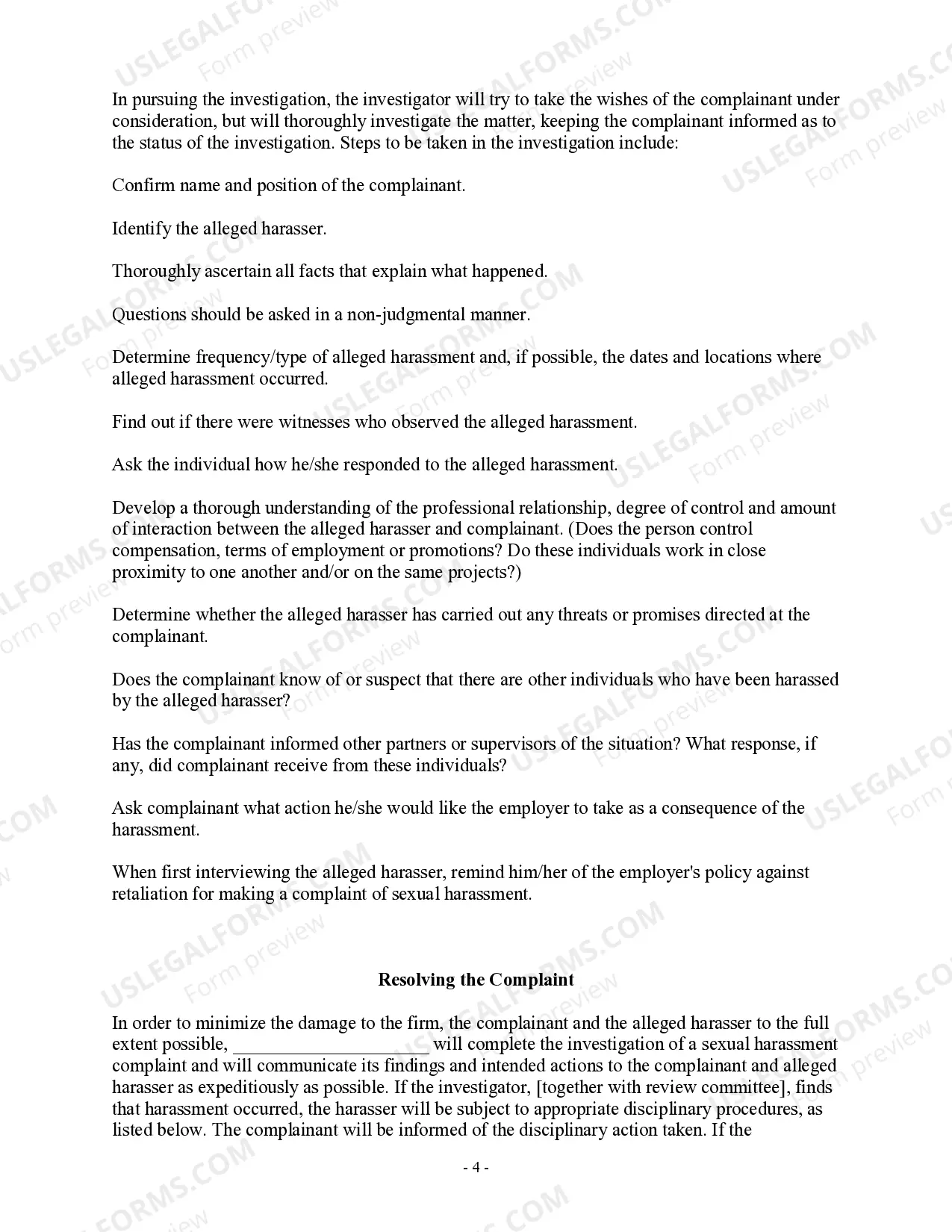
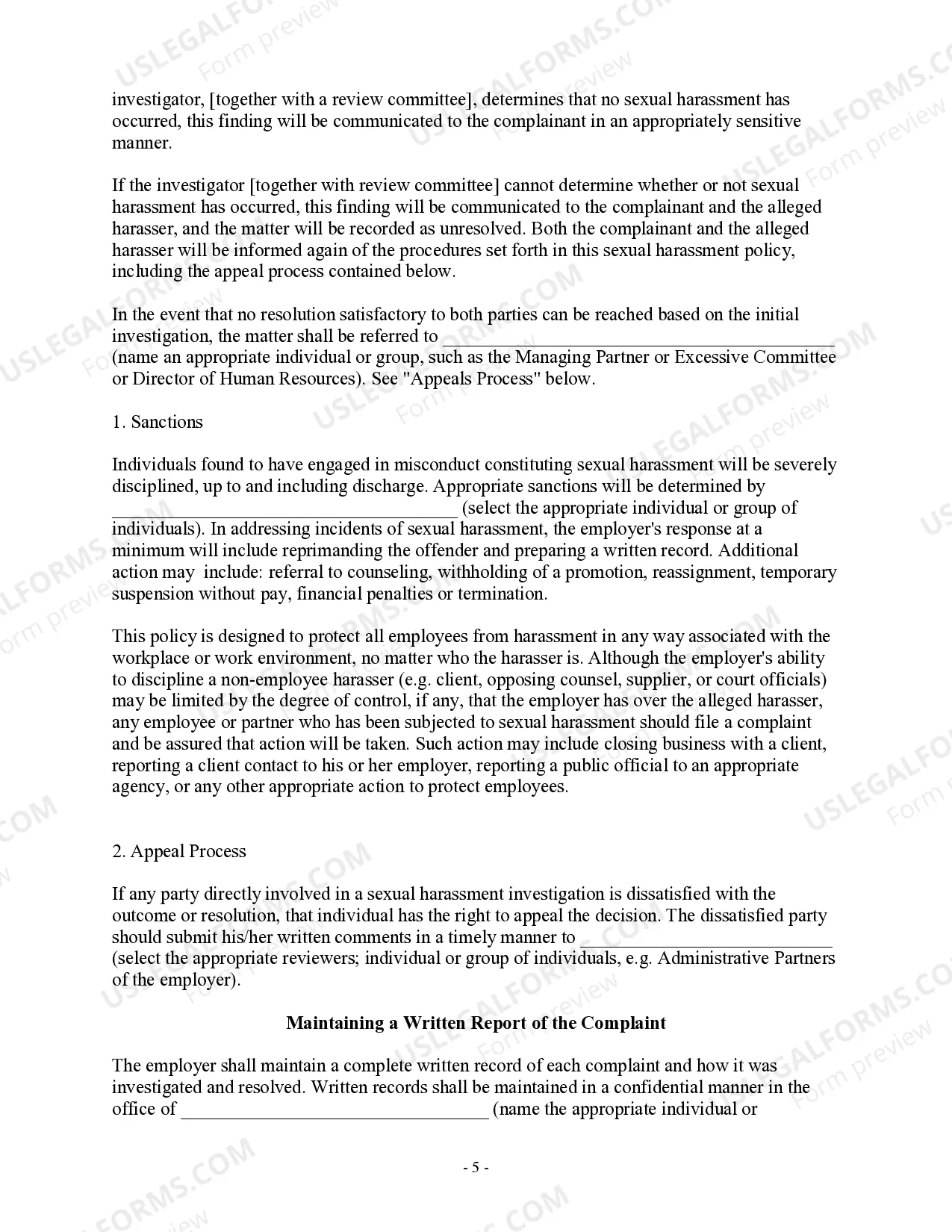
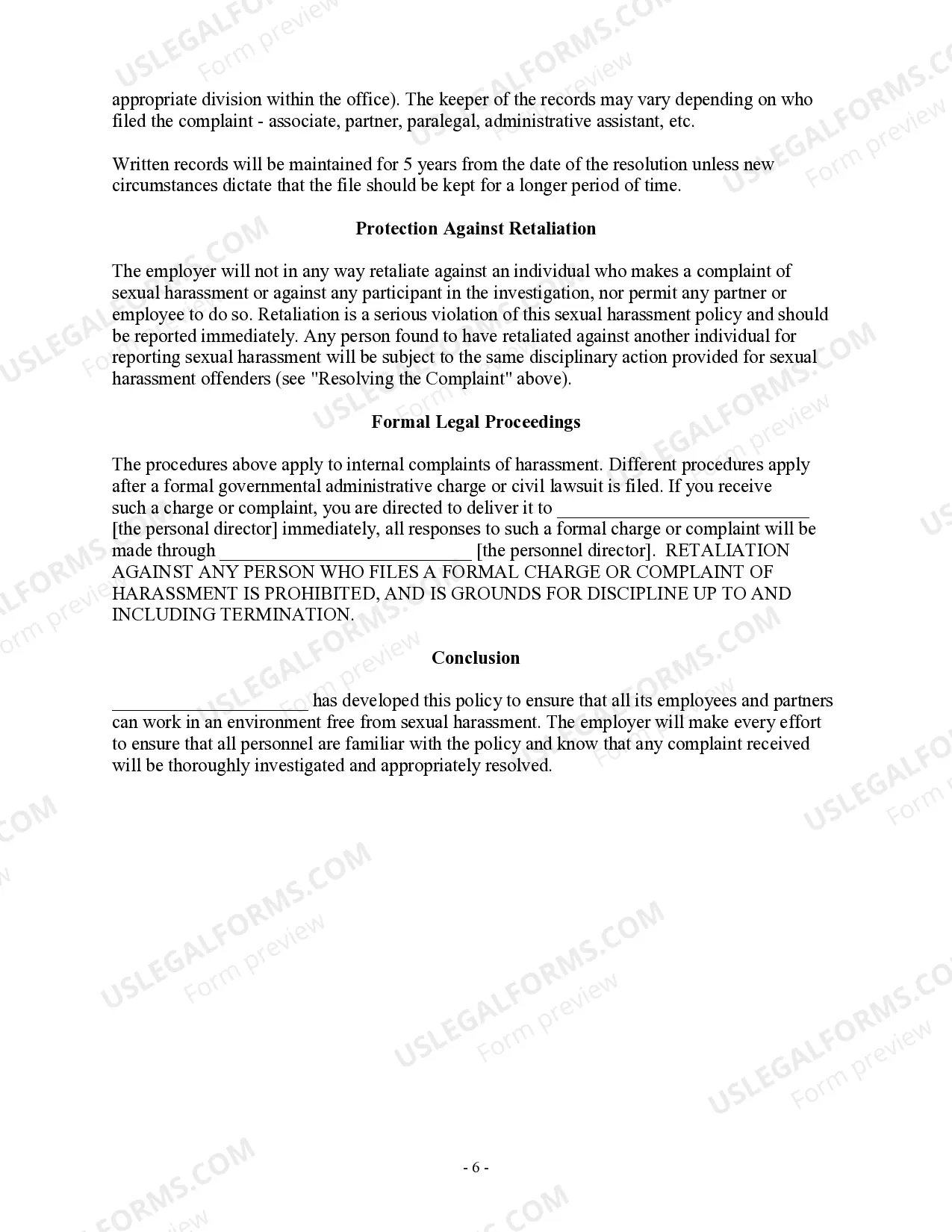
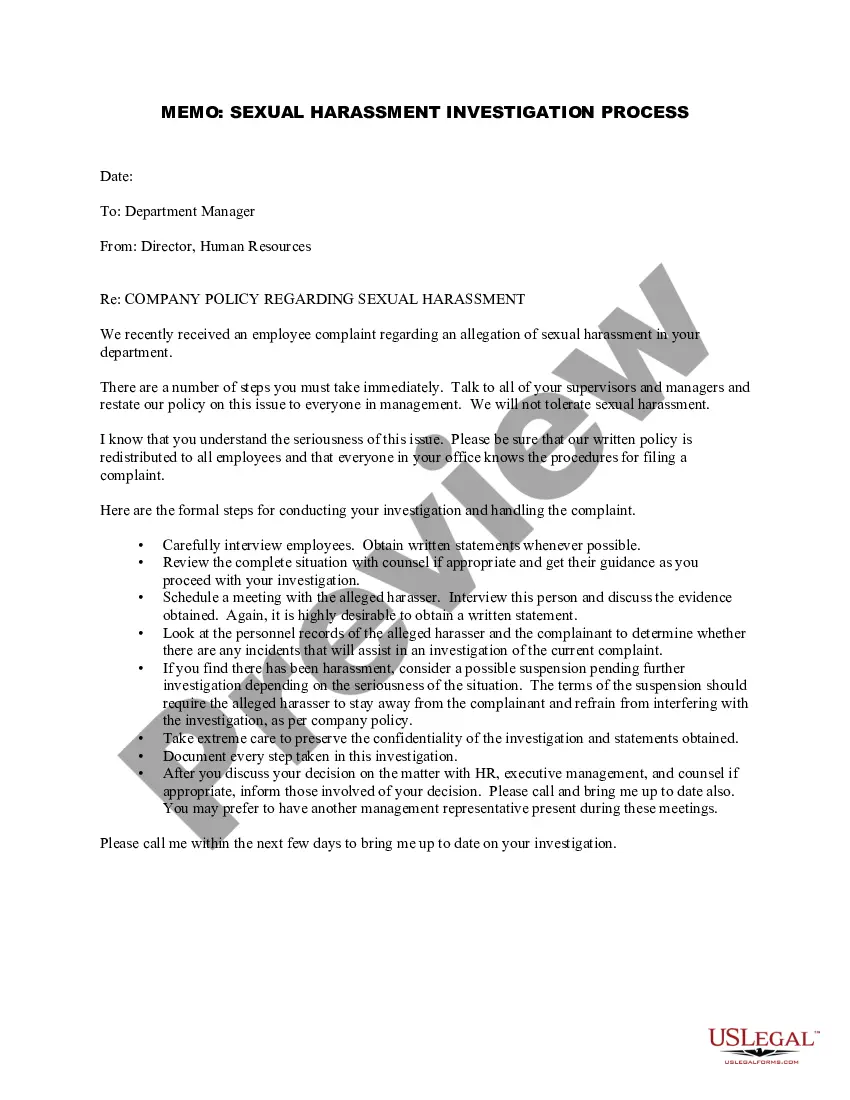
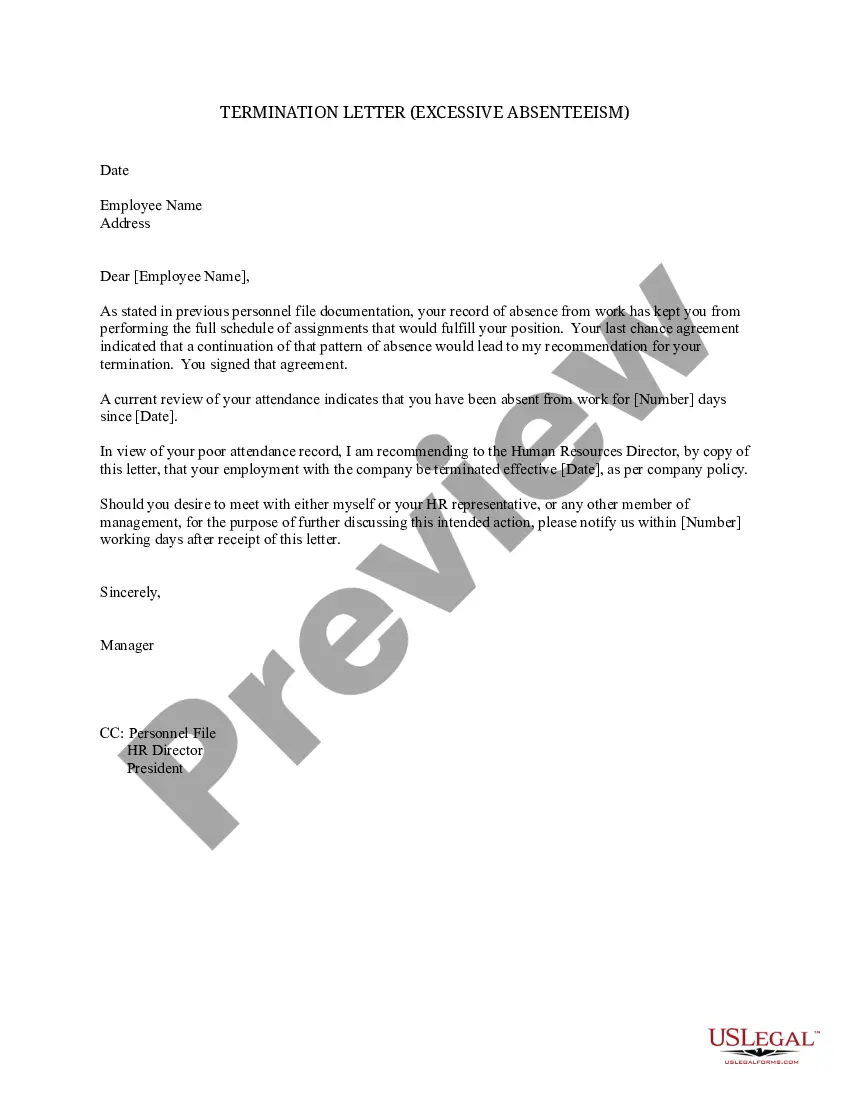
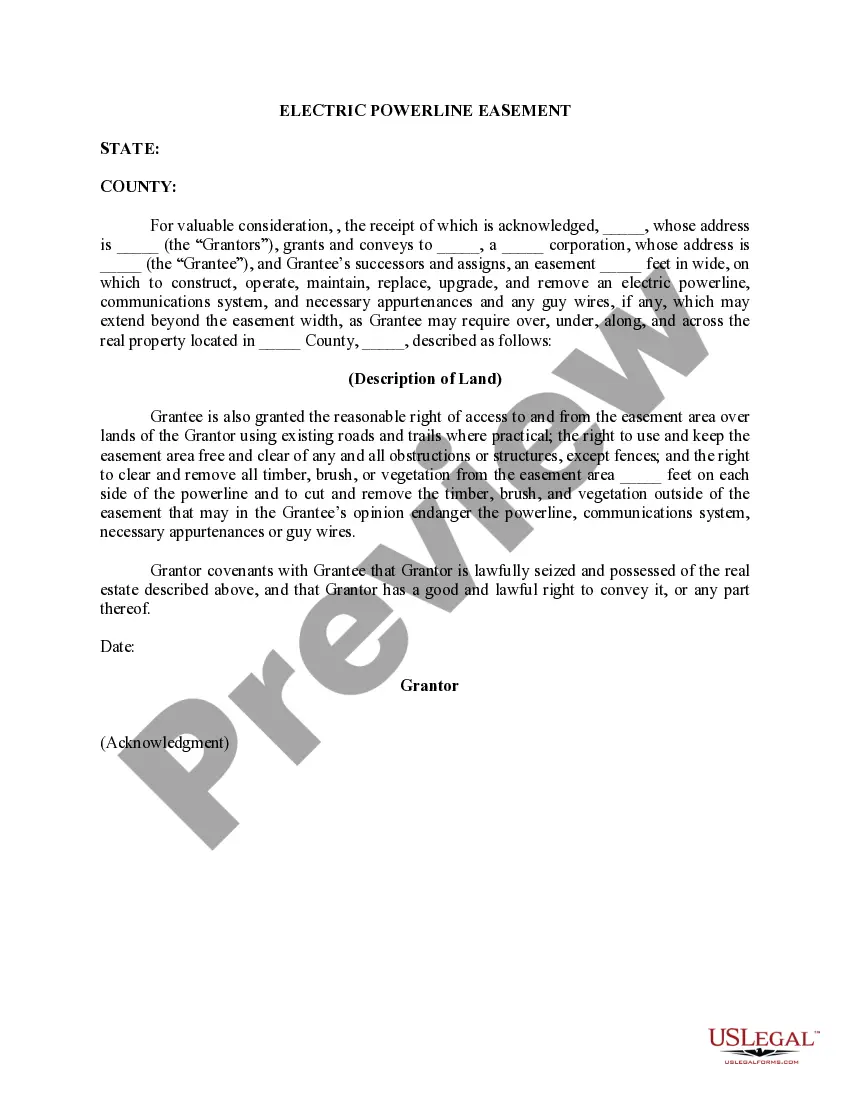
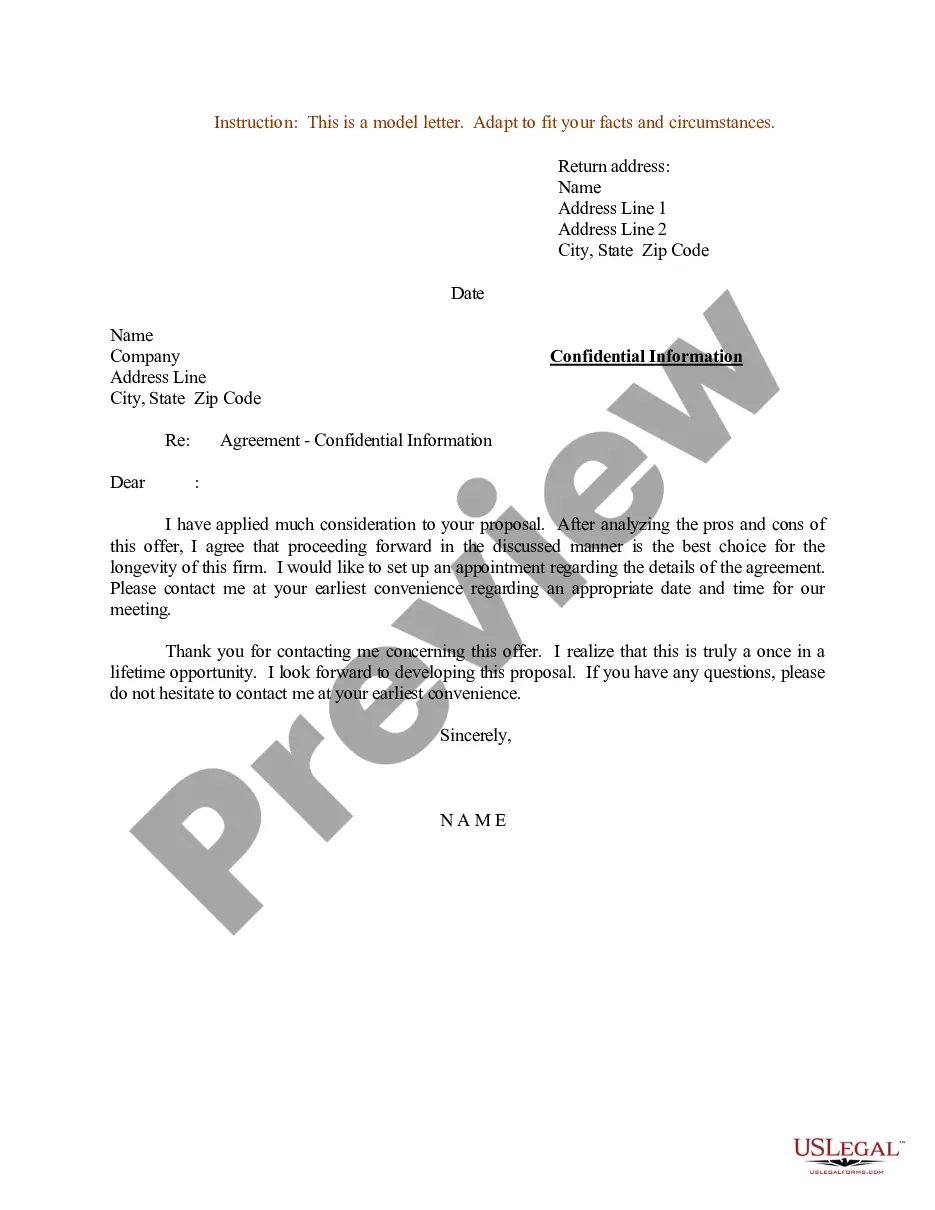
How to fill out Sexual Harassment Policy - Workplace?
Laws and statutes in every domain differ across the nation.
If you're not an attorney, it's simple to become confused by different regulations when it comes to creating legal papers.
To prevent costly legal aid while drafting the Wake Sexual Harassment Policy - Workplace, you need a legitimate template suited for your region.
After finding the right template, click the Buy Now button to purchase it.
- That’s when utilizing the US Legal Forms platform proves advantageous.
- US Legal Forms is a reliable online collection with over 85,000 state-specific legal templates trusted by millions.
- It's a fantastic resource for both professionals and individuals seeking do-it-yourself templates for various personal and business situations.
- All documents are reusable: once you select a template, it remains accessible in your profile for additional usage.
- So, if you possess an account with an active subscription, you can simply Log In and re-download the Wake Sexual Harassment Policy - Workplace from the My documents section.
- For new users, several additional steps are necessary to acquire the Wake Sexual Harassment Policy - Workplace.
- Review the page content to ensure you've located the correct sample.
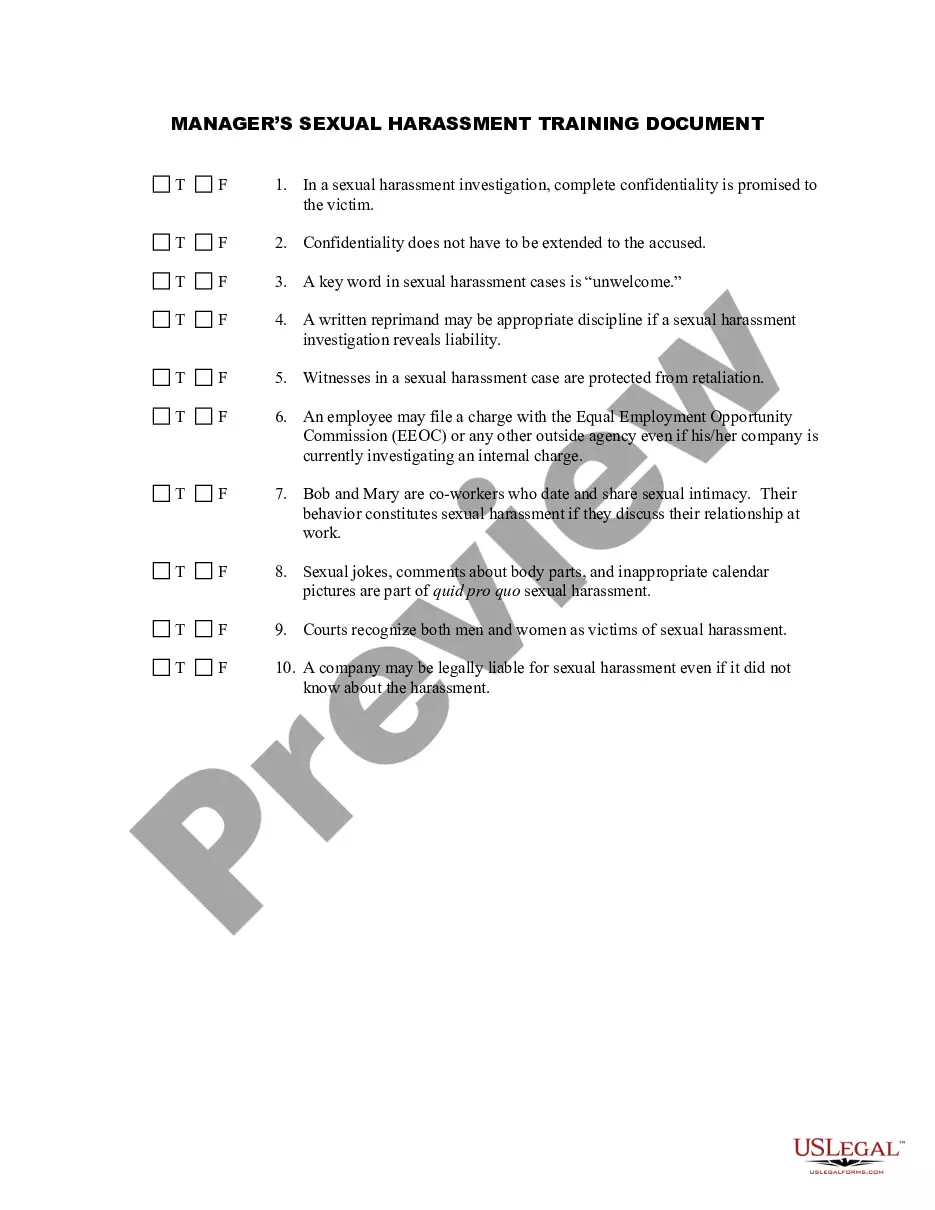
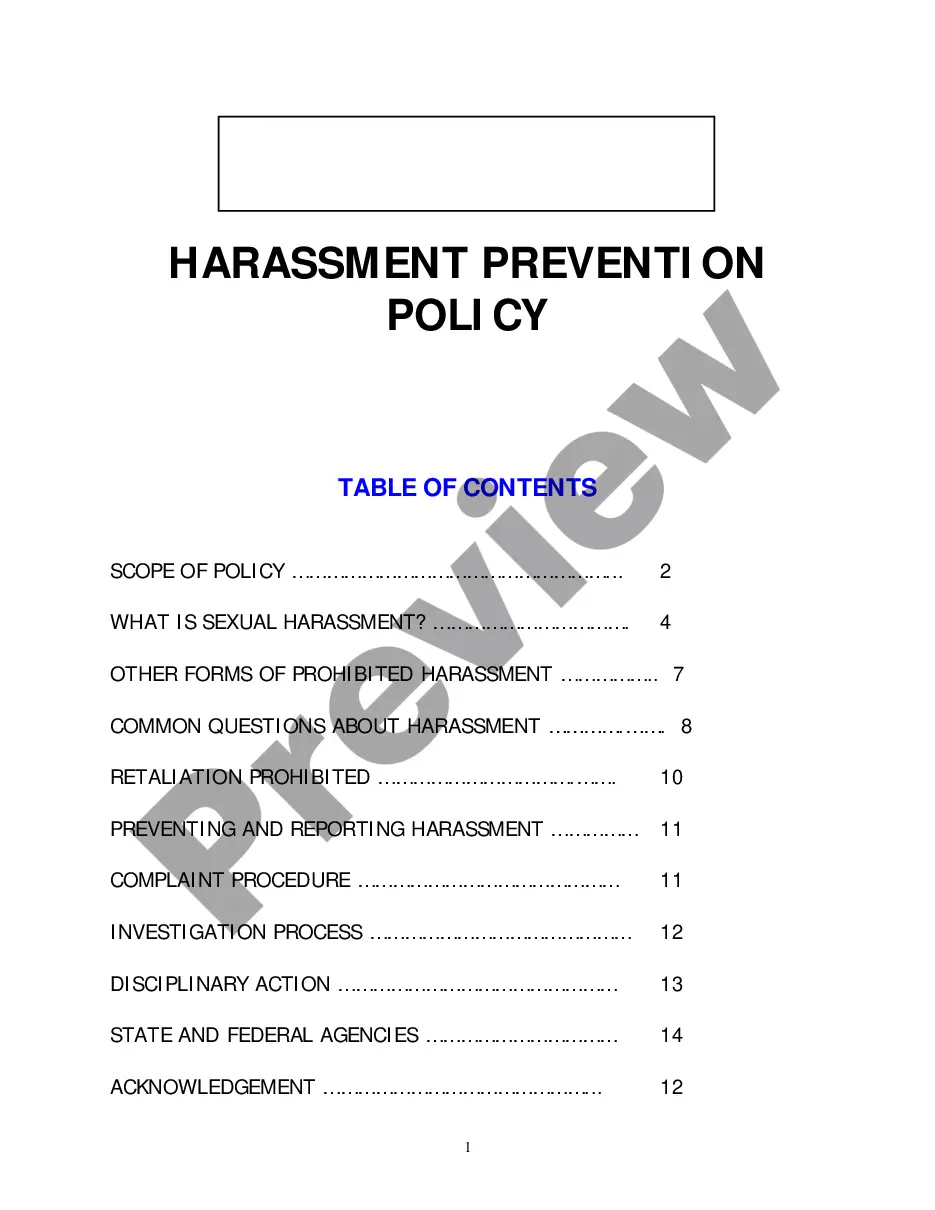
- Take advantage of the Preview function or read the form description if available.
Form popularity
FAQ
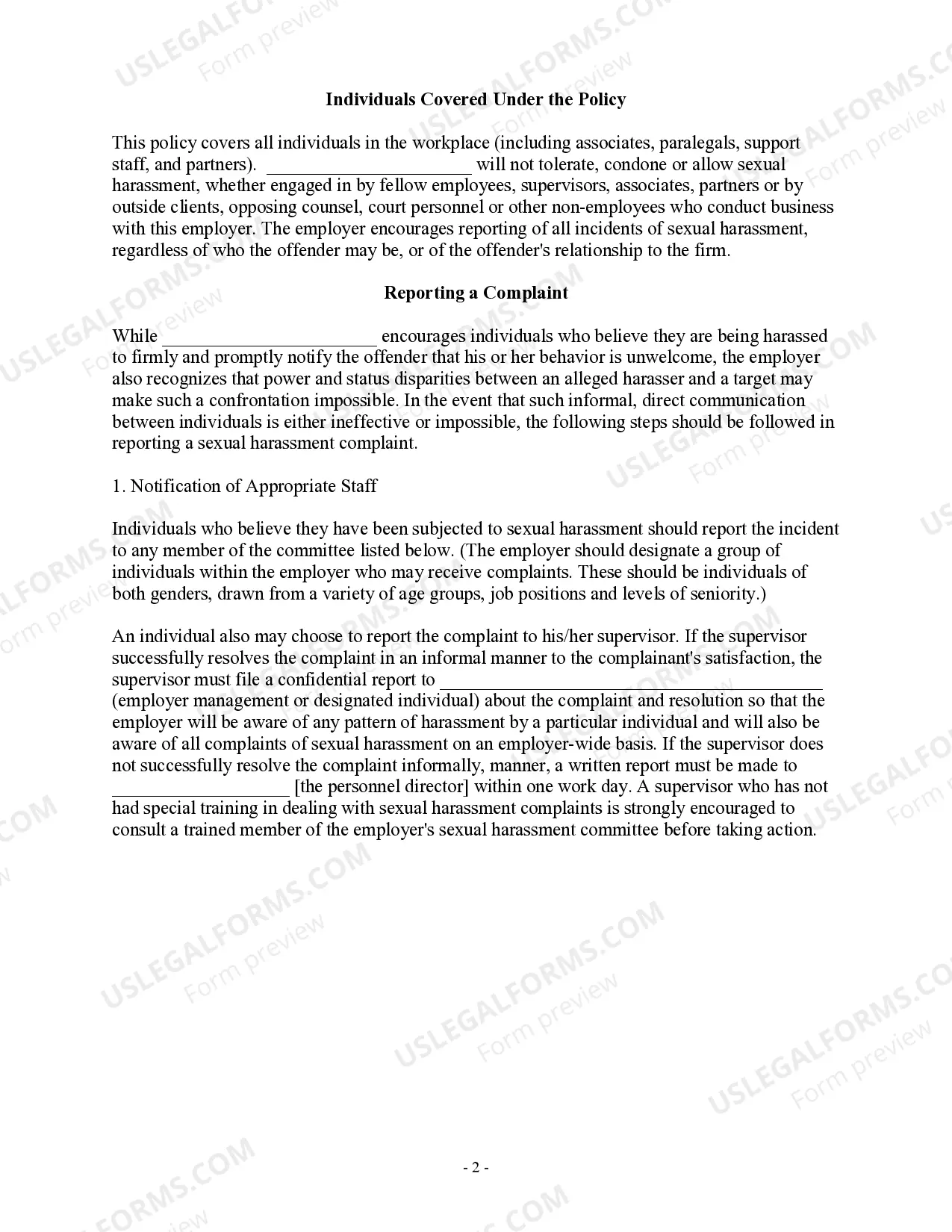
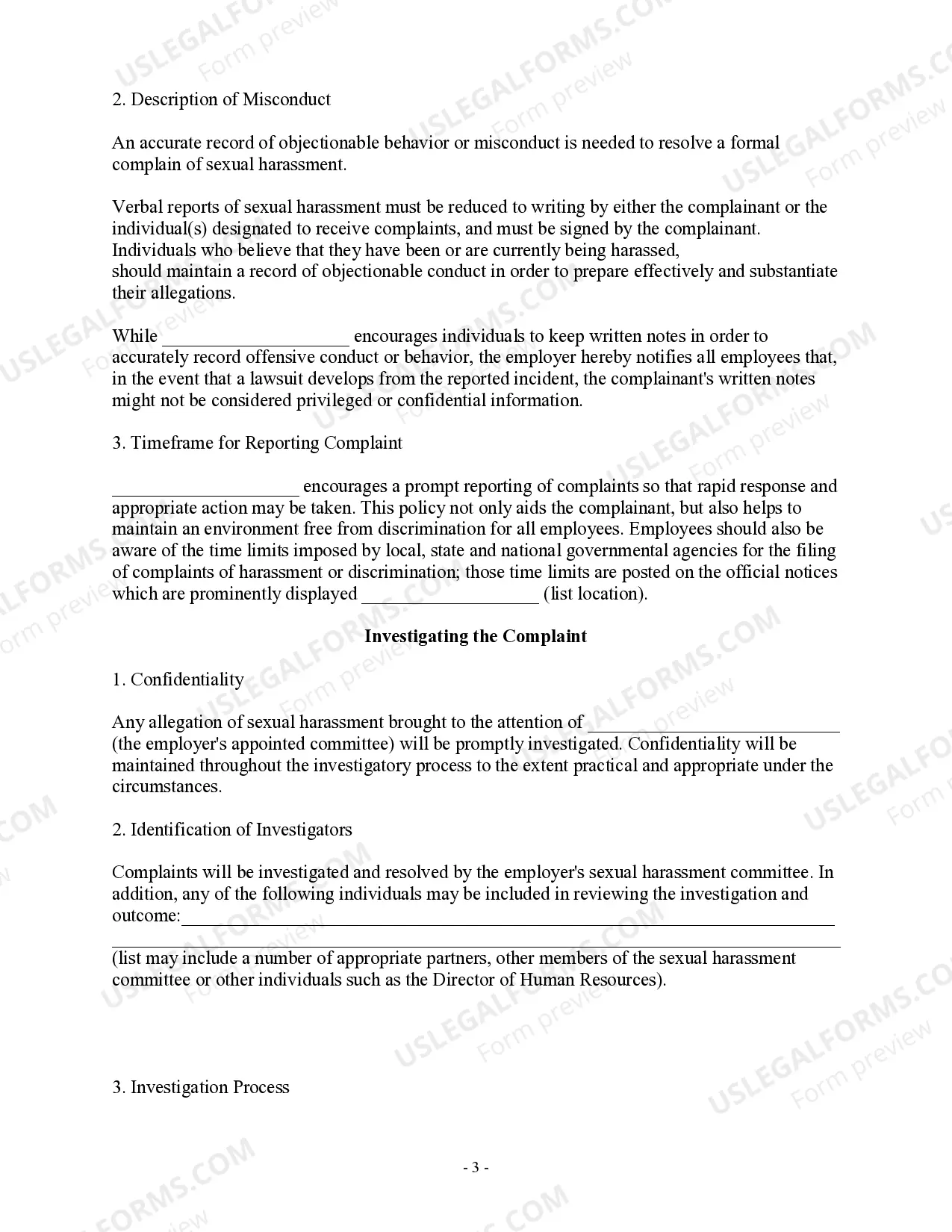
An anti-harassment policy outlines your workplace's commitment to maintaining a respectful and safe environment for all employees. This policy typically includes procedures for reporting violations and consequences for offenders. Understanding the Wake North Carolina Sexual Harassment Policy - Workplace can help you recognize your employer's obligations and your rights in such situations.
Image. State that harassment based on race, color, religion, sex (including pregnancy, sexual orientation, or gender identity), national origin, disability, age (40 or older) or genetic information (including family medical history) is illegal and will not be tolerated.
The Equal Employment Opportunity Commission (EEOC) defines harassment as unwelcome verbal or physical behavior that is based on race, color, religion, sex (including pregnancy), gender/gender identity, nationality, age (40 or older), physical or mental disability, or genetic information.
Document an Effective Policy Some points your harassment policy should include: That it applies to all employees at every level, plus applicants, clients and customers. An easy-to-understand description of forbidden conduct. Encourages employees to report questionable conduct even if it not quite unlawful harassment.
California law (called the Fair Employment and Housing Act or FEHA) prohibits discrimination, harassment and retaliation. The law also requires that employers take reasonable steps to prevent and correct wrongful (harassing, discriminatory, retaliatory) behavior in the workplace (Cal. Govt. Code §12940(k)).
The behaviors themselves, however, can be anything from offensive jokes cracked in the office, to lewd pictures taped to someone's desk, to mockery and put-downs in public, to threats of physical assaultor plain old interfering with a person's ability to do his or her job undisturbed.
Here are three types of workplace harassment, examples, and solutions to help you educate your employees for preventing workplace harassment. Verbal/Written. Physical. Visual.
These five categories cover most harassment situations employees may face on the job: Sexual harassment.Discrimination.Bullying.Power.Retaliation.A clear tone at the top.Strong anti-harassment policies.Safe, effective reporting.
According to the penal code of California, any of the following acts can be classified as harassment. Assault.Battery.Credible Threat of Violence.Stalking.Harassing Behavior.Civil Harassment.Domestic Harassment and Violence.Elder or Dependent Harassment.
Harassment is unwelcome conduct that is based on race, color, religion, sex (including sexual orientation, gender identity, or pregnancy), national origin, older age (beginning at age 40), disability, or genetic information (including family medical history).