Tampa Florida Conditional Sales Contract
Description




Form popularity
FAQ
Yes, a buyer can often exit a conditional contract if they meet specific criteria outlined in the agreement. The conditions usually specify circumstances that allow for withdrawal, such as failure to secure financing or home inspection issues. However, it's essential to understand the terms of the Tampa Florida Conditional Sales Contract and seek legal advice to navigate this process effectively.
A conditional sales contract is ideal when buyers require time to secure financing or finalize a sale while still wanting to occupy the property. This is especially useful in competitive markets like Tampa, where timing can be critical. If you find yourself in such a situation, consider using a Tampa Florida Conditional Sales Contract to facilitate your transaction smoothly.
Florida has introduced new regulations for realtors to enhance transparency and protect consumers. Among these changes, realtors must disclose additional information about fees and commission structures. Staying informed about the latest rules, especially in transactions involving a Tampa Florida Conditional Sales Contract, will help buyers and sellers navigate the real estate market more confidently.
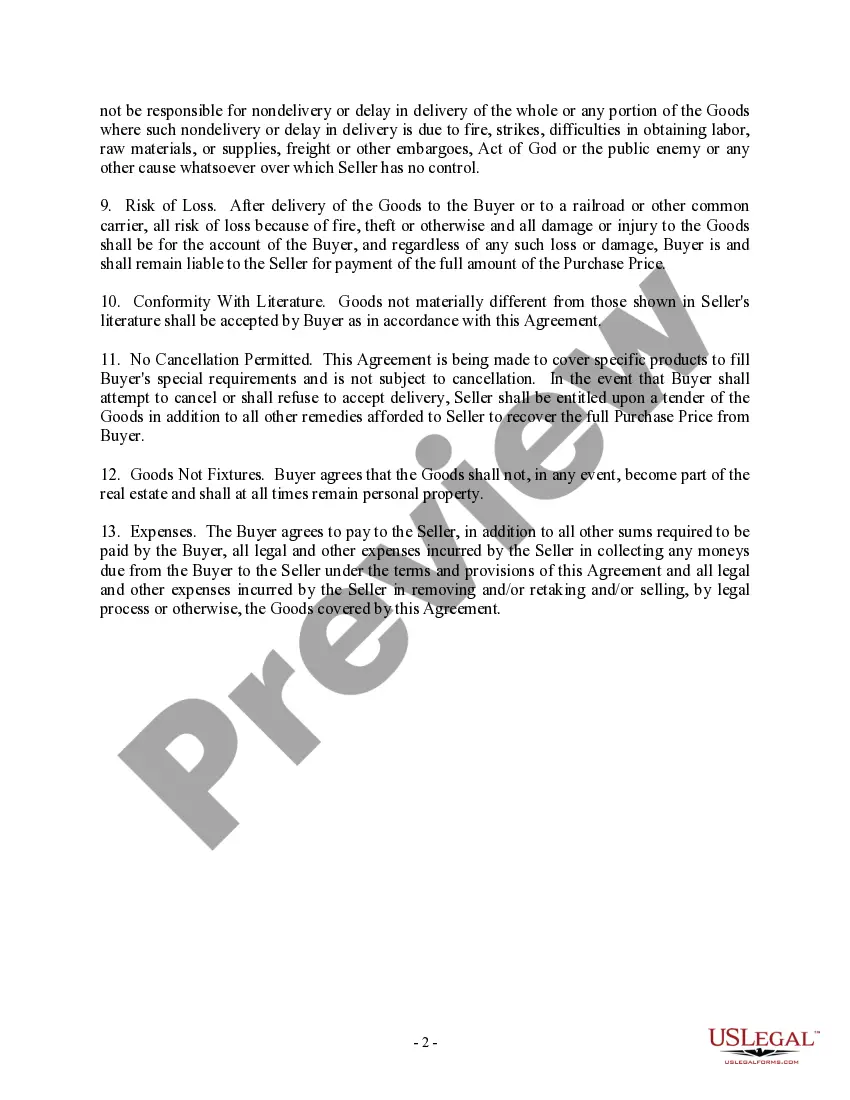
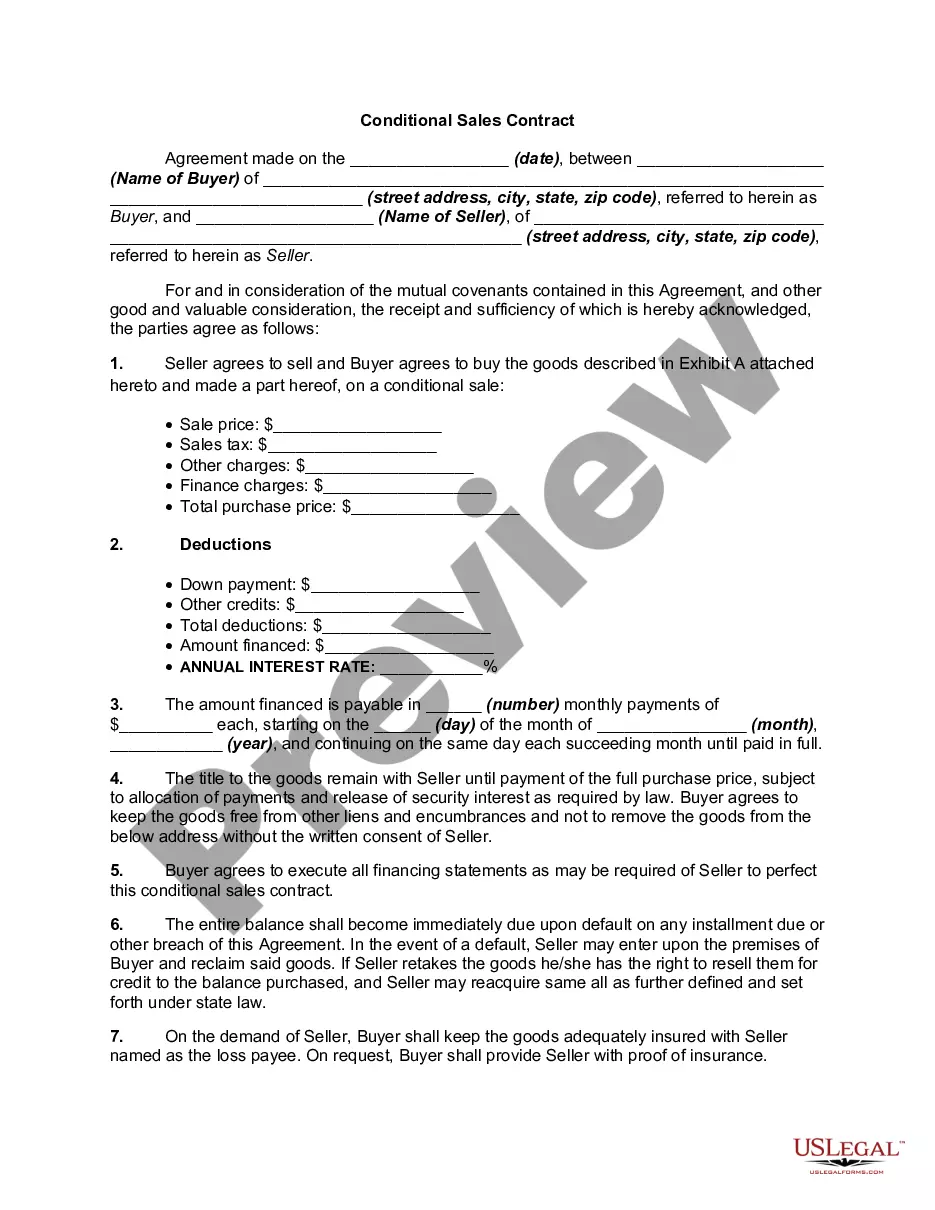
A conditional sales contract is an agreement where the buyer gains possession of a property while the seller retains ownership until specific conditions are fulfilled. This type of contract is common in transactions involving real estate, including the Tampa Florida Conditional Sales Contract. It allows the buyer to occupy the property while ensuring the seller has legal protections until the final payment is made.
In Florida, you can sometimes back out of a real estate contract under specific circumstances. A Tampa Florida Conditional Sales Contract typically includes contingencies that allow buyers to exit the agreement if certain conditions are not met. It's crucial to read your contract carefully to understand your options and obligations. Consulting a legal expert can help clarify your position.
In Florida, the two main types of real estate contracts are residential contracts and commercial contracts. Residential contracts cover the sale of individual homes or condominiums, while commercial contracts pertain to business properties. Understanding the distinction is crucial when dealing with a Tampa Florida Conditional Sales Contract, as it influences the terms and obligations for both buyers and sellers. Always consult with a qualified professional to choose the correct contract for your needs.
To obtain a contract of sale in Tampa, Florida, you can begin by visiting reputable online platforms, such as US Legal Forms. These platforms provide access to customizable templates for Tampa Florida Conditional Sales Contracts. After selecting a suitable template, you can fill it out with the necessary details of the transaction. Finally, ensure both parties review and sign the document to finalize the agreement.
Conditional contracts are legal agreements where the obligations of one or both parties depend on the occurrence of specific conditions. In a Tampa Florida Conditional Sales Contract, these contracts often pertain to the sale of property or goods, allowing buyers to acquire items while the transfer of ownership is contingent upon fulfilling certain requirements. This structure provides essential protections for both parties involved in the transaction.
Yes, a seller can pull out of a conditional contract, but it typically depends on the specific terms outlined in the agreement. For instance, if the buyer fails to meet the agreed-upon conditions in a Tampa Florida Conditional Sales Contract, the seller has the right to terminate the contract. However, both parties should communicate openly to mitigate potential disputes and ensure fairness in the process.
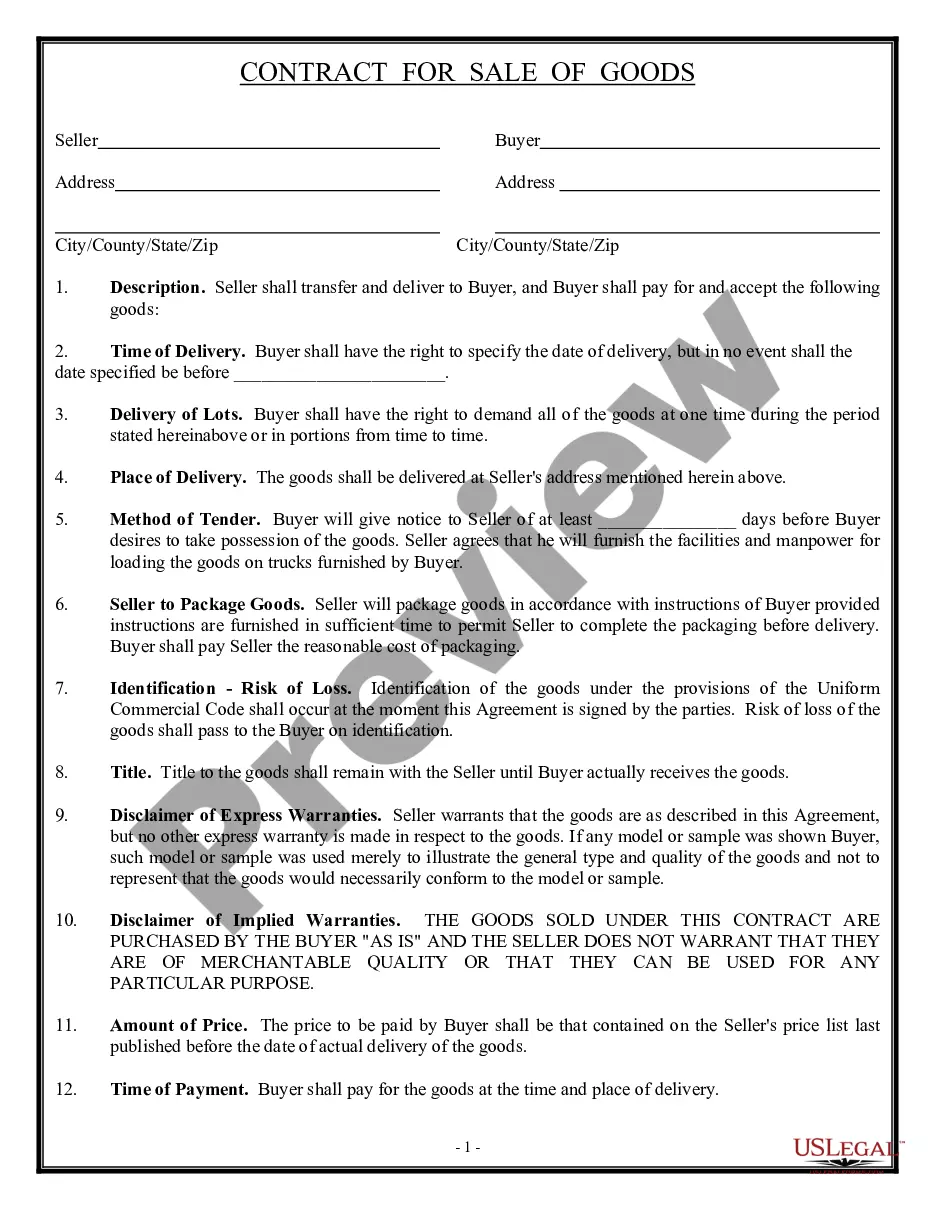
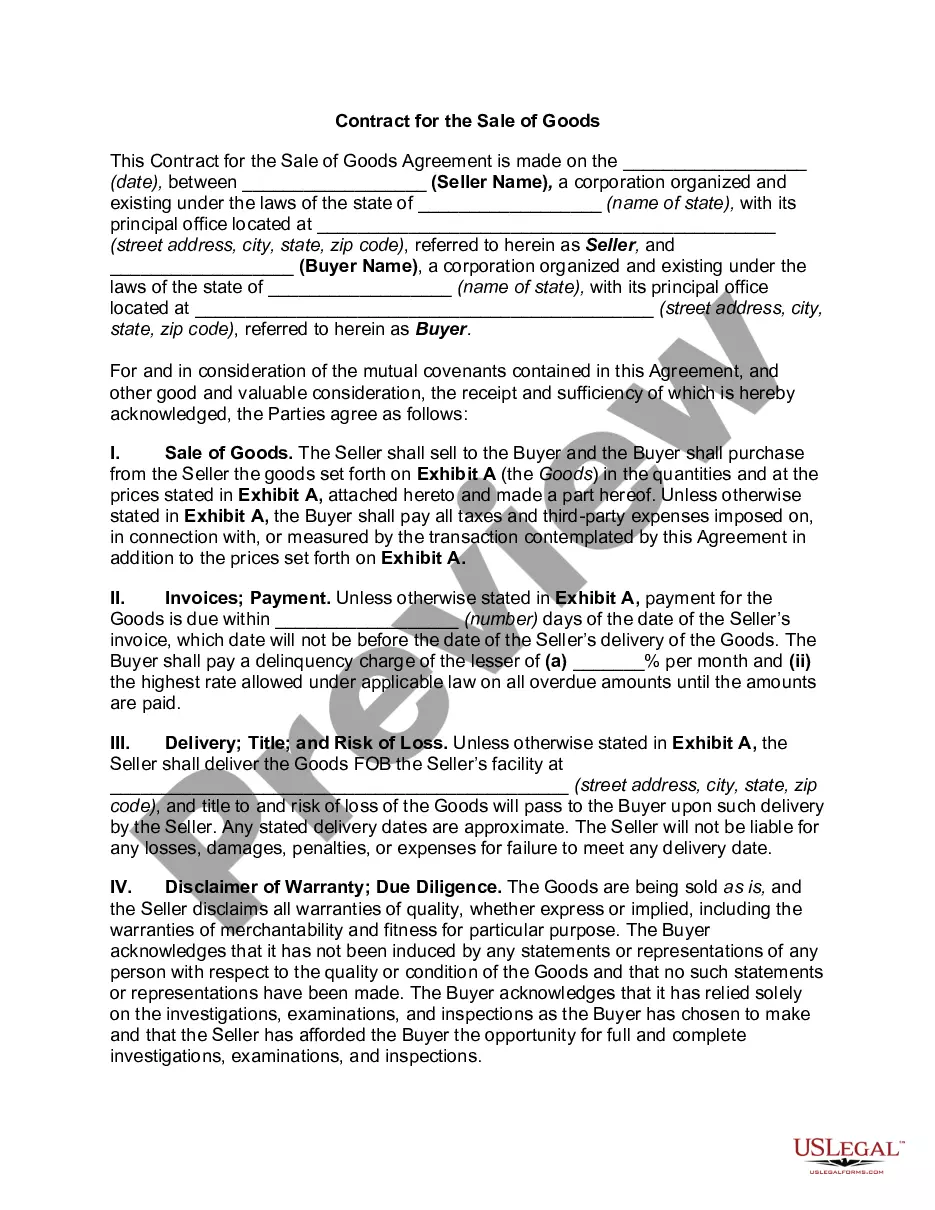
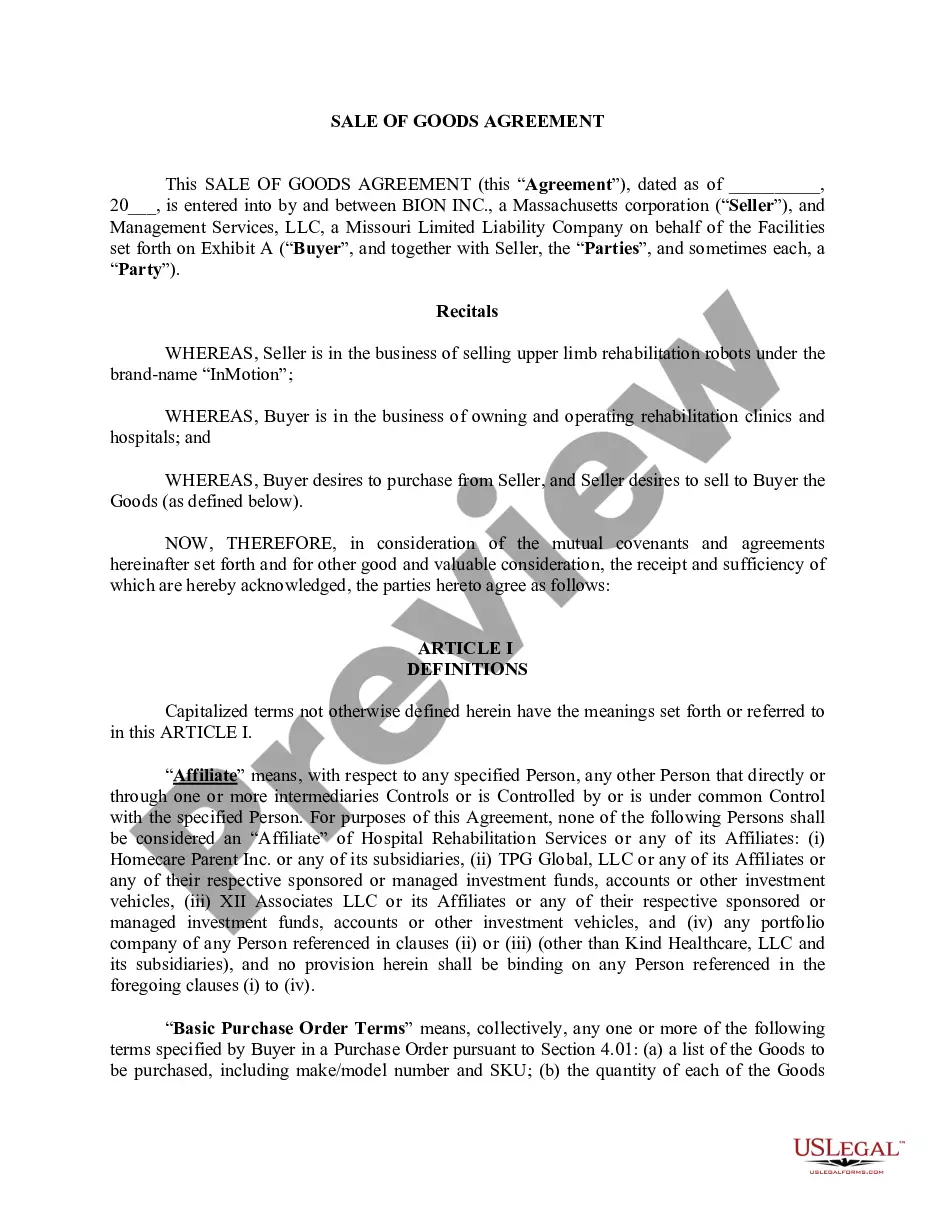
Filling out a sales contract involves several key steps. First, include the details of both the buyer and the seller, and describe the product or property being sold. Next, specify the payment terms and any conditions that must be met, typical of a Tampa Florida Conditional Sales Contract. Lastly, ensure both parties sign the document to make it legally binding, providing peace of mind for everyone involved.