Irvine California Revocable Trust for Real Estate
Description






Form popularity
FAQ
Despite its advantages, an Irvine California Revocable Trust for Real Estate also comes with some disadvantages. One main concern is the potential costs involved in setting up and maintaining the trust. Additionally, while a revocable living trust can avoid probate, it does not protect assets from creditors and may not offer tax benefits. Carefully weighing these factors can help you make an informed decision.
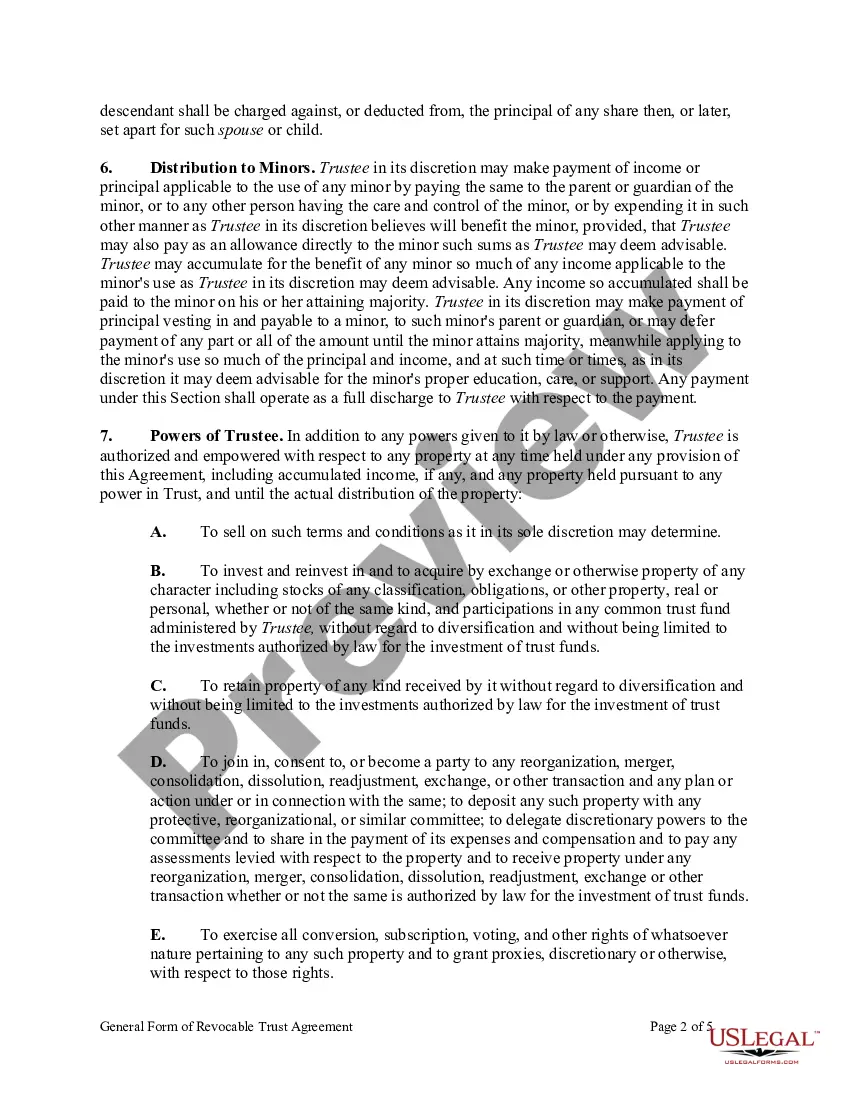
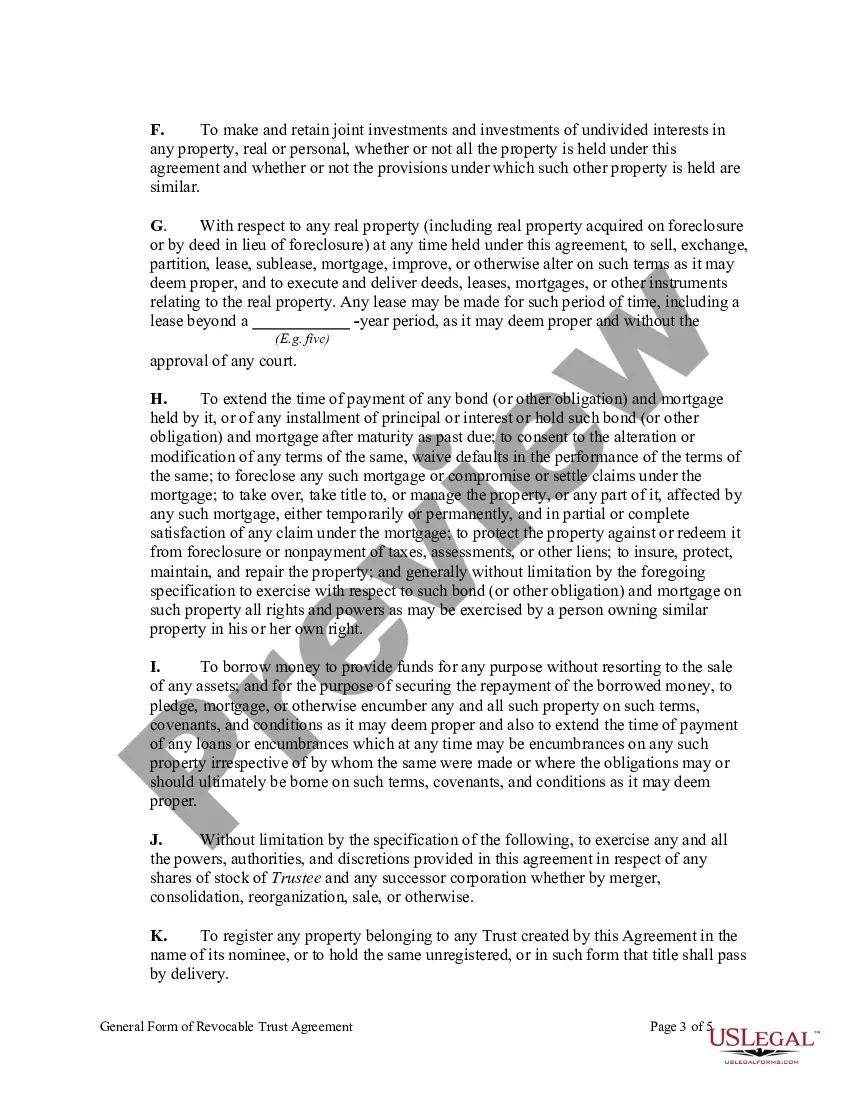
To set up a revocable living trust in California, start by selecting a reliable trustee, who will manage the trust during your lifetime. Next, you will need to draft the trust document, clearly detailing your wishes for asset distribution. Using resources such as Uslegalforms can simplify the process of creating an Irvine California Revocable Trust for Real Estate, ensuring compliance with California law.
Yes, you can set up a revocable trust without a lawyer, but caution is advised. There are many resources available online, including user-friendly platforms like Uslegalforms, which can guide you through the process. However, it’s essential to ensure you understand the legal requirements in California to create a valid Irvine California Revocable Trust for Real Estate.
While an Irvine California Revocable Trust for Real Estate has many benefits, it also has disadvantages. You may face initial costs to set up the trust and transfer assets into it. Additionally, if you ever decide to sell the property, the process can be more complex compared to holding the property directly. It’s important to evaluate these challenges before deciding to create a trust.
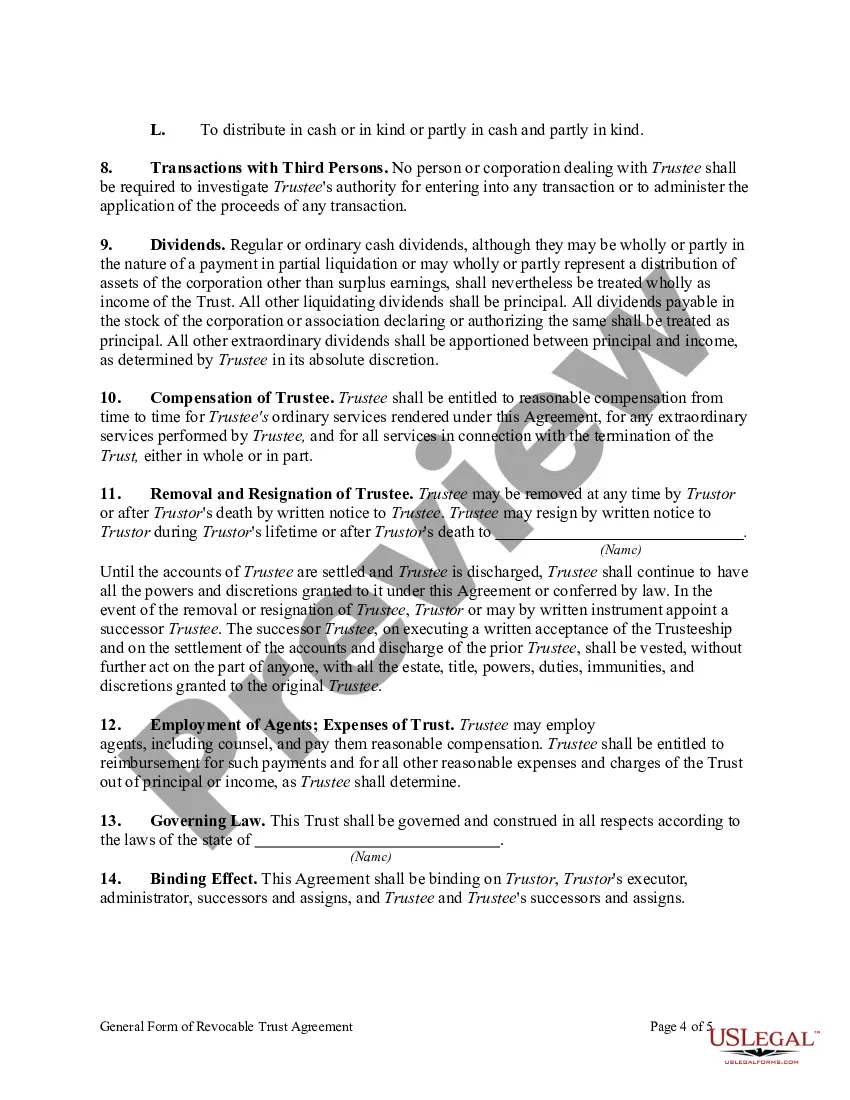
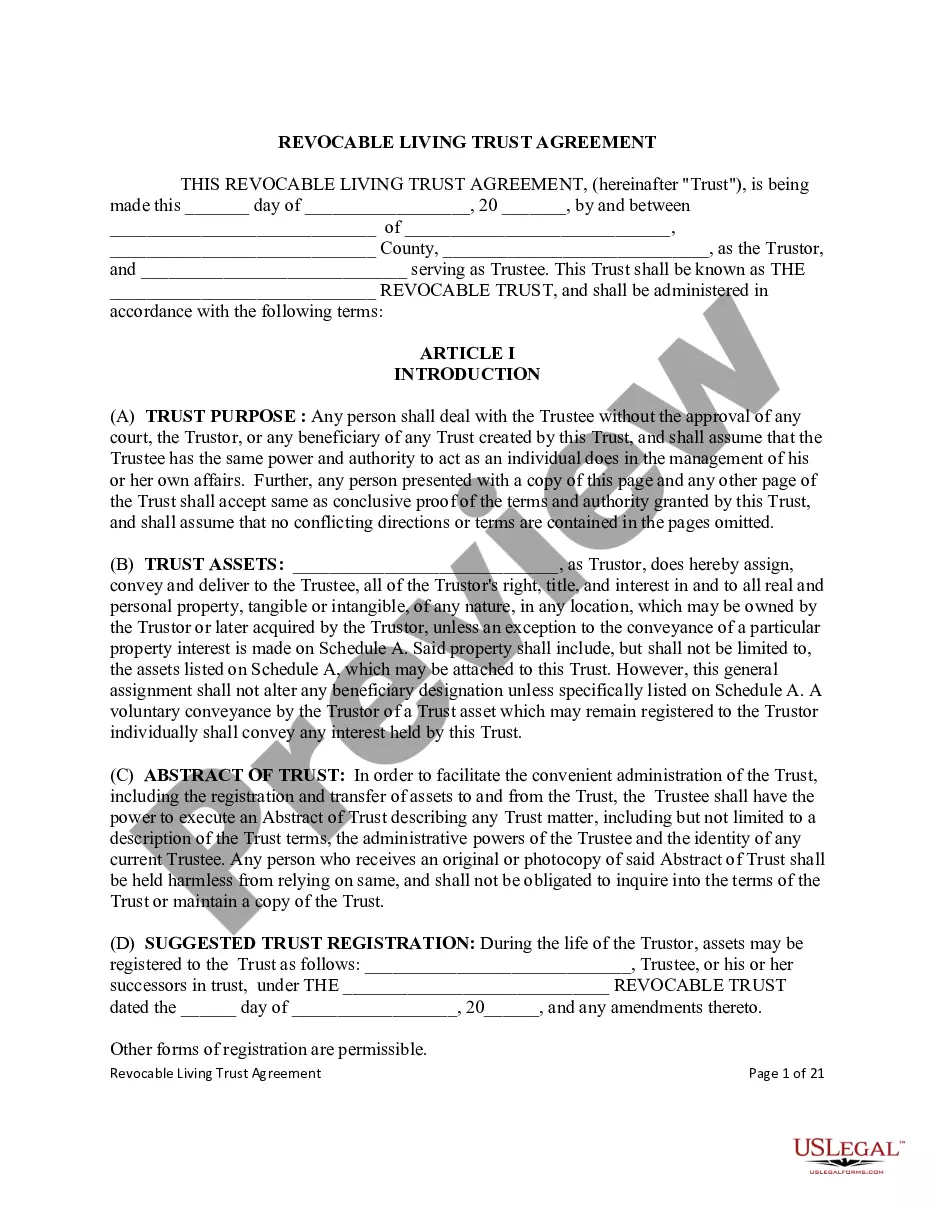
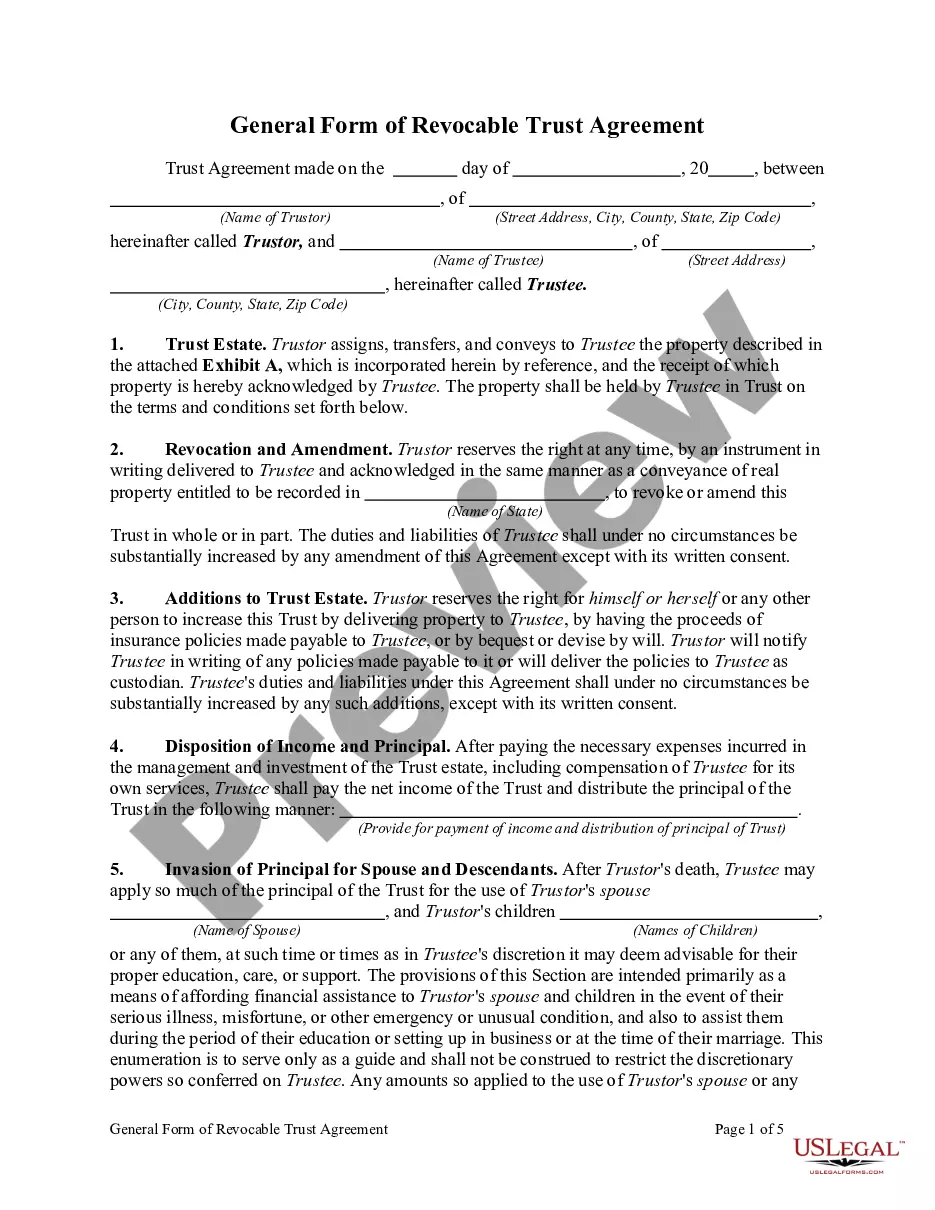
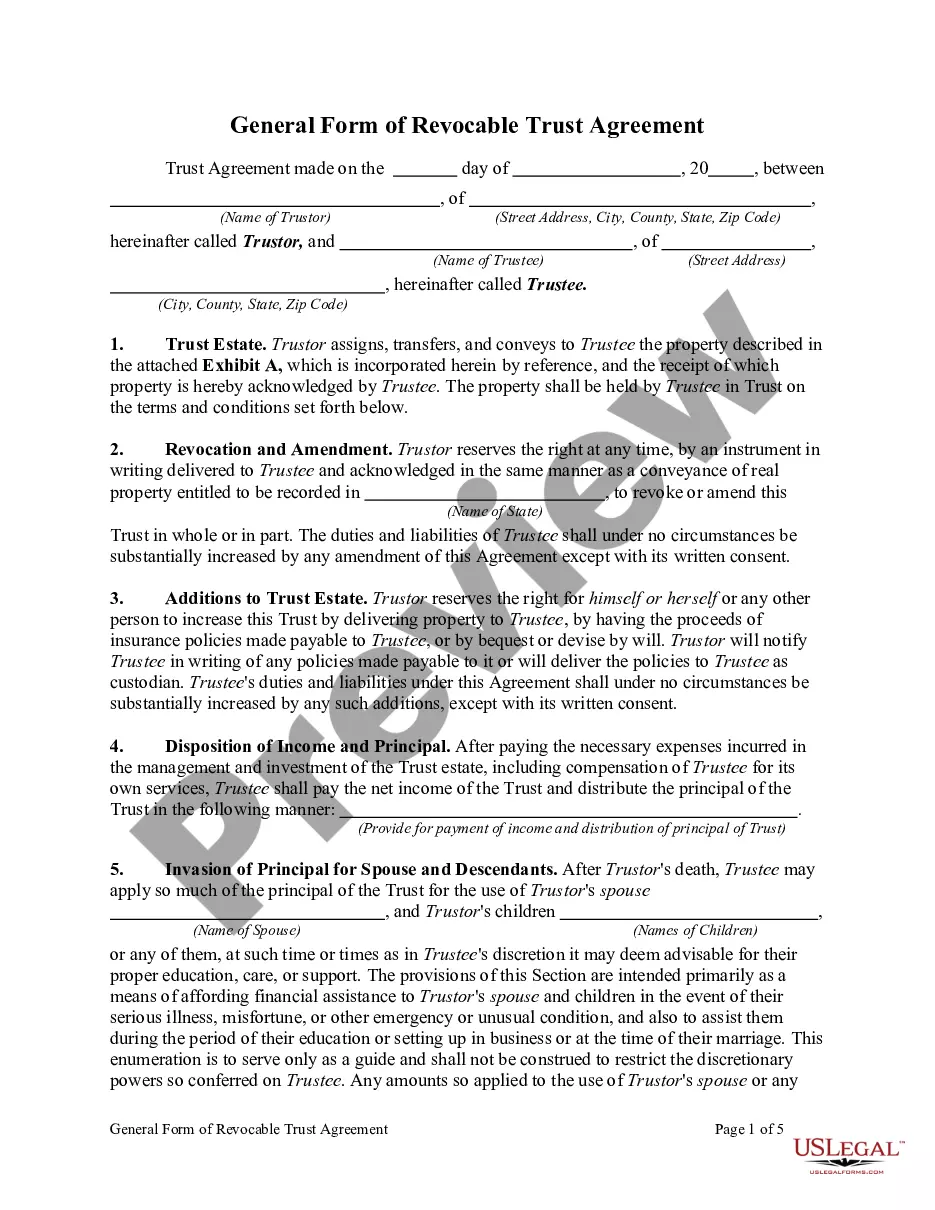
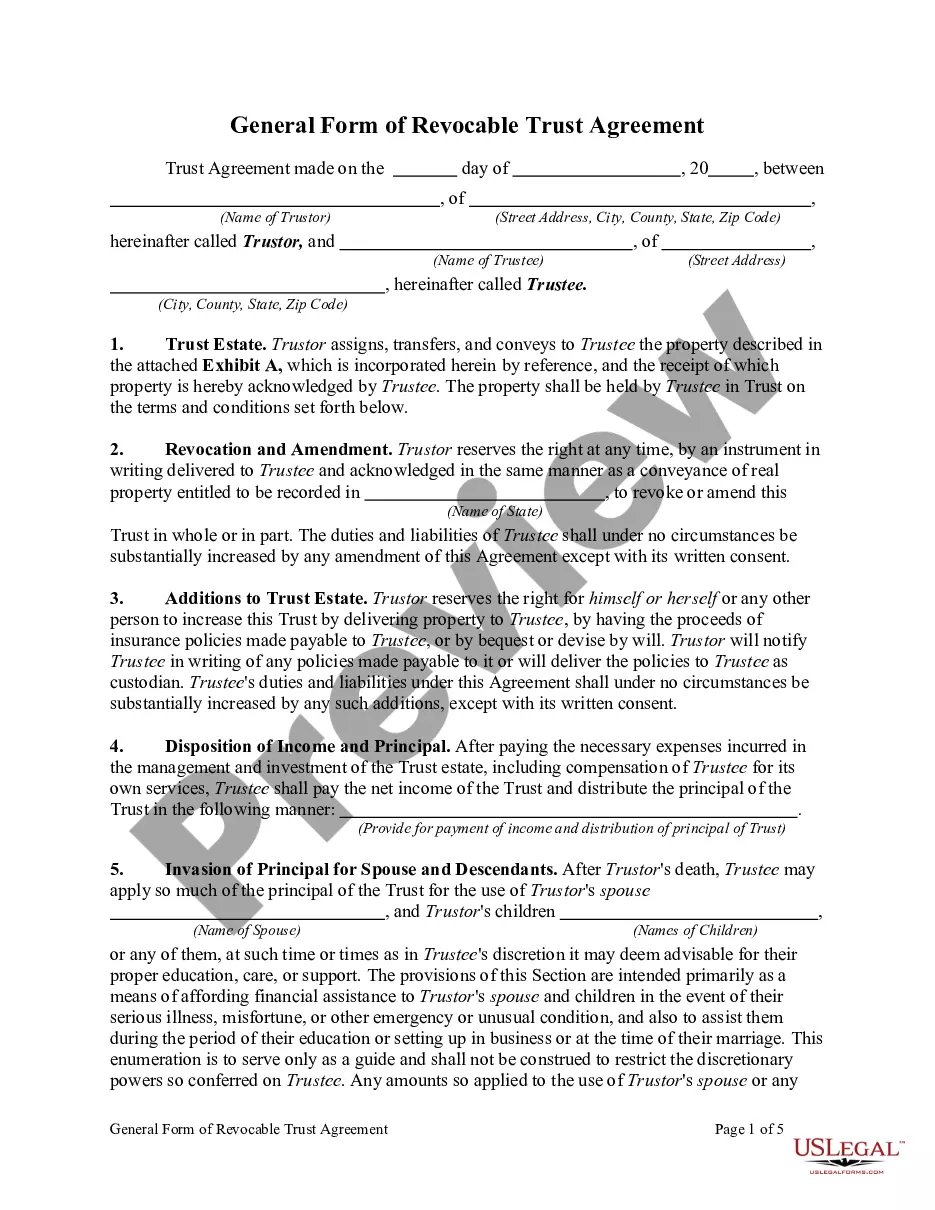
Setting up an Irvine California Revocable Trust for Real Estate involves several key steps. First, you will need to choose a trustee, who will manage the trust assets. Next, you will draft the trust document, specifying how your assets will be distributed upon your death. Finally, transfer your real estate and other assets into the trust to ensure they are managed according to your wishes.
Recording a trust in California is generally unnecessary, as revocable trusts do not become public documents unless they are contested. However, if your trust involves real estate, it is essential to make sure the property is titled in the trust's name to protect your assets. This step helps in maintaining privacy and simplifying transactions. You can explore USLegalForms to find user-friendly resources that assist in documenting and managing your Irvine California revocable trust for real estate.
California law does not require you to file a trust with a court. However, revocable trusts, including an Irvine California revocable trust for real estate, must be clearly outlined and maintained to avoid complications during legal proceedings. Keeping proper documentation reduces confusion during the administration of your trust. USLegalForms offers templates and tools to help you navigate this process effectively.
In California, a revocable living trust does not need to be recorded with any government office. However, if the trust holds real estate, it is wise to transfer the property into the trust to ensure clear ownership. By doing this, you can avoid probate and simplify the management of your Irvine California revocable trust for real estate. For further guidance, you might consider using resources from USLegalForms.
In an Irvine California Revocable Trust for Real Estate, the person who creates the trust, known as the trustor, retains ownership and control of the property while they are alive. The trust acts as a legal entity, but for all practical purposes, you still maintain all rights to the property. Upon your passing, the property will be transferred to the beneficiaries you designate, avoiding the probate process. This setup ensures that your wishes are honored while simplifying the transfer of your assets.
One disadvantage of establishing an Irvine California Revocable Trust for Real Estate is that it may not protect your assets from creditors or lawsuits. Additionally, managing the trust might incur legal fees and require ongoing administration. Moreover, if you choose to sell your house, the process could be a bit more complicated than if the property were held in your name directly. Overall, understanding these drawbacks can help you make an informed decision.