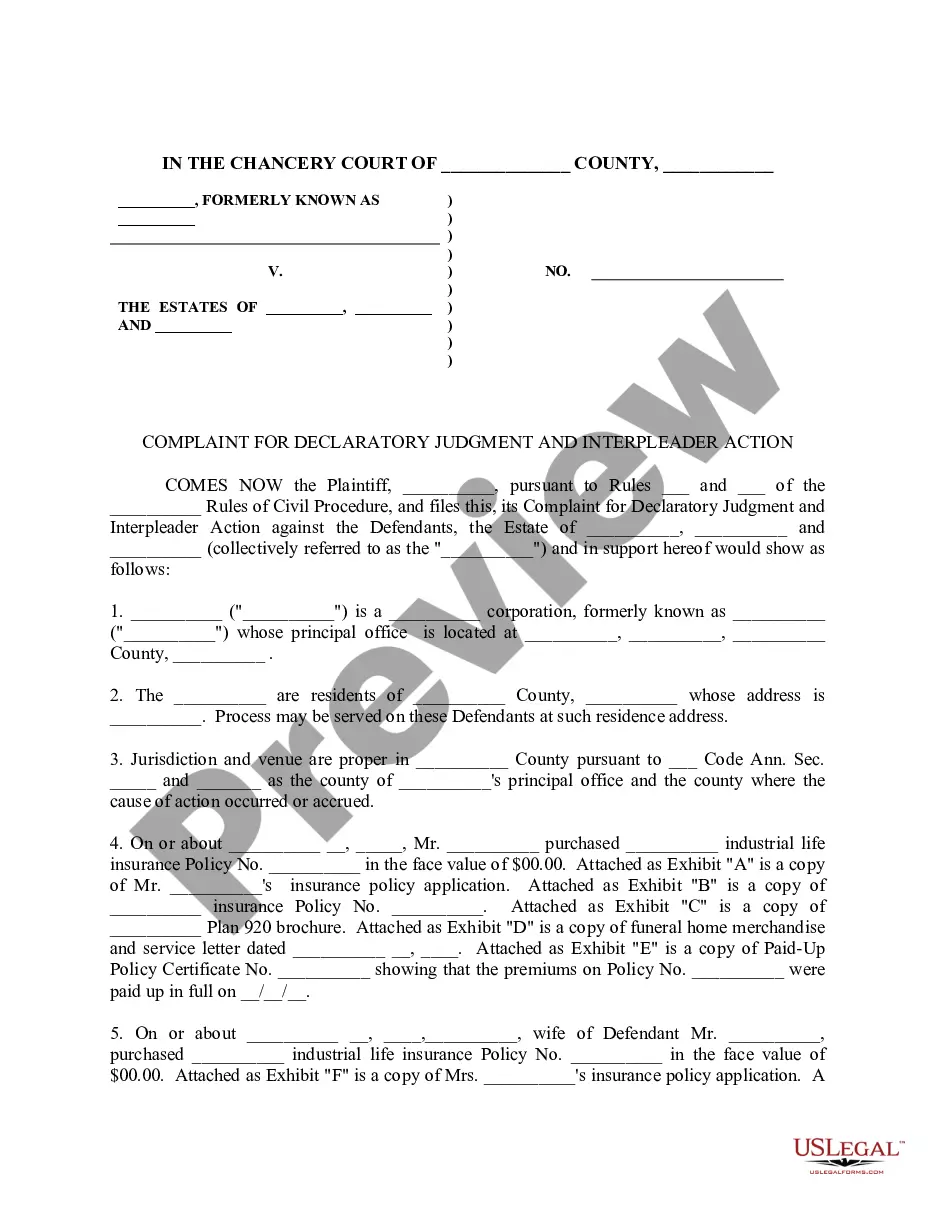
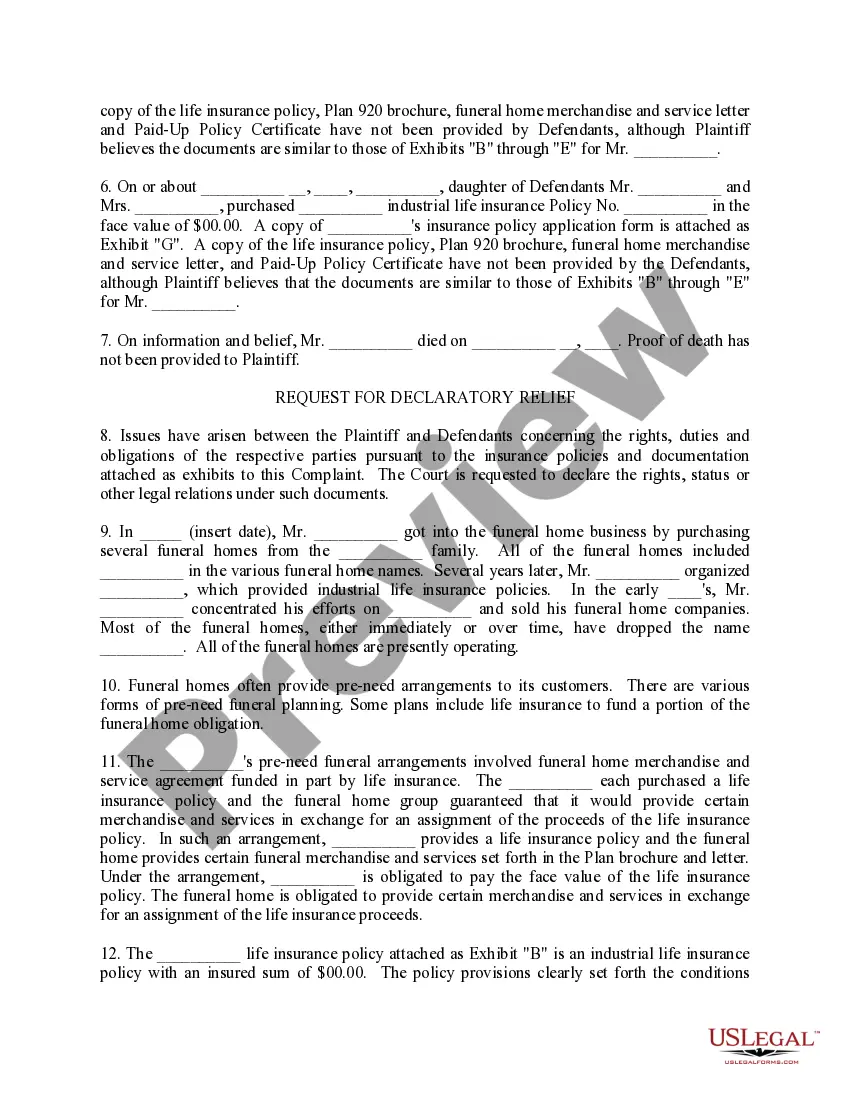
Pittsburgh Pennsylvania Complaint for Declaratory Judgment and Interpleader Action or Burial Policy
Description




Form popularity
FAQ
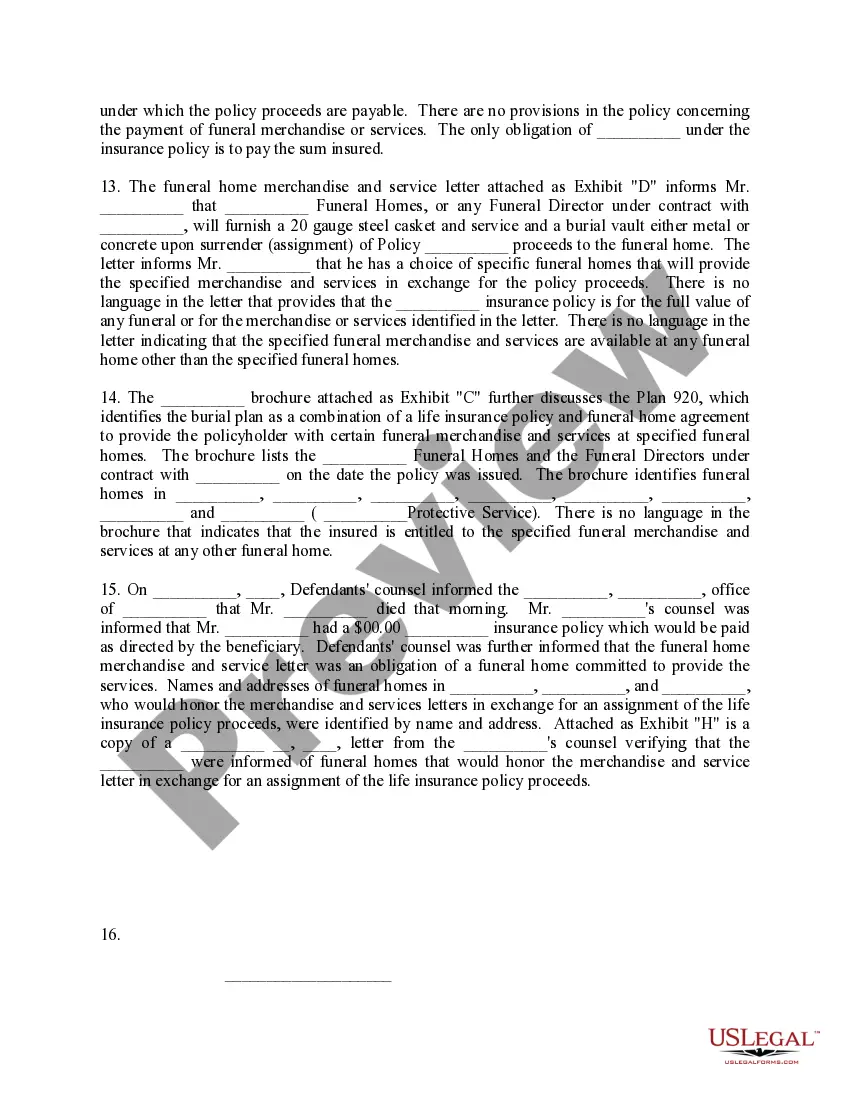
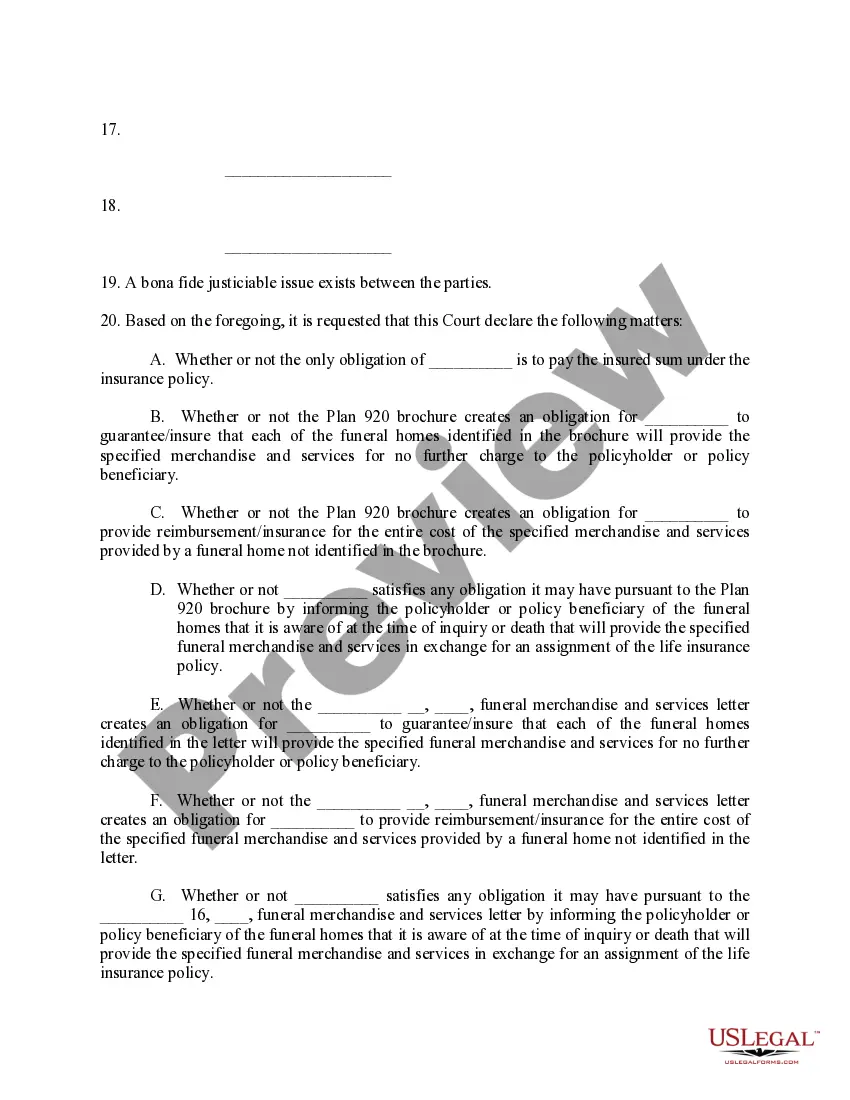
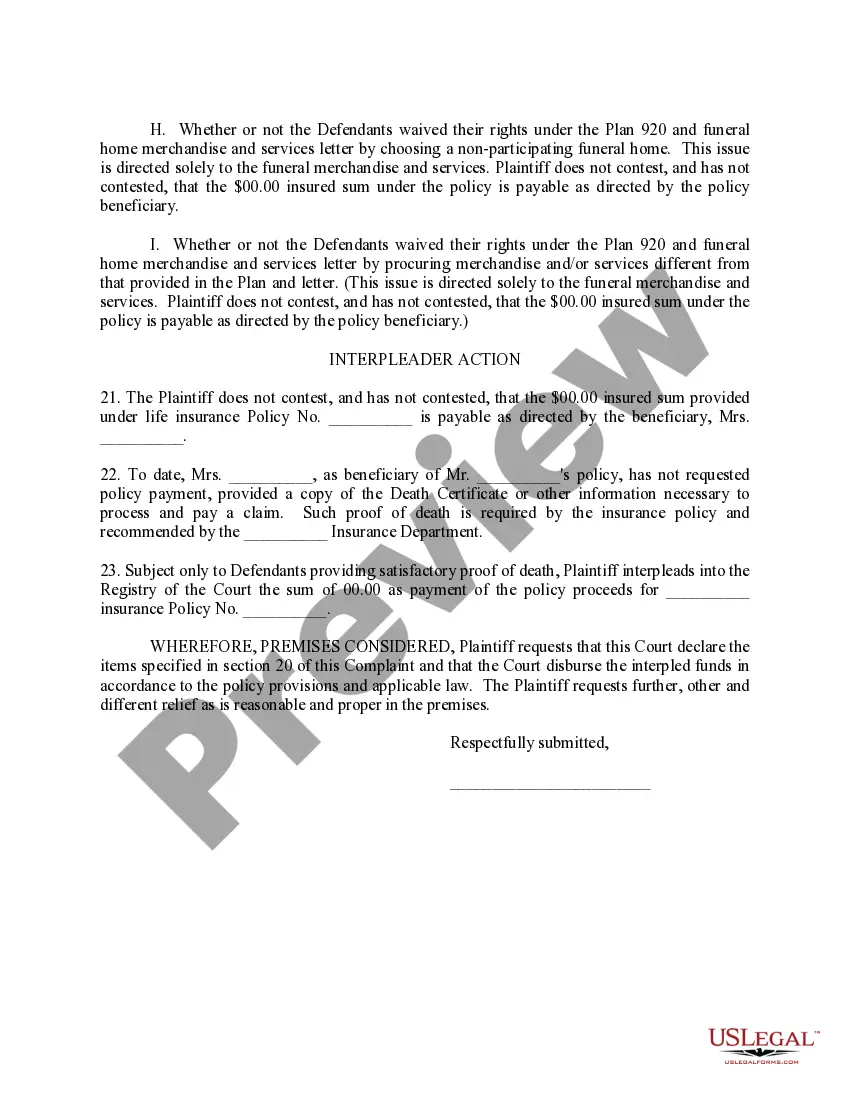
It may be appropriate to bring a declaratory judgment action when there's uncertainty about a legal right or when parties want the court to clarify a contract's meaning. For instance, in cases involving multiple beneficiaries of a burial policy, a Pittsburgh Pennsylvania Complaint for Declaratory Judgment and Interpleader Action can prevent future conflicts. Engaging with US Legal Forms can streamline this process, providing you with the necessary legal forms and guidance.
While the terms may vary slightly, a complaint for declaratory judgment serves the same purpose as its counterpart. It requests the court to determine the rights, duties, or obligations of parties involved without necessitating further action. In situations involving complex matters like a Pittsburgh Pennsylvania Complaint for Declaratory Judgment and Interpleader Action or Burial Policy, this complaint can provide clarity and help to settle disputes.
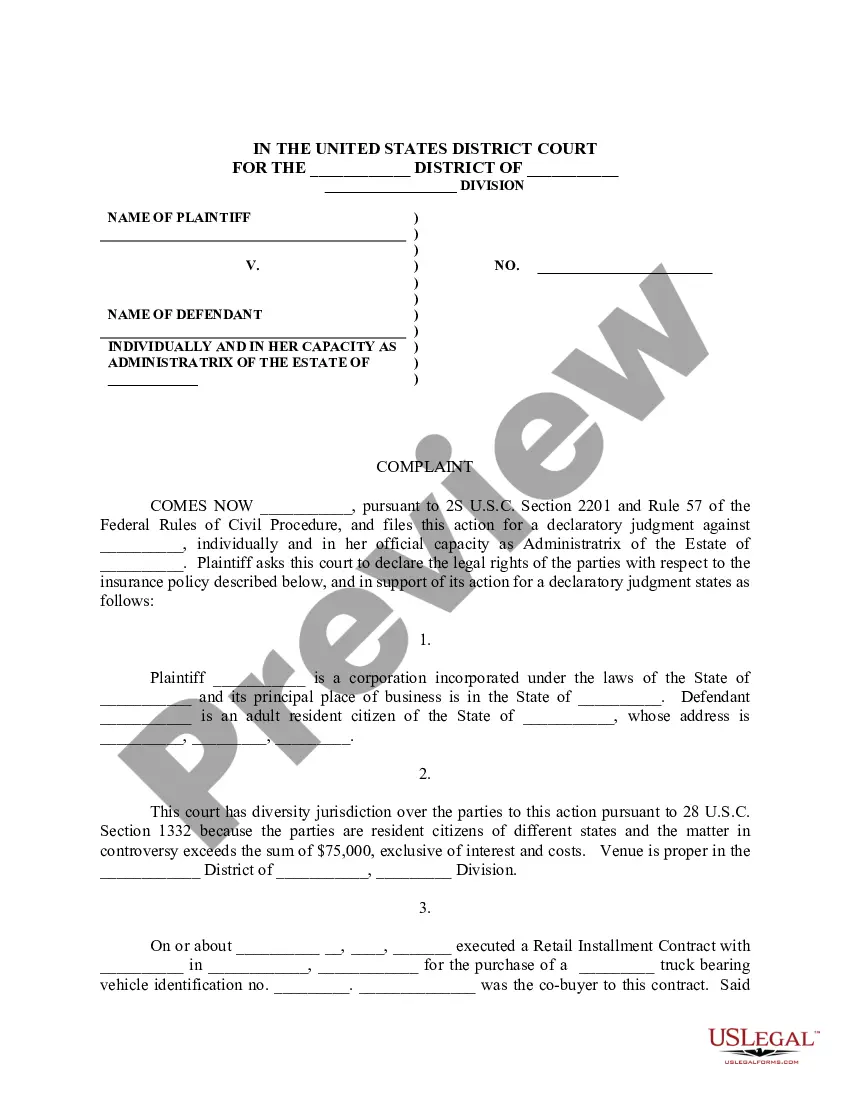
A complaint for declaratory judgment is a legal document filed to seek a court's clarification on legal rights or obligations in a specific situation. This type of complaint can help resolve uncertainties before they escalate into legal disputes. When considering a Pittsburgh Pennsylvania Complaint for Declaratory Judgment and Interpleader Action or Burial Policy, you gain the advantage of obtaining a definitive legal ruling.
Rule 4003.8 of the PA Rules of Civil Procedure addresses the discovery of insurance coverage in civil cases. This rule allows parties to obtain information regarding any insurance agreements that may cover liabilities related to the proceedings. Understanding this rule is crucial when filing a Pittsburgh Pennsylvania Complaint for Declaratory Judgment and Interpleader Action or Burial Policy, as it can impact the outcome of your case.
The primary requirements for a declaratory judgment include having a legal dispute with definitive rights at stake. You must demonstrate that the Pittsburgh Pennsylvania Complaint for Declaratory Judgment and Interpleader Action or Burial Policy is necessary to resolve uncertainties about your legal status or obligations. Additionally, the court must have jurisdiction over the matter, ensuring that your case is heard appropriately. Accurate documentation and thorough preparation will strengthen your case.
To obtain a declaratory judgment, you typically start by filing a complaint with the court that includes all relevant details regarding your situation. For those in Pittsburgh, Pennsylvania, a Complaint for Declaratory Judgment and Interpleader Action or Burial Policy should outline the issues clearly and provide any supporting documents. After filing, you will serve the other parties involved, then proceed with the court's procedures for scheduling hearings and presenting your case. Legal platforms like USLegalForms can assist you in preparing the necessary documents.
One disadvantage of a declaratory judgment is that it may not provide the complete resolution you seek. In a Pittsburgh Pennsylvania Complaint for Declaratory Judgment and Interpleader Action or Burial Policy, the court's ruling may clarify rights but may not enforce them fully. Additionally, if parties are unwilling to comply, further legal action might be necessary. This can lead to increased costs and prolonged disputes.