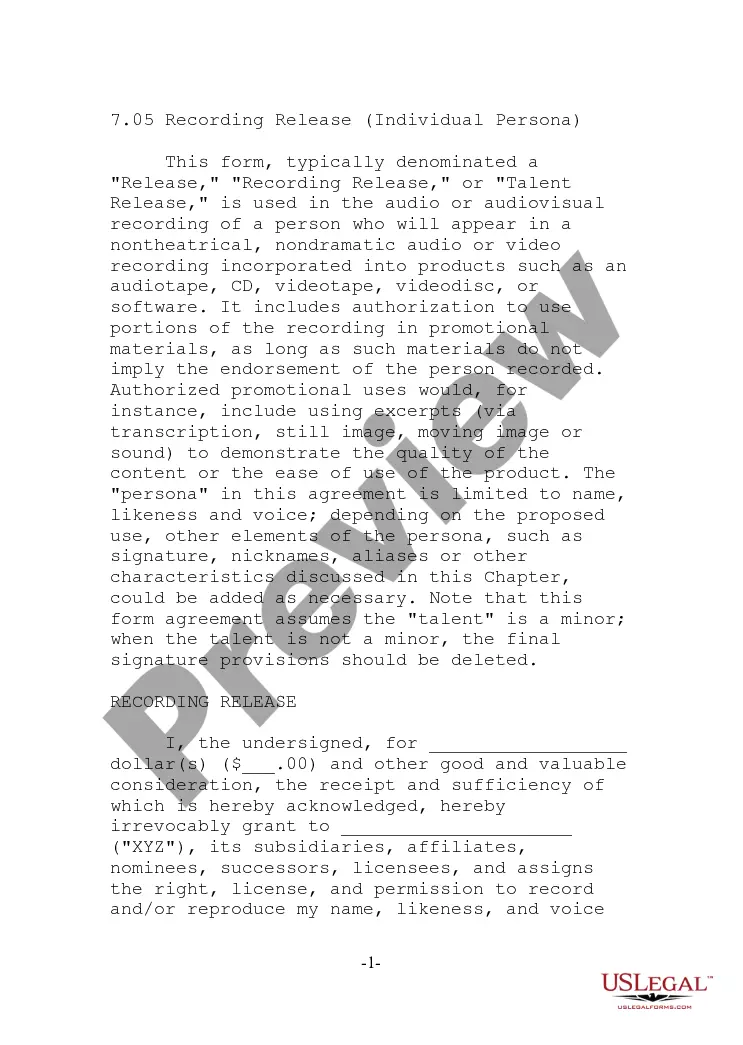
Nashville Tennessee Complaint for Declaratory Judgment
Description








Form popularity
FAQ
Unethical behavior by a judge includes actions that compromise their impartiality or violate legal rules. Common examples are conflicts of interest, bias in decision-making, and failing to recuse themselves when necessary. If you believe a judge engaged in such actions, you may need to file a Nashville Tennessee Complaint for Declaratory Judgment. Utilizing a platform like US Legal Forms can help simplify the complaint process, ensuring your concerns are effectively expressed.
Holding a judge accountable requires a formal complaint process, where you present your evidence of misconduct. Initially, you can report unethical behavior to the Board of Judicial Conduct or the local regulatory body. Additionally, if you face issues leading to a Nashville Tennessee Complaint for Declaratory Judgment, consulting with a legal professional can clarify your options. This ensures your concerns are properly addressed in a structured manner.
Filing a complaint against a judge in Tennessee involves submitting your concerns to the appropriate authority. You can start by gathering evidence and documenting your experiences. Then, file your complaint with the Board of Judicial Conduct, detailing your specific allegations. If your issue pertains to a Nashville Tennessee Complaint for Declaratory Judgment, consider seeking legal advice to guide you through the process.
Rule 30.02 in Tennessee pertains to the process of depositions in civil cases. It defines how parties can obtain testimony under oath before a trial. This rule can play a vital role when you file a Nashville Tennessee Complaint for Declaratory Judgment, as depositions can provide important evidence to support your claims in court.
In Tennessee, Rule 29 governs civil procedure concerning requests for a declaratory judgment among other legal processes. It allows individuals to seek clarity on legal rights and responsibilities when there is uncertainty. If you're considering filing a Nashville Tennessee Complaint for Declaratory Judgment, knowing this rule is crucial for your case strategy.
In court, Rule 29 allows parties to clarify legal rights through pre-trial proceedings. This means parties can ask the court to determine specific aspects of a case before the main trial occurs. This is particularly relevant when pursuing a Nashville Tennessee Complaint for Declaratory Judgment, as it helps set clear legal expectations and can expedite resolution.
Rule 29 in law typically refers to a procedure concerning requests made by parties within a legal action. Specifically, it outlines how parties can seek a declaratory judgment. Understanding this rule is essential for anyone filing a Nashville Tennessee Complaint for Declaratory Judgment, as it guides the necessary steps to ensure the court addresses the legal issues at hand.
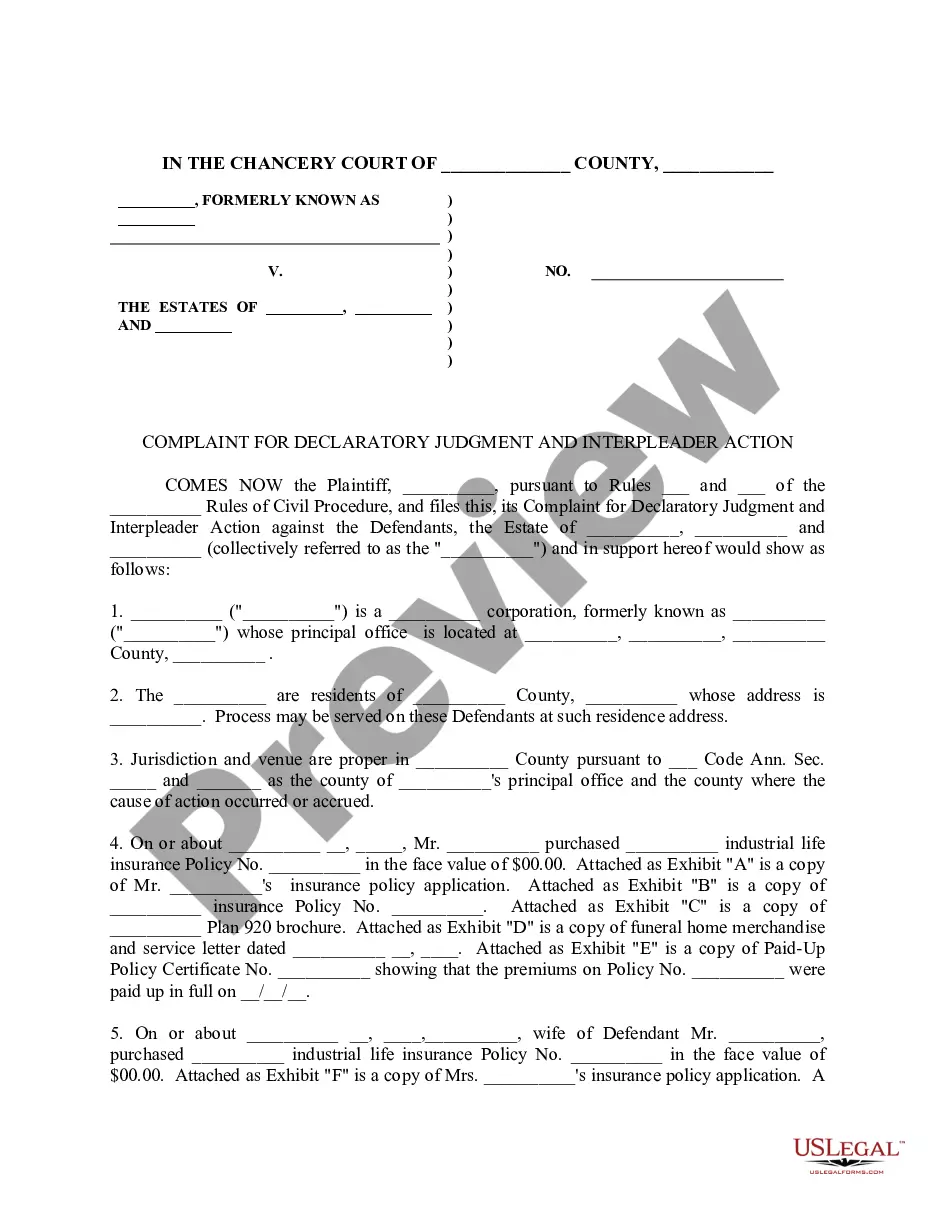
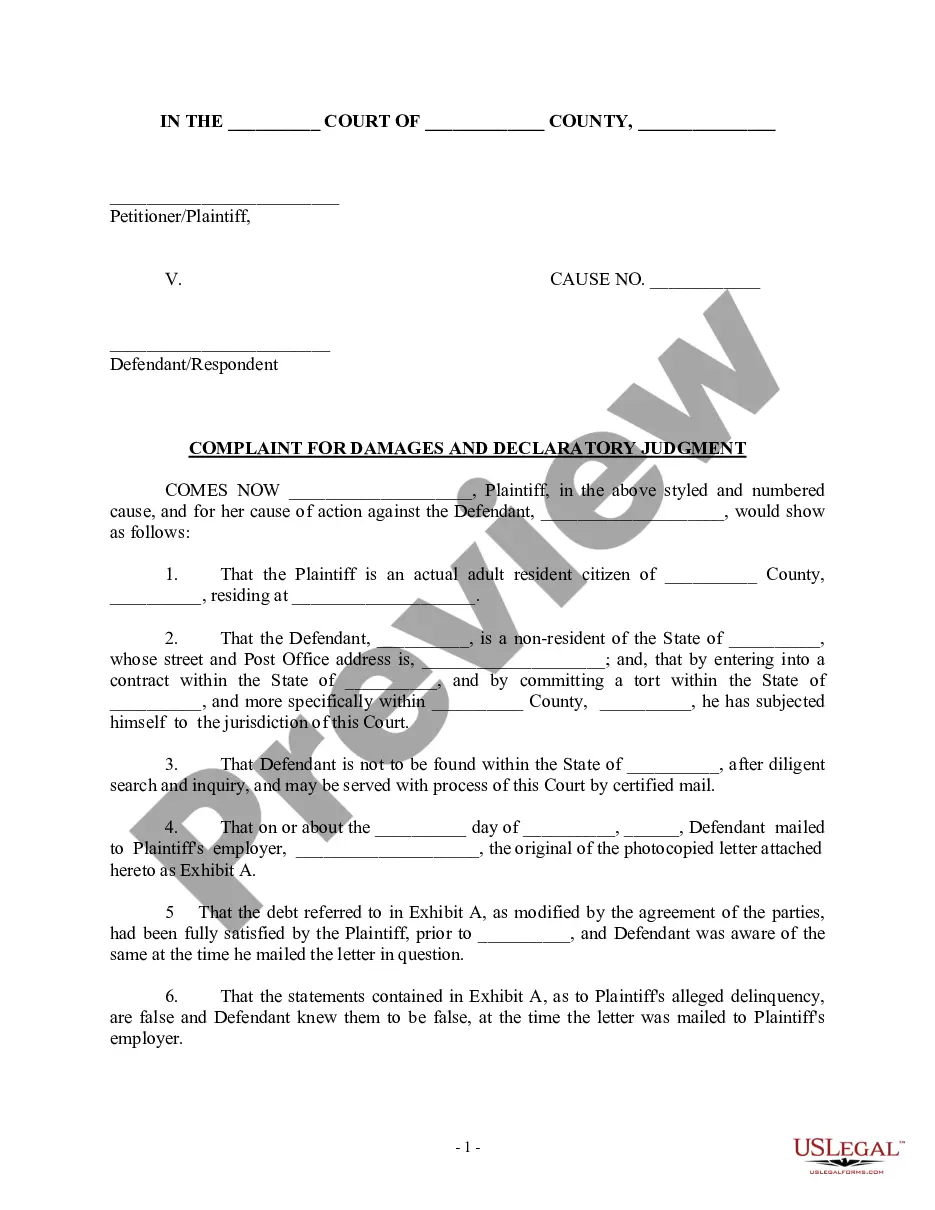
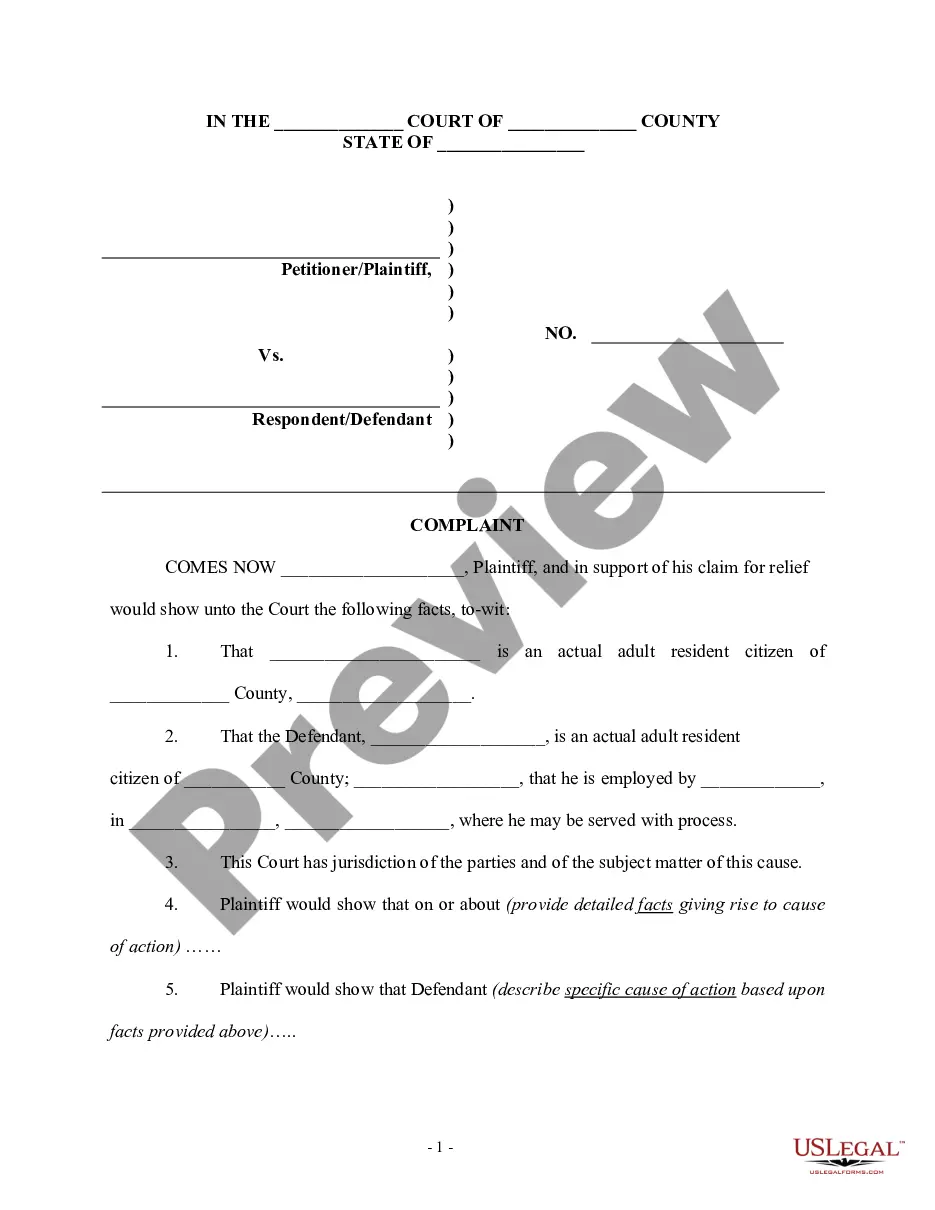
A complaint for declaratory judgment serves as a legal request for a court's opinion on a specific issue. In Nashville, Tennessee, this complaint clarifies uncertain legal relationships or obligations. By filing this complaint, you ask the court to declare your rights in a situation where expectations may be unclear. Using a reliable platform like USLegalForms can streamline this process and provide necessary templates.
To seek a Nashville Tennessee Complaint for Declaratory Judgment, you must demonstrate an actual controversy. This means there should be a real dispute between parties that needs resolution. Additionally, you should show that a declaratory judgment will clarify your rights, obligations, or legal relations. Gathering relevant facts and legal grounds strengthens your case.
Rule 15.01 focuses on the amendment of pleadings in Tennessee. This rule allows parties to modify their legal documents before trial under certain conditions, which can be crucial when new information arises. If you are involved in a Nashville Tennessee Complaint for Declaratory Judgment, amending your pleadings can help ensure that all pertinent details are presented. Familiarizing yourself with this rule can improve your case’s effectiveness and clarity.