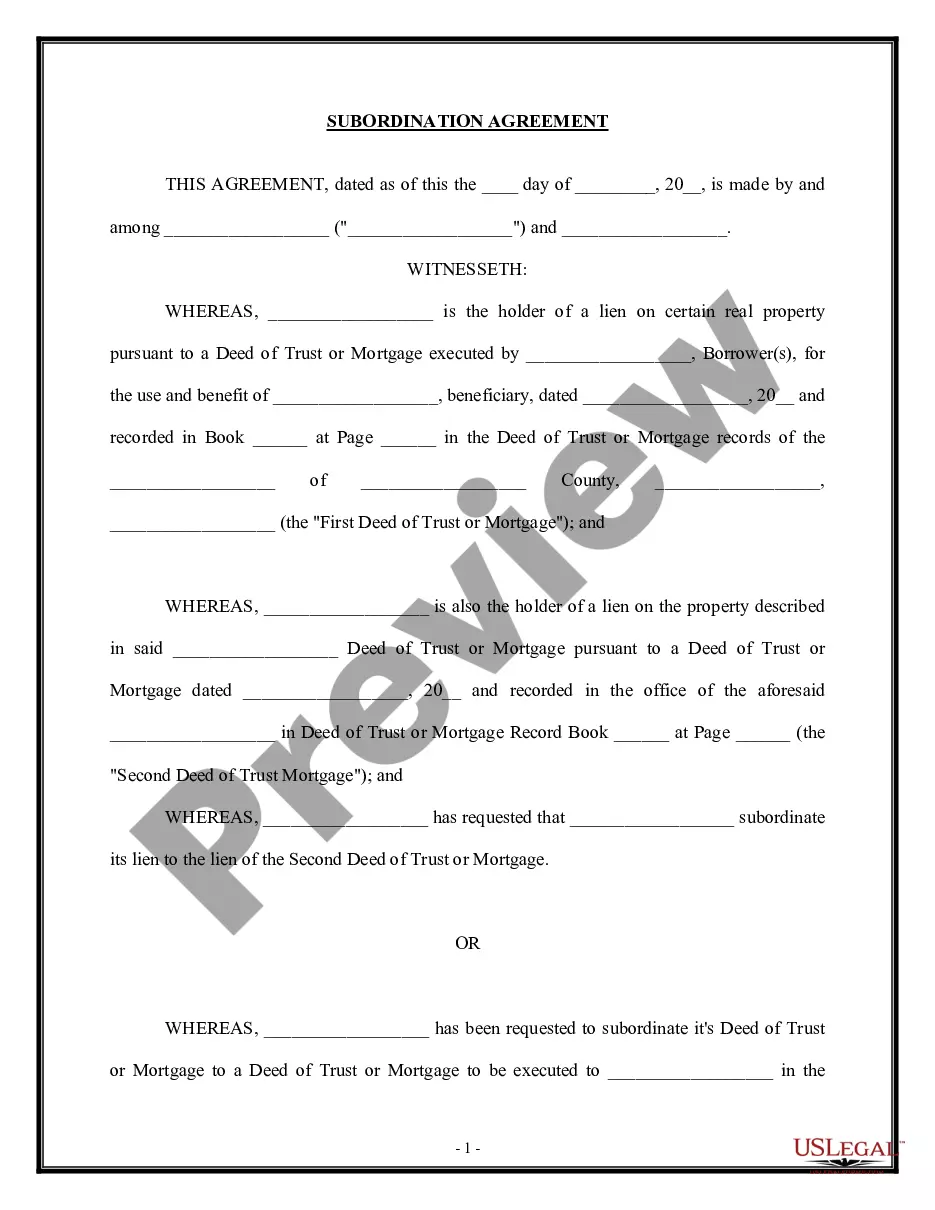
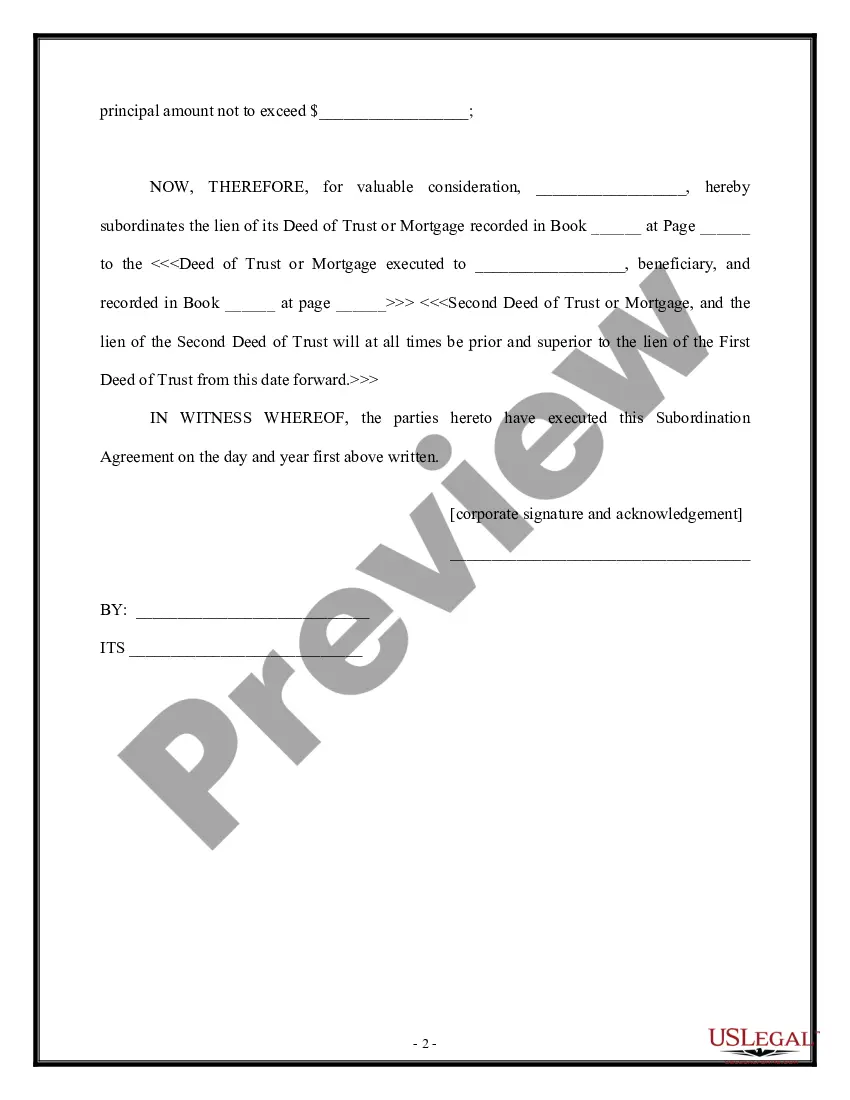
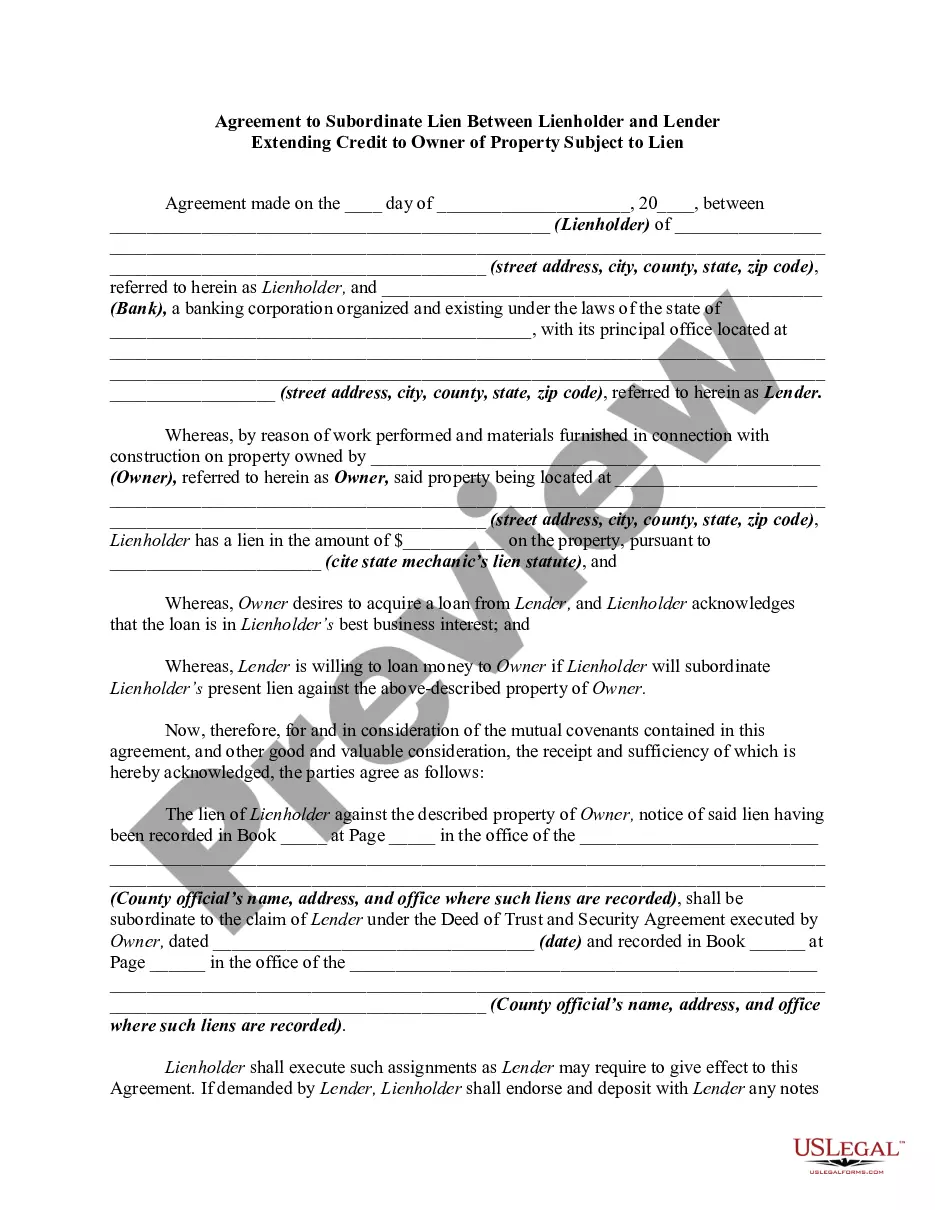
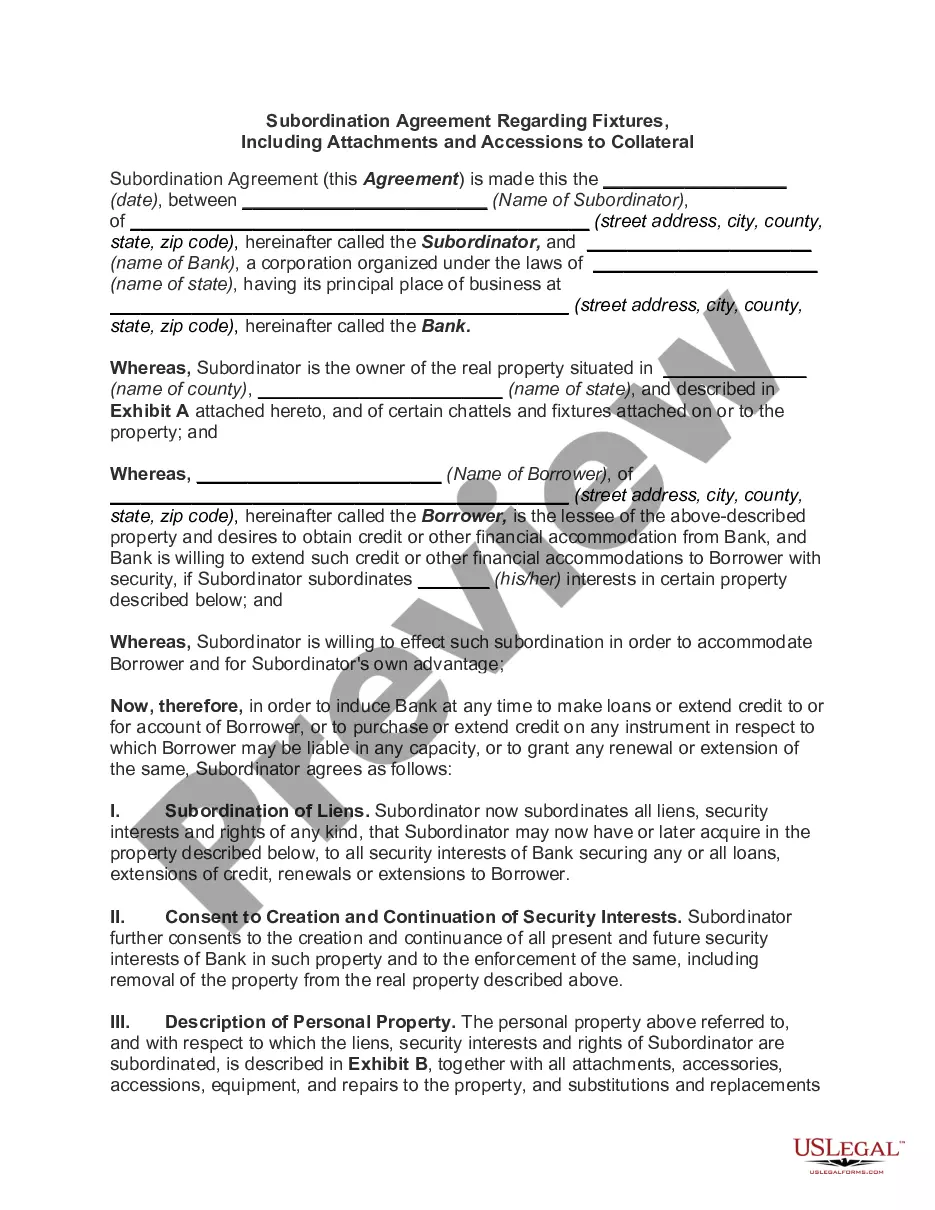
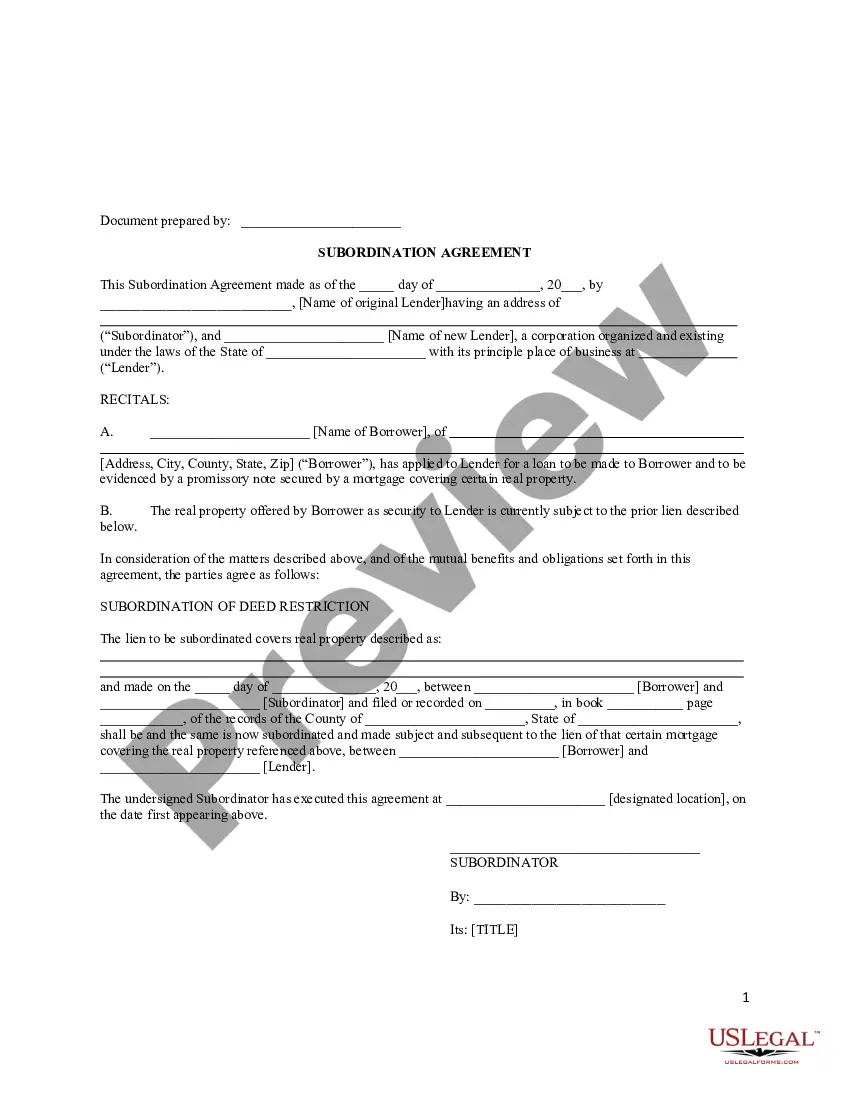
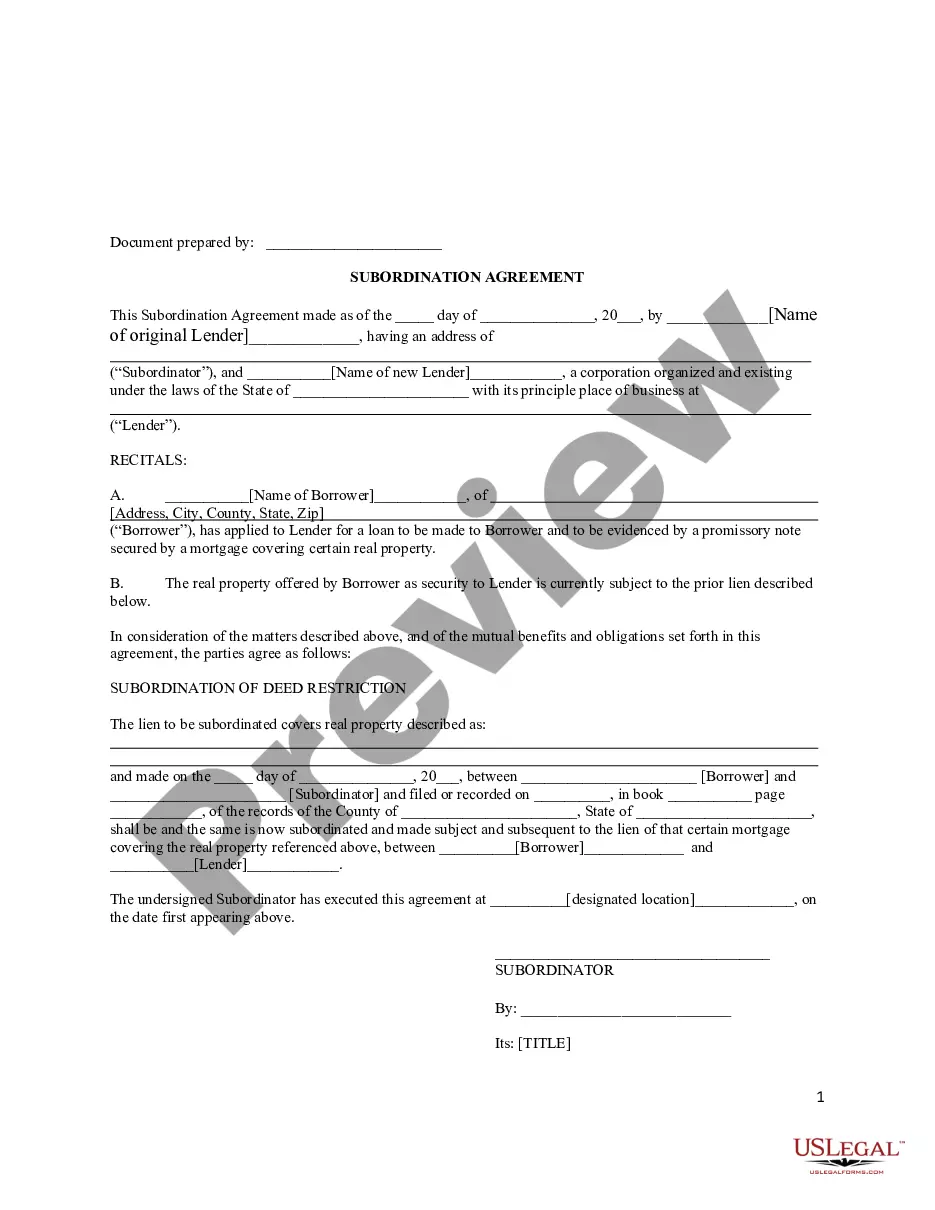
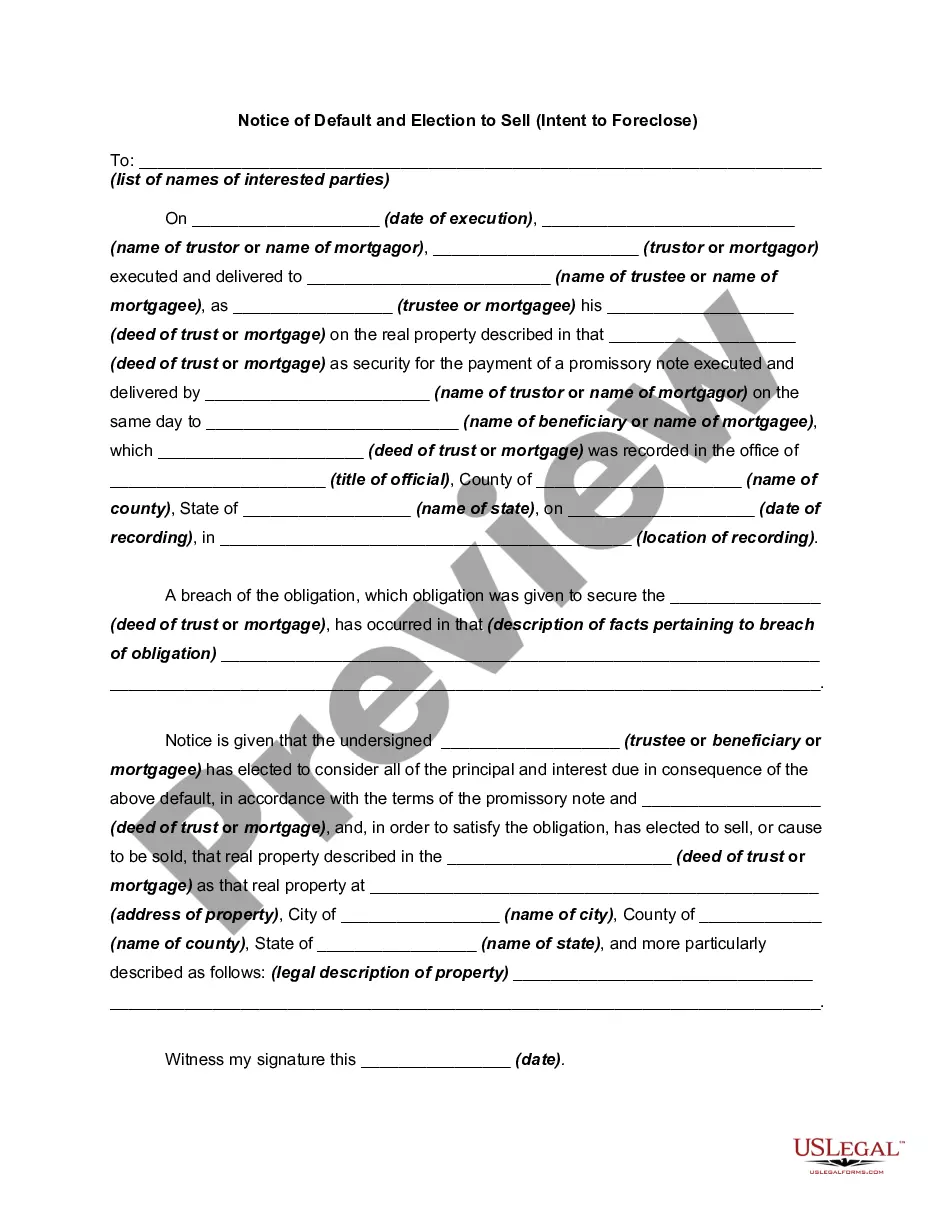
A request has been made by a second lienholder to the first lienholder that the first deed of trust or mortgage be subordinate to the second deed of trust of mortgage.
While you could technically draft your own subordination agreement, it's wise to consult a lawyer. They've got the know-how to make sure everything is above board and binding.
If you skip a subordination agreement, you might find yourself in a tough spot when it comes to refinancing or selling your property. The existing liens could hold more power than you'd like.
While not always required, a subordination agreement might be necessary for certain financial maneuvers, like refinancing. It's best to consult with a legal expert.
A subordination agreement can affect your mortgage by allowing a new lender to take a higher priority over existing loans, which can help you get better borrowing terms.
Typically, the property owner and the lien holders will sign the subordination agreement. Everyone needs to be on the same page for it to fly.