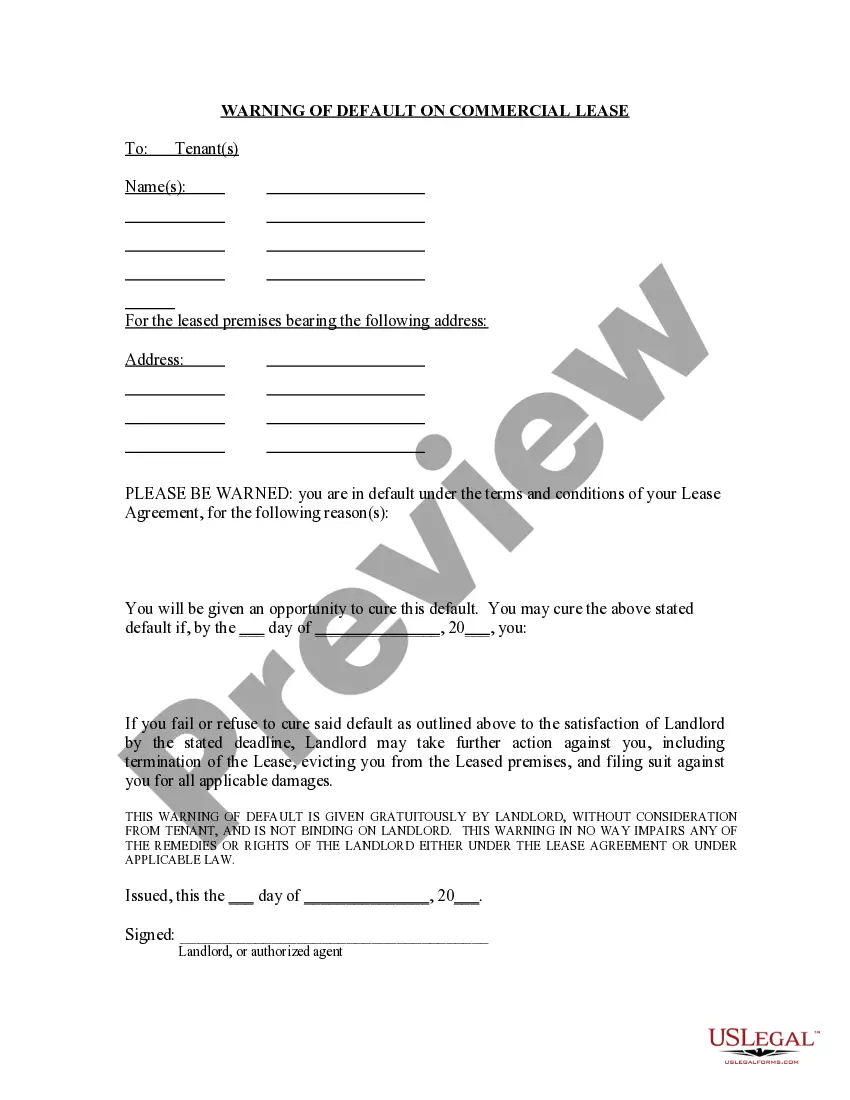
Broward Florida Charitable Remainder Inter Vivos Annuity Trust
Description
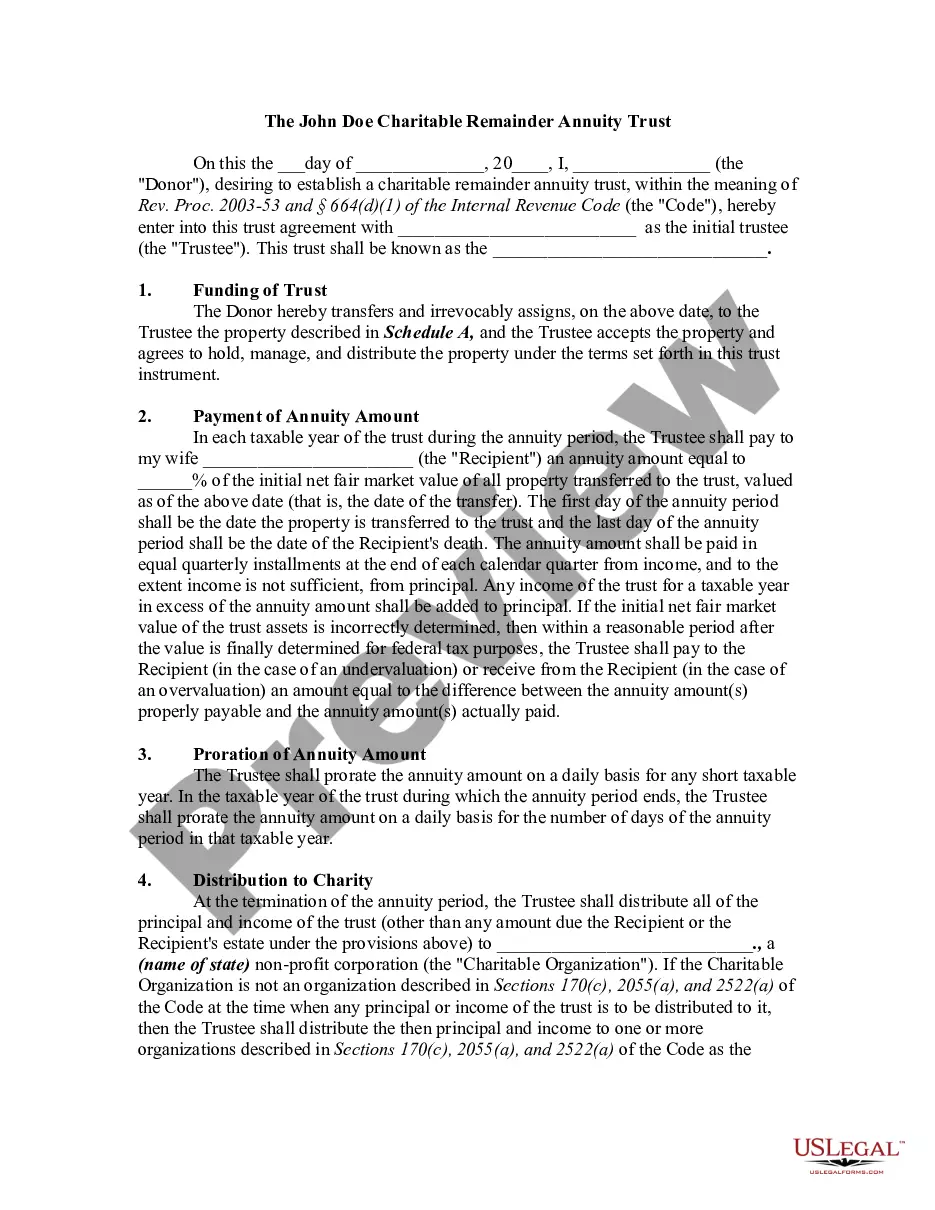
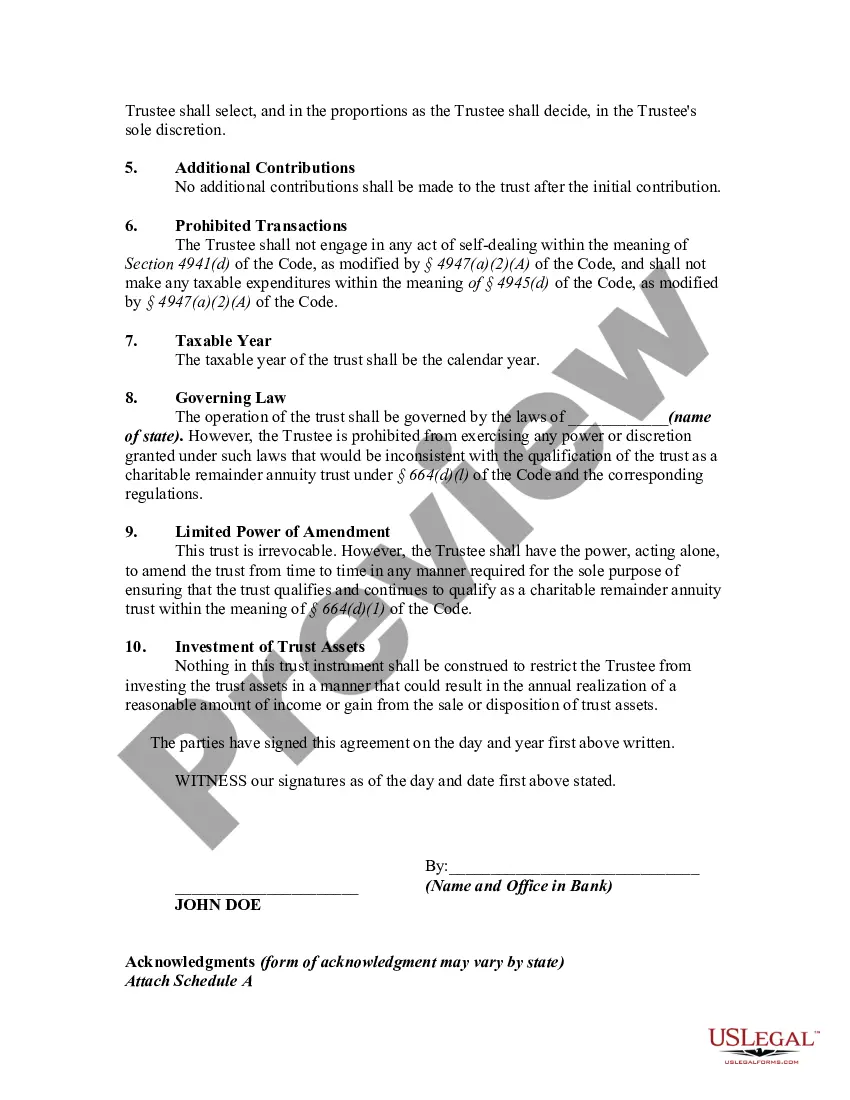
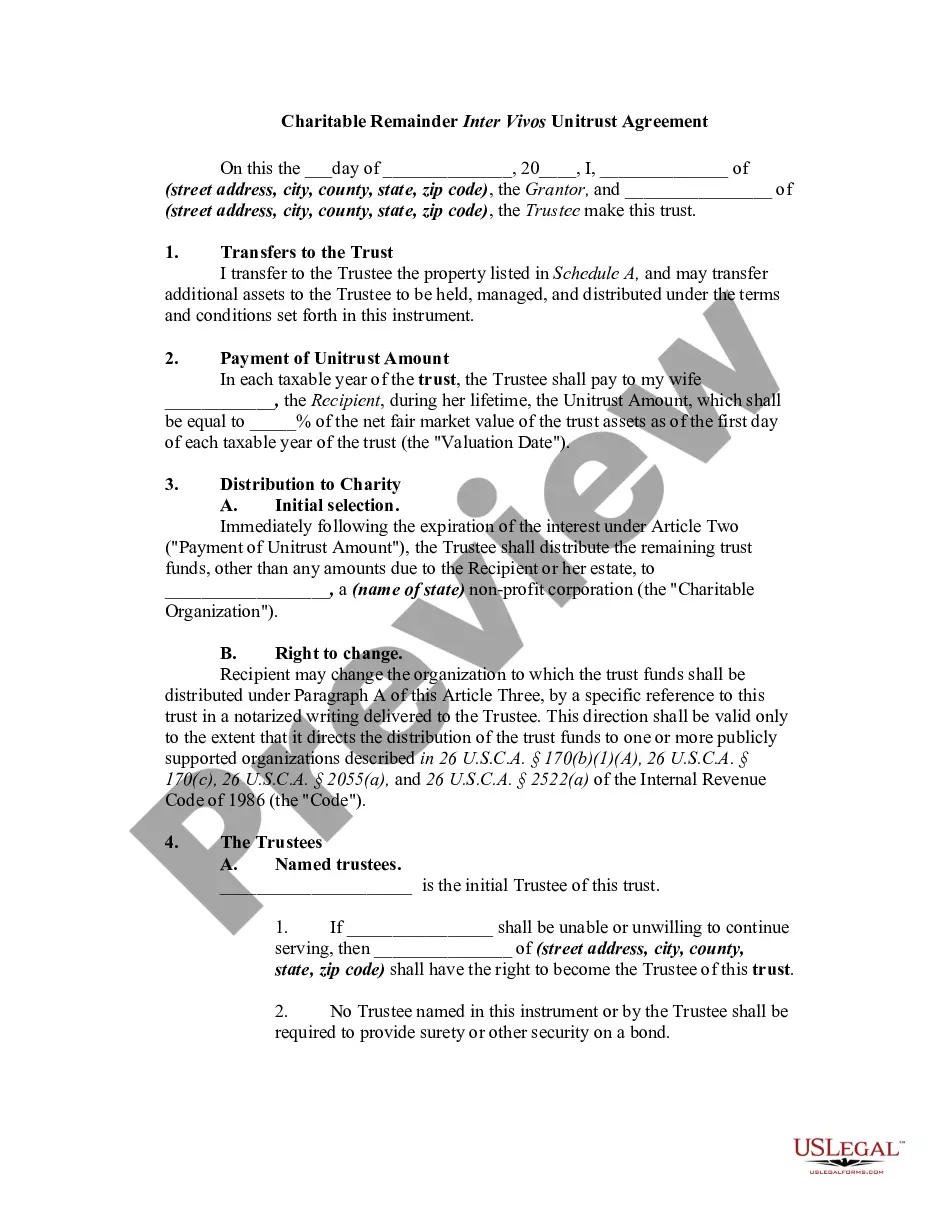
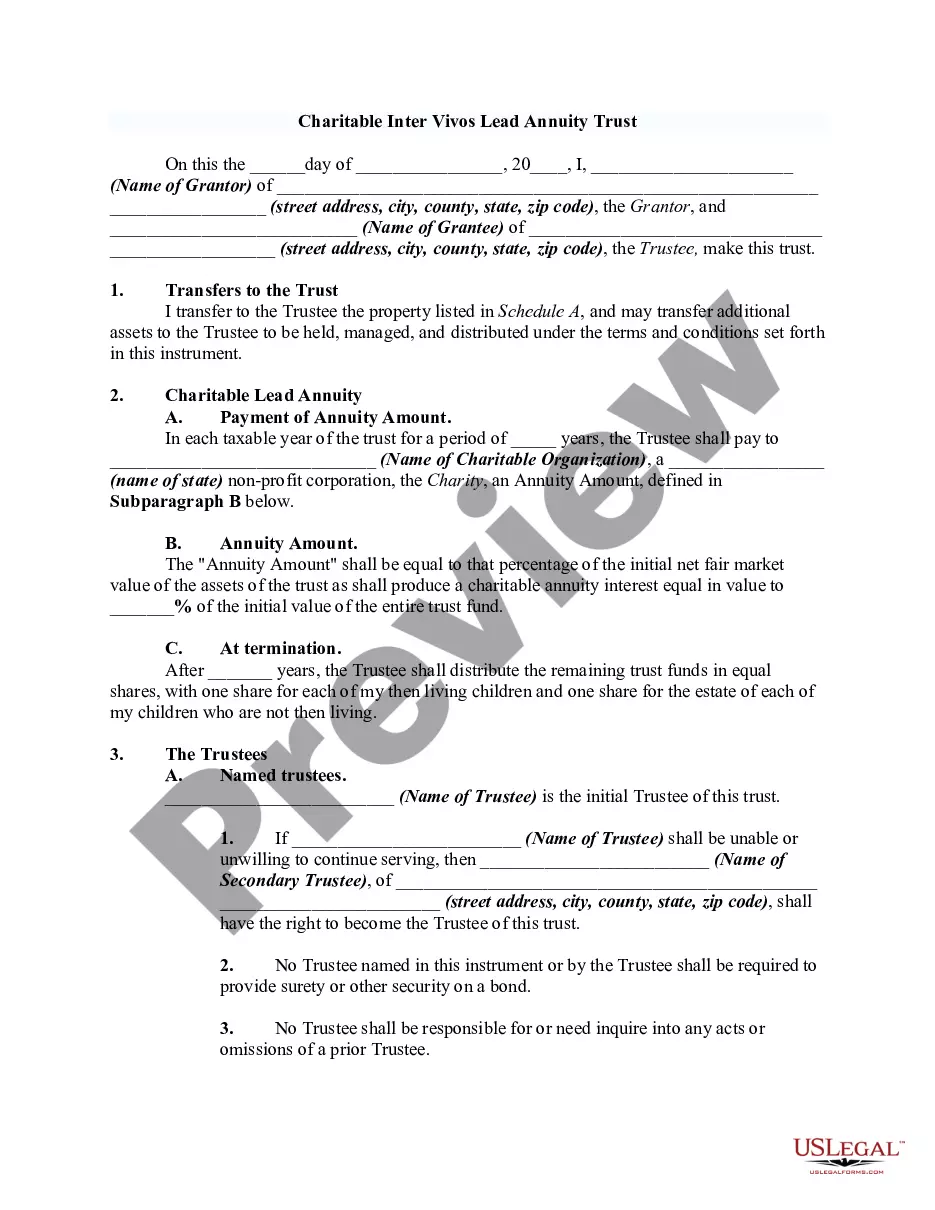
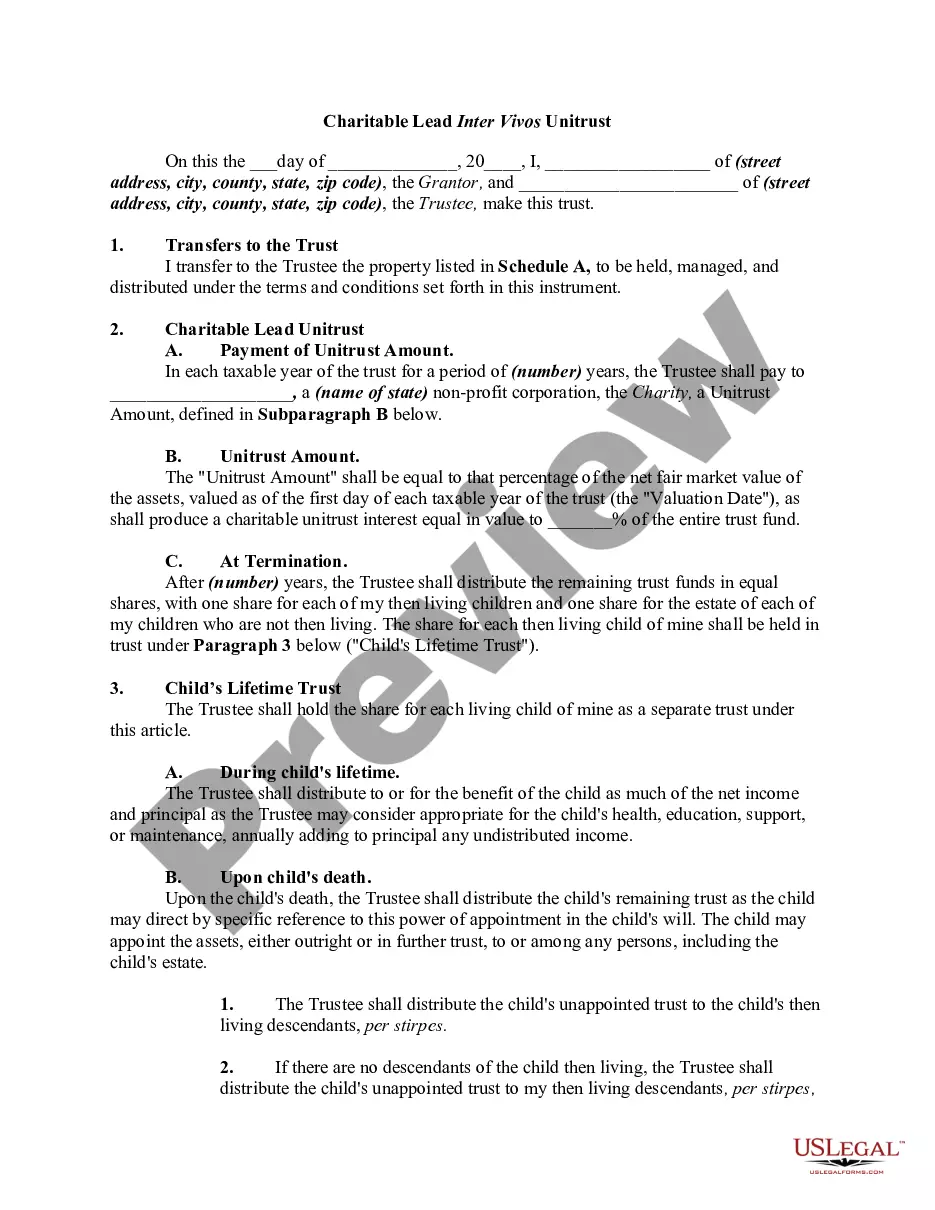
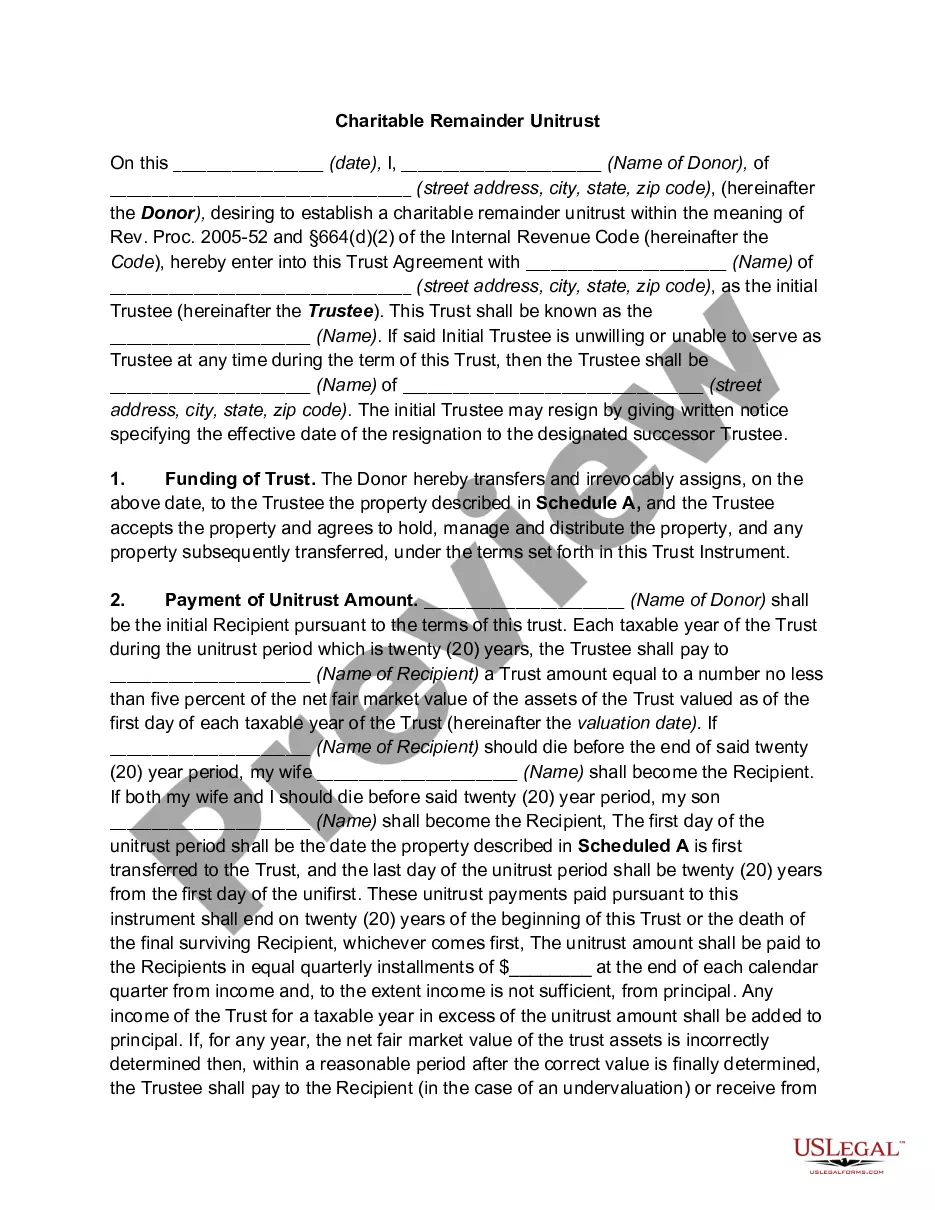



How to fill out Charitable Remainder Inter Vivos Annuity Trust?
Laws and rules in every domain differ across the nation.
If you're not a lawyer, it can be simple to become confused amidst various standards when it comes to creating legal papers.
To prevent expensive legal guidance while preparing the Broward Charitable Remainder Inter Vivos Annuity Trust, you require a certified template valid for your locality.
Look for an alternative document if there are discrepancies with any of your criteria. Use the Buy Now button to acquire the document once you locate the right one. Choose a subscription plan and log in or set up an account. Decide how you wish to pay for your subscription (via credit card or PayPal). Choose the format you want to save the file as and hit Download. Complete and sign the document in writing after printing it or conduct it all electronically. This is the easiest and most economical way to obtain updated templates for any legal needs. Discover them all with a few clicks and keep your documents organized with US Legal Forms!
- That's when utilizing the US Legal Forms platform proves to be highly advantageous.
- US Legal Forms is a reliable online library trusted by millions, featuring over 85,000 state-specific legal templates.
- It's an excellent option for professionals and individuals seeking DIY templates for diverse life and business situations.
- All documents can be reused: once you acquire a sample, it remains available in your account for future utilization.
- Therefore, if you have an account with an active subscription, you can easily Log In and re-download the Broward Charitable Remainder Inter Vivos Annuity Trust from the My documents section.
- For new users, a few additional steps are necessary to obtain the Broward Charitable Remainder Inter Vivos Annuity Trust.
- Examine the page content to ensure you've identified the correct sample.
- Use the Preview feature or review the form description if it's provided.
Form popularity
FAQ
Charitable remainder annuity trusts (CRATs) distribute a fixed annuity amount each year, and additional contributions are not allowed.
The beneficiary payments from a CGA are guaranteed by the charity, while CRT payments are subject to the availability of trust assets.
Disadvantages of CRT :Big back and take up space on a desk.Not suitable for very brightly environment because less bright than LCD.They are large, heavy and bulky.Consume a lot of electricity and also produce a lot of heat.Geometrical error at edges.Flickering at 50-80 Hz.Harmful DC and AC electric and magnetic fields.
Any income that you receive from your charitable trust could reduce the total contribution that you end up leaving to your charity. You may risk leaving nothing to your charity if you plan to receive high payments from the trust while you're alive.
Charitable remainder annuity trusts (CRATs) distribute a fixed annuity amount each year, and additional contributions are not allowed. Charitable remainder unitrusts (CRUTs) distribute a fixed percentage based on the balance of the trust assets (revalued annually), and additional contributions can be made.
A CRT lets you convert a highly appreciated asset like stock or real estate into lifetime income. It reduces your income taxes now and estate taxes when you die. You pay no capital gains tax when the asset is sold. It also lets you help one or more charities that have special meaning to you.
Charitable remainder annuity trusts (CRATs) and charitable remainder unitrusts (CRUTs) have a number of characteristics in common. The trust must be irrevocable; there can be no possibility that the remainder will revert to noncharitable beneficiaries.
Any income that you receive from your charitable trust could reduce the total contribution that you end up leaving to your charity. You may risk leaving nothing to your charity if you plan to receive high payments from the trust while you're alive.
With a CRT, the donor must pay tax on the income stream, which is categorized into four tiers: (1) Ordinary income and qualified dividends, (2) capital gains (short-term, personal property, depreciation, long-term gain), (3) other tax-exempt income; and (4) return of principal.
A charitable lead trust (CLT) is like the reverse of a charitable remainder trust. This type of trust disperses income to a named charity, while the noncharitable beneficiaries receive the remainder of the donated assets upon your death or at the end of a specific term, similar to a CRT.