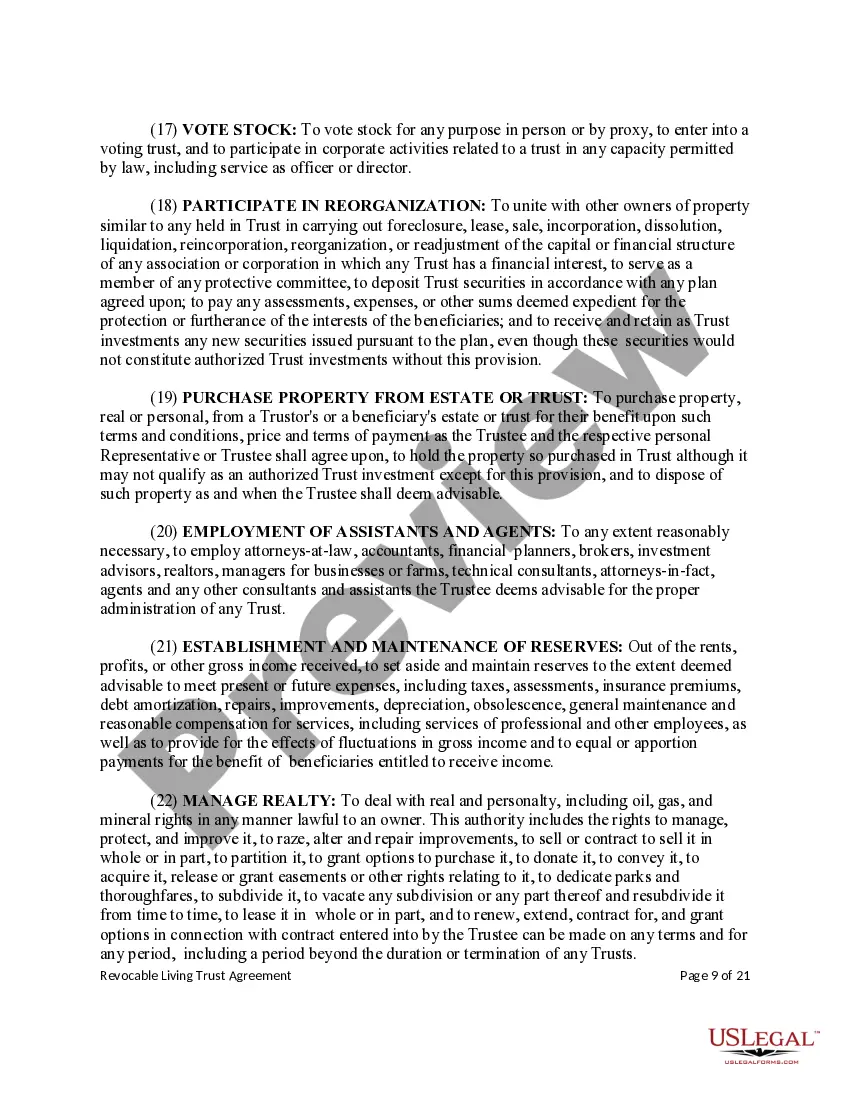
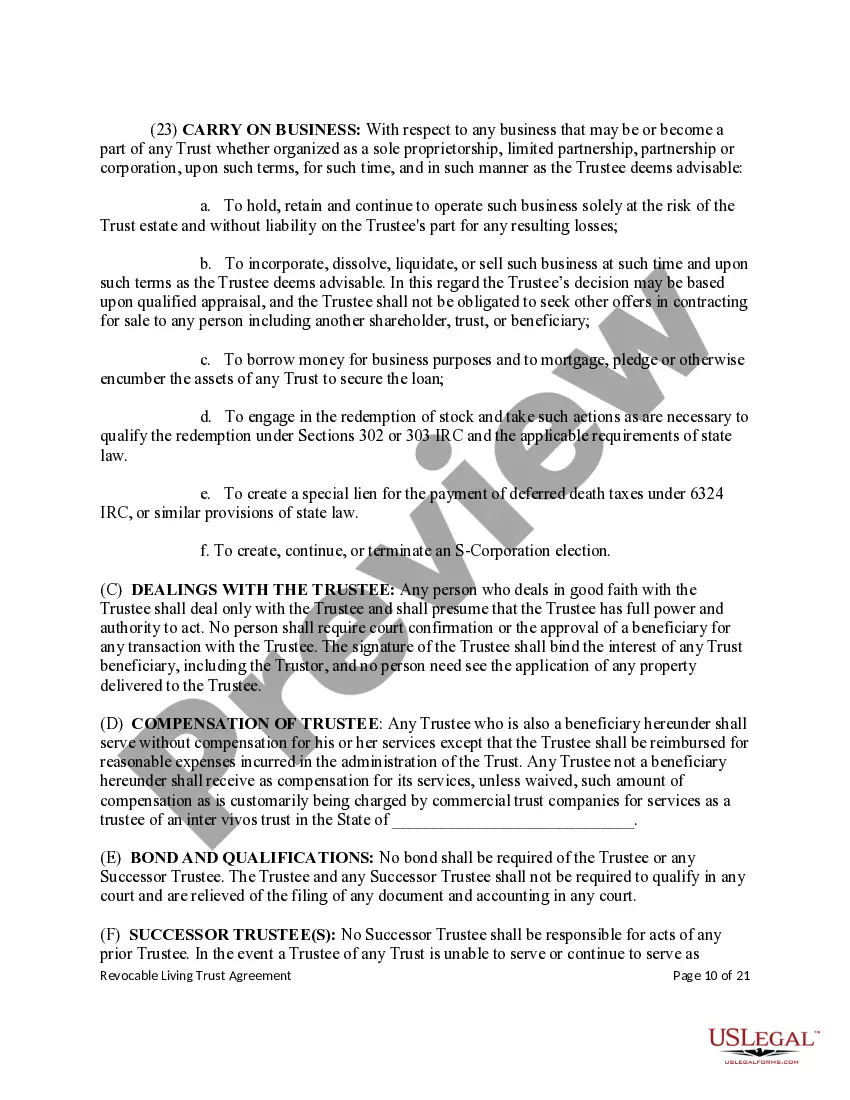
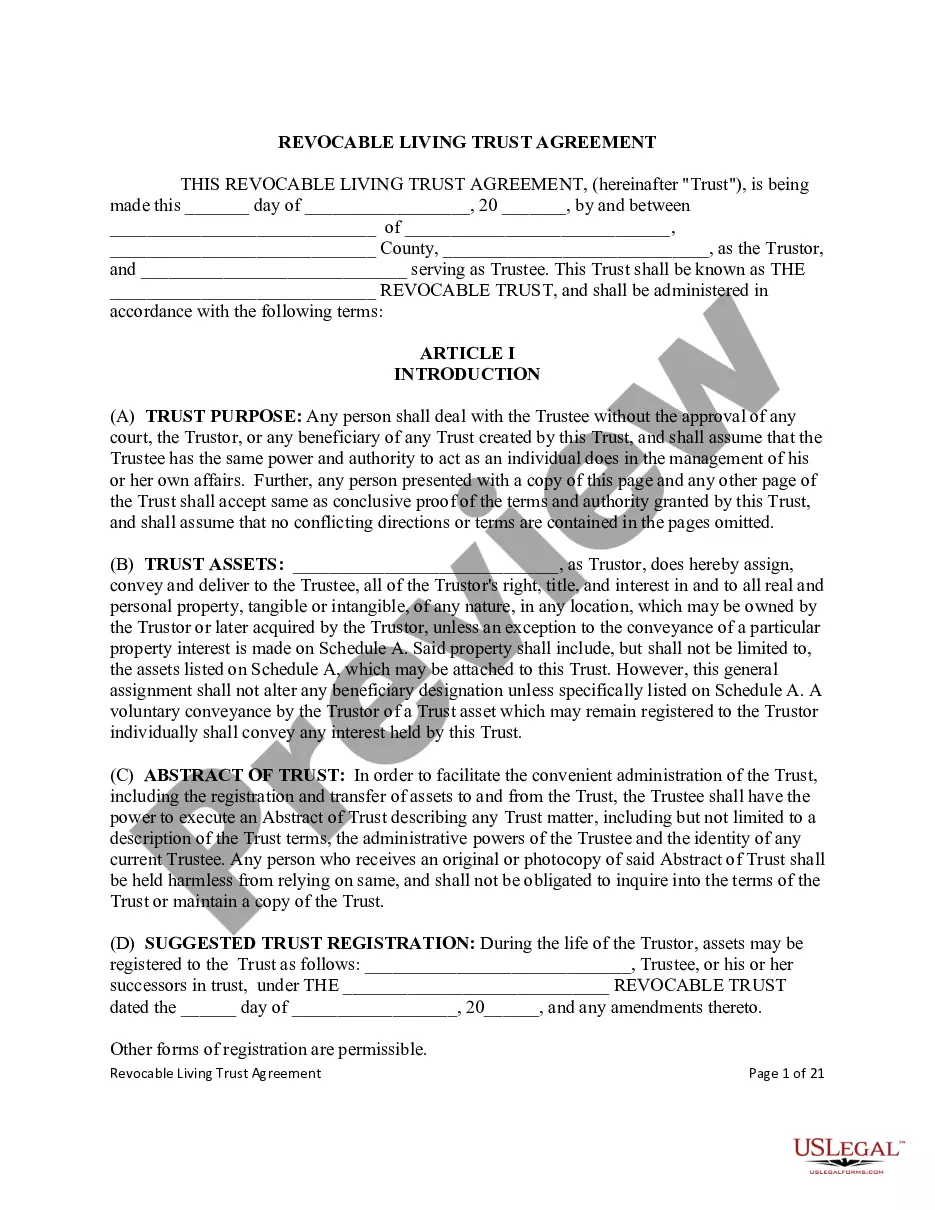
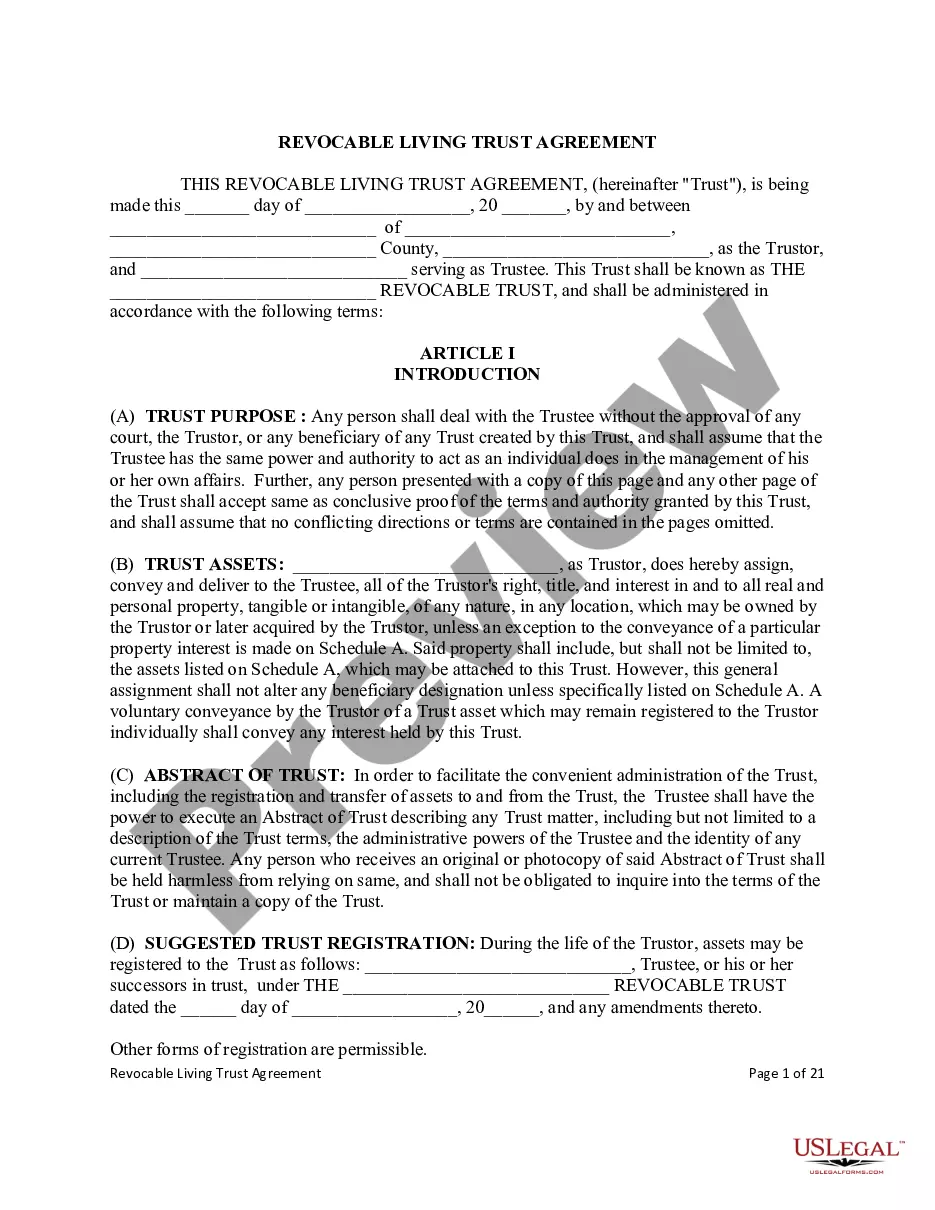
Fairfax Virginia Revocable Living Trust for Real Estate
Description
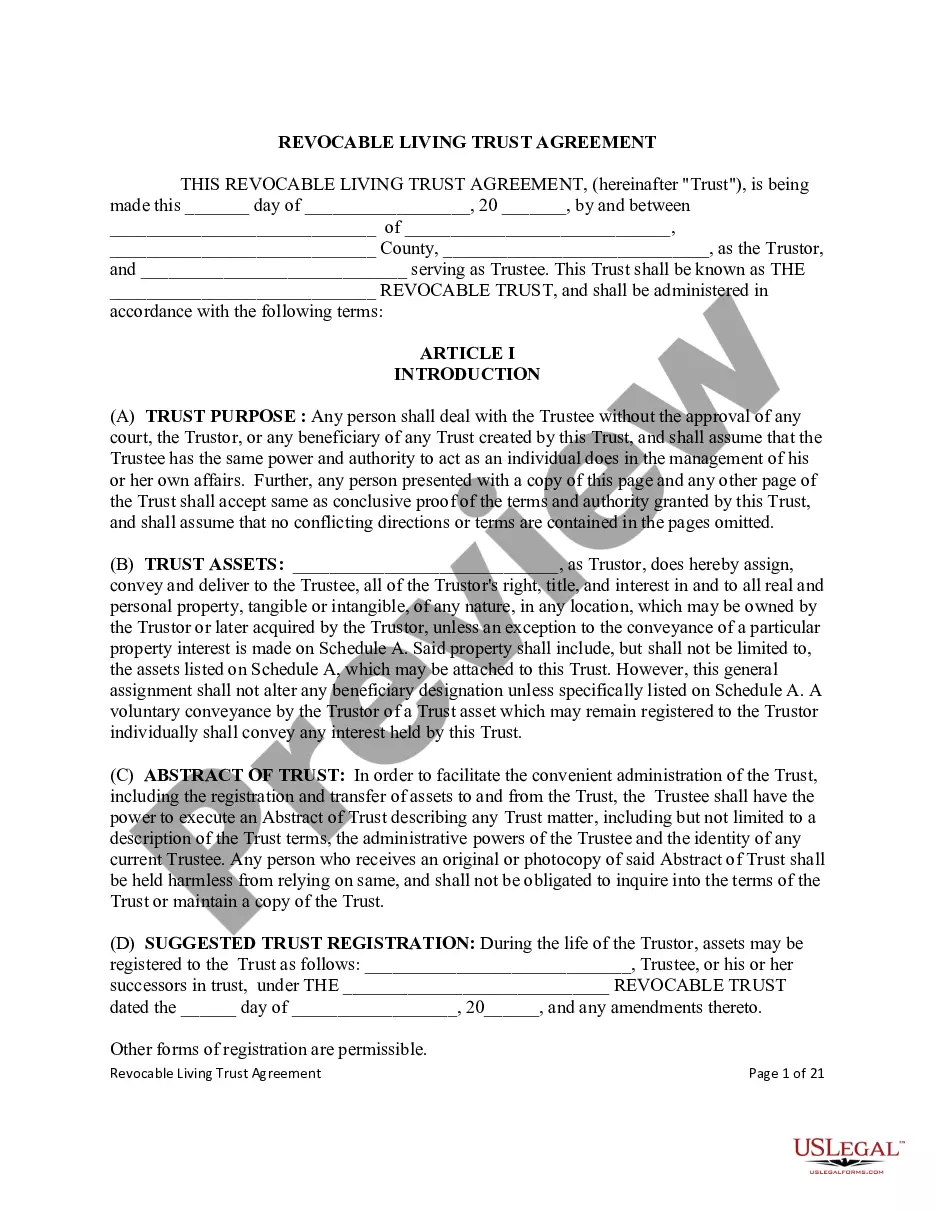
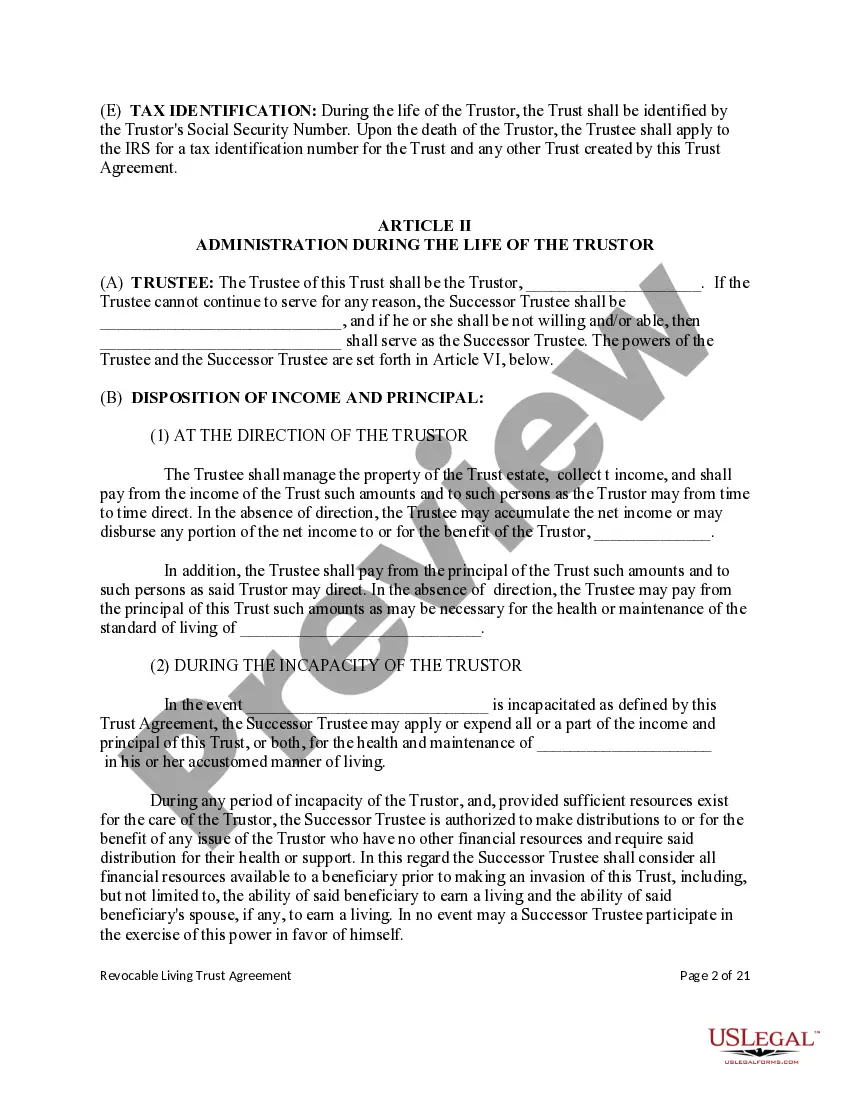
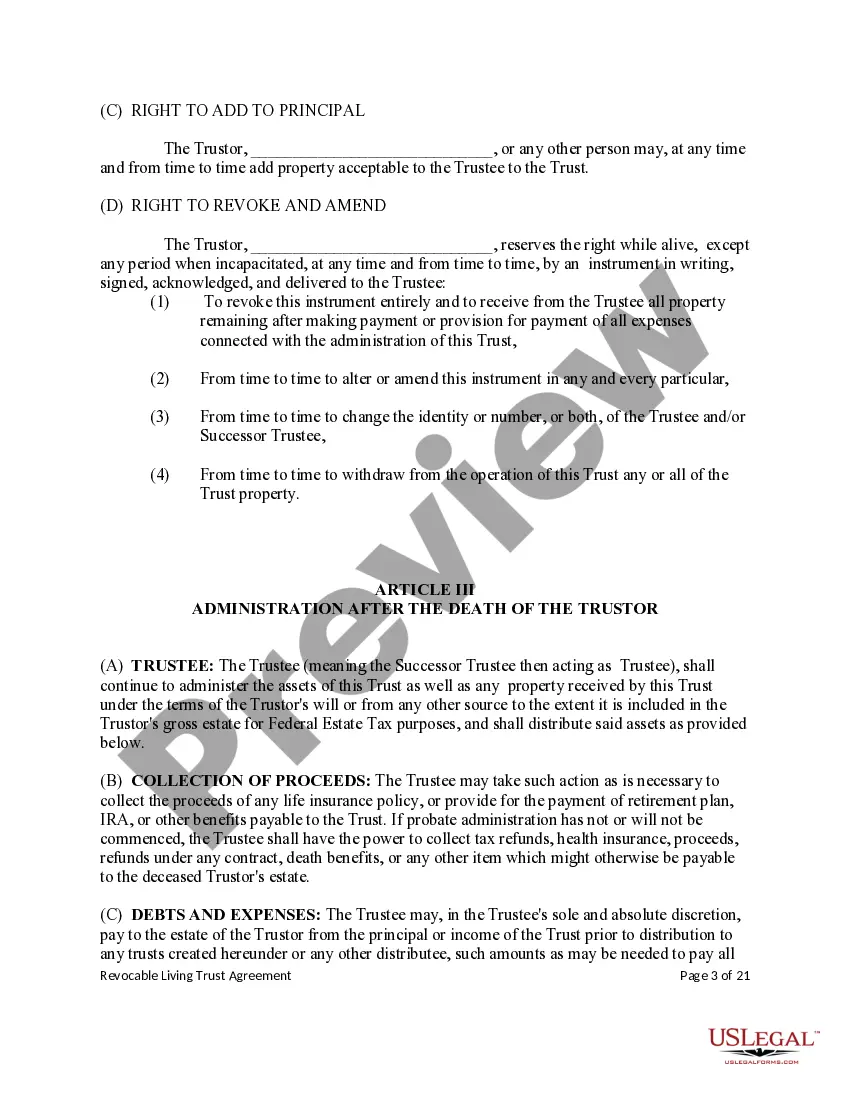
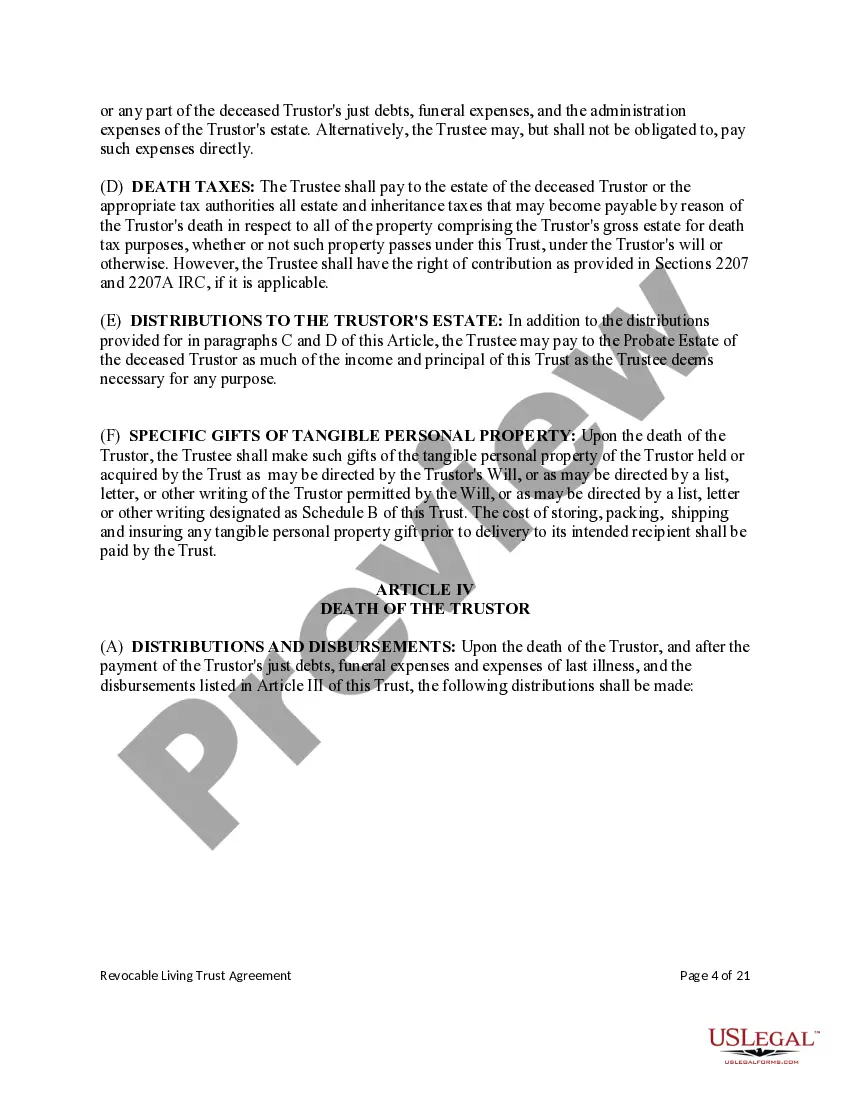
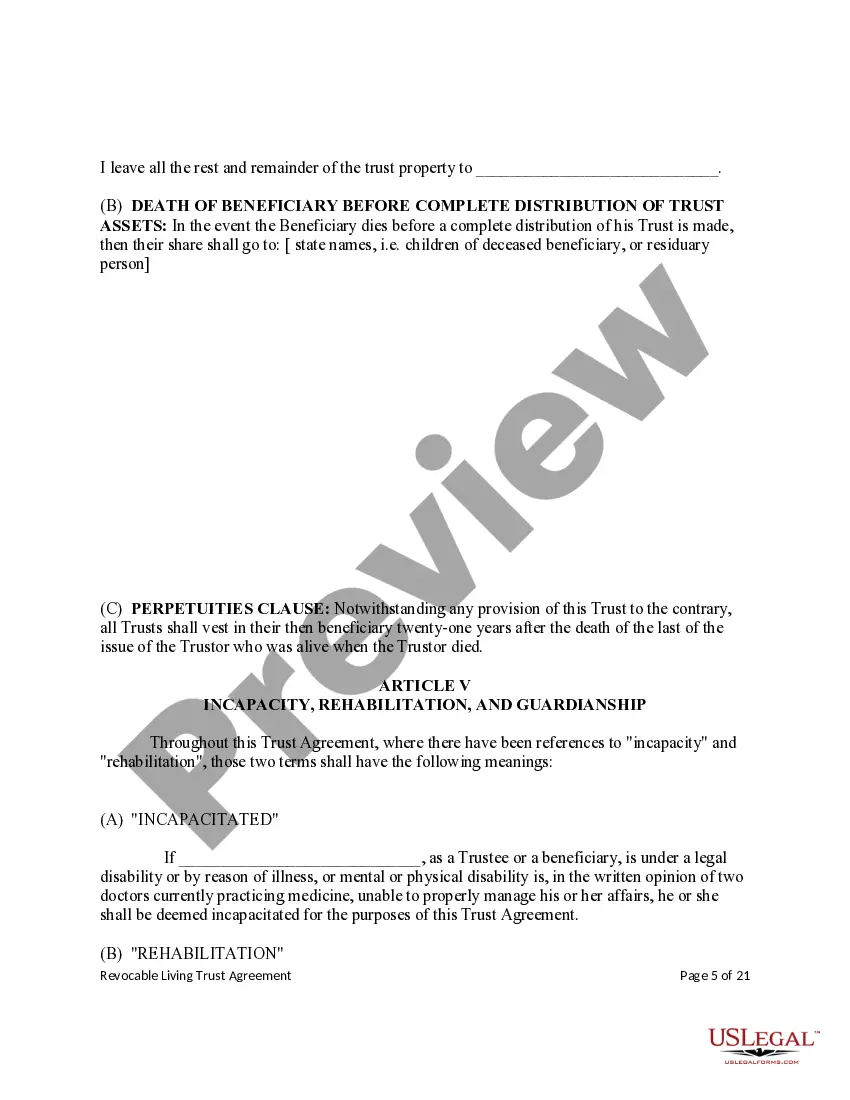
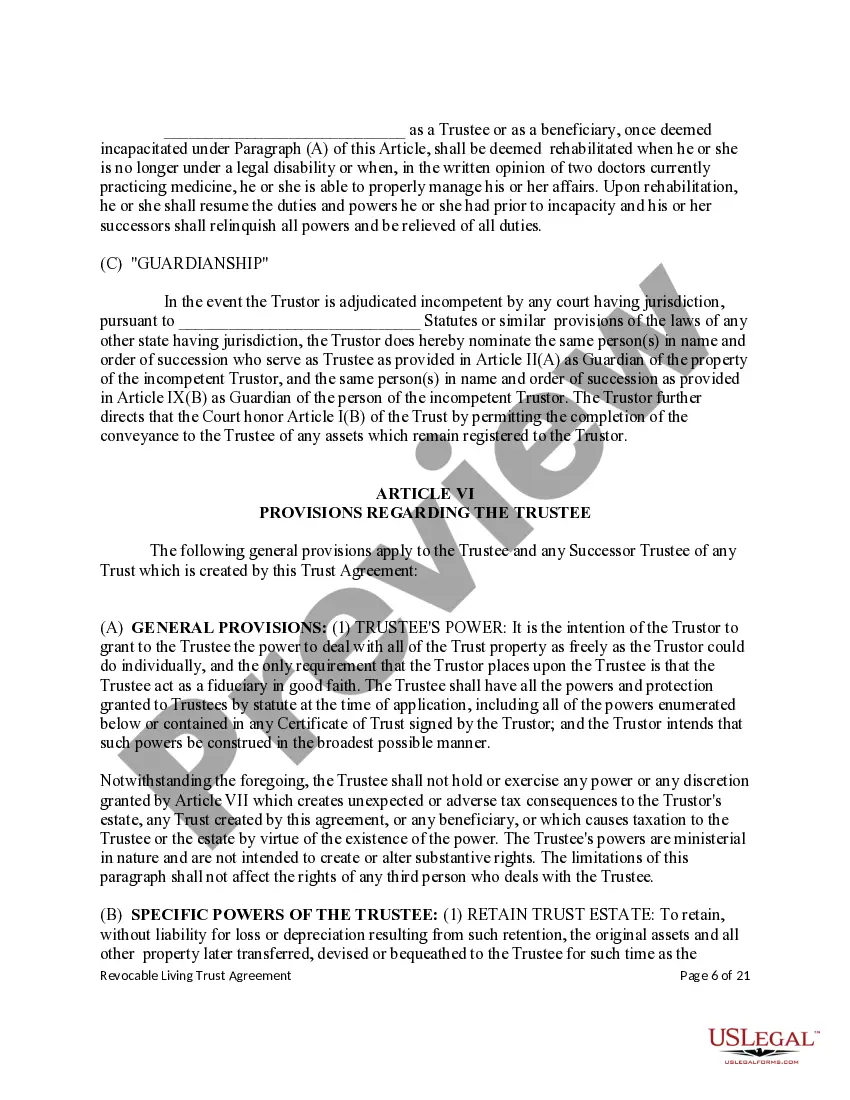
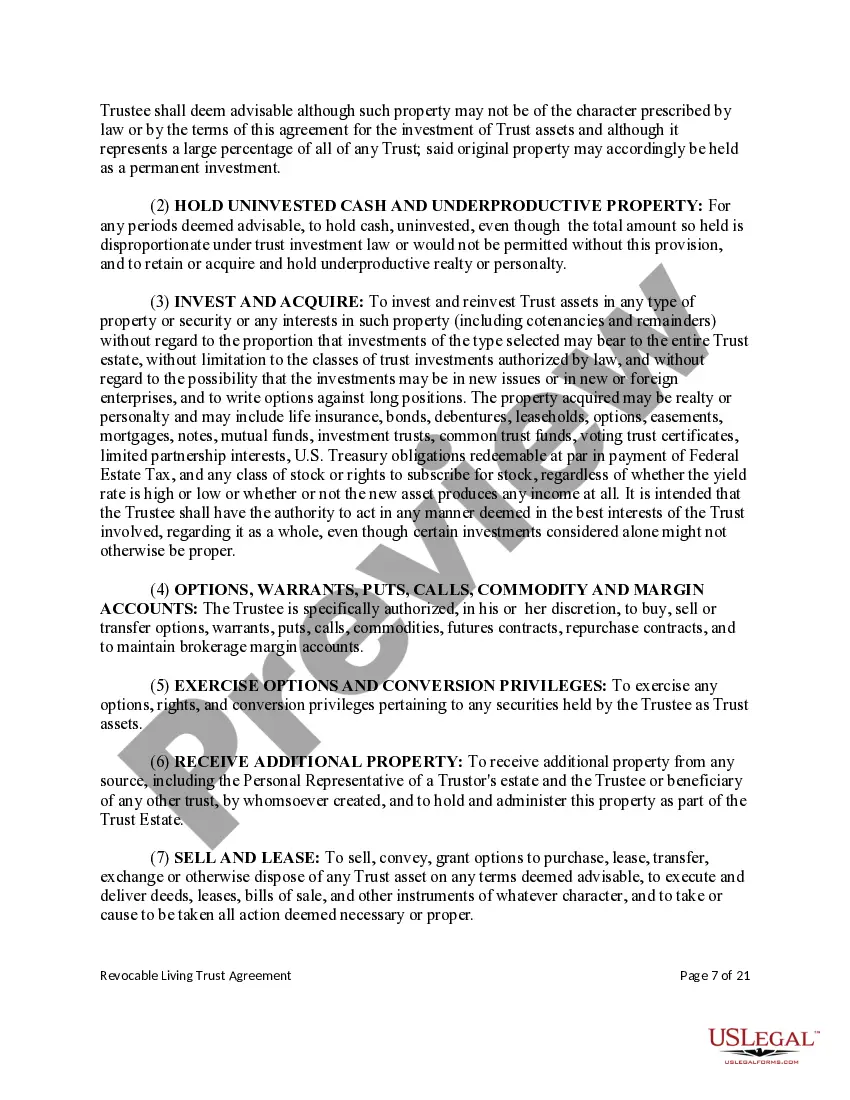
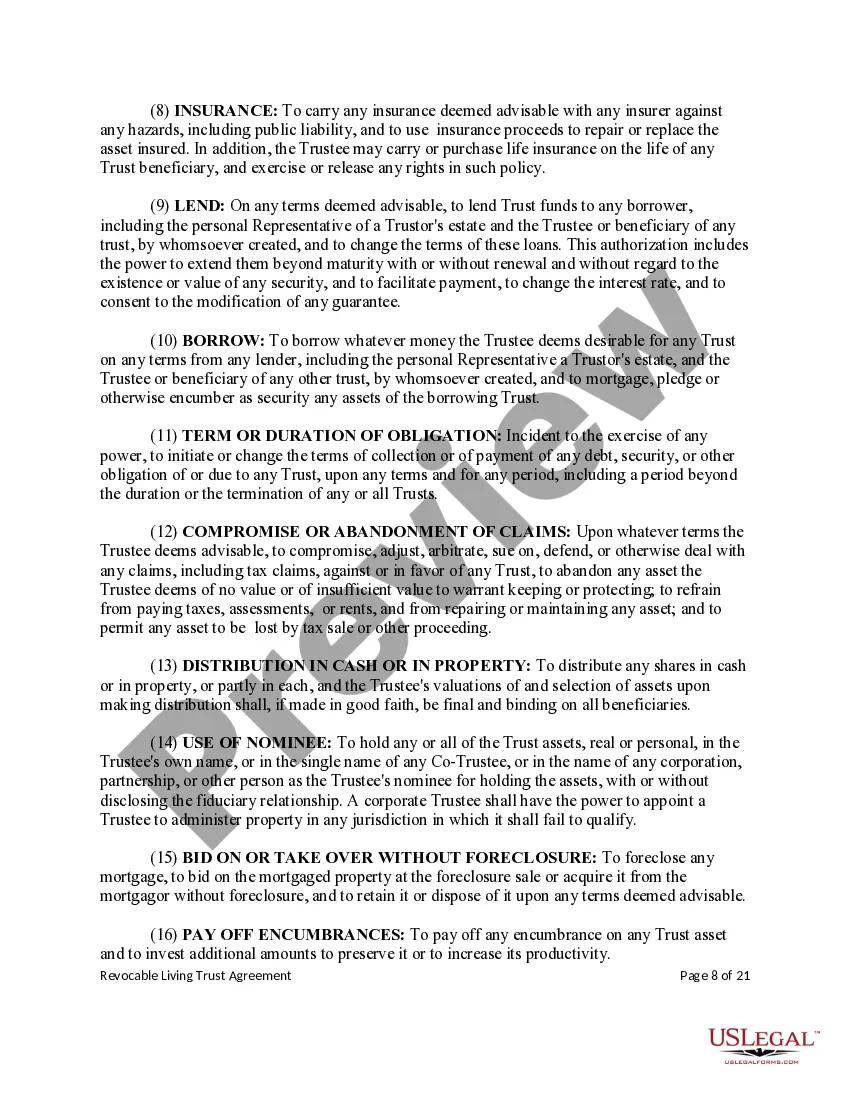

Get your form ready online
Our built-in tools help you complete, sign, share, and store your documents in one place.
Make edits, fill in missing information, and update formatting in US Legal Forms—just like you would in MS Word.
Download a copy, print it, send it by email, or mail it via USPS—whatever works best for your next step.
Sign and collect signatures with our SignNow integration. Send to multiple recipients, set reminders, and more. Go Premium to unlock E-Sign.
If this form requires notarization, complete it online through a secure video call—no need to meet a notary in person or wait for an appointment.
We protect your documents and personal data by following strict security and privacy standards.

Make edits, fill in missing information, and update formatting in US Legal Forms—just like you would in MS Word.

Download a copy, print it, send it by email, or mail it via USPS—whatever works best for your next step.

Sign and collect signatures with our SignNow integration. Send to multiple recipients, set reminders, and more. Go Premium to unlock E-Sign.

If this form requires notarization, complete it online through a secure video call—no need to meet a notary in person or wait for an appointment.

We protect your documents and personal data by following strict security and privacy standards.
Looking for another form?
How to fill out Revocable Living Trust For Real Estate?
Creating documents for professional or personal purposes is always a significant duty.
When formulating a contract, a public service application, or a power of attorney, it’s crucial to consider all federal and state laws and regulations applicable in the particular area.
However, smaller counties and even municipalities also possess legislative guidelines that must be taken into account.
The advantage of the US Legal Forms library is that all the documents you've ever bought are securely stored – you can retrieve them in your profile under the My documents tab at any time. Become a member of the platform and swiftly obtain verified legal templates for any scenario with just a few clicks!
- All these factors render it challenging and lengthy to produce a Fairfax Revocable Living Trust for Real Estate without expert help.
- It is feasible to save money on legal fees for drafting your paperwork and establish a legally binding Fairfax Revocable Living Trust for Real Estate independently by utilizing the US Legal Forms online library.
- It is the largest online repository of state-specific legal documents that are professionally authenticated, ensuring their legitimacy when selecting a template for your county.
- Previous subscribers merely need to Log In to their accounts to acquire the required form.
- If you do not have a subscription yet, follow the detailed instructions below to obtain the Fairfax Revocable Living Trust for Real Estate.
- Examine the webpage you've accessed and verify whether it contains the sample you require.
- To achieve this, make use of the form description and preview if these features are available.
Form popularity
FAQ
Establishing a trust requires serious legal help, which is not cheap. A typical living trust can cost $2,000 or more, while a basic last will and testament can be drawn up for about $150 or so.
We recommend living trusts to our clients because of the tremendous benefits they offer over wills, the more traditional estate planning tool. The biggest benefit of using a living trust instead of a will is that living trusts avoid probate. Probate is the court process by which wills are executed.
Charges vary from lawyer to lawyer based on their fees, as well as the complexity of your overall estate. In the end, expect to pay $1,000 or more. If you decide to go the DIY route, your costs will likely fall to around $200 to $500, depending on which online program you prefer.
The national average cost for a living trust for an individual is $1,100-1,500 USD. The national average cost for a living trust for a married couple is $1,700-2,500 USD. Part of the reason for this range in prices is the range of services that are available from various estate planning attorneys.
Revocable trusts are a good choice for those concerned with keeping records and information about assets private after your death. The probate process that wills are subjected to can make your estate an open book since documents entered into it become public record, available for anyone to access.
Anyone who is single and has assets titled in their sole name should consider a revocable living trust. The two main reasons are to keep you and your assets out of a court-supervised guardianship, and to allow your beneficiaries to avoid the costs and hassles of probate.
Everyone needs a living revocable trust, says Suze Orman. In response to several emails and tweets asking why a trust is so mandatory, Orman spells it out. "A living revocable trust serves as far more than just where assets are to go upon your death and it does that in an efficient way," she said.
Do I Need a Living Trust? While there's not a one-size-fits-all answer, the vast majority of people can get by without using a living trust. Dave Ramsey says, A simple will is perfect for 95% of the population. In other words, unless you have a really big estate, a simple will works just fine.
Drawbacks of a Living TrustPaperwork. Setting up a living trust isn't difficult or expensive, but it requires some paperwork.Record Keeping. After a revocable living trust is created, little day-to-day record keeping is required.Transfer Taxes.Difficulty Refinancing Trust Property.No Cutoff of Creditors' Claims.