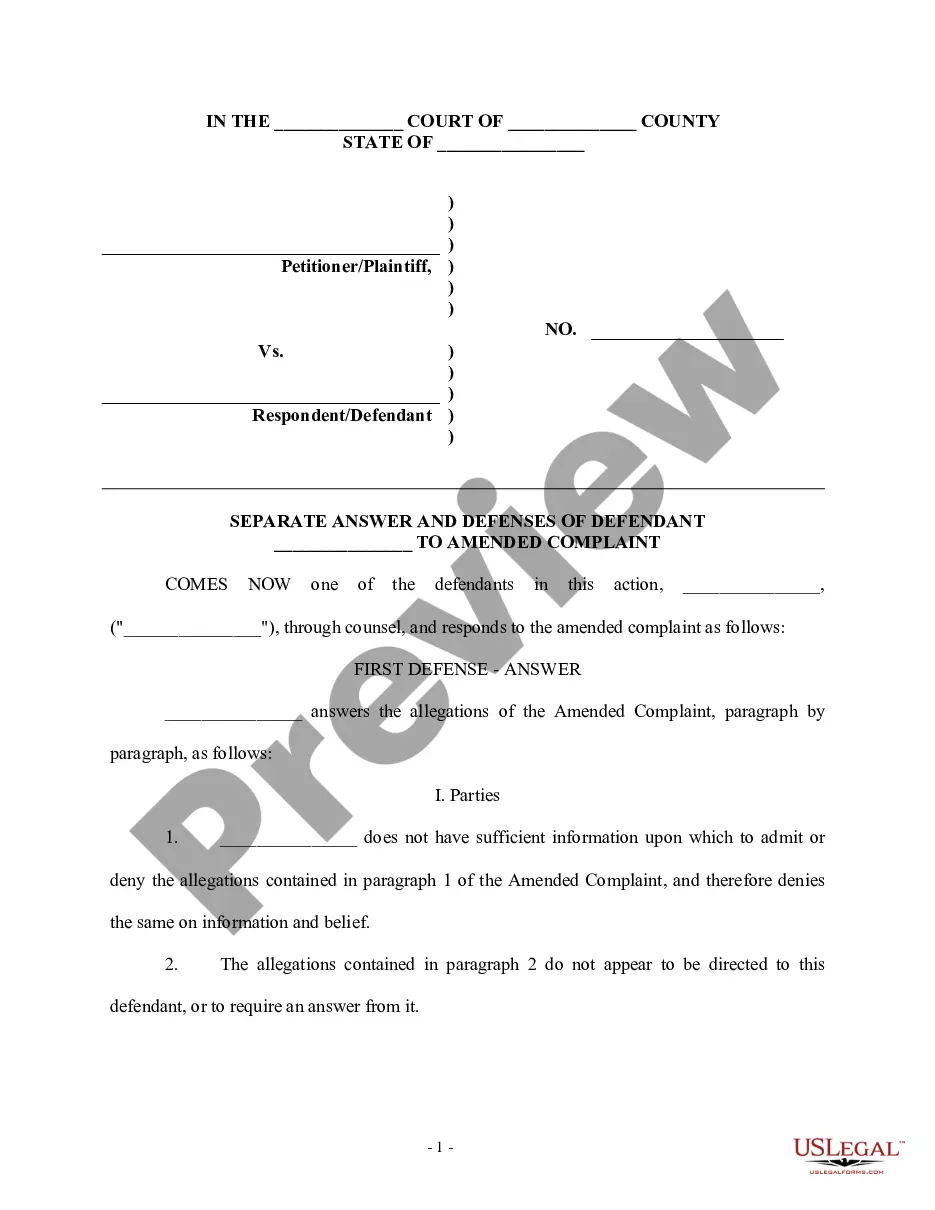
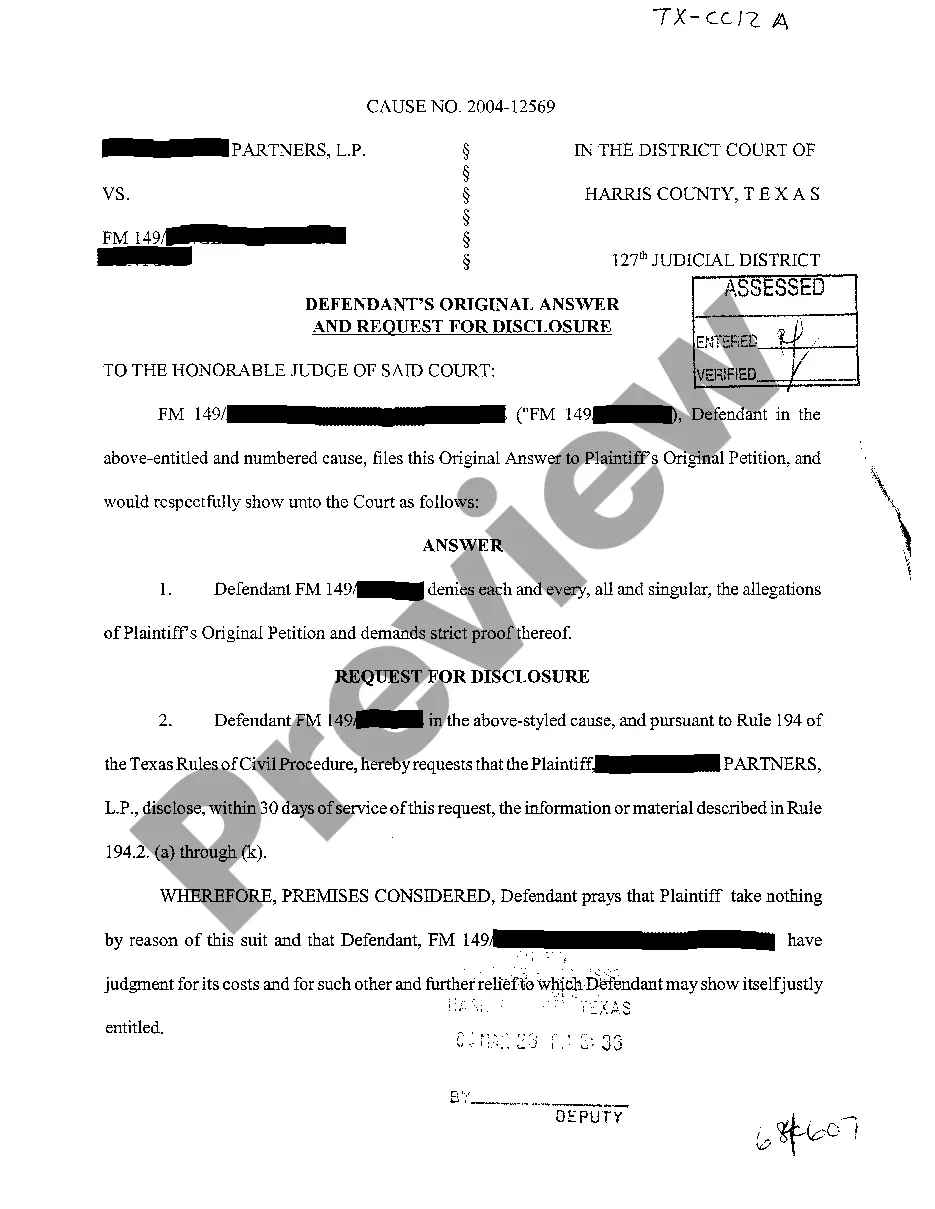
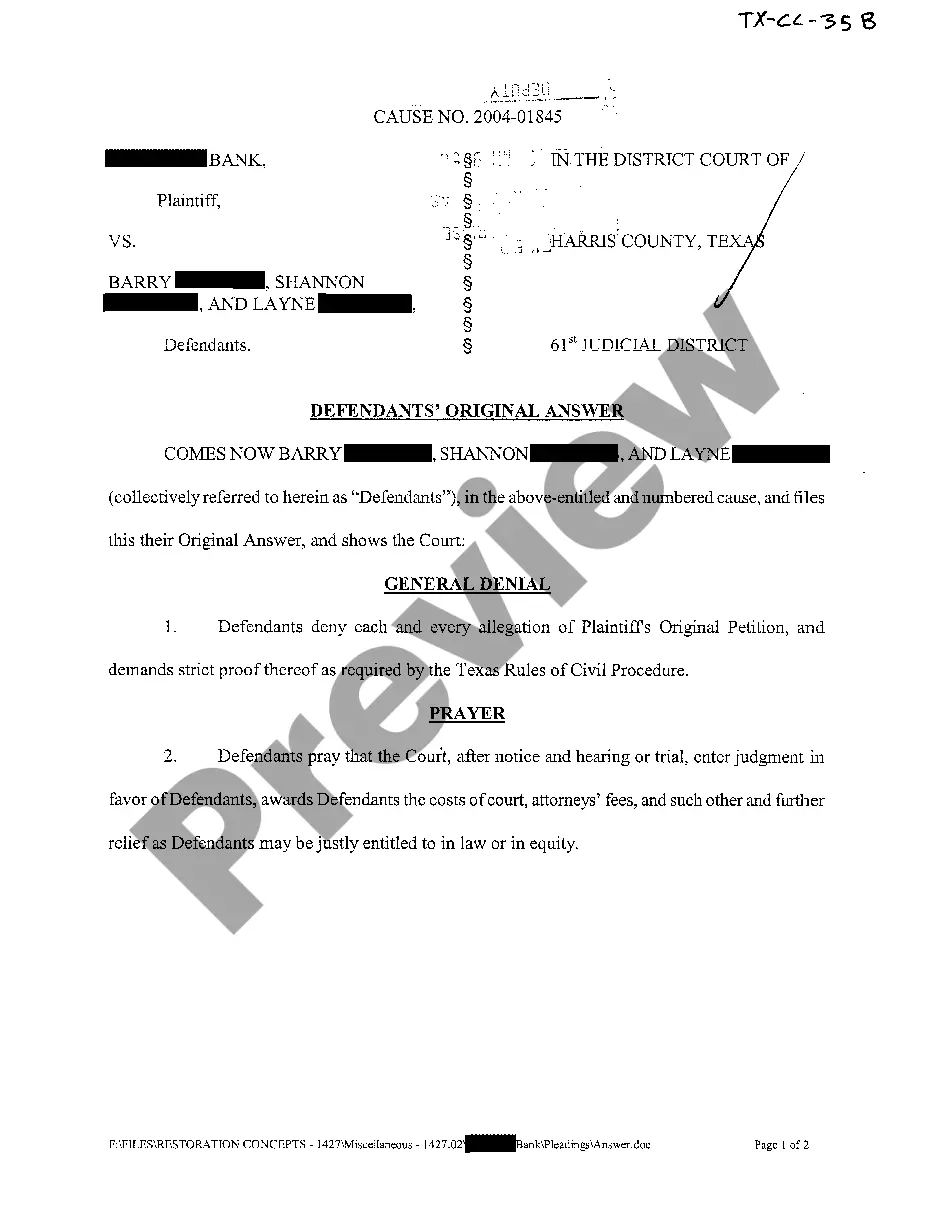
Arlington Texas Defendants Original Answer
Description
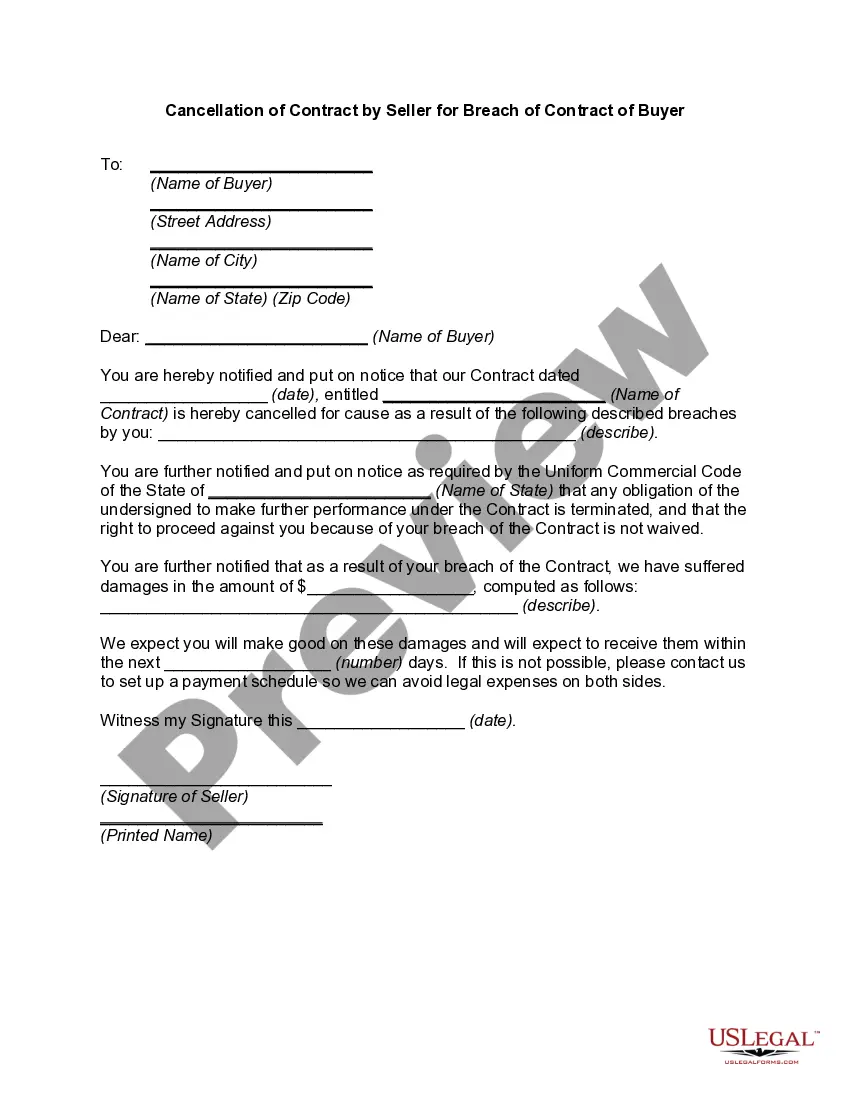
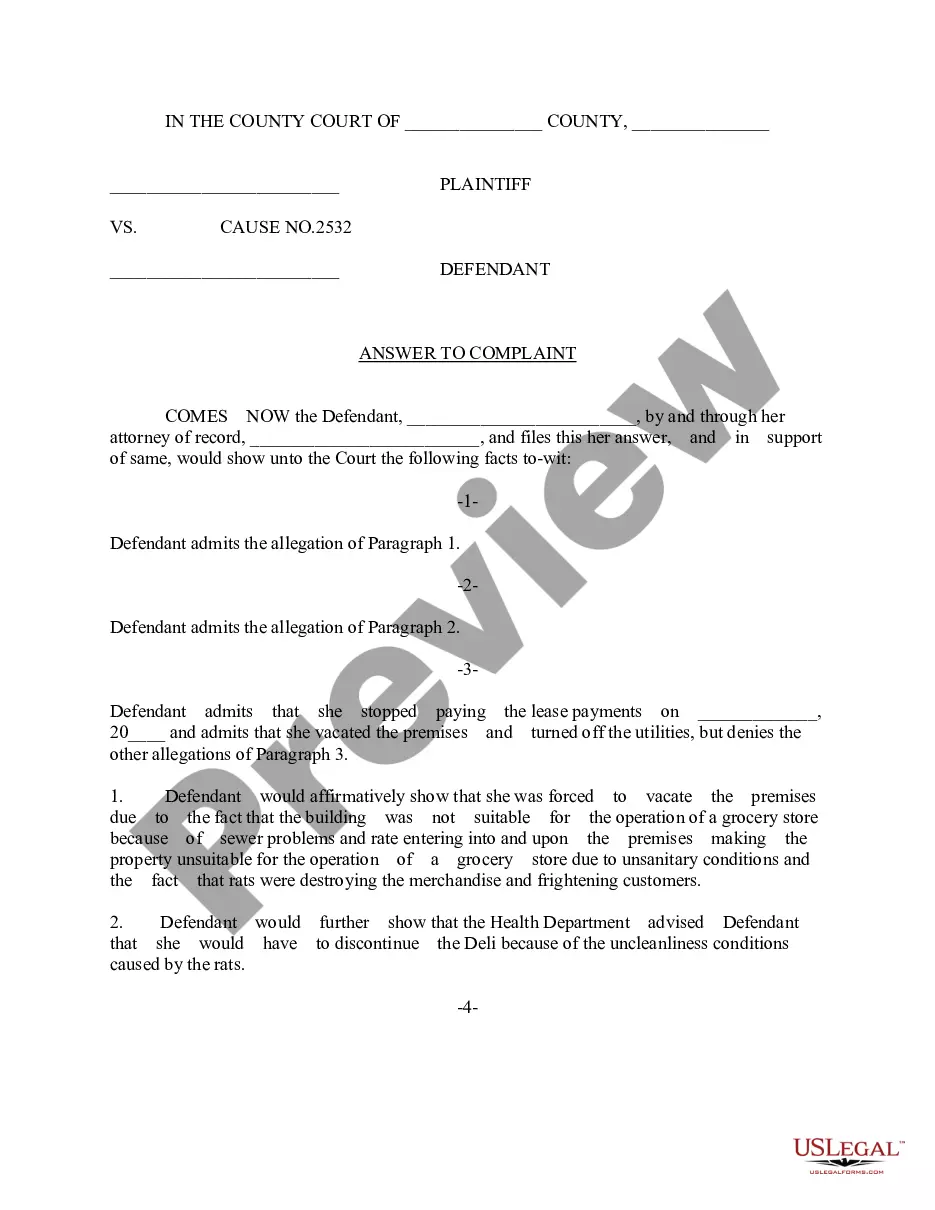
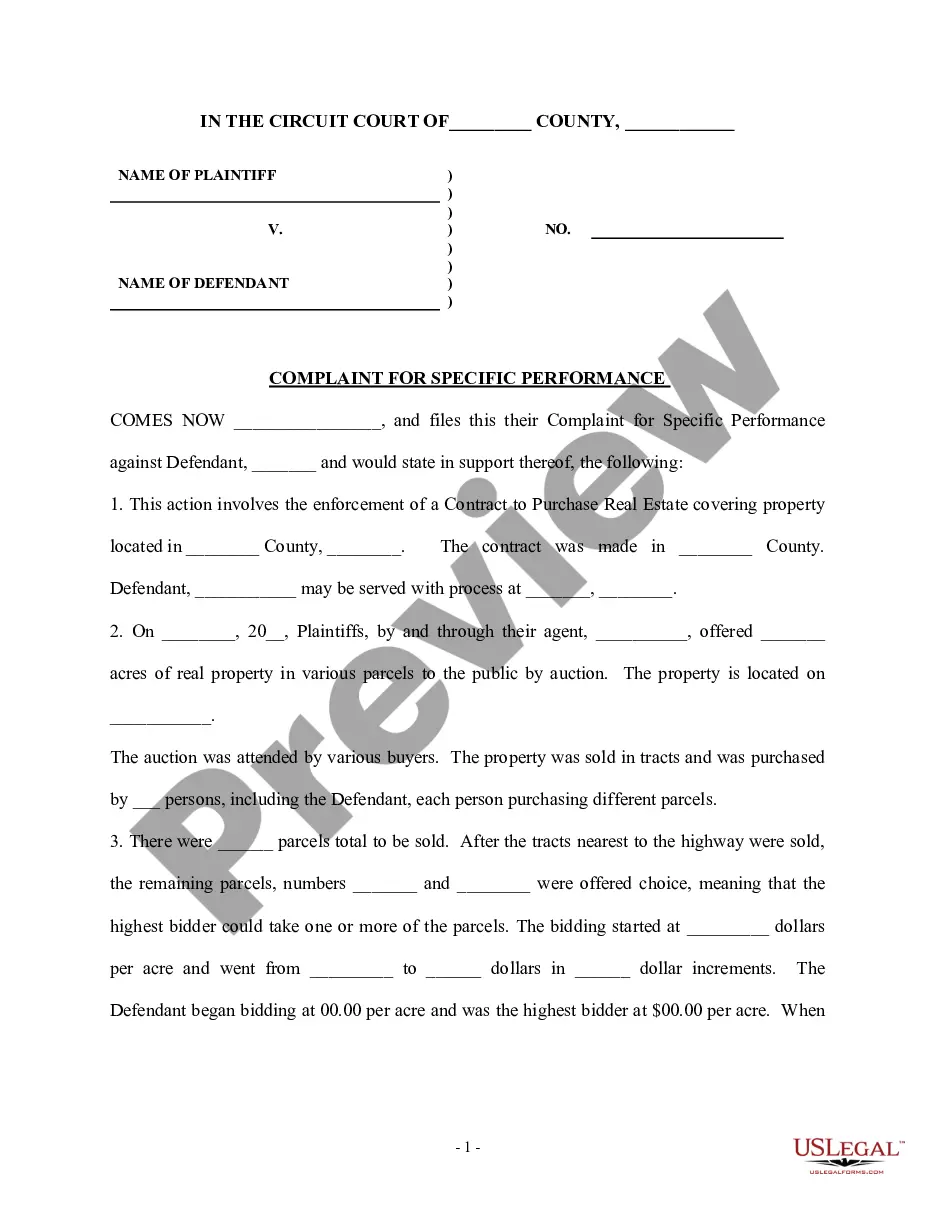
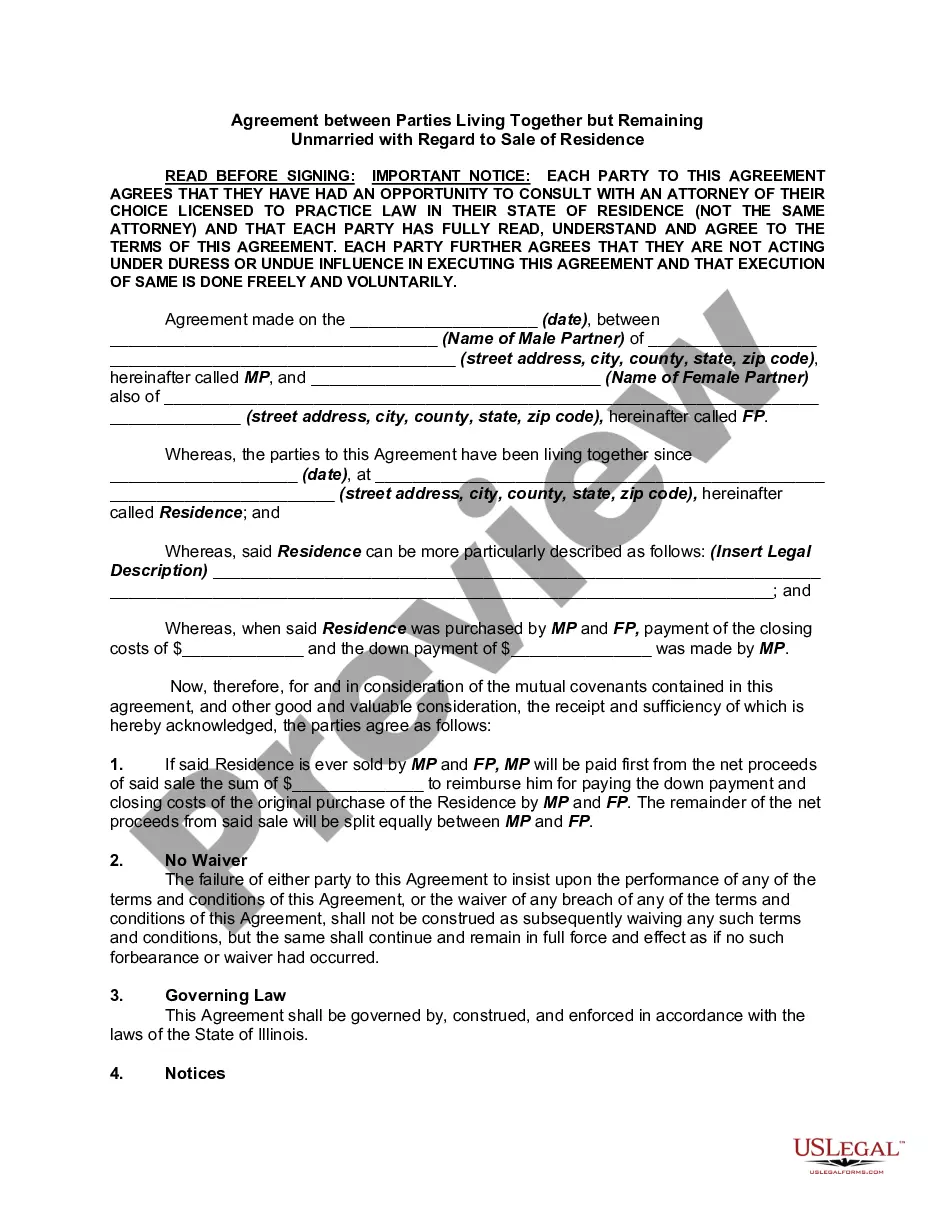




How to fill out Texas Defendants Original Answer?
Irrespective of social or professional standing, filling out legal documents is an unfortunate requirement in today’s society.
Frequently, it is virtually impossible for an individual without any legal education to generate such documents from scratch, mainly due to the intricate jargon and legal nuances associated with them.
This is where US Legal Forms steps in to assist.
Ensure that the form you have selected is appropriate for your area, as the laws of one state or region do not apply to another.
Preview the document and review a brief summary (if available) of situations for which the paper can be utilized.
- Our platform offers an extensive library with over 85,000 ready-to-use state-specific forms suitable for almost any legal matter.
- US Legal Forms also serves as a valuable resource for associates or legal advisors looking to save time using our DIY forms.
- Whether you need the Arlington Texas Defendants Original Answer or any other document suitable for your state or region, US Legal Forms has everything readily available.
- Here’s how to swiftly obtain the Arlington Texas Defendants Original Answer using our reliable service.
- If you are already a subscriber, feel free to Log In to your account to access the correct form.
- However, if you are new to our library, please follow these steps before acquiring the Arlington Texas Defendants Original Answer.
Form popularity
FAQ
Generally, in Texas, an Answer (response to a lawsuit or complaint filed in court) is due by 10 a.m. on Monday after the expiration of 20 days from the date of service.
Filing Your Answer. Contact the clerk's office of the court where the lawsuit was filed. You'll find a phone number and address for the clerk's office on your summons. The clerk will be able to tell you exactly what documents you should file with your answer and whether any filing fee is required.
File (turn in) your completed answer form with the court. To file online, go to E-File Texas and follow the instructions. To file in person, take your answer (and copies) to the district clerk's office in the county where the plaintiff filed the case.
General Denial: I deny all of the Plaintiff's allegations in this complaint or petition. I request notice of all hearings in this case. Note: Entering a general denial does not prevent you from raising other defenses at trial. Texas Rules of Civil Procedure Rule 502.2(b)).