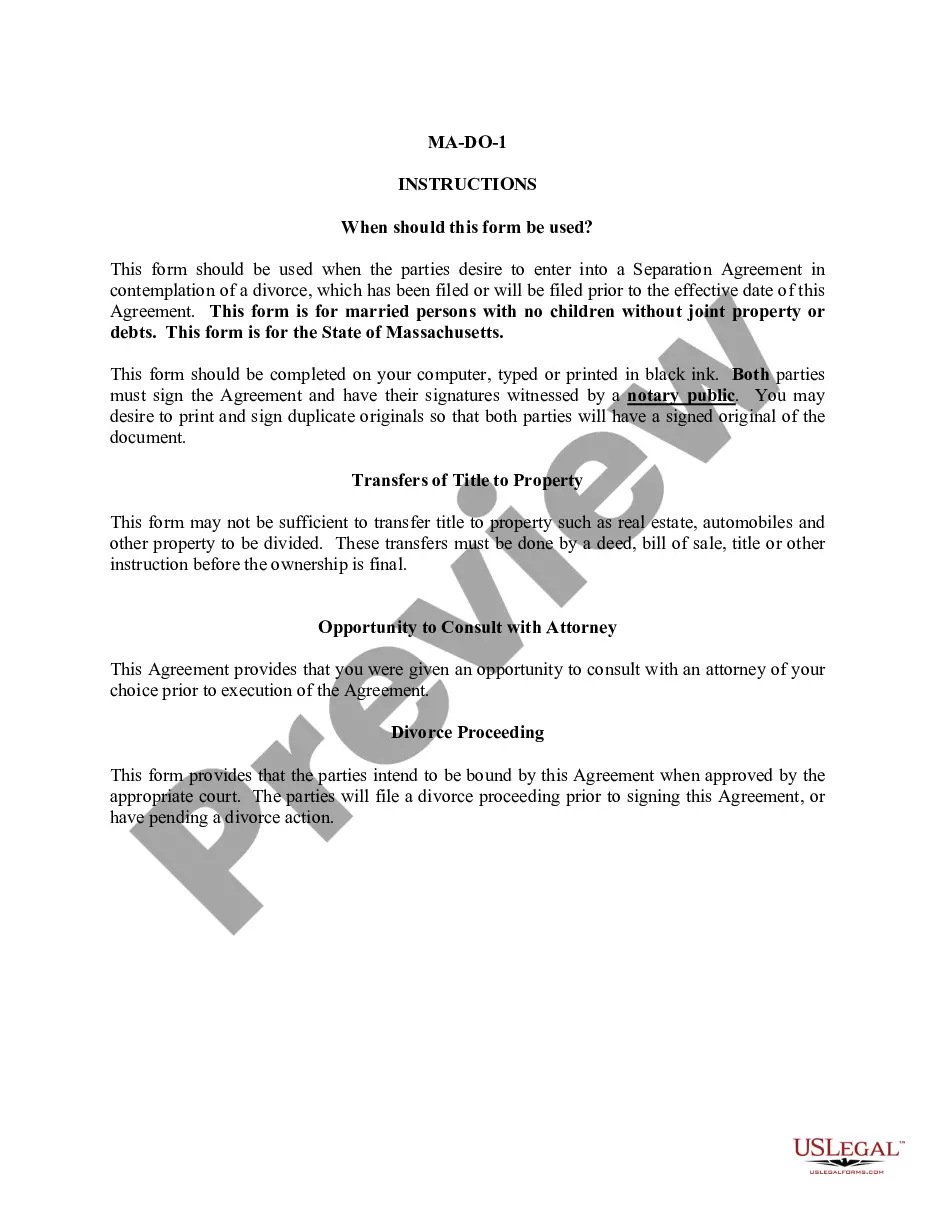
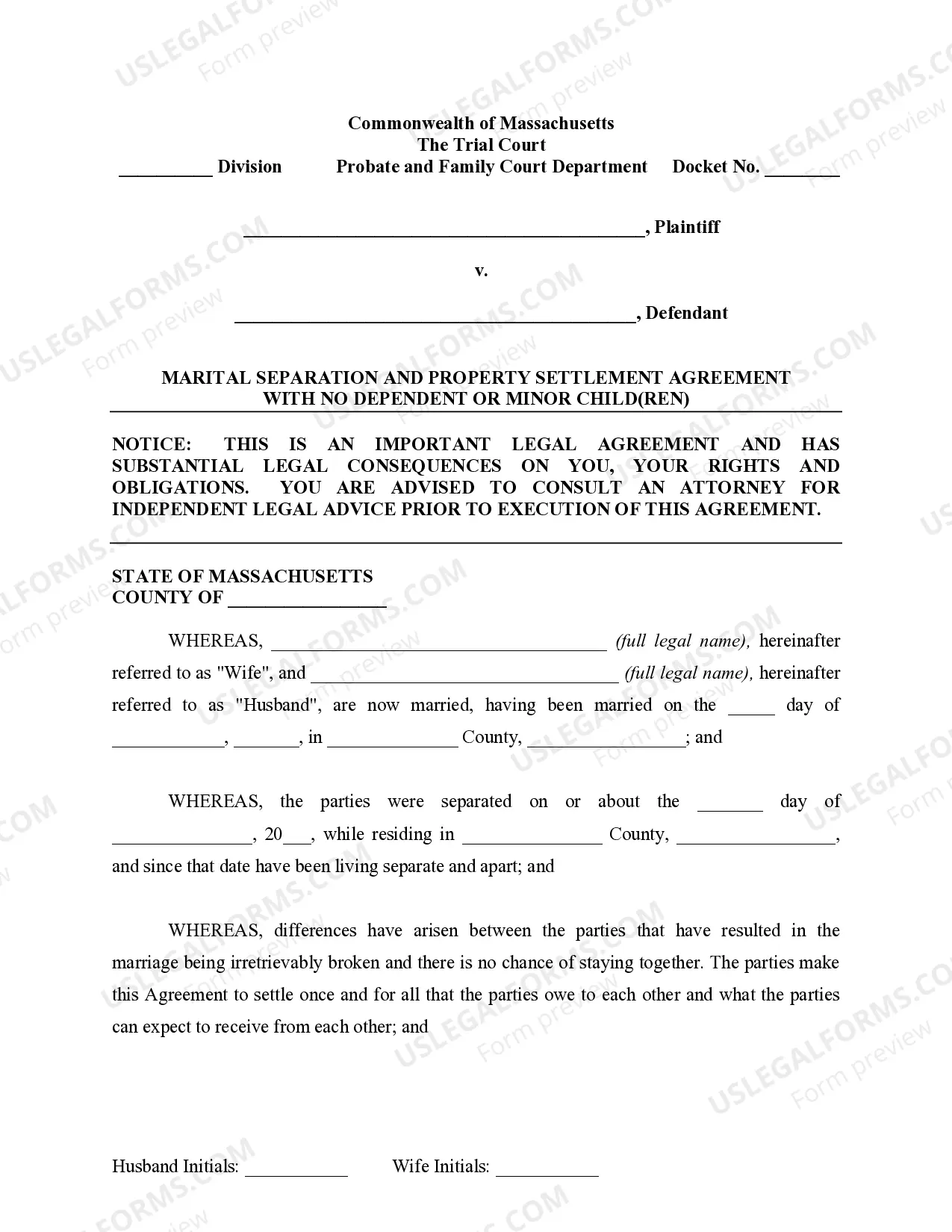
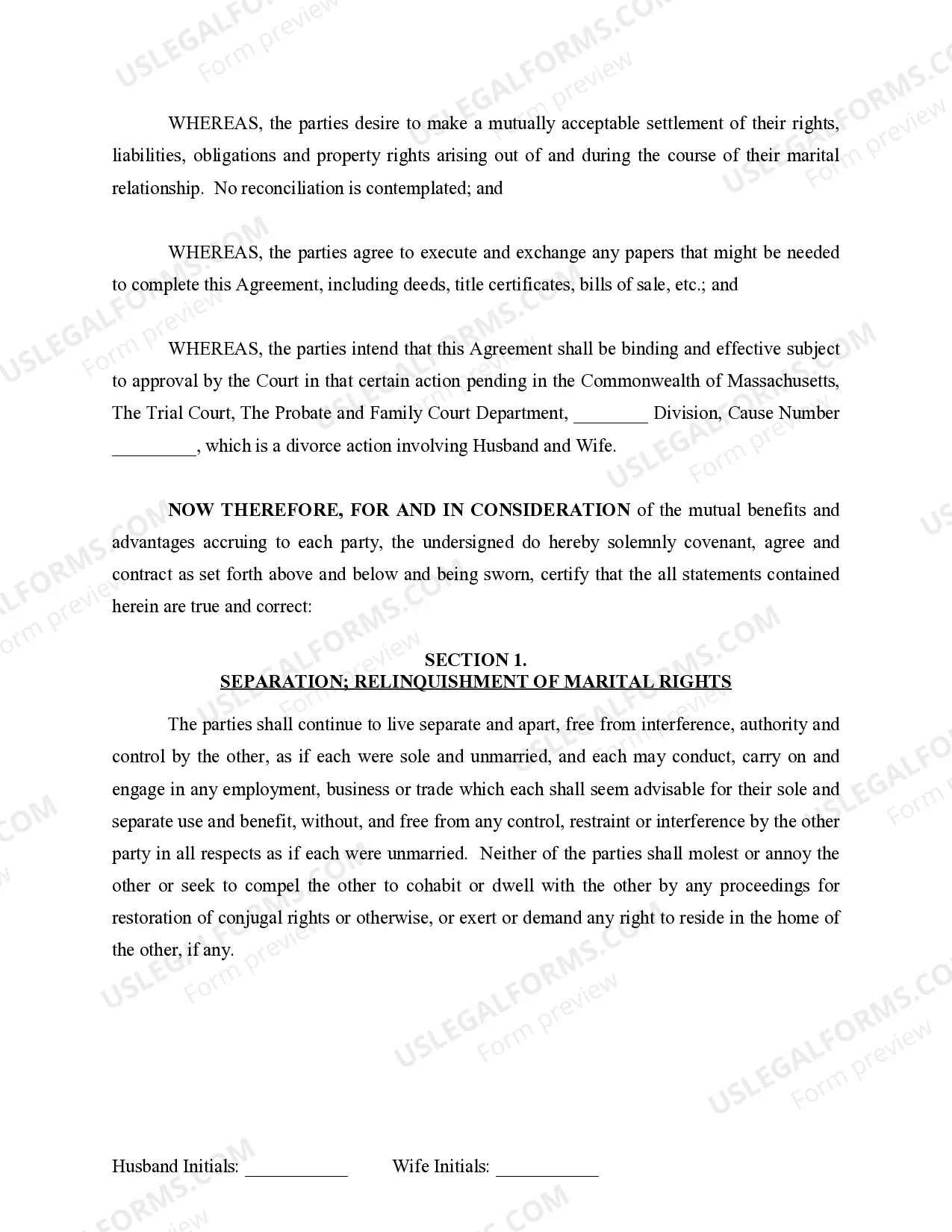
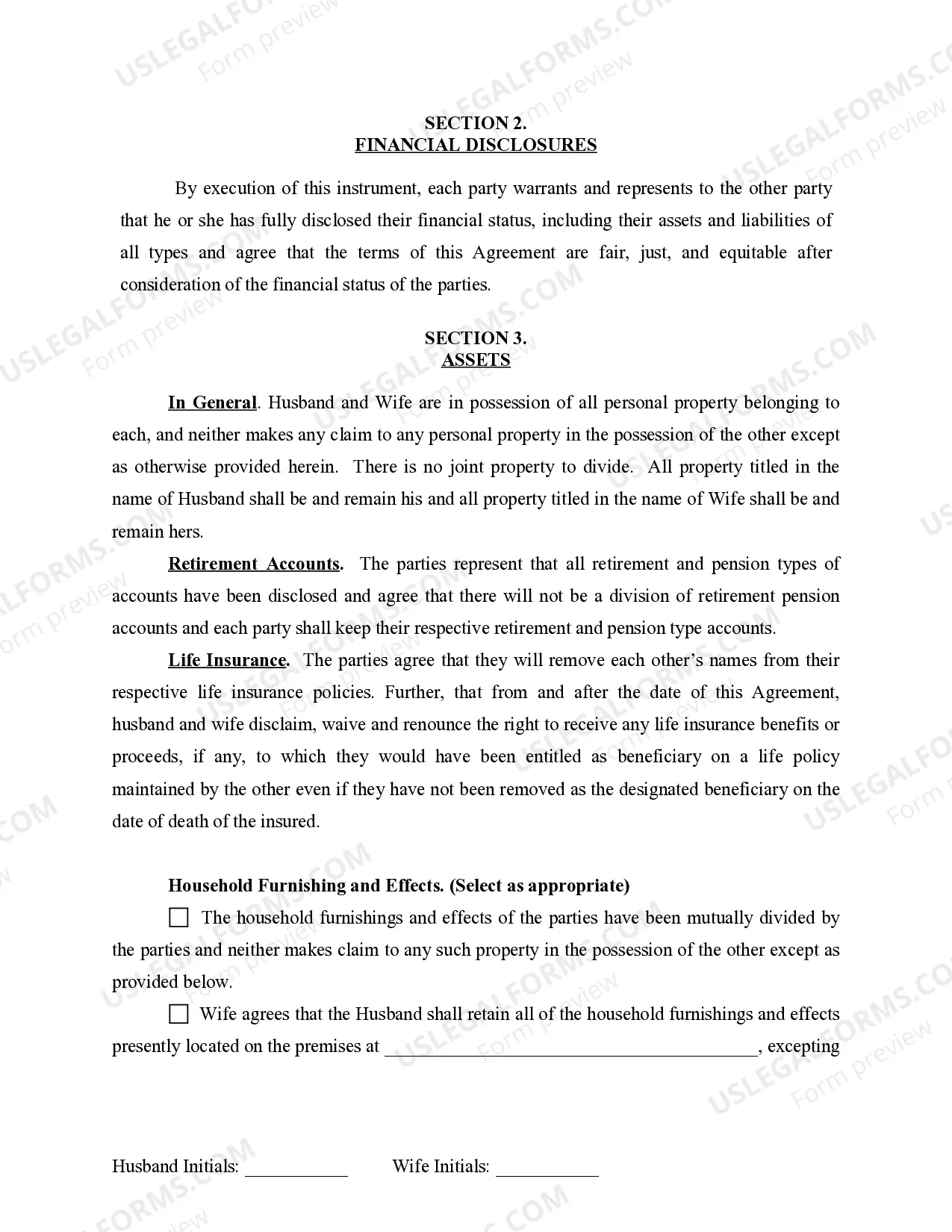
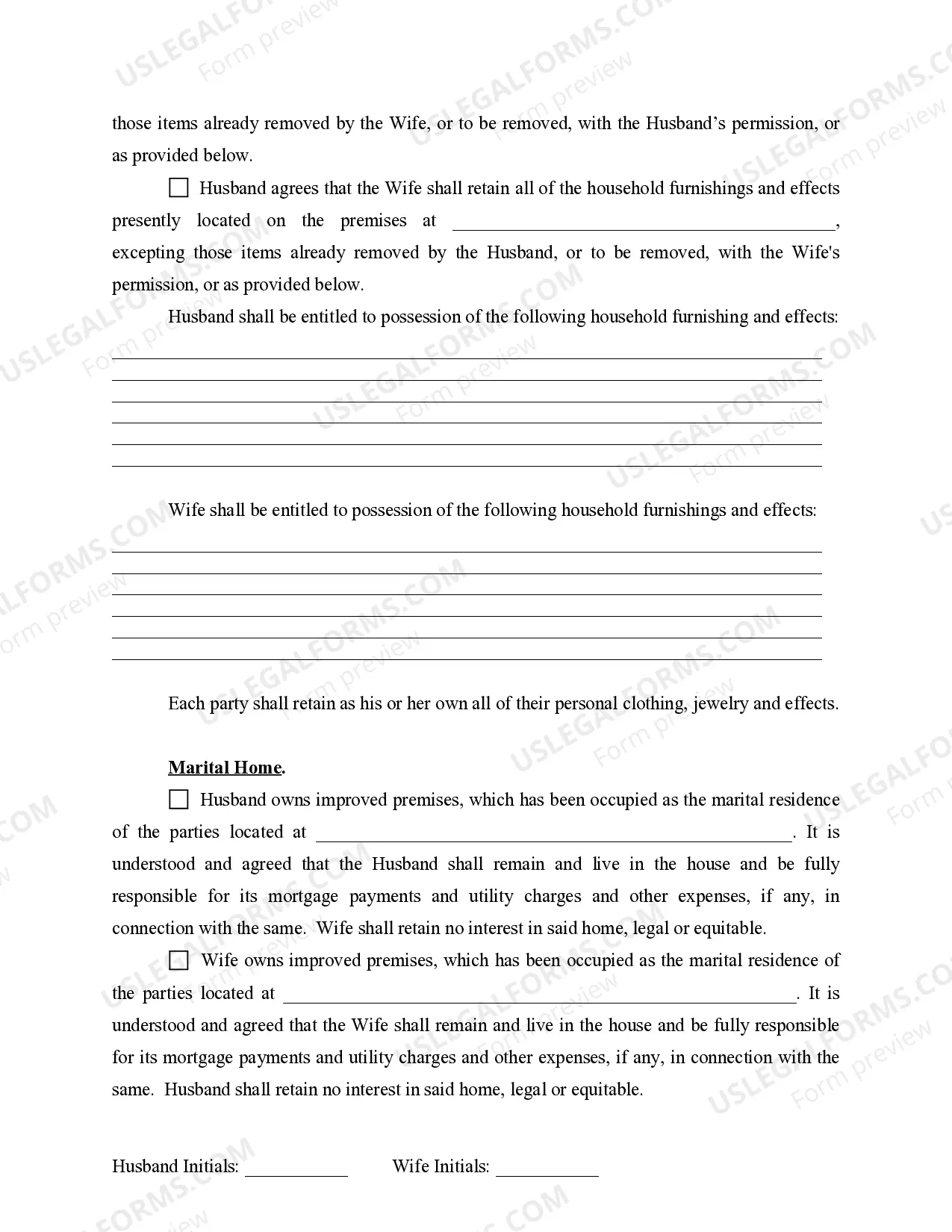
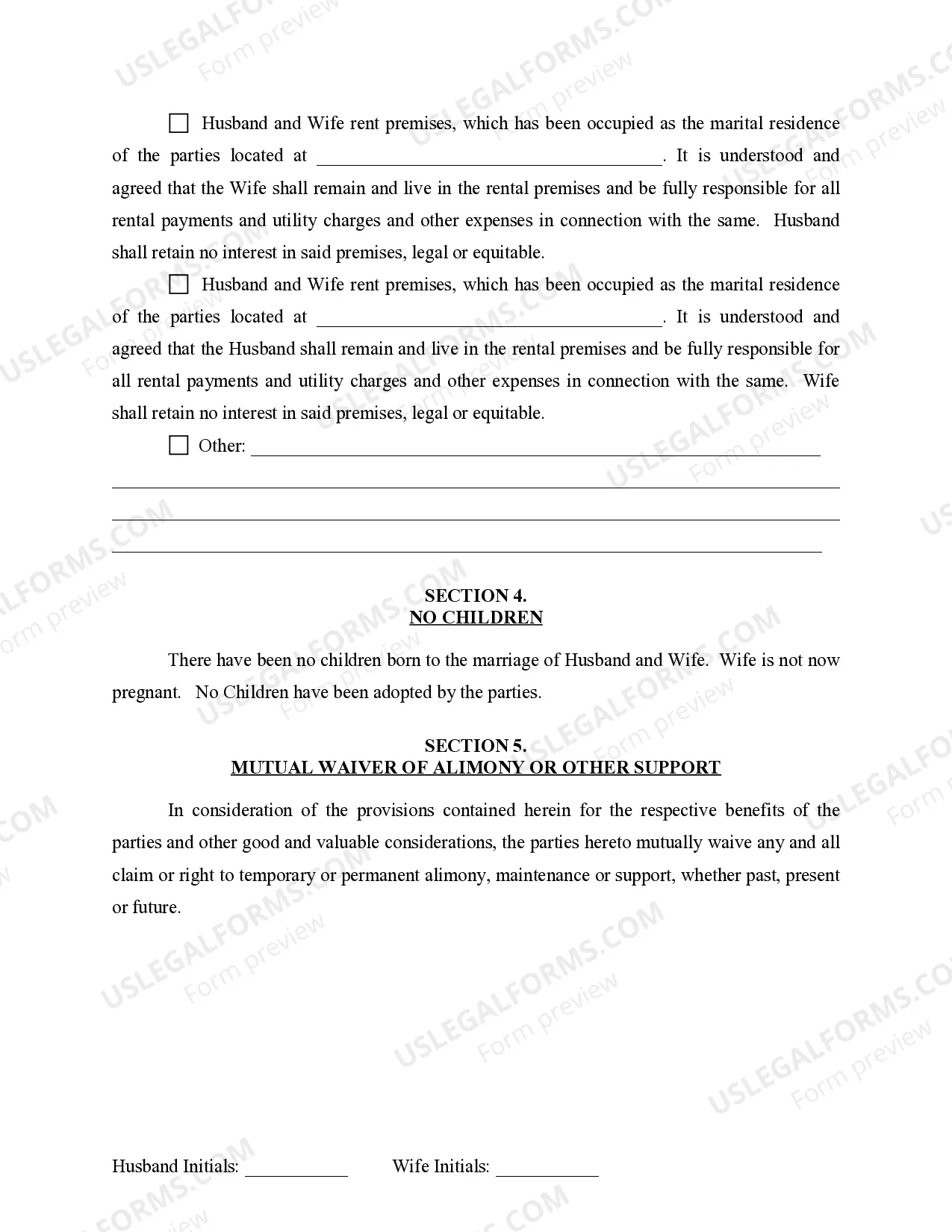
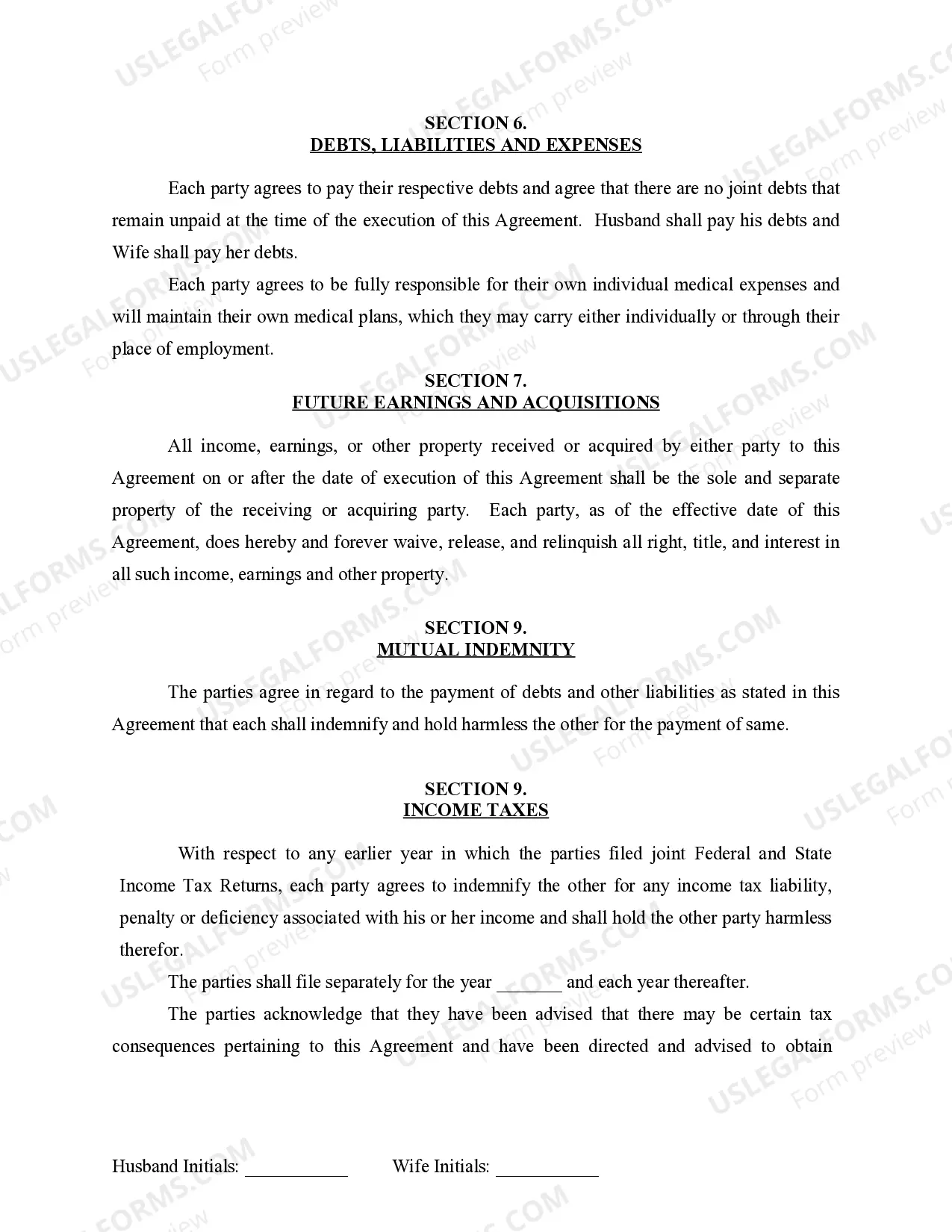
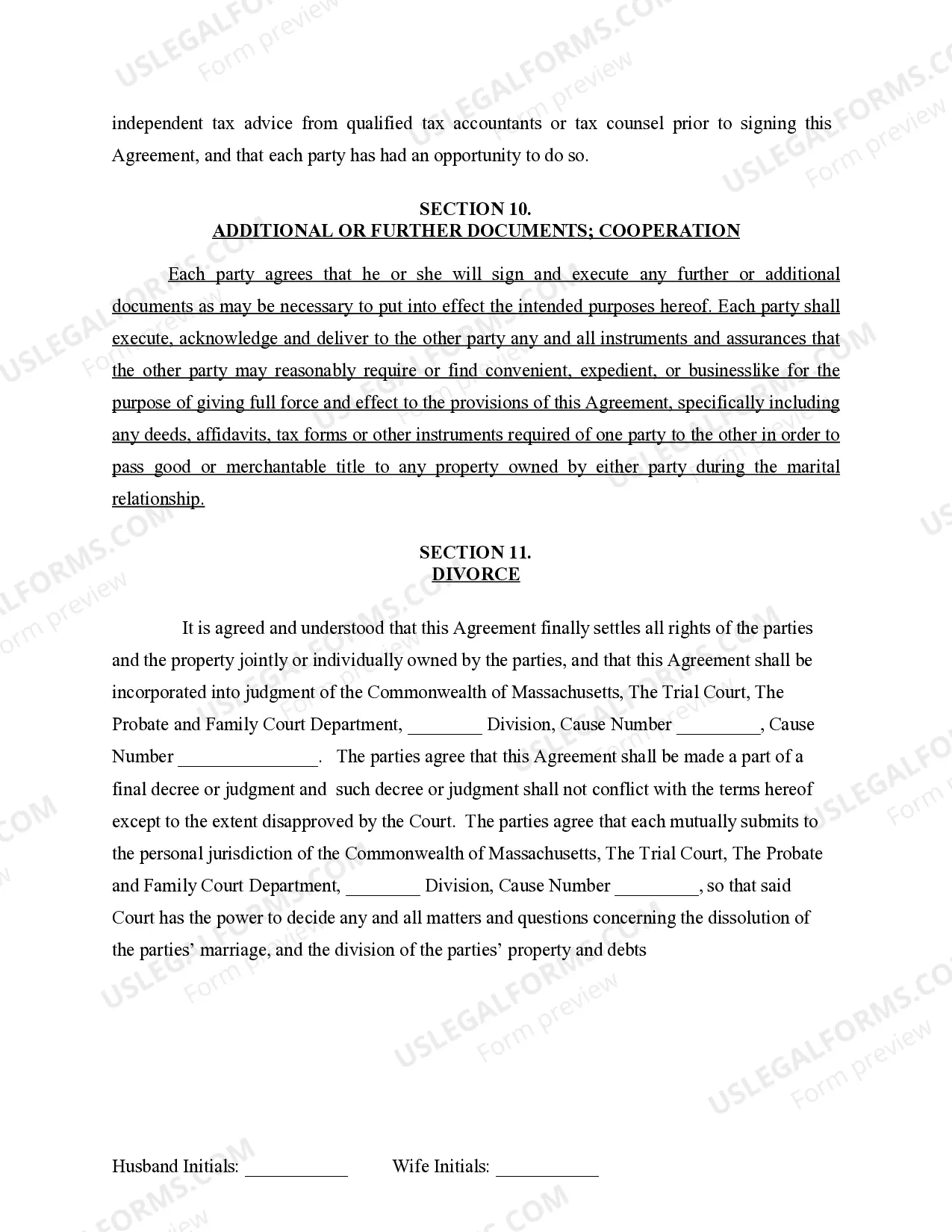
Boston Massachusetts Marital Domestic Separation and Property Settlement Agreement for persons with No Children, No Joint Property or Debts where Divorce Action Filed
Description
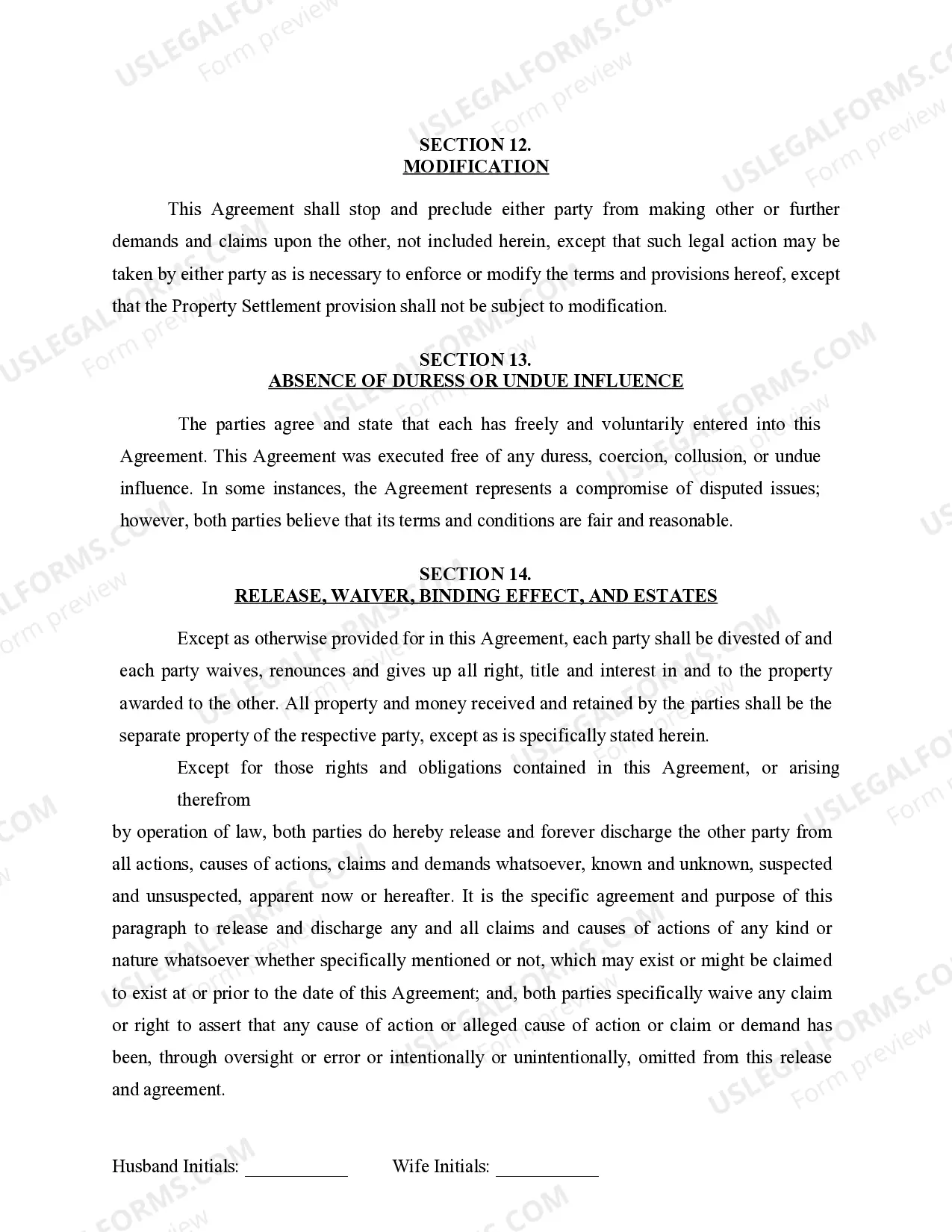
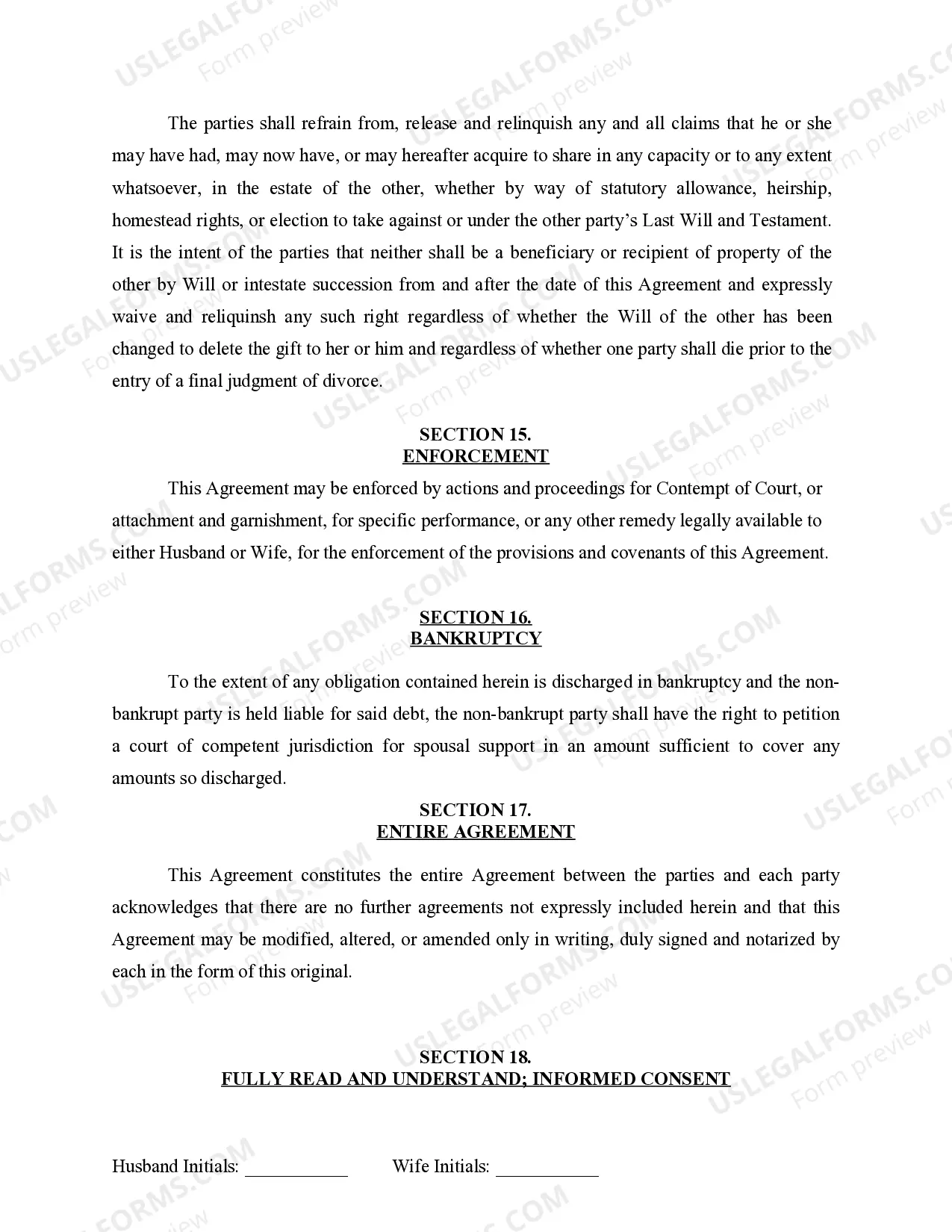

Get your form ready online
Our built-in tools help you complete, sign, share, and store your documents in one place.
Make edits, fill in missing information, and update formatting in US Legal Forms—just like you would in MS Word.
Download a copy, print it, send it by email, or mail it via USPS—whatever works best for your next step.
Sign and collect signatures with our SignNow integration. Send to multiple recipients, set reminders, and more. Go Premium to unlock E-Sign.
If this form requires notarization, complete it online through a secure video call—no need to meet a notary in person or wait for an appointment.
We protect your documents and personal data by following strict security and privacy standards.

Make edits, fill in missing information, and update formatting in US Legal Forms—just like you would in MS Word.

Download a copy, print it, send it by email, or mail it via USPS—whatever works best for your next step.

Sign and collect signatures with our SignNow integration. Send to multiple recipients, set reminders, and more. Go Premium to unlock E-Sign.

If this form requires notarization, complete it online through a secure video call—no need to meet a notary in person or wait for an appointment.

We protect your documents and personal data by following strict security and privacy standards.
Looking for another form?
How to fill out Massachusetts Marital Domestic Separation And Property Settlement Agreement For Persons With No Children, No Joint Property Or Debts Where Divorce Action Filed?
Obtaining verified templates tailored to your regional regulations can be challenging unless you utilize the US Legal Forms library. This online collection comprises over 85,000 legal documents catering to both personal and professional requirements as well as various real-life circumstances.
All documents are accurately categorized by their area of use and jurisdiction, making it as straightforward as A, B, C to find the Boston Massachusetts Marital Domestic Separation and Property Settlement Agreement for individuals with No Children, No Joint Property, or Debts when a Divorce Action is filed.
For those already acquainted with our library and who have utilized it previously, retrieving the Boston Massachusetts Marital Domestic Separation and Property Settlement Agreement for individuals with No Children, No Joint Property, or Debts where a Divorce Action has been filed requires merely a few clicks. Simply Log In to your account, choose the document, and click Download to save it on your device. New users will need to follow a few additional steps to complete the process.
Maintaining documentation orderly and compliant with legal standards is crucial. Utilize the US Legal Forms library to ensure you always have essential document templates at your fingertips!
- Review the Preview mode and form description. Ensure that you've selected the correct one that meets your requirements and fully aligns with your local jurisdiction regulations.
- Search for another template, if necessary. Should you encounter any discrepancies, utilize the Search tab above to find the accurate one. If it fits your needs, proceed to the next step.
- Buy the document. Hit the Buy Now button and select your desired subscription plan. You will need to create an account to gain access to the library's resources.
- Complete your purchase. Enter your credit card information or use your PayPal account to pay for the subscription.
- Download the Boston Massachusetts Marital Domestic Separation and Property Settlement Agreement for persons with No Children, No Joint Property or Debts where Divorce Action Filed. Save the template onto your device to fill it out and you can access it later in the My documents section of your profile whenever you require it again.
Form popularity
FAQ
What's the difference between divorce and separation? A divorce legally ends a marriage between two people. A separation agreement does not end the marriage, it sets out the terms of the separation that the couple have agreed to.
The main difference between separation and divorce is that divorce ends your marriage. Separation means you are still married, but you do not live with your spouse. You have to go to court to be divorced. You do not have to go to court to be separated.
3. What is the difference between a divorce and separate support? The main difference is that a judgment of divorce ends the marriage; a judgment of separate support does not end the marriage.
The state of Massachusetts is not a 50/50 state or a community property state. This means that, if the court must decide, all the property, assets, and liabilities are not necessarily divided equally between the two parties, as is the case in some states.
You'll need to write a separation agreement, and both spouses must sign it and have it notarized (signed by a notary). A separation agreement is a written contract between you and your spouse.
As long as the desire to seek a divorce is mutual, then you can seek a divorce as long as you have proof that you have been separated from each other physically for at least 18 months.
Anyone seeking a divorce must satisfy one of the five grounds for divorce to prove that a marriage has broken down irretrievably, one of which is two years' separation with consent.
In Massachusetts, a judge may grant you a no-fault divorce due to an irretrievable breakdown of your marriage (when the marriage is broken and cannot be fixed). A fault-based divorce is when you file for divorce, and you claim that your spouse was responsible for the end of the marriage.
For a divorce in Massachusetts, a Separation Agreement needs to be signed, notarized, and then filed with the proper Probate and Family Court Department in conjunction with other divorce documents.
You will have to serve divorce paperwork on your spouse, but a spouse cannot keep you from obtaining a divorce in Massachusetts simply by not signing paperwork. Joseph F. Botelho, Esq.