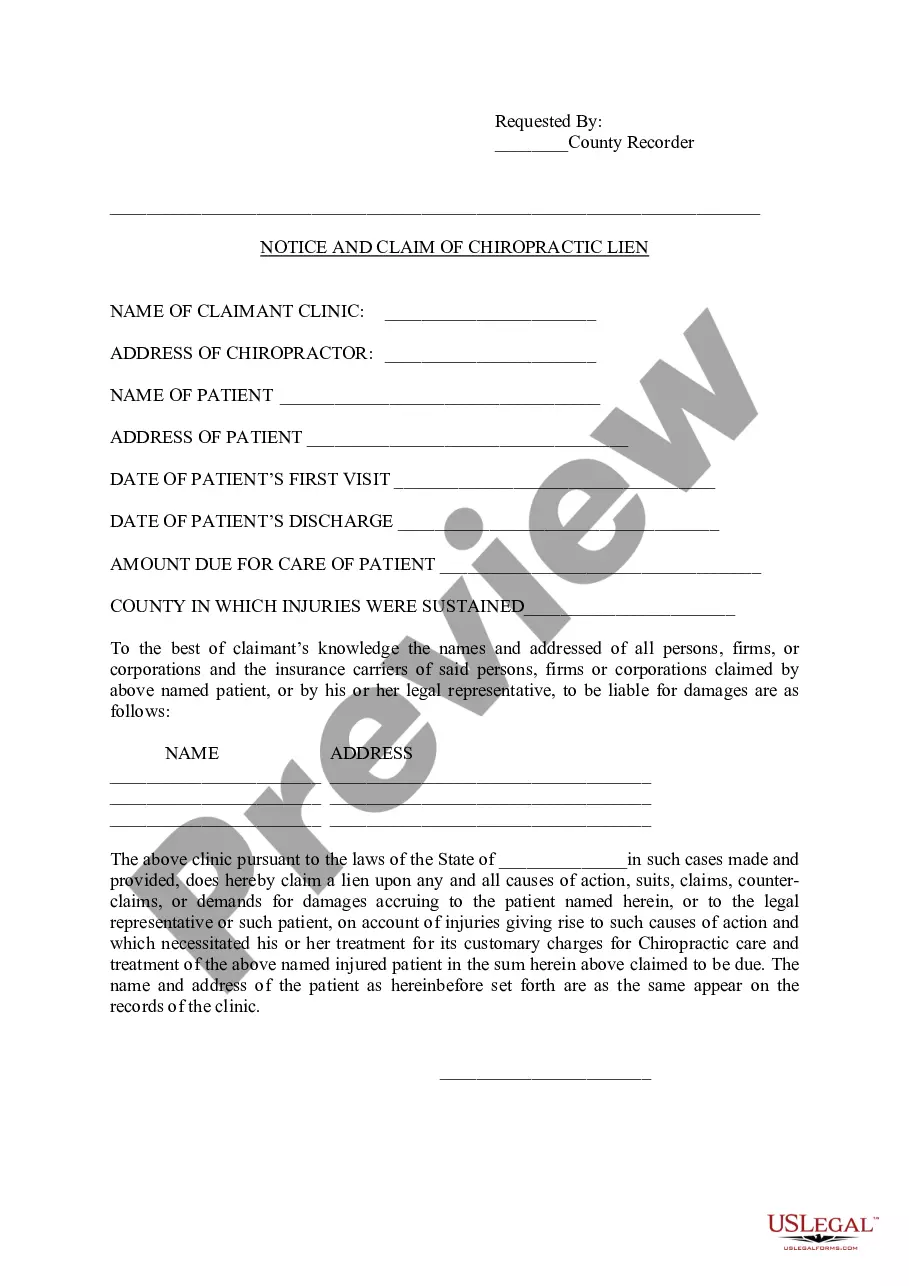
Phoenix Arizona Notice and Claim of Chiropractic Lien
Description

Get your form ready online
Our built-in tools help you complete, sign, share, and store your documents in one place.
Make edits, fill in missing information, and update formatting in US Legal Forms—just like you would in MS Word.
Download a copy, print it, send it by email, or mail it via USPS—whatever works best for your next step.
Sign and collect signatures with our SignNow integration. Send to multiple recipients, set reminders, and more. Go Premium to unlock E-Sign.
If this form requires notarization, complete it online through a secure video call—no need to meet a notary in person or wait for an appointment.
We protect your documents and personal data by following strict security and privacy standards.

Make edits, fill in missing information, and update formatting in US Legal Forms—just like you would in MS Word.

Download a copy, print it, send it by email, or mail it via USPS—whatever works best for your next step.

Sign and collect signatures with our SignNow integration. Send to multiple recipients, set reminders, and more. Go Premium to unlock E-Sign.

If this form requires notarization, complete it online through a secure video call—no need to meet a notary in person or wait for an appointment.

We protect your documents and personal data by following strict security and privacy standards.
Looking for another form?

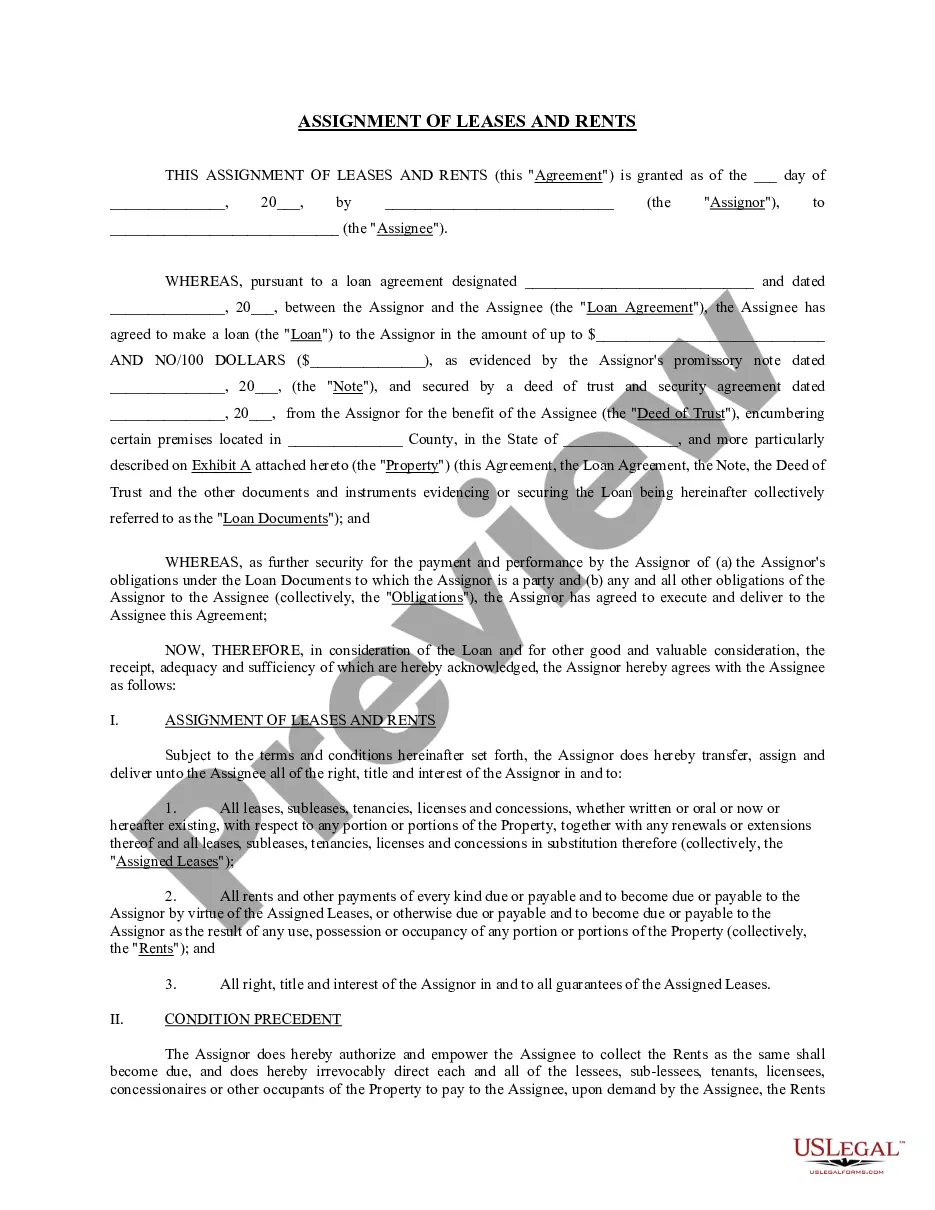
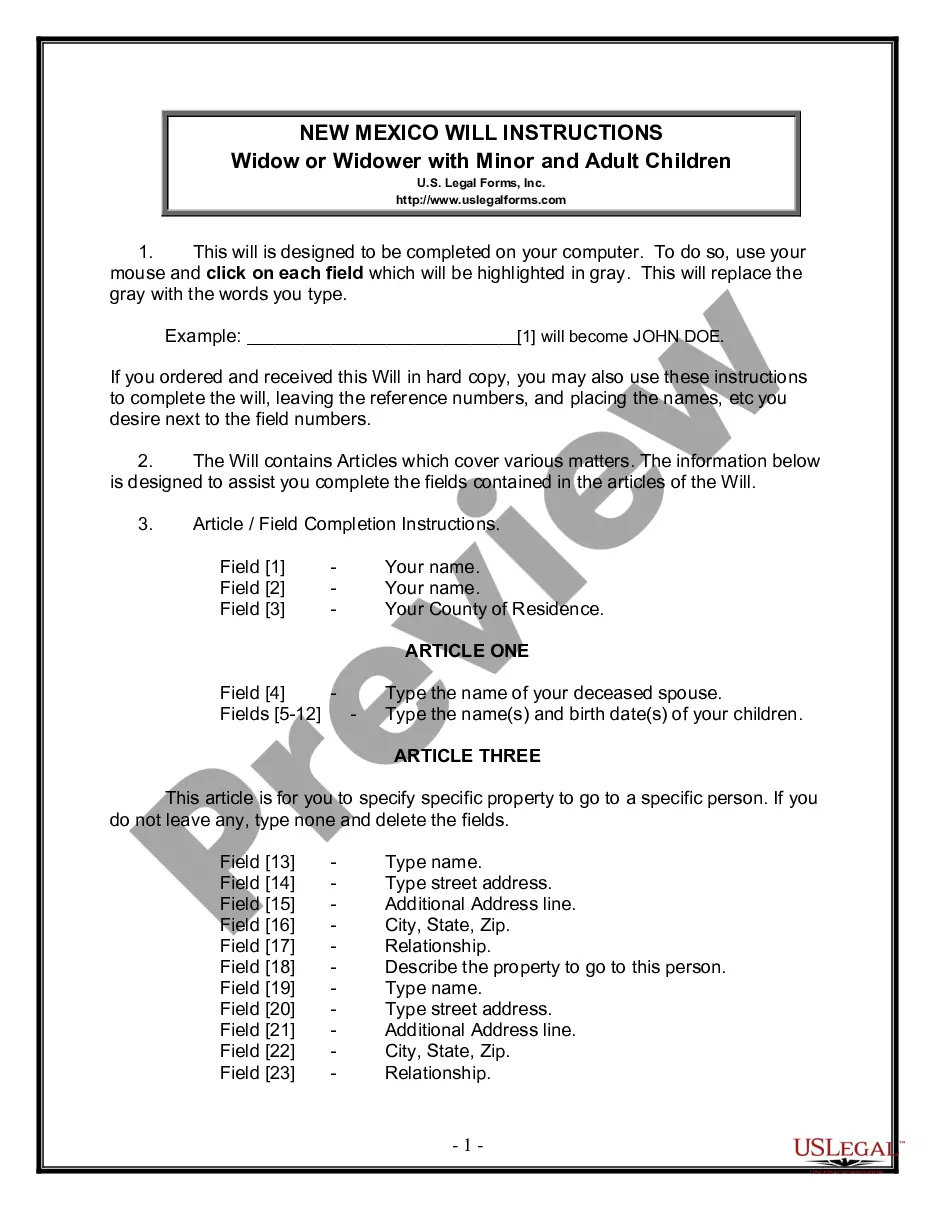

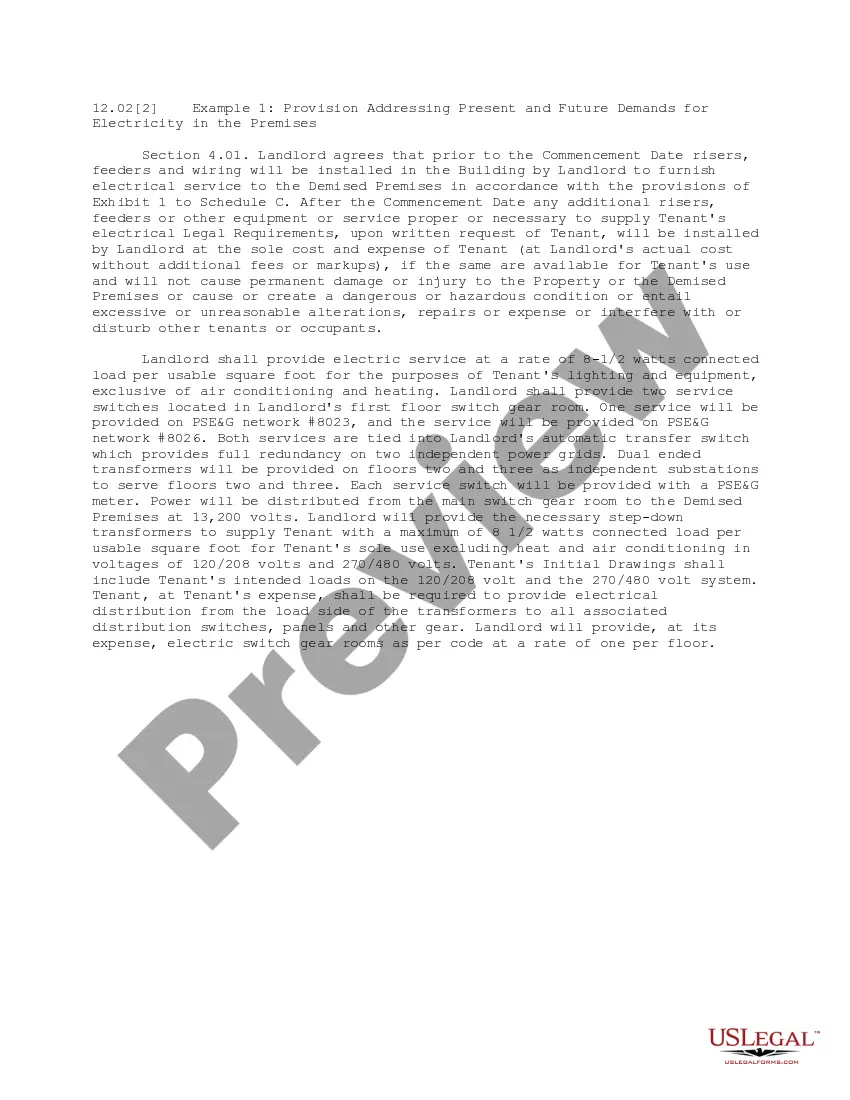
How to fill out Arizona Notice And Claim Of Chiropractic Lien?
Irrespective of social or professional standing, completing law-related documents is a regrettable requirement in today’s workplace.
Often, it's nearly impossible for an individual lacking any legal training to create such documents from scratch, primarily due to the intricate language and legal subtleties they entail.
This is where US Legal Forms comes in to assist.
Verify that the template you have found is valid for your region since the regulations of one state or jurisdiction do not apply to another.
Review the document and read a concise description (if available) of the circumstances for which the paper can be utilized.
- Our platform provides an extensive assortment of over 85,000 ready-to-use state-specific documents suitable for almost any legal circumstance.
- US Legal Forms also serves as a valuable tool for associates or legal advisors who wish to conserve time using our DIY papers.
- Whether you're seeking the Phoenix Arizona Notice and Claim of Chiropractic Lien or any other documentation that will be recognized in your region, US Legal Forms makes everything readily available.
- Here’s how you can quickly obtain the Phoenix Arizona Notice and Claim of Chiropractic Lien using our trustworthy platform.
- If you are an existing customer, feel free to Log In to your account to access the necessary form.
- If you are new to our library, make sure to follow these steps before acquiring the Phoenix Arizona Notice and Claim of Chiropractic Lien.
Form popularity
FAQ
Enforcing Healthcare Liens The statute of limitations on enforcing a lien is two years from the date of entry of judgment or settlement of the dependent case. As stated previously, the amount may not exceed the total compensation paid to the victim.
A medical lien is a claim that another party has to a portion of your settlement or jury verdict. It specifically describes a claim a medical provider, hospital or health insurance company has for paying for your medical care.
A lien is a demand for payment applied from the settlement you receive. Someone to whom you owe money may file the lien against a settlement. In the case of a medical lien, this is usually another party who provided you with medical services.
With a contractual medical lien, the provider has four years from the date you fail to pay under the contract. If your agreement specifies that the amount is placed in trust for the provider, there is no statute of limitations, and the provider can sue for recovery at any time.
Enforcing Healthcare Liens The statute of limitations on enforcing a lien is two years from the date of entry of judgment or settlement of the dependent case. As stated previously, the amount may not exceed the total compensation paid to the victim.
A medical lien is a demand for payment that may be placed against a potential settlement or verdict in a personal injury case. It acts just like a lien against a car loan or a loan with a bank against encumbered property. It attaches to the proceeds of your settlement with the insurance company or your attorney.
Do You Have to Pay the Hospital if There is No Lien Filed? Whether there is a lien or not, you still have an obligation to pay the hospital's bills. If you fail to do so, they have four years from the date the services were provided to sue you to collect on the bills.
These liens attach only to settlement proceeds, they do not attach to any other personal or real property of the patient/plaintiff.
The practice of placing Healthcare liens against an accident victim's settlement proceeds has become standard practice in the Healthcare industry in Arizona. A Healthcare lien does not attach to an accident victim's personal or real property and should not impair his/her credit rating.