Louisiana Assignment of Lease from Lessor with Notice of Assignment
What this document covers
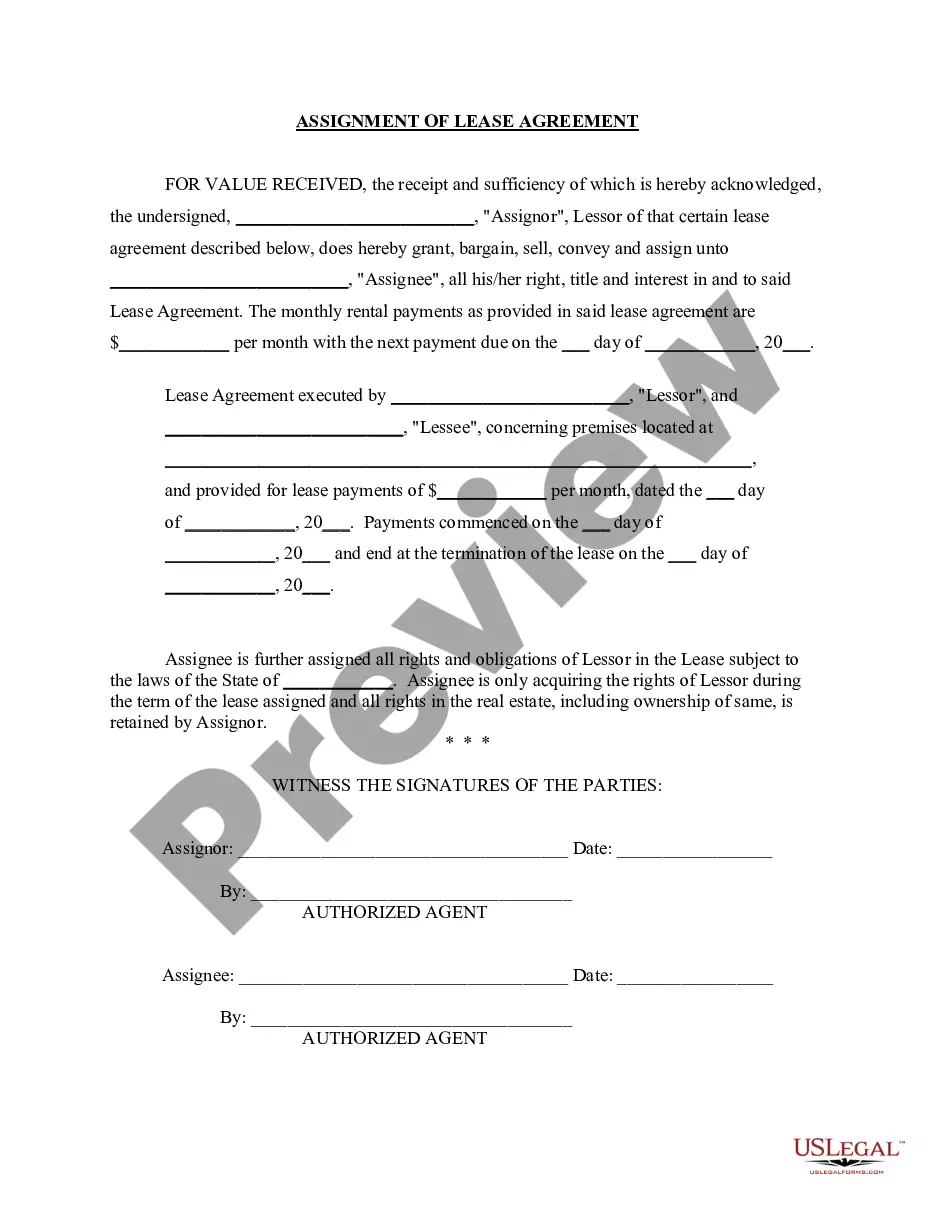
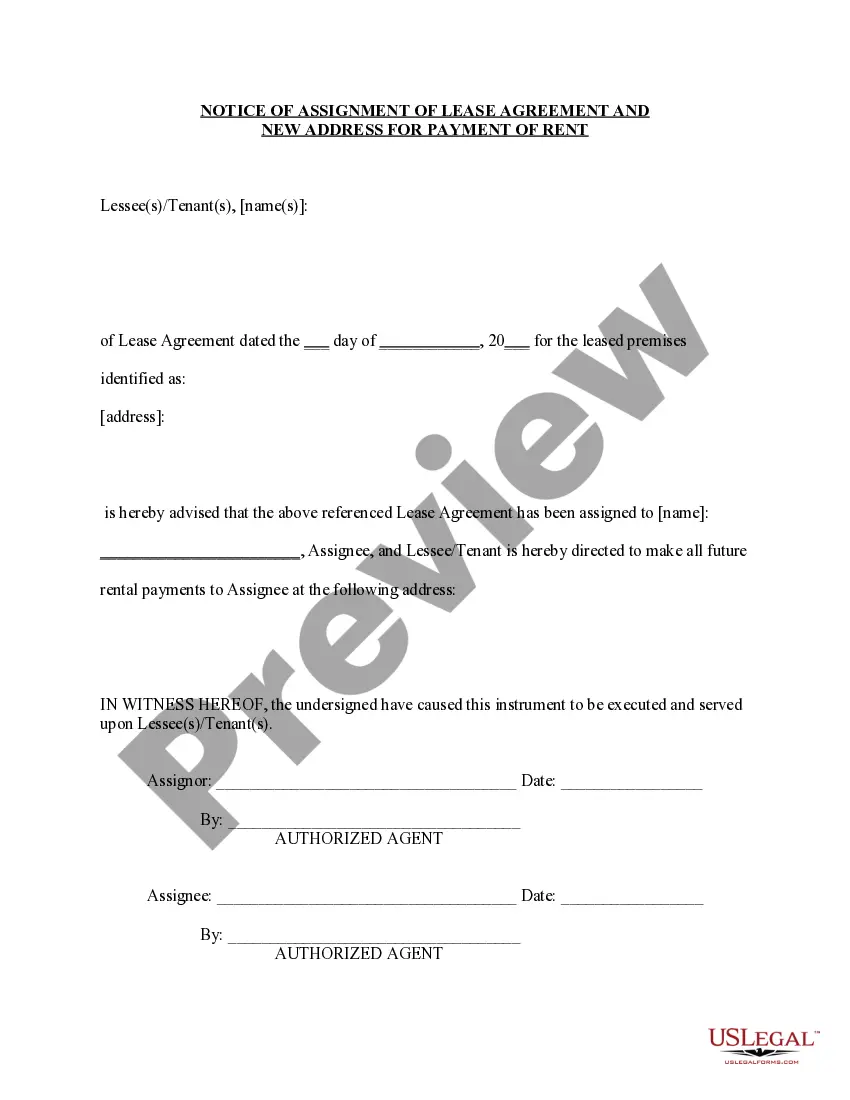
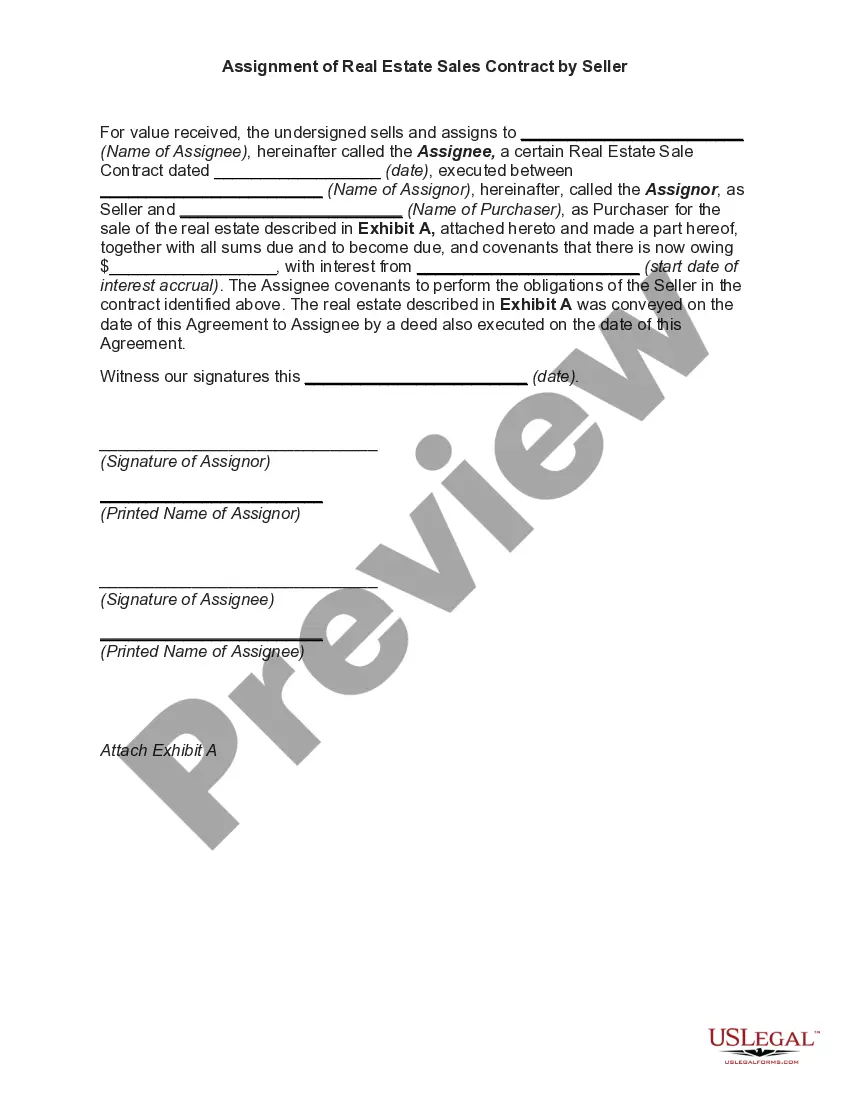
The Assignment of Lease from Lessor with Notice of Assignment is a legal document that facilitates the transfer of leasing rights from one lessor to another. This form is particularly designed to notify the tenant of the new lessor and any changes in the payment address for rent. It emphasizes that the assignee only acquires the right to receive rental payments, while all ownership rights remain with the original lessor (assignor). This is distinct from the outright transfer of property ownership and serves specific legal purposes in lease agreements.
Key components of this form
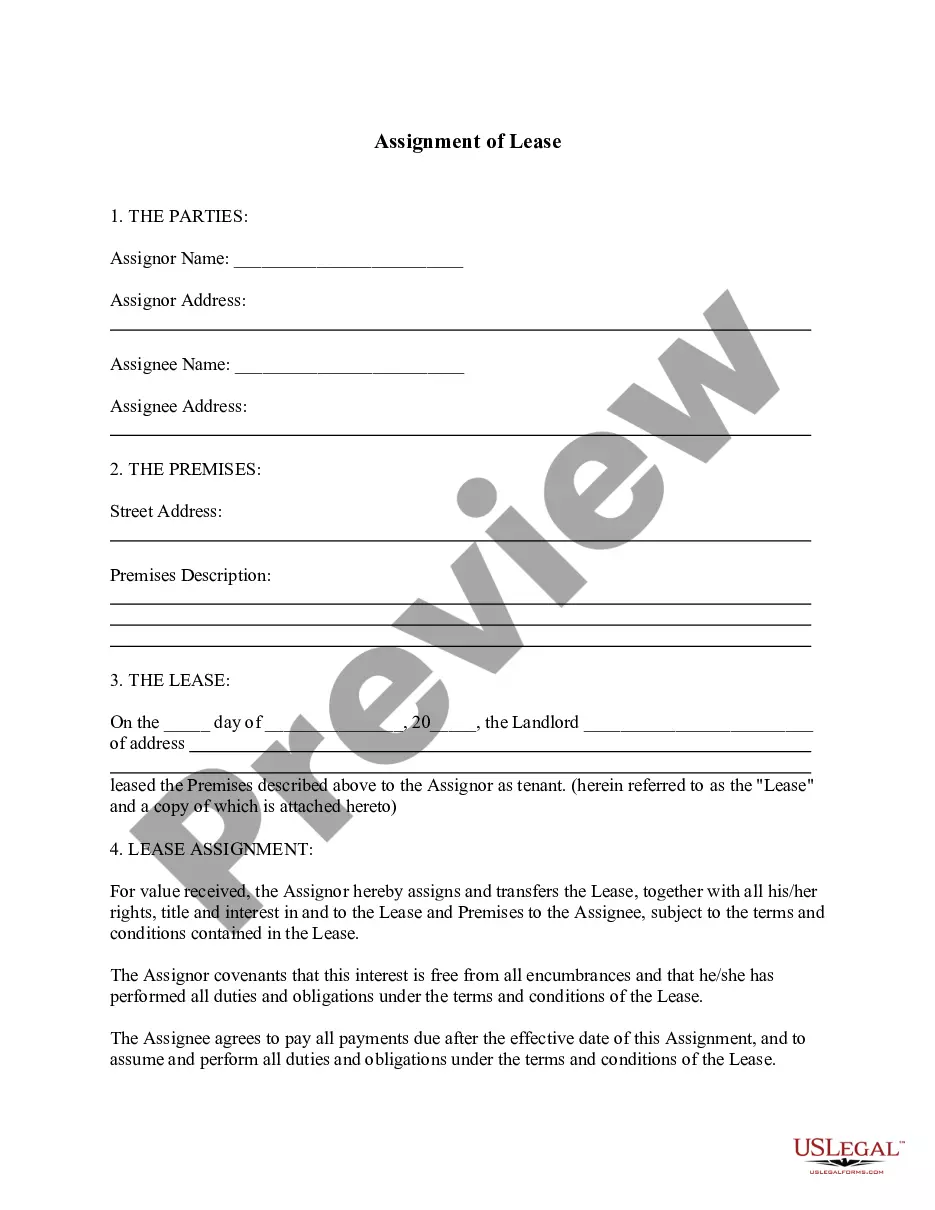
- Identification of the Assignor and Assignee, including their legal names.
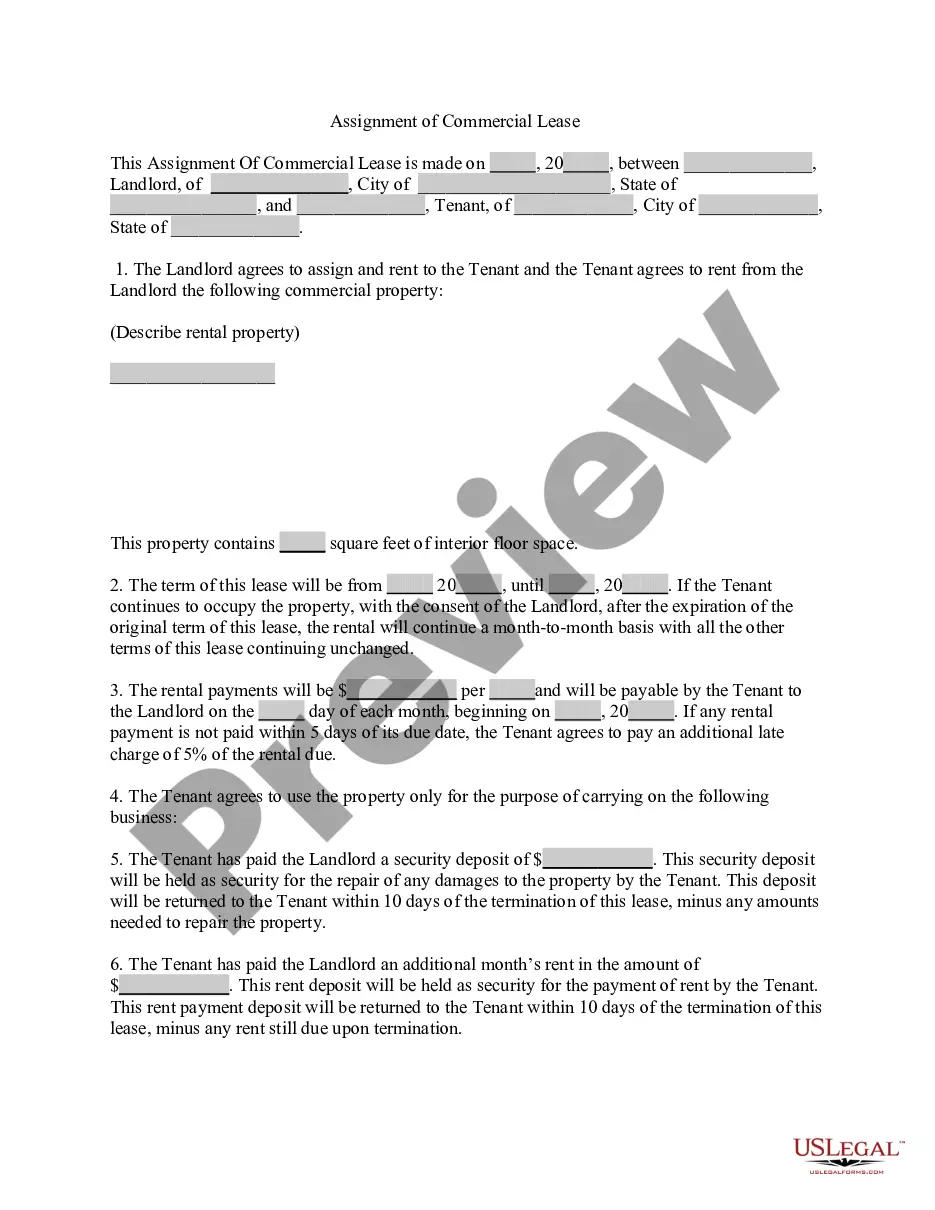
- Details of the original lease agreement, including location and terms of payment.
- Notice to the tenant regarding the change of payment address.
- Confirmation that the assignment does not transfer ownership of the property.
- Signatures of the Assignor and Assignee, along with dates.
Common use cases
This form should be used when a lessor (the original landlord) wants to assign their lease rights to another lessor. This situation can arise when the original lessor is unable to continue managing the lease due to financial reasons, relocation, or any other circumstance that necessitates transferring their rights and obligations under the lease agreement. It is essential in maintaining clear communication with the tenant regarding where to send rent payments after the assignment.
Who can use this document
- Original lessors who intend to transfer their lease rights.
- New lessors who are assuming responsibility for the lease.
- Tenants who need to be informed of changes in the lease management.
Steps to complete this form
- Identify the parties involved by entering the full names of the Assignor and Assignee.
- Specify the original lease agreement details, including monthly payment amounts and due dates.
- Clearly state the property location associated with the lease.
- Document the commencement date for rent payments and the termination date of the lease.
- Gather signatures from both the Assignor and Assignee, along with the date of signing.
Notarization requirements for this form
This form does not typically require notarization unless specified by local law. It's recommended to consult applicable state regulations to determine if notarization is necessary for enforcement.
Get your form ready online
Our built-in tools help you complete, sign, share, and store your documents in one place.
Make edits, fill in missing information, and update formatting in US Legal Forms—just like you would in MS Word.
Download a copy, print it, send it by email, or mail it via USPS—whatever works best for your next step.
Sign and collect signatures with our SignNow integration. Send to multiple recipients, set reminders, and more. Go Premium to unlock E-Sign.
If this form requires notarization, complete it online through a secure video call—no need to meet a notary in person or wait for an appointment.
We protect your documents and personal data by following strict security and privacy standards.

Make edits, fill in missing information, and update formatting in US Legal Forms—just like you would in MS Word.

Download a copy, print it, send it by email, or mail it via USPS—whatever works best for your next step.

Sign and collect signatures with our SignNow integration. Send to multiple recipients, set reminders, and more. Go Premium to unlock E-Sign.

If this form requires notarization, complete it online through a secure video call—no need to meet a notary in person or wait for an appointment.

We protect your documents and personal data by following strict security and privacy standards.
Mistakes to watch out for
- Failing to notify the tenant properly, which could lead to confusion about where to send rent payments.
- Not including all necessary details of the original lease, such as the exact property location.
- Neglecting to obtain signatures from both parties, rendering the document unenforceable.
- Using outdated versions of the form that do not comply with current laws or practices.
Advantages of online completion
- Convenient access to the form that can be downloaded instantly.
- Editability allows for easy customization to fit specific lease agreements.
- Reliability ensured by templates drafted by licensed attorneys.
Legal use & context
- This assignment of lease form legally transfers rights without affecting property ownership.
- Proper completion and distribution of this form protect all parties involved in the lease agreement.
- It's essential for maintaining contractual obligations while changing the lessor.
Main things to remember
- The Assignment of Lease from Lessor with Notice of Assignment facilitates the transfer of lease rights.
- Tenants must be notified of any assignment and changes in payment details.
- All parties should understand their rights and obligations as per the assigned lease.
Looking for another form?


Form popularity
FAQ
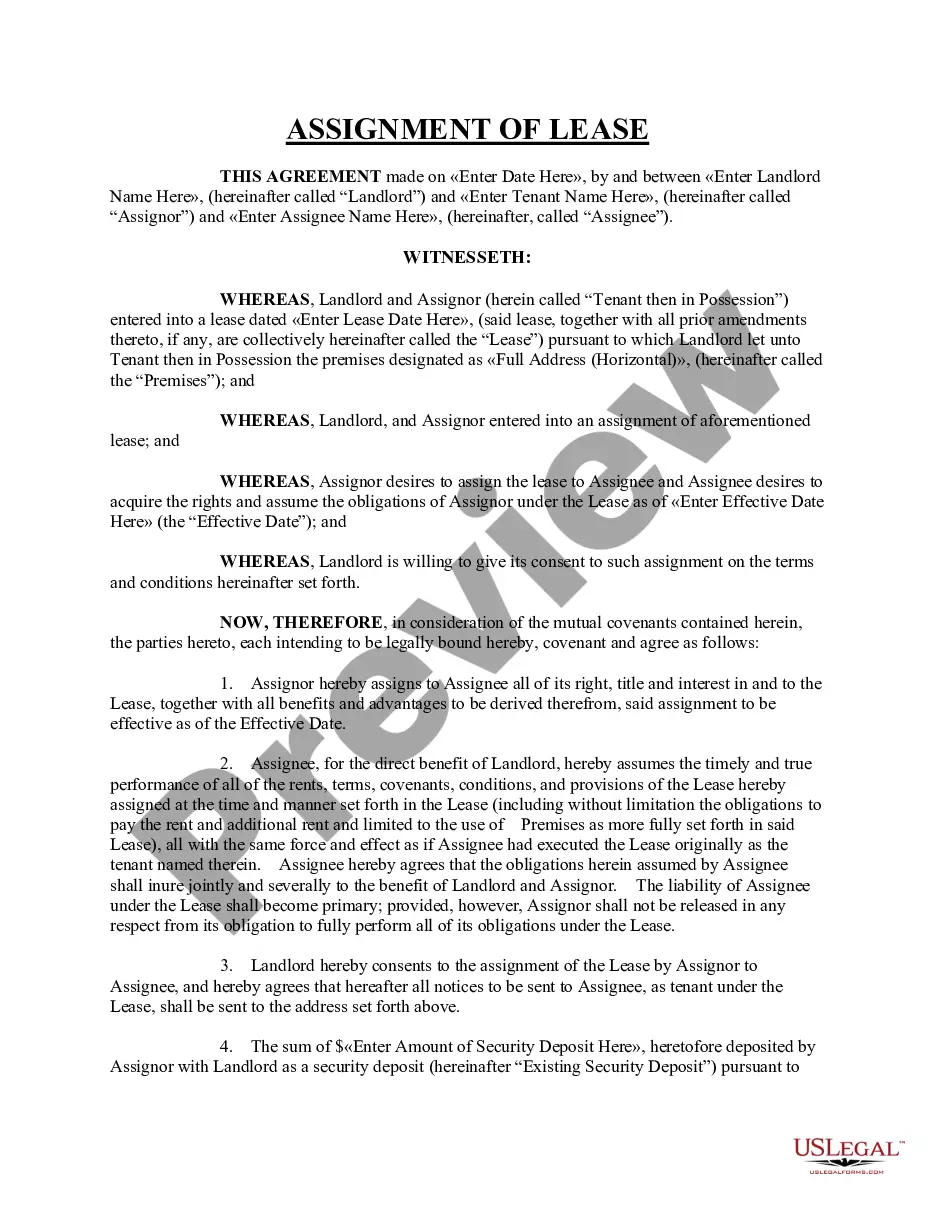
An assignment of a lease is a complete transfer of the right to be the tenant under the lease. The third-party assignee becomes the "tenant" under the lease, taking over all of the leased premises, substituting for the old tenant.
A lease is a contract between a lessor, who own a property, and a lessee, who is paying to temporarily occupy or use that property. This contract creates an agreement that both parties must abide by. Learn how leases work and why you need one.
Most often, the lease won't permit assignment without the landlord's approval, but leases often state that the landlord cannot unreasonably withhold consent. As long as you produce a tenant who's shown a history of payment under prior leases and has been a model tenant, a landlord should consent to assignment.
Can the landlord refuse consent to an Assignment? Most leases will say that the Landlord cannot unreasonably withhold consent. According to section 19 (1A) of the Landlord and Tenant Act 1927 the landlord can insert conditions in the lease, which need to be met in the case of an assignment.
The landlord's lawyer usually prepares the agreement. However, the outgoing tenant or the incoming tenant pays these costs, not the landlord.
This might include financial statements, business history and professional references; and. there is an agreement about who is liable for the costs of the deed of assignment. The landlord's lawyer usually prepares the agreement. However, the outgoing tenant or the incoming tenant pays these costs, not the landlord.
An assignment is when the tenant transfers their lease interest to a new tenant using a Lease Assignment. The assignee takes the assignor's place in the landlord-tenant relationship, although the assignor may remain liable for damages, missed rent payments, and other lease violations.
Under a typical lease assignment, you transfer all of your space to someone else for the entire remaining term of the lease, and the new tenant pays rent directly to the landlord.Once your landlord has agreed to allow a full assignment, you'll need to secure what the law so often requires: a piece of paper.
An assignment of a lease is a complete transfer of the right to be the tenant under the lease. The third-party assignee becomes the "tenant" under the lease, taking over all of the leased premises, substituting for the old tenant.