Louisiana Letter from Tenant to Landlord about Sexual Harassment
About this form
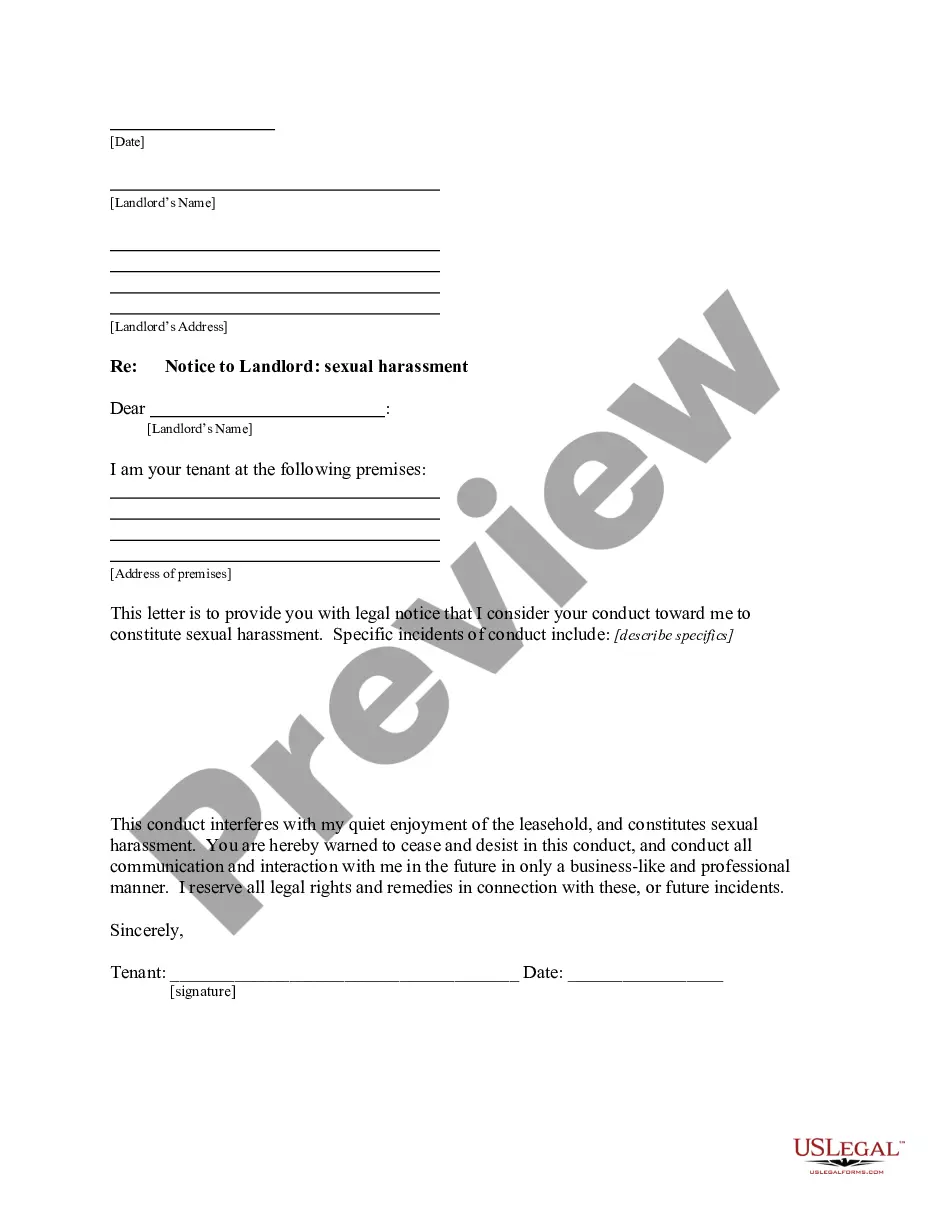
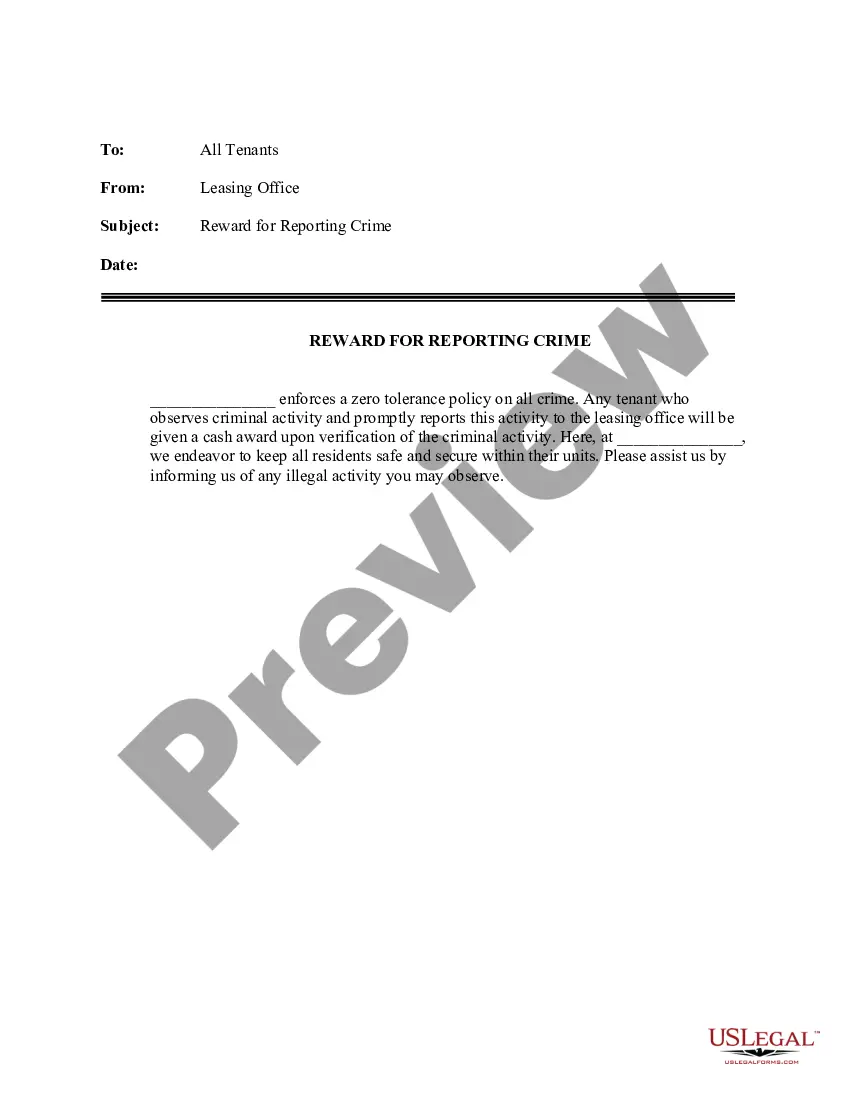
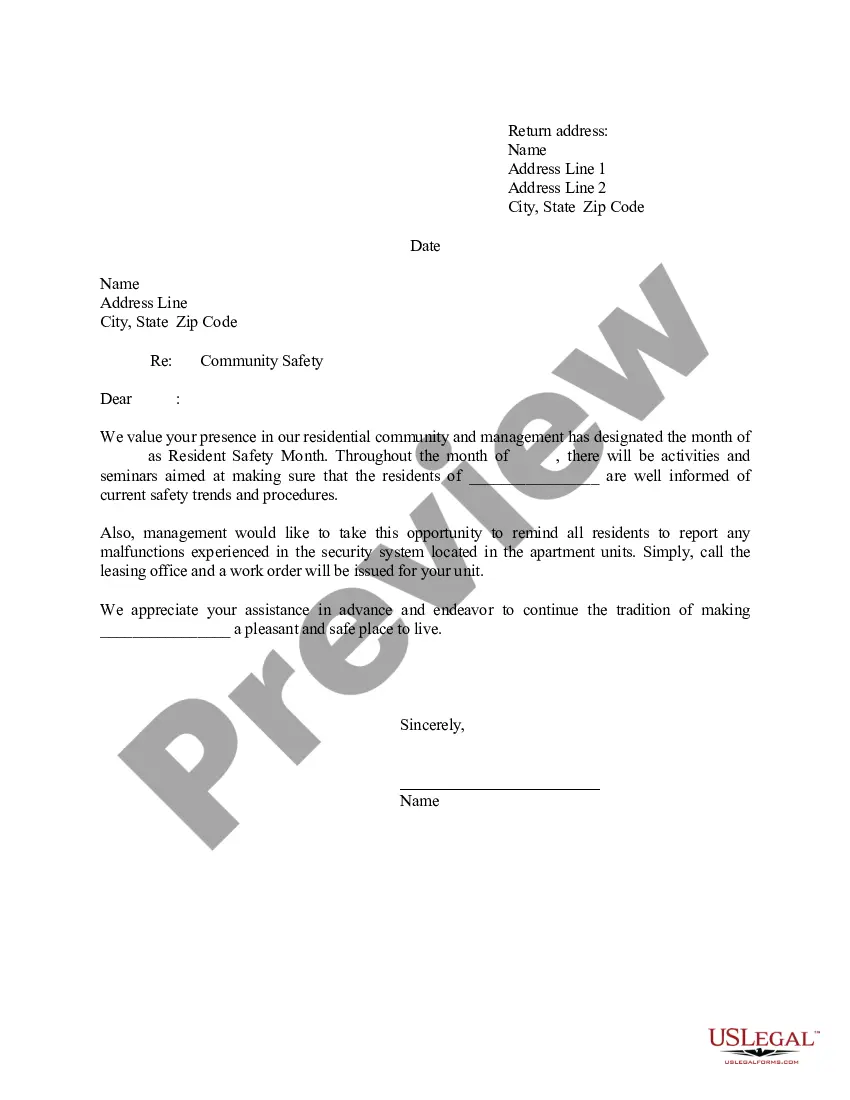
The Letter from Tenant to Landlord about Sexual Harassment is a formal document that notifies a landlord of inappropriate, sexually harassing behavior. This letter is crucial for tenants who wish to assert their rights and demand that the landlord stop any unlawful conduct. Unlike other general complaint letters, this specific form addresses serious allegations and establishes a clear record of the tenant's grievances while emphasizing professionalism and the need for respectful communication.
Key parts of this document
- Tenant's name and signature: Identifying the sender of the letter.
- Date: Indicating when the letter is issued.
- Statement of conduct: Detailed description of the landlord's behavior deemed as sexual harassment.
- Demand for cessation: A formal request for the landlord to stop the harassing conduct.
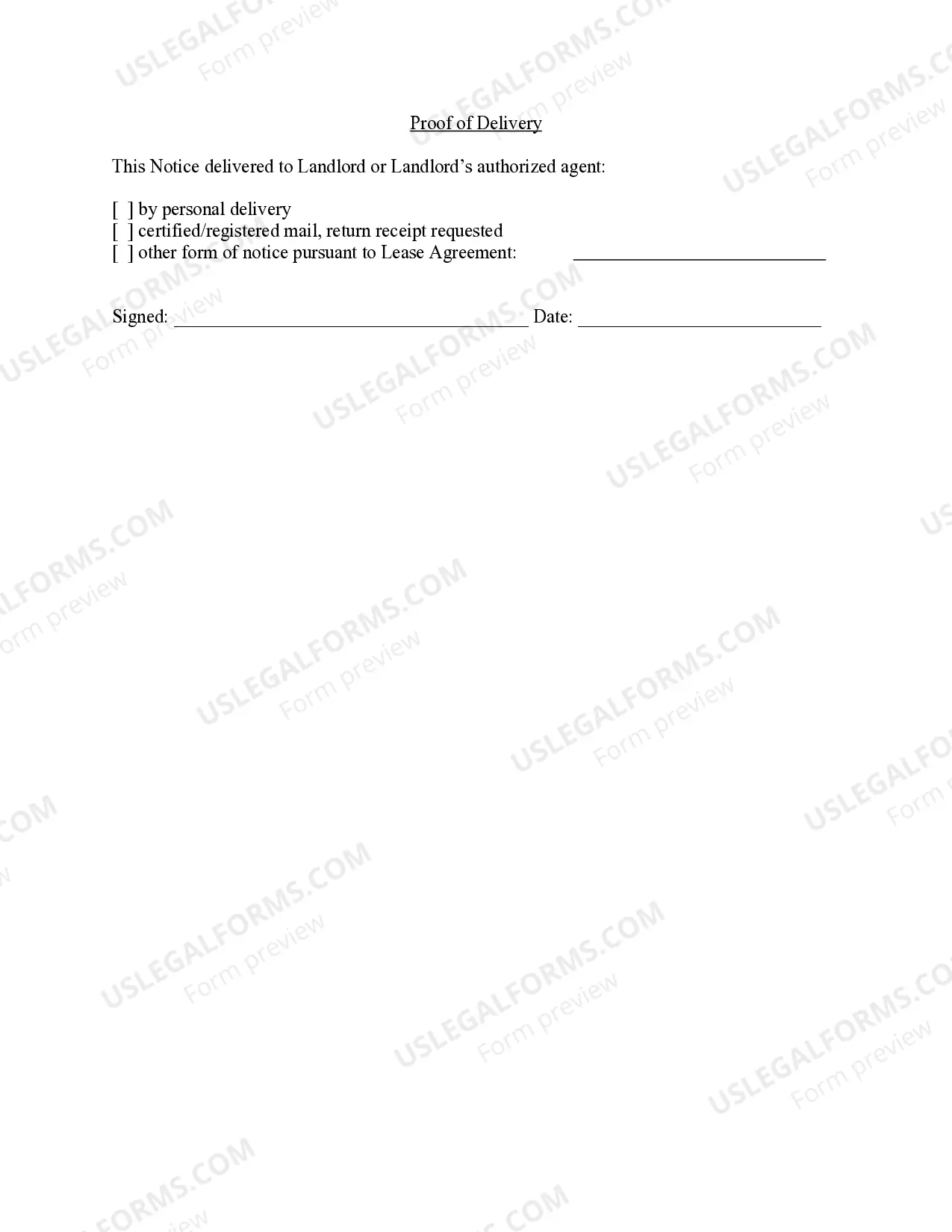
- Proof of delivery options: Instructions for how to deliver the notice to the landlord.

Situations where this form applies
This letter should be used when a tenant experiences sexual harassment from a landlord. It is suitable for situations where the landlord's behavior directly interferes with the tenant's enjoyment of their home. Use this form to formally document the grievance and request that the landlord communicate in a professional manner only, helping to establish a written record in case of future legal actions.
Intended users of this form
- Tenants who are experiencing sexual harassment from their landlord.
- Individuals who wish to formally document ongoing harassment or inappropriate conduct.
- People seeking to communicate their concerns professionally while protecting their legal rights.
How to prepare this document
- Identify the parties: Fill in your name as the tenant clearly at the top of the letter.
- Specify the issues: Clearly state the behaviors that constitute sexual harassment.
- Enter the date: Write the date when you are delivering the letter.
- Sign the letter: Add your signature to formally validate your claims.
- Choose the delivery method: Indicate how you plan to deliver the letter, ensuring proof of delivery.
Does this document require notarization?
This form does not typically require notarization unless specified by local law. Ensure you check your jurisdiction's requirements for any additional formalities.
Get your form ready online
Our built-in tools help you complete, sign, share, and store your documents in one place.
Make edits, fill in missing information, and update formatting in US Legal Forms—just like you would in MS Word.
Download a copy, print it, send it by email, or mail it via USPS—whatever works best for your next step.
Sign and collect signatures with our SignNow integration. Send to multiple recipients, set reminders, and more. Go Premium to unlock E-Sign.
If this form requires notarization, complete it online through a secure video call—no need to meet a notary in person or wait for an appointment.
We protect your documents and personal data by following strict security and privacy standards.

Make edits, fill in missing information, and update formatting in US Legal Forms—just like you would in MS Word.

Download a copy, print it, send it by email, or mail it via USPS—whatever works best for your next step.

Sign and collect signatures with our SignNow integration. Send to multiple recipients, set reminders, and more. Go Premium to unlock E-Sign.

If this form requires notarization, complete it online through a secure video call—no need to meet a notary in person or wait for an appointment.

We protect your documents and personal data by following strict security and privacy standards.
Common mistakes
- Failing to provide specific examples of harassment, which can weaken the letterâs impact.
- Not signing the letter, which can render it less formal or effective.
- Delivering the letter without proof of delivery, which can complicate future legal recourse.
Why complete this form online
- Convenience: Easily download and customize the form from the comfort of your home.
- Editability: Quickly make necessary adjustments to suit your specific situation.
- Reliability: Access professionally drafted templates that comply with relevant laws.
Quick recap
- This form is essential for tenants addressing sexual harassment by landlords.
- It allows for formal communication regarding unacceptable behavior.
- Completion of the form can protect a tenant's rights and establish an official record.
- Delivery proof is important to confirm that the landlord received the notice.
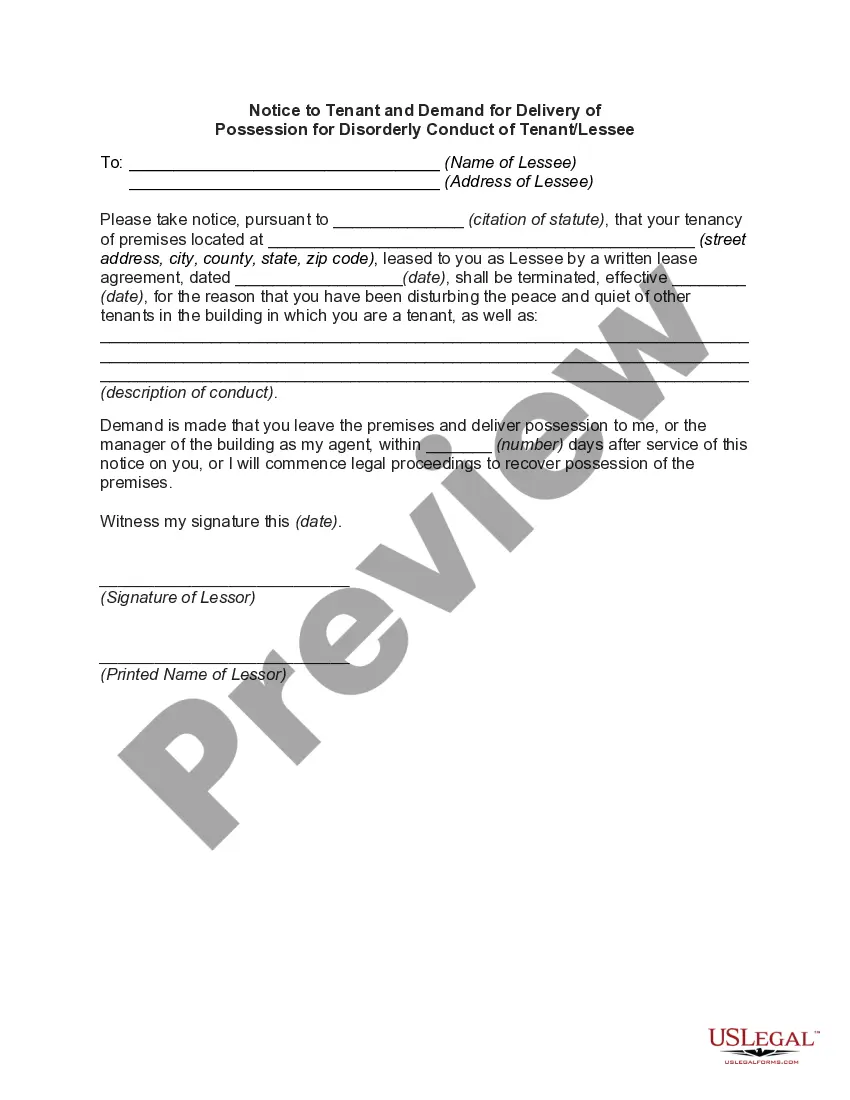
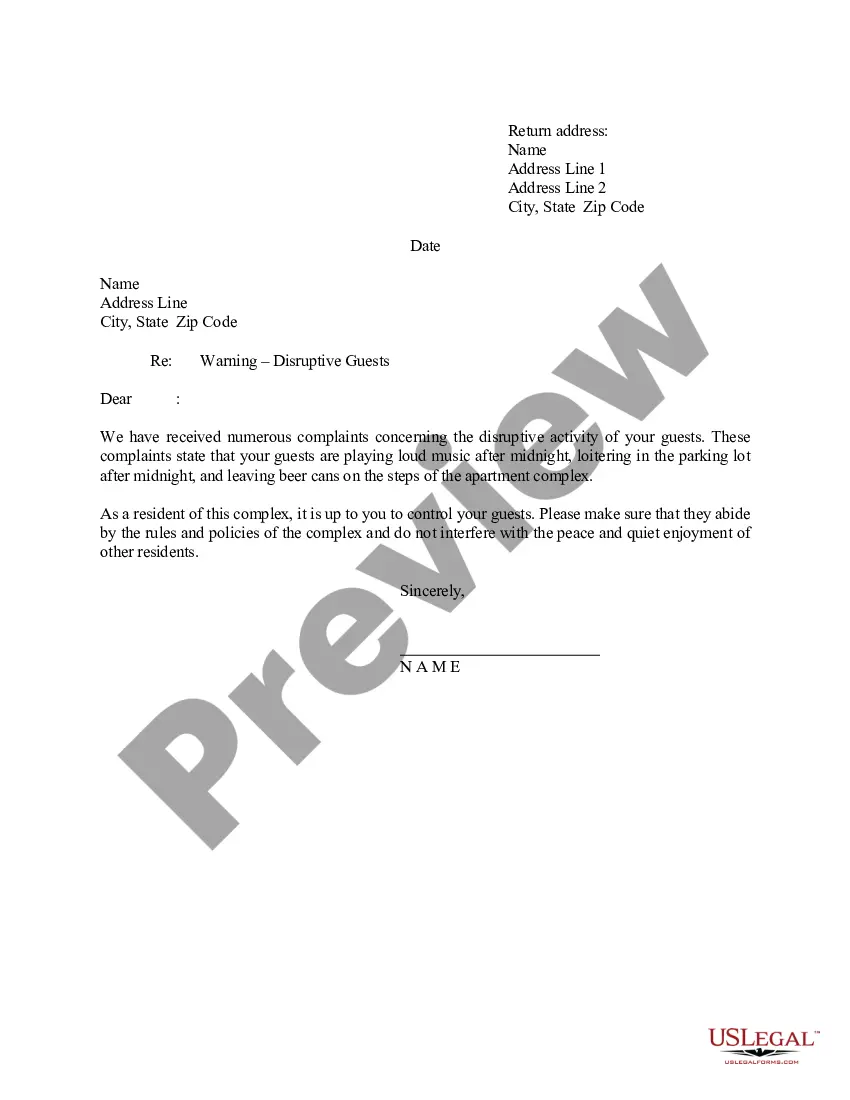
Looking for another form?









Form popularity
FAQ
Write a letter to your landlord asking for the harassment to stop. Send the letter with proof of mailing and keep a copy of the letter. Ask a witness to be there for landlord interactions. Witness accounts and video recordings of your interactions can be used in court as long as they were done legally.
Your landlord discriminates against you. Your landlord takes your security deposit illegally. Your rental unit is inhabitable. The property owner interferes with your right to quiet enjoyment. Your landlord fails to make the necessary repairs.
Uninhabitable conditions can include dangerous ones, such as holes in the floor, unsafe or exposed wiring, or non-working air conditioning in dangerously hot summer months. Gross infestations of roaches, fleas or other pests are also uninhabitable conditions.
Respectfully state that you are making a complaint. Explain the reason behind you making the complaint, making sure to put in the various reasons why you are making the complaint. Relate to the reader what you wish to be done about your complaint. End on a positive tone.
You can recover up to $250,000 in pain and suffering, or any non-economic damages.
Harassment is unwelcome conduct that is based on race, color, religion, sex (including pregnancy), national origin, age (40 or older), disability or genetic information.The victim does not have to be the person harassed, but can be anyone affected by the offensive conduct.
Know your state's landlord/tenant laws. Read and respond to the court summons. Try to work out a settlement. Consider legal counsel. Show up for court. Look sharp and provide evidence.
If you're seeking damages for emotional distress caused by a landlord's discrimination, or punitive damages for especially blatant and intentional discrimination, a lawsuit may well be your best bet. Understand what's involved in suing your landlord. You may file a lawsuit in either federal or state court.
Get an Injunctive Order from the Court to Stop the Behavior: A tenant can go to court to get a legal order from the court for the landlord to stop the harassing behavior. 12feff Sue the Landlord: A tenant could also sue the landlord for damages due to the harassment.