Kentucky Residential or Rental Lease Extension Agreement
Understanding this form
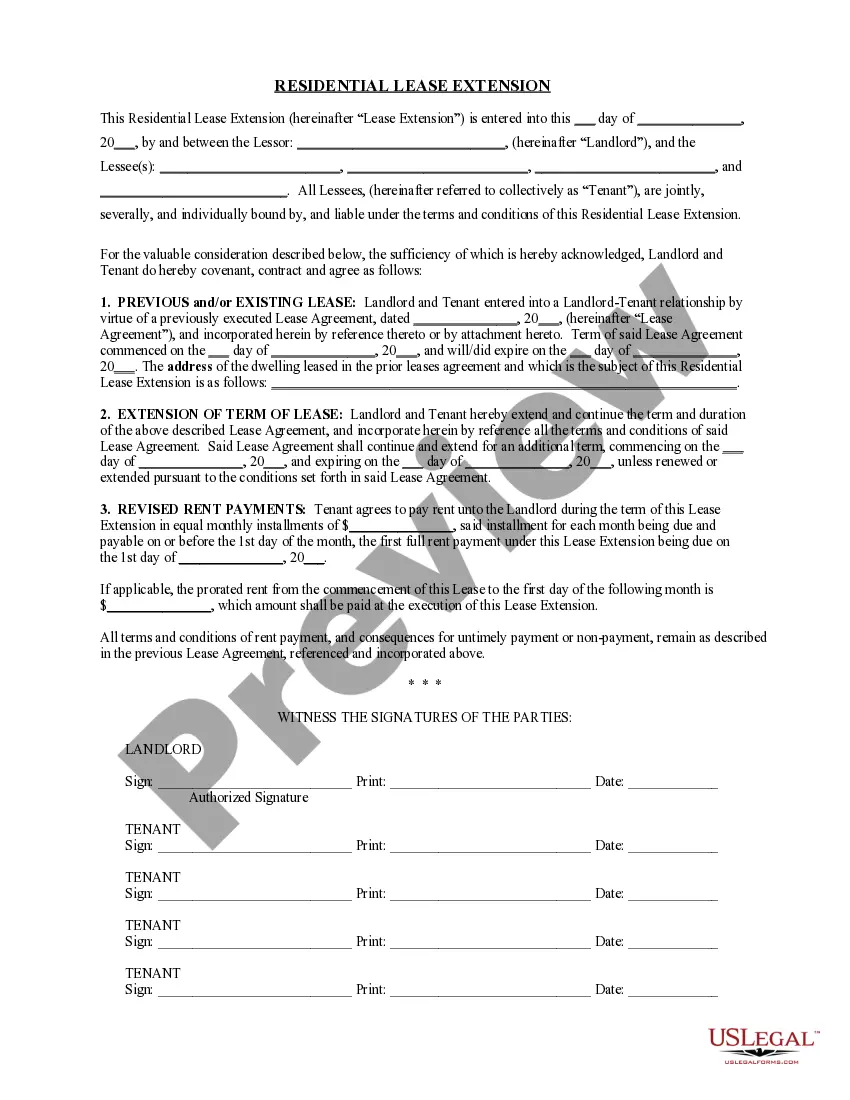
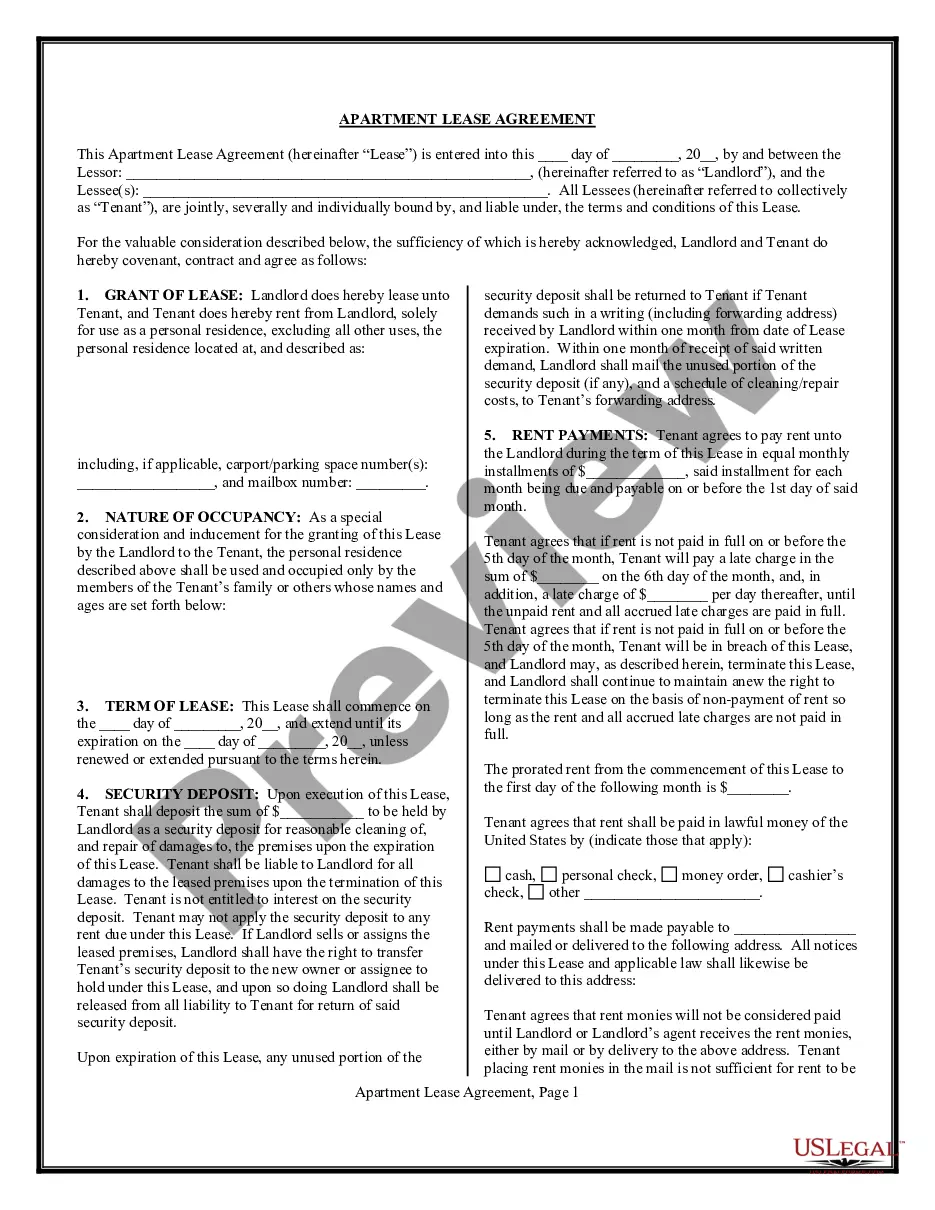
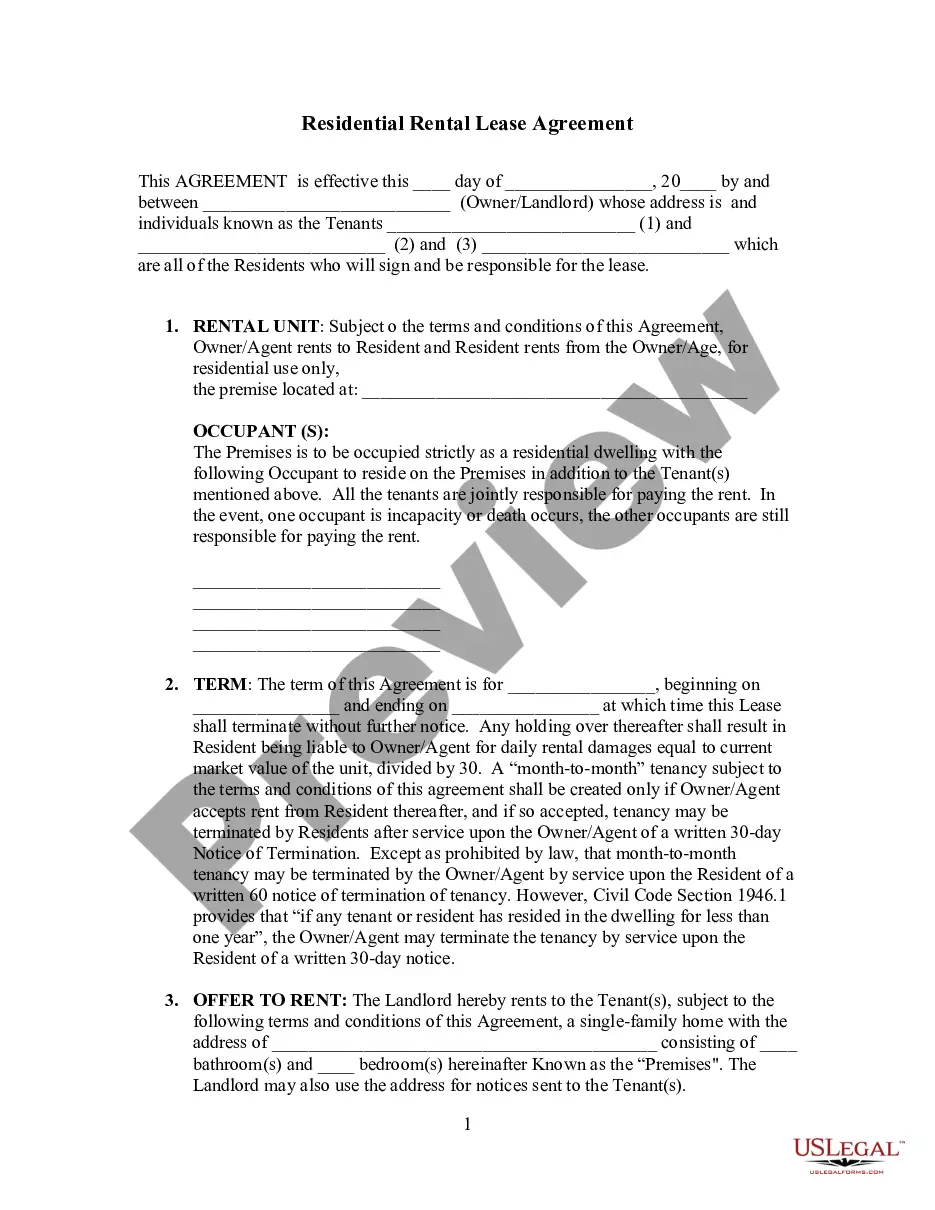
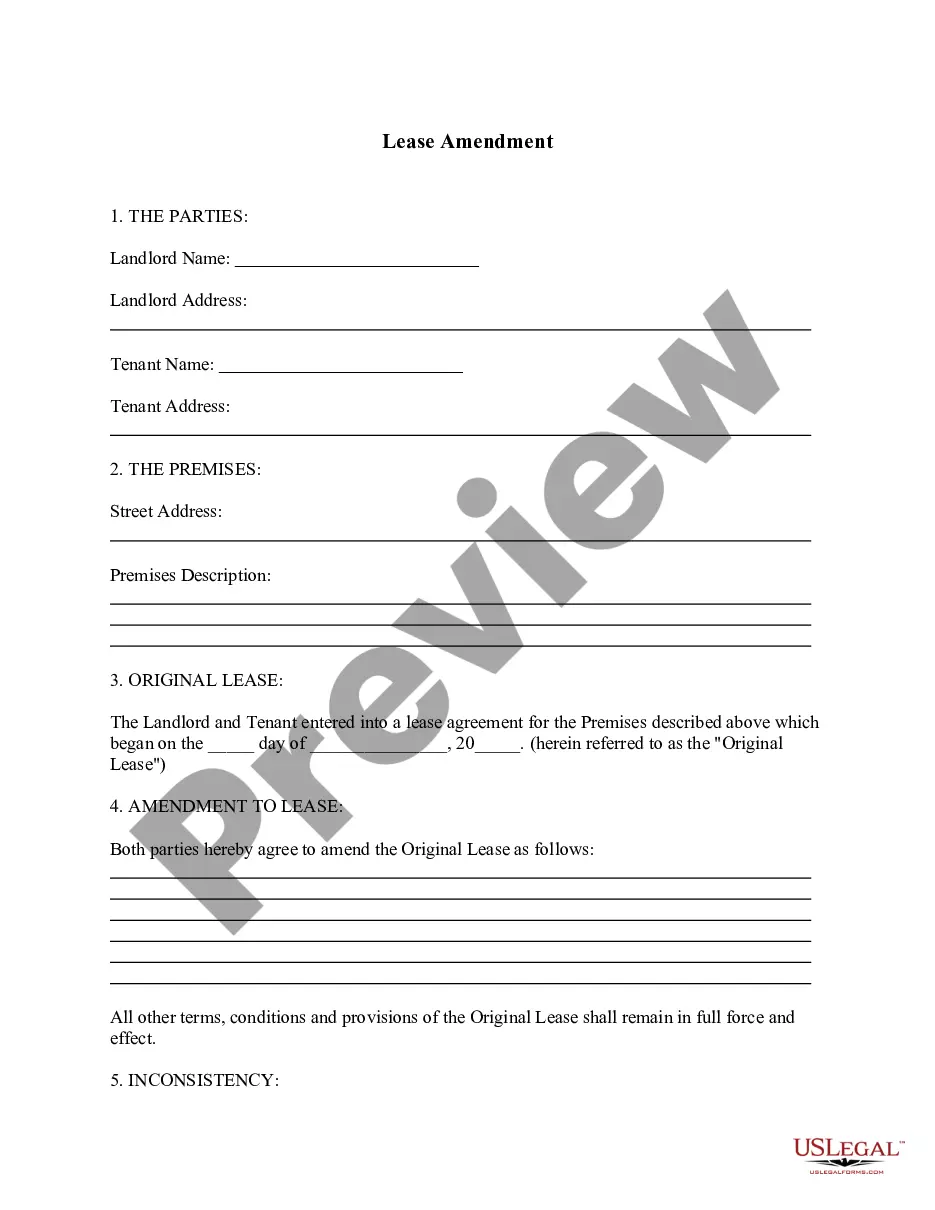
The Residential or Rental Lease Extension Agreement is a legal document used to extend the duration of an existing residential lease between a landlord and tenant. This form serves to continue the terms of the previous lease without the need to draft a new one. It typically incorporates all terms from the original lease and may include updated rent payments or modifications as agreed by both parties.
What’s included in this form
- Parties involved: Identifies the landlord and tenants bound by the agreement.
- Previous lease information: References the prior lease agreement's start and end dates.
- Extension term: Specifies the new duration of the lease extension.
- Revised rent payments: Details the payment amount, scheduling, and any prorated amounts due at signing.
- Signatures: Includes spaces for all parties to sign, indicating their agreement to the terms.
When this form is needed
This form is useful when a landlord and tenant wish to extend the lease agreement beyond its original expiration date. Common scenarios include situations where the tenant wishes to continue residing in the rental property while the landlord agrees to the extension, potentially under renegotiated terms such as rent or lease conditions.
Who needs this form
This form is intended for:
- Landlords looking to formally extend a residential lease agreement with their tenants.
- Tenants who want to remain in their rented property beyond the initial lease term.
- Both parties who may need to make adjustments to the current lease terms, such as rent amount or payment schedule.
How to prepare this document
- Identify the parties: Enter the names of the landlord and all tenants involved.
- Specify key dates: Fill in the start and expiration dates of both the original lease and the new extension.
- Detail the property: Provide the address of the rental property that is subject to the lease extension.
- Set rent details: State the new rent amount, payment schedule, and any prorated amounts due at the signing.
- Obtain signatures: Ensure all parties sign and date the document to validate the agreement.
Is notarization required?
This form usually doesn’t need to be notarized. However, local laws or specific transactions may require it. Our online notarization service, powered by Notarize, lets you complete it remotely through a secure video session, available 24/7.
Get your form ready online
Our built-in tools help you complete, sign, share, and store your documents in one place.
Make edits, fill in missing information, and update formatting in US Legal Forms—just like you would in MS Word.
Download a copy, print it, send it by email, or mail it via USPS—whatever works best for your next step.
Sign and collect signatures with our SignNow integration. Send to multiple recipients, set reminders, and more. Go Premium to unlock E-Sign.
If this form requires notarization, complete it online through a secure video call—no need to meet a notary in person or wait for an appointment.
We protect your documents and personal data by following strict security and privacy standards.

Make edits, fill in missing information, and update formatting in US Legal Forms—just like you would in MS Word.

Download a copy, print it, send it by email, or mail it via USPS—whatever works best for your next step.

Sign and collect signatures with our SignNow integration. Send to multiple recipients, set reminders, and more. Go Premium to unlock E-Sign.

If this form requires notarization, complete it online through a secure video call—no need to meet a notary in person or wait for an appointment.

We protect your documents and personal data by following strict security and privacy standards.
Typical mistakes to avoid
- Failing to include all tenant names, leading to potential disputes about responsibilities.
- Not accurately reflecting the lease start and end dates, causing confusion about the lease periods.
- Overlooking to update rent amounts or terms that were changed from the previous lease.
Advantages of online completion
- Convenience: Easily access and complete the form from anywhere at any time.
- Editability: Make necessary changes and adjustments without the hassle of starting from scratch.
- Reliability: Use templates drafted by licensed attorneys to ensure legal compliance.
Legal use & context
- This lease extension agreement is legally binding once signed by all parties.
- The continued terms from the previous lease remain enforceable unless modified in this extension.
- Failure to adhere to the revised terms may lead to legal consequences as stipulated in the agreement.
Quick recap
- The Residential or Rental Lease Extension Agreement allows landlords and tenants to extend rental terms efficiently.
- Ensure all parties are accurately identified and informed of the agreement's terms.
- Review and update any terms or conditions that differ from the previous lease.
Looking for another form?







Form popularity
FAQ
The Kentucky Residential or Rental Lease Extension Agreement is a form used to extend an existing residential lease. It preserves terms from the original lease and may add changes like updated rent or payment terms. It requires identifying the landlord and tenants, citing the prior lease dates, specifying the new extension term, outlining revised rent, and obtaining signatures.
Begin by identifying the parties, referencing the prior lease start and end dates, then specify the extension term and any revised rent payments. Include prorated amounts if applicable and provide space for all parties to sign. The form is designed to capture these elements to legally extend the lease.
A lease extension involves the parties agreeing to continue occupancy beyond the original end date, using the extension term, and outlining any changes to the lease terms, such as rent. The document typically revises the payment schedule and includes signatures from landlord and tenants to confirm agreement.
The form should include the parties, reference to the prior lease, the extension term, revised rent payments with schedule and any prorated amounts due at signing, and signatures of all parties. These elements ensure the extension is legally enforceable and clearly documents the updated terms for Kentucky rental property.
Yes. The form allows for revised rent payments aligned with the extension, including the amount, payment schedule, and any prorated amounts due at signing. Both landlord and tenant should agree to these changes, which are then documented within the lease extension agreement.
This form differs from a lease renewal by extending the current agreement and incorporating any updated terms while referencing the prior lease dates. A renewal generally starts a new term under possibly different terms rather than simply extending the existing lease, and may involve new start dates and conditions.