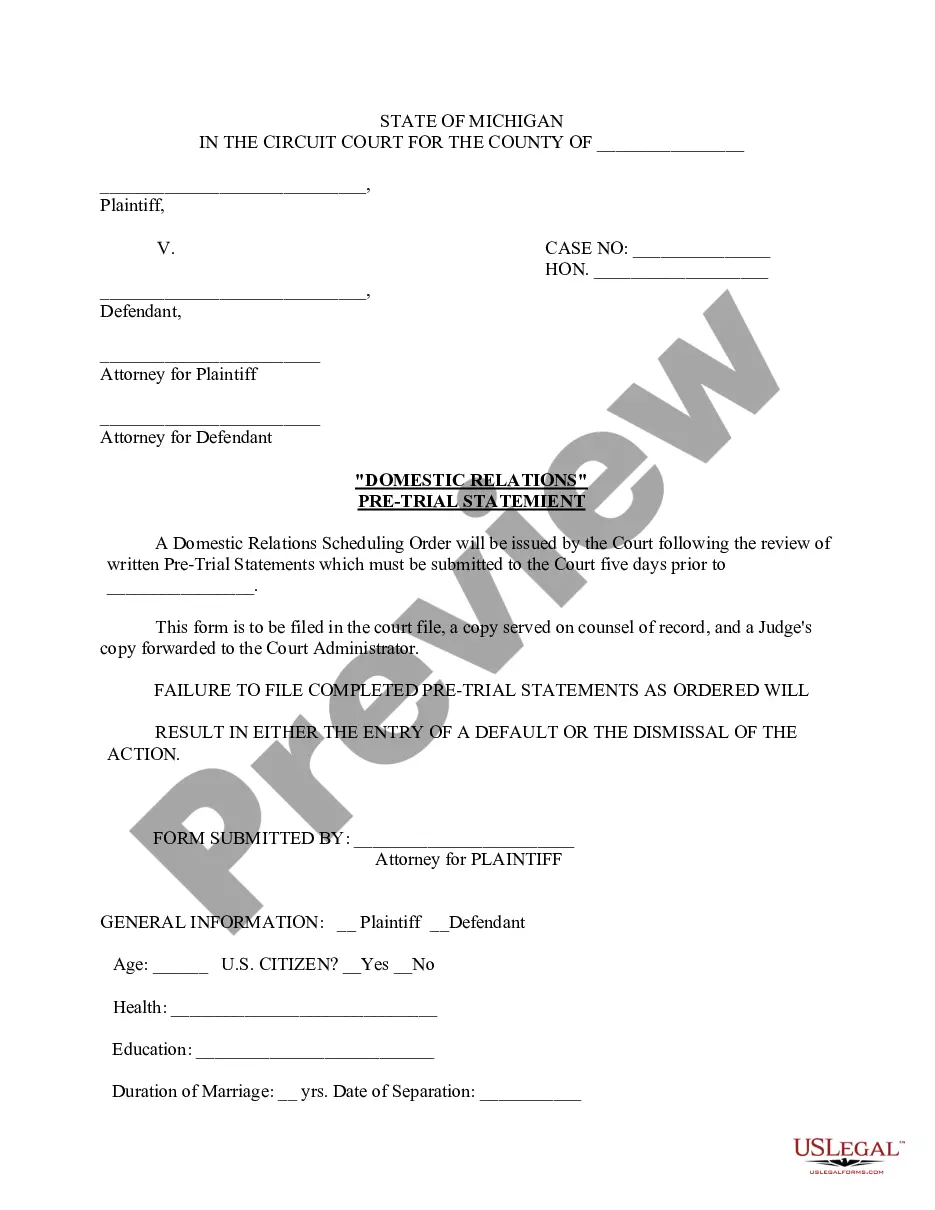
Kentucky Letter from Landlord to Tenant for Failure to keep premises as clean and safe as condition of premises permits - Remedy or lease terminates
Overview of this form
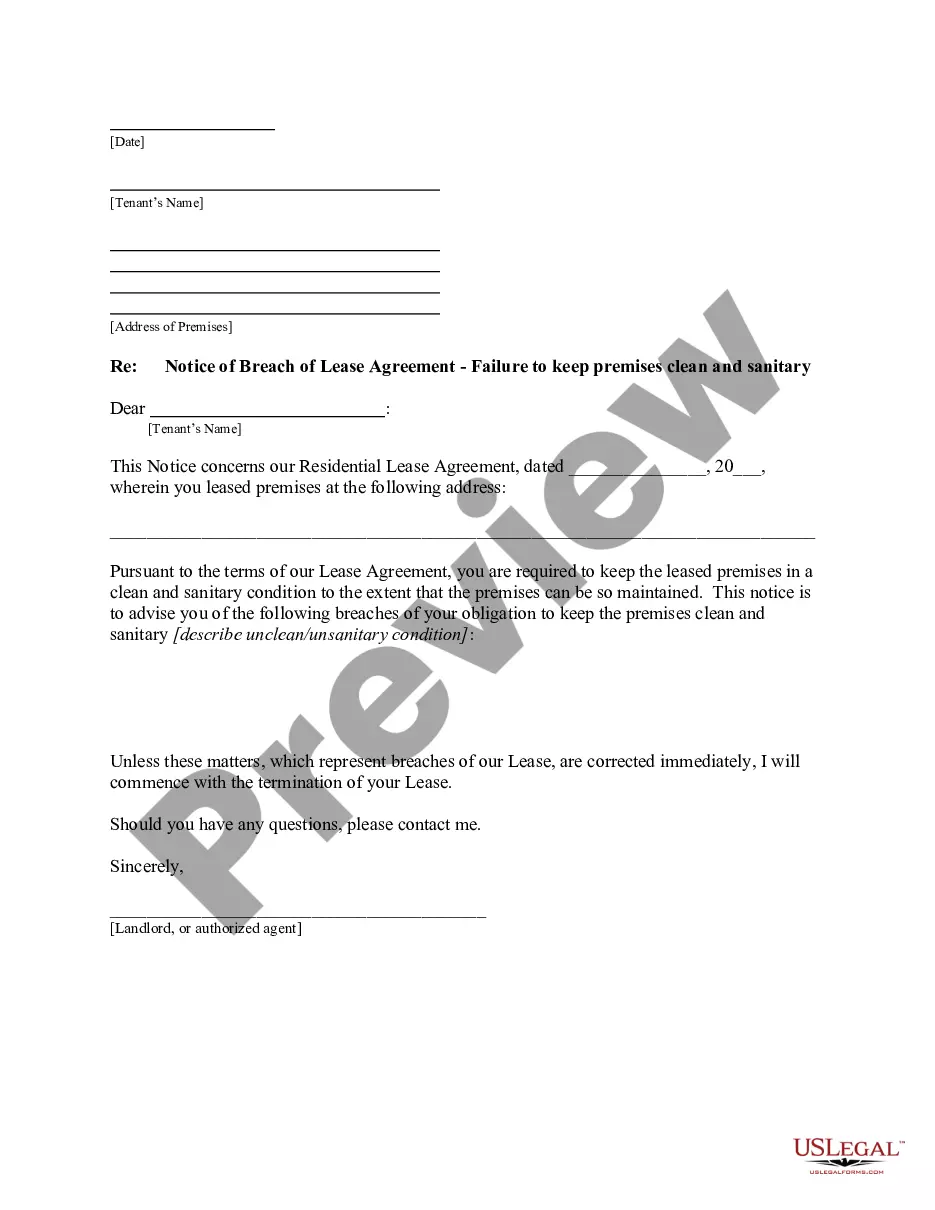
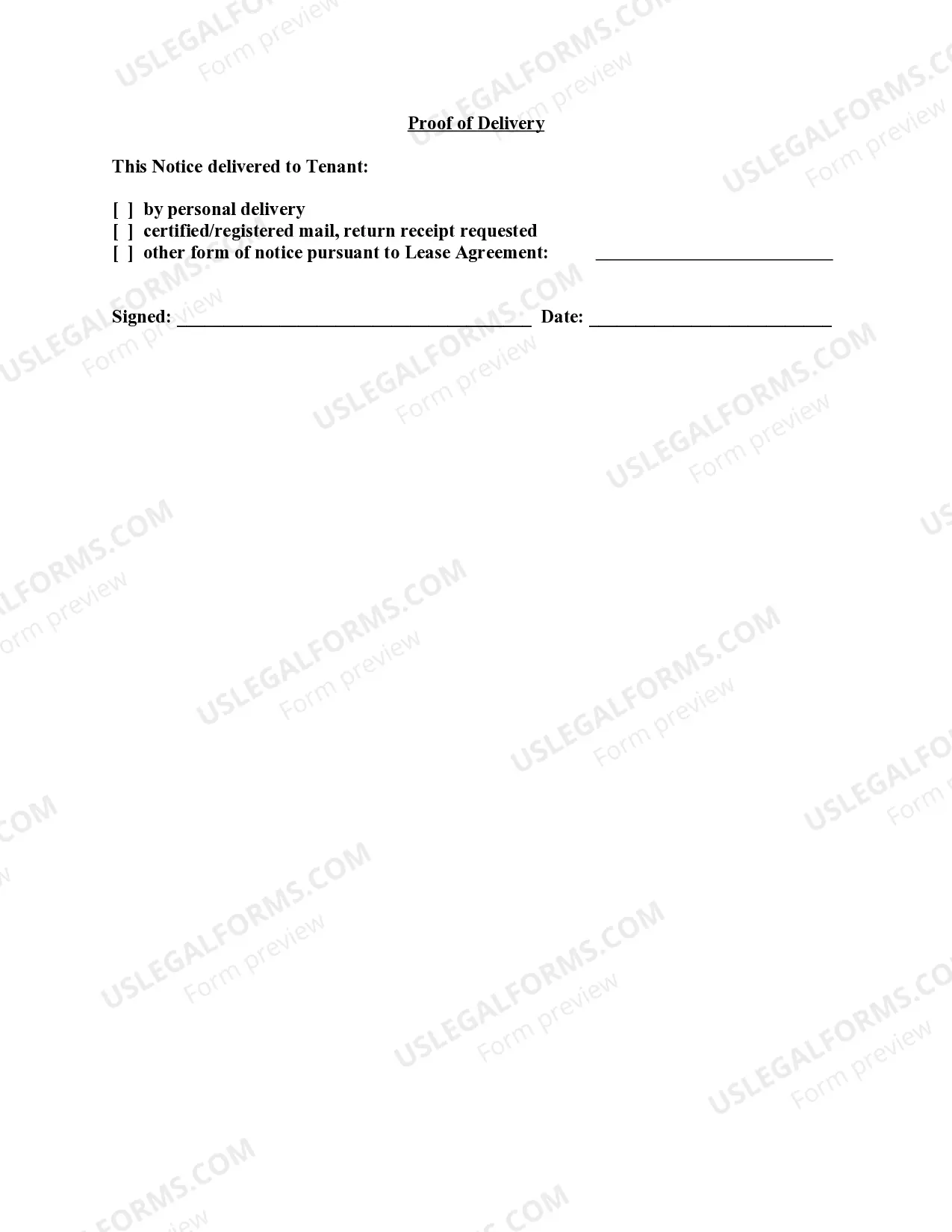
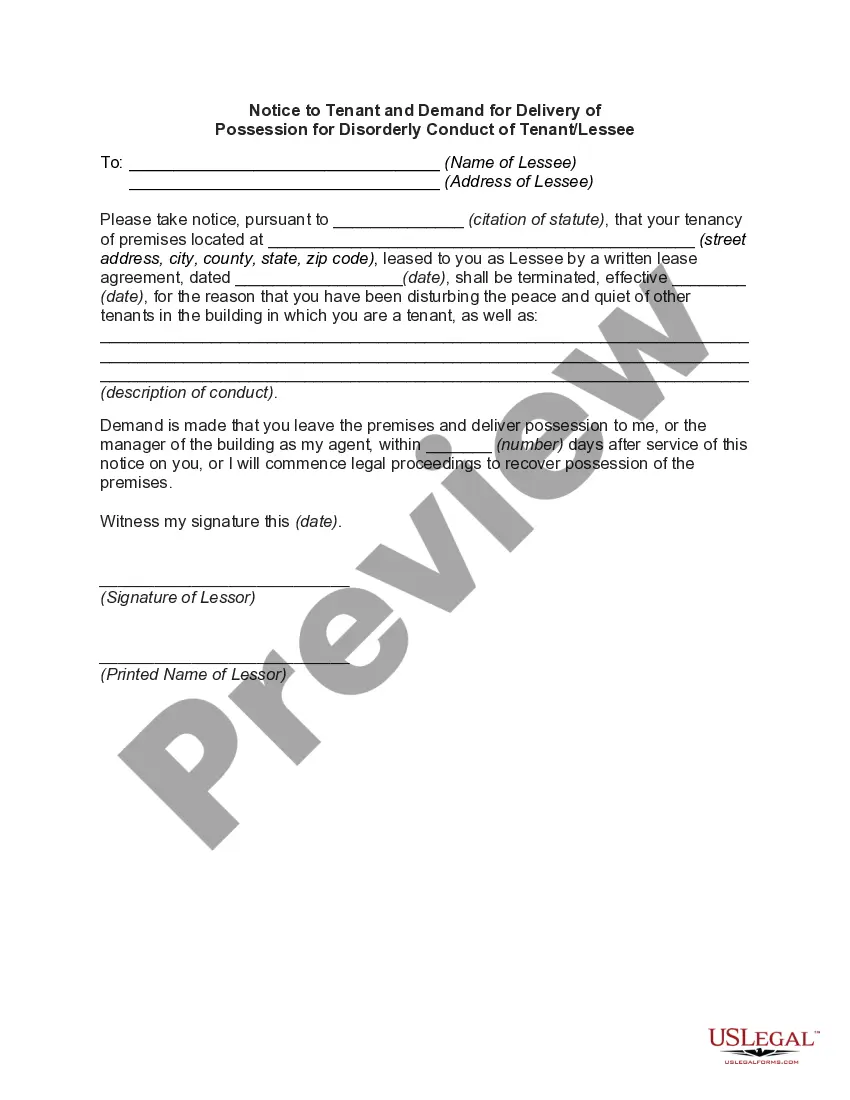
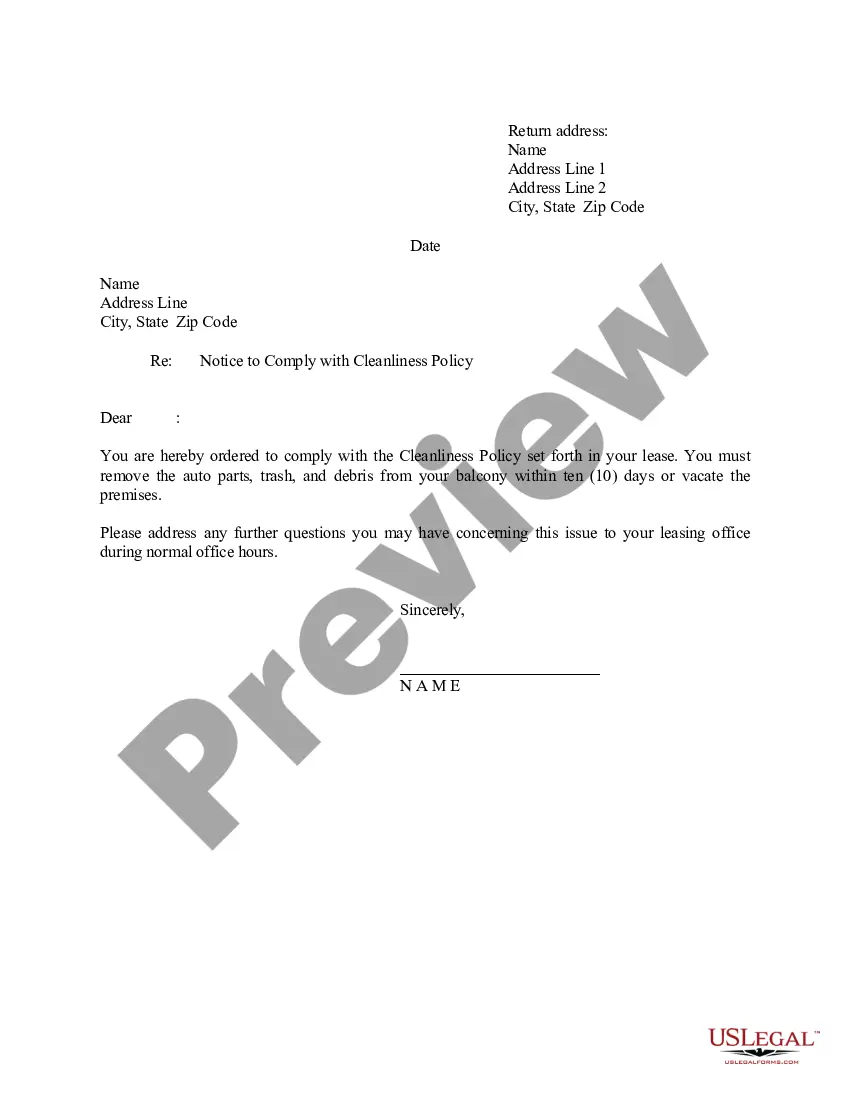
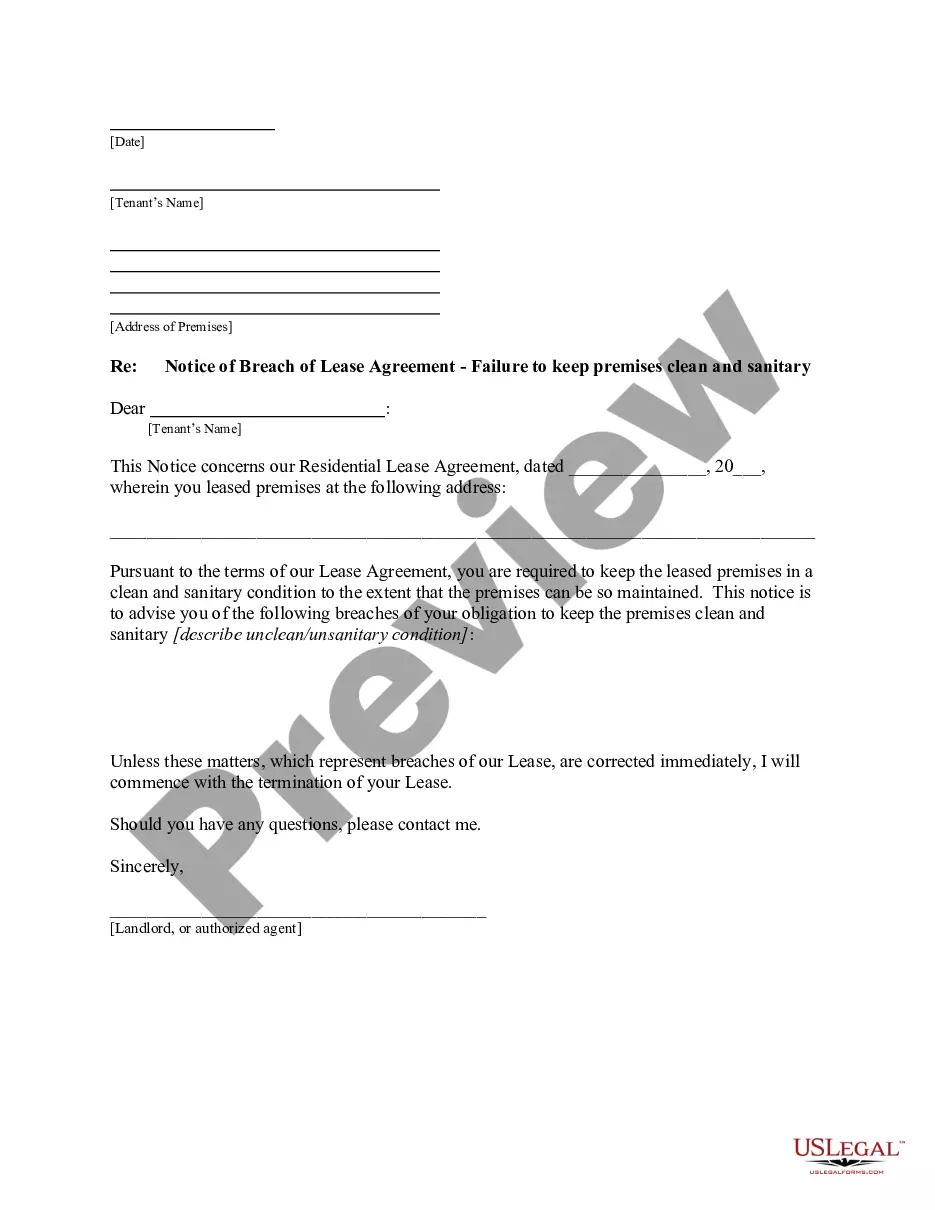
This form is a Letter from Landlord to Tenant addressing the failure to maintain the premises in a clean and safe condition, which is essential for every rental agreement. It formally notifies the tenant of specific breaches of their obligation to uphold cleanliness and sanitation, emphasizing the legal requirements outlined in the lease agreement. Unlike other notices, this document provides an opportunity for the tenant to remedy the situation before facing potential lease termination.
Key components of this form
- Identification of the landlord and tenant
- Description of specific unclean or unsanitary conditions present
- Reference to lease agreement and tenant's obligations
- Notice of potential remedies or lease termination consequences
- Deadline for tenant to address the breaches



When this form is needed
You should use this form when you, as a landlord, have noticed that your tenant is failing to keep the leased premises clean and sanitary as required by the lease agreement. This form is particularly useful when you aim to formally notify the tenant of specific breaches and provide them an opportunity to rectify these issues, thereby protecting your rights as a property owner.
Intended users of this form
- Landlords seeking to enforce cleanliness standards in rental properties
- Property managers who oversee multiple rental agreements
- Real estate professionals managing tenant relations
How to prepare this document
- Identify the parties involved by entering the landlord's and tenant's names and addresses.
- Clearly describe the unclean or unsanitary conditions the tenant must address.
- Reference the applicable lease agreement and specify the tenant's obligations.
- State the remedies available to the tenant and any potential lease termination for non-compliance.
- Include a deadline for the tenant to resolve the issues mentioned in the letter.
Notarization guidance
This form does not typically require notarization unless specified by local law.
Get your form ready online
Our built-in tools help you complete, sign, share, and store your documents in one place.
Make edits, fill in missing information, and update formatting in US Legal Forms—just like you would in MS Word.
Download a copy, print it, send it by email, or mail it via USPS—whatever works best for your next step.
Sign and collect signatures with our SignNow integration. Send to multiple recipients, set reminders, and more. Go Premium to unlock E-Sign.
If this form requires notarization, complete it online through a secure video call—no need to meet a notary in person or wait for an appointment.
We protect your documents and personal data by following strict security and privacy standards.

Make edits, fill in missing information, and update formatting in US Legal Forms—just like you would in MS Word.

Download a copy, print it, send it by email, or mail it via USPS—whatever works best for your next step.

Sign and collect signatures with our SignNow integration. Send to multiple recipients, set reminders, and more. Go Premium to unlock E-Sign.

If this form requires notarization, complete it online through a secure video call—no need to meet a notary in person or wait for an appointment.

We protect your documents and personal data by following strict security and privacy standards.
Common mistakes
- Failing to provide specific examples of the unclean conditions.
- Omitting the legal basis for the notice, such as the lease agreement reference.
- Not clearly stating the remedies or consequences if the issues are not addressed.
- Using vague language that does not clearly communicate the tenant's obligations.
Benefits of using this form online
- Immediate access to professionally drafted documents tailored for your state.
- Edit and customize the form according to specific tenant circumstances.
- Convenient downloading options that allow for immediate printing and delivery.
Legal use & context
- This notice serves as a formal communication regarding breaches under rental agreements.
- Compliance with local laws is essential to ensure enforceability of the notice.
What to keep in mind
- This form is a crucial tool for landlords to address sanitation issues with tenants.
- Clear documentation can help prevent future legal disputes regarding lease violations.
- Acting promptly using this notice can facilitate problem resolution effectively.
Looking for another form?
Form popularity
FAQ
Step 1: make a formal complaint. You can make a formal complaint by writing a letter to your landlord. Step 2: complain to your local council. If making a formal complaint to your landlord doesn't solve your problem you might be able to complain to your local council.
If you think your landlord is violating the Fair Housing Act, you can get that landlord in trouble by filing a complaint at HUD.gov. Your remedy for breach of quiet enjoyment is to terminate the lease and move or sue in small claims court.
If you can get your landlord's consent, and BOTH of you agree to end the lease early, then the landlord can release you from your lease.Remember, your Lease is a LEGALLY BINDING AGREEMENT. If you break the lease in the middle of the term, you may be legally responsible for ALL of the remaining rental payments.
If you feel you have been discriminated against, call HUD's toll-free number 1-800-669-9777; or call the Kentucky Commission on Human Rights at 1-800-292-5566. These agencies can assist you in filing a complaint.
However, before filing the eviction lawsuit with the court, the landlord is required to give the tenant a seven-day notice. The notice must state that the tenant has seven days to pay rent or the lease will terminate and eviction proceedings will begin.
Uninhabitable conditions can include dangerous ones, such as holes in the floor, unsafe or exposed wiring, or non-working air conditioning in dangerously hot summer months. Gross infestations of roaches, fleas or other pests are also uninhabitable conditions.
Kentucky Tenant Responsibilities (KRS 383.605)Tenants must comply with any and all housing and building codes that address health and safety. Tenant must maintain cleanliness of the property. Tenants must dispose of trash in a safe manner. Tenants must keep plumbing as clean as their condition allows.
Kentucky state law does not limit how much a landlord can charge for a security deposit. However, it does limit when it must be returned (between 30-60 days after a tenant moves, depending on whether the tenant disputes deductions taken out of the security deposit) and sets other restrictions on deposits.