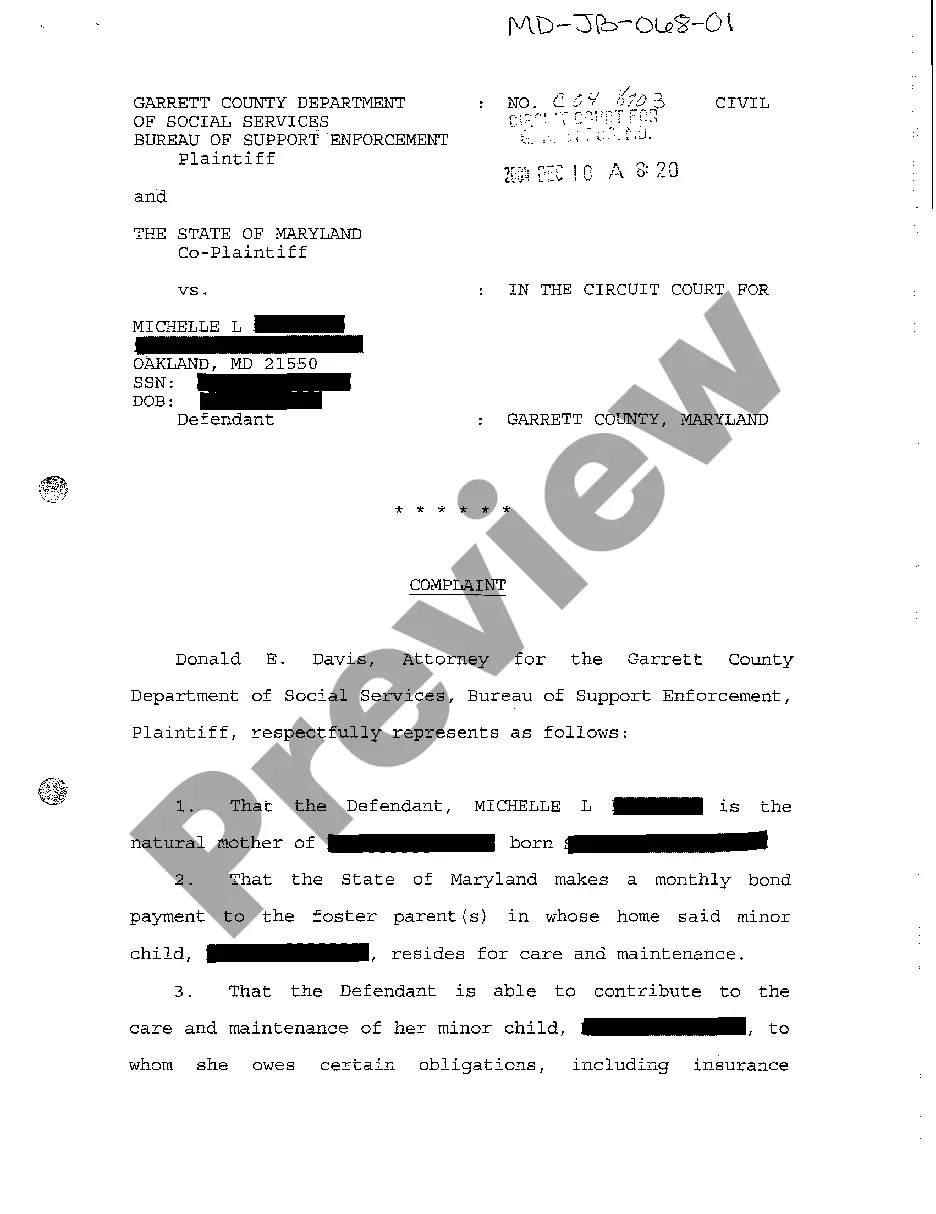
Kansas Letter from Tenant to Landlord containing Notice to landlord to cease retaliatory threats to evict or retaliatory eviction
Understanding this form
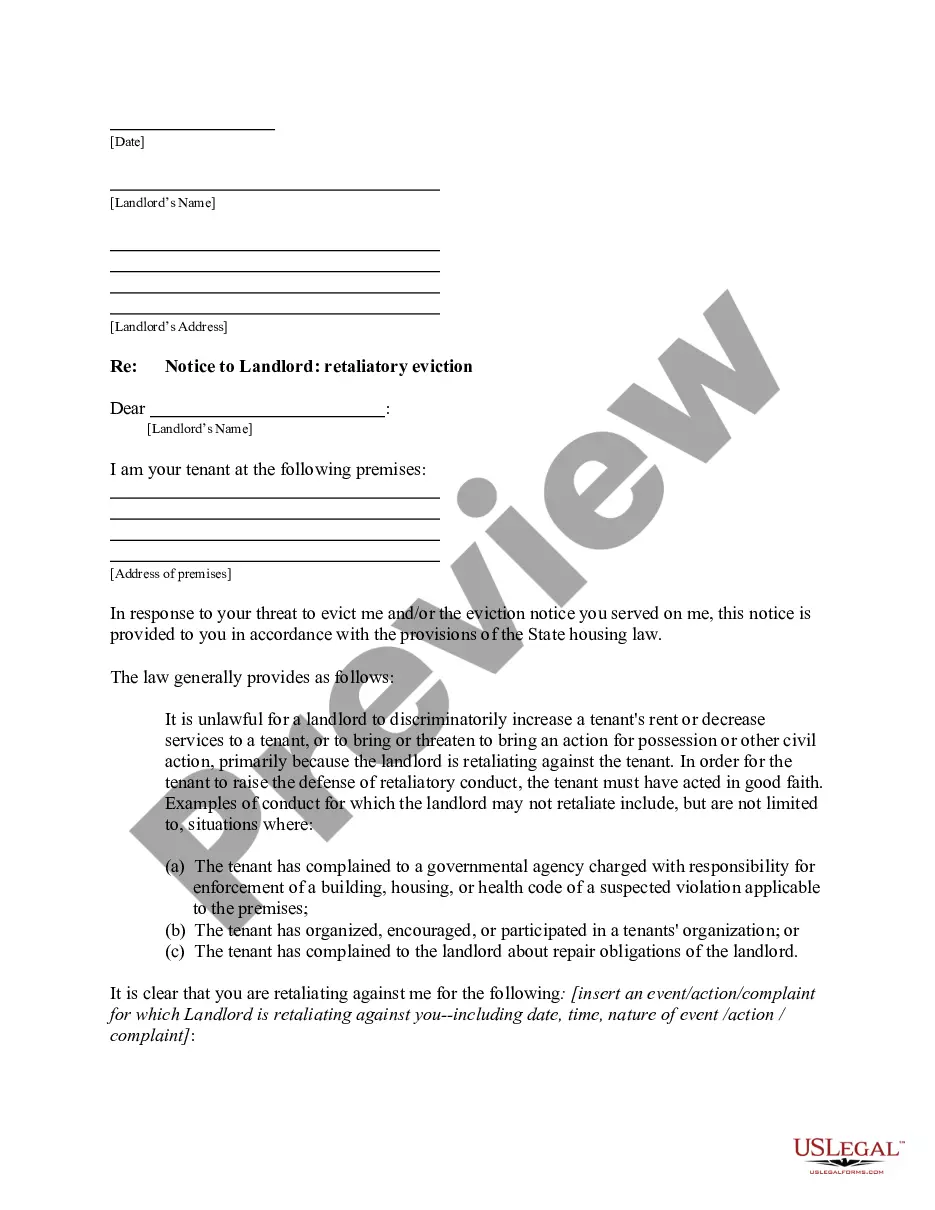
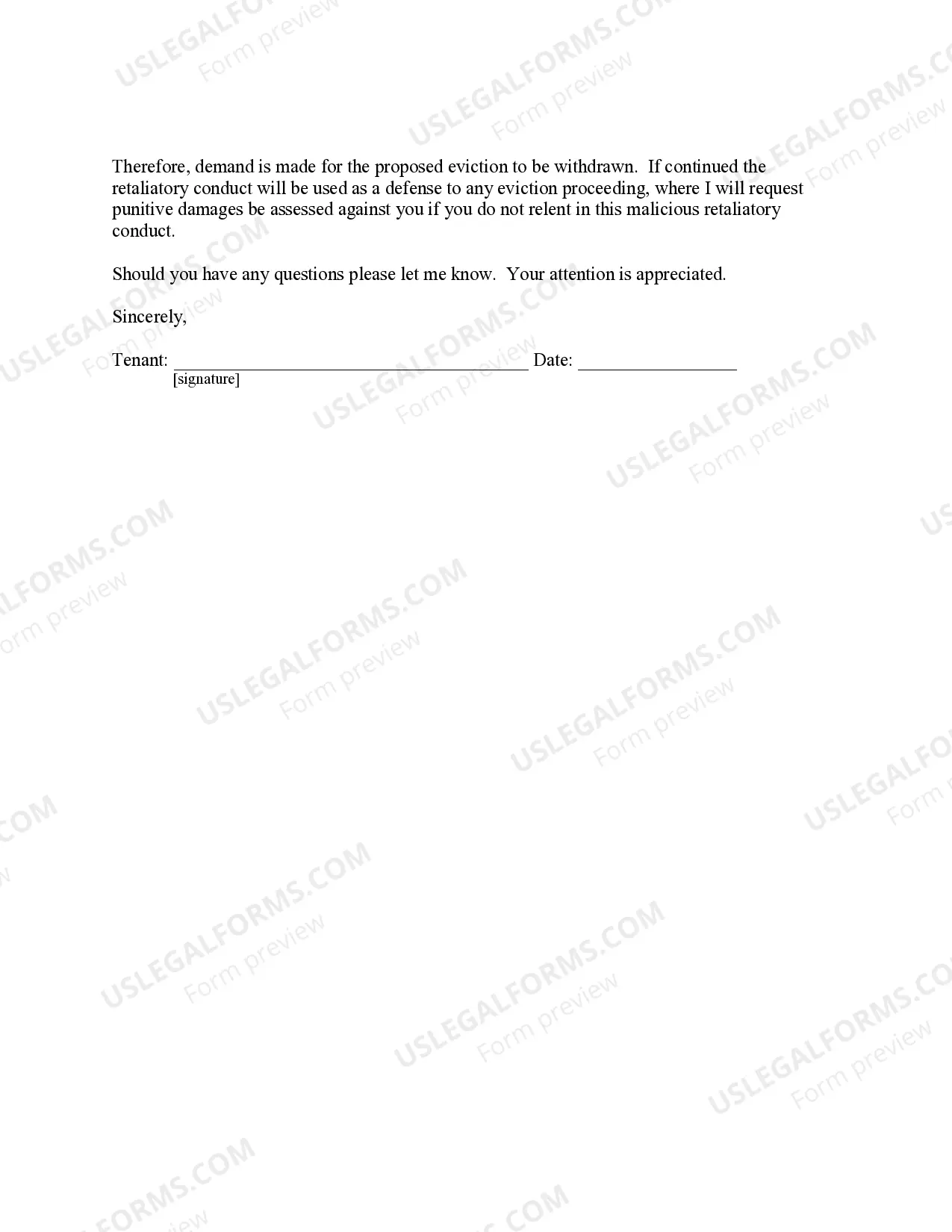
This Letter from Tenant to Landlord is a legal document that allows a tenant to formally notify their landlord to cease any retaliatory threats of eviction. This form specifically addresses situations where a landlord may threaten eviction as retaliation for the tenant exercising their rights, such as filing complaints about housing code violations or participating in tenant organizations. It is important to differentiate this form from general eviction notices, as it focuses on protecting tenants from unjustified actions based on retaliation.
Key components of this form
- Tenantâs contact information
- Landlordâs contact information
- Date of the letter
- Details outlining the landlordâs retaliatory threats
- Reference to protected actions by the tenant
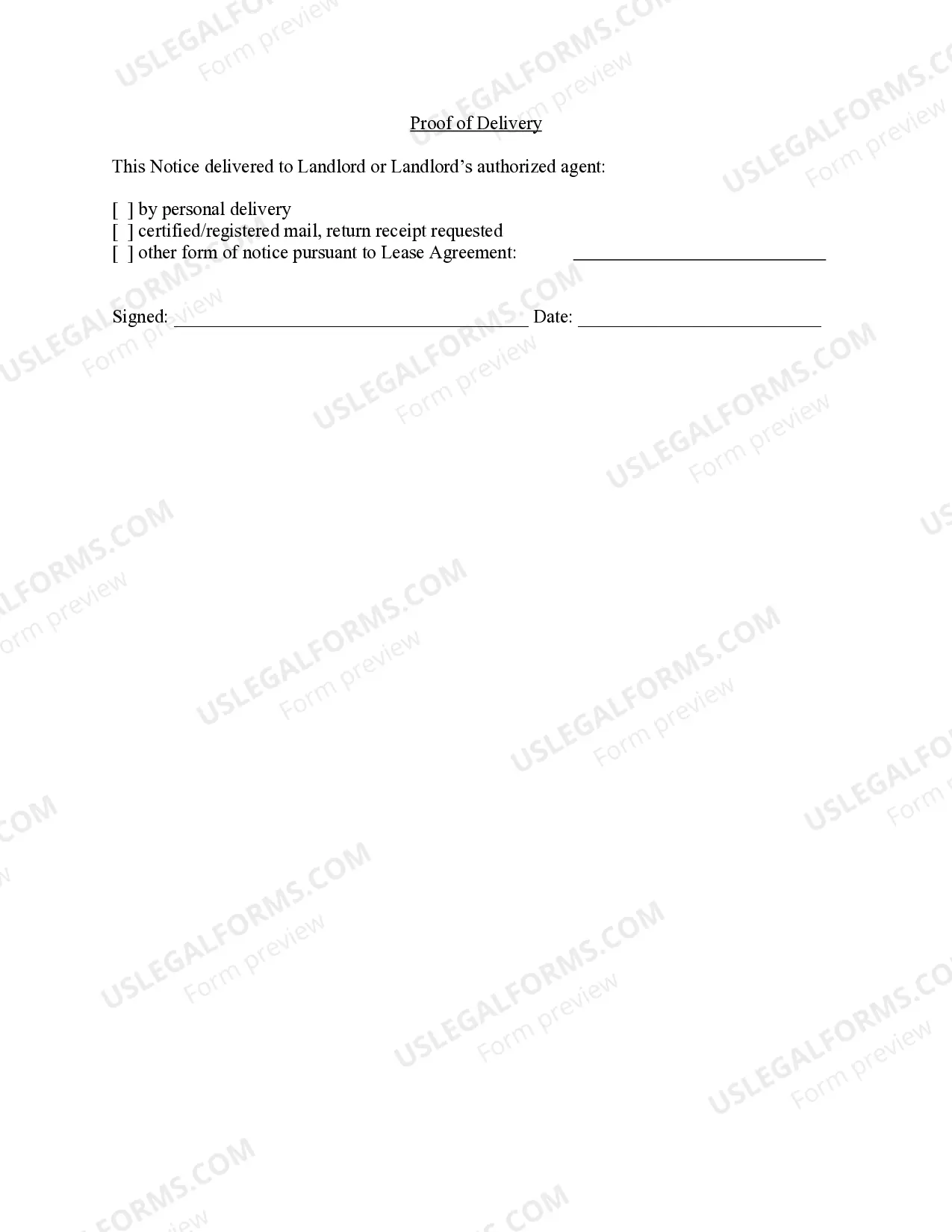
- Proof of delivery section



When to use this form
This form should be used when a tenant receives threats of eviction from their landlord that may be retaliatory. Common scenarios include instances where a tenant has reported issues to local authorities, requested repairs, or participated in tenant advocacy groups. If you believe your landlord's actions are in retaliation for these activities, this letter can help establish your position and assert your rights.
Who needs this form
- Tenants who have been threatened with eviction after asserting their legal rights.
- Individuals participating in tenant organizations.
- Renters who have reported housing violations to authorities.
- Anyone facing potential retaliatory actions from landlords.
Steps to complete this form
- Identify and enter your name and contact information as the tenant.
- Specify the landlordâs name and address.
- Include the date on which you are sending the notice.
- Clearly describe the retaliatory actions taken by the landlord.
- List the actions you took that legally protect you from retaliation.
- Sign the letter and note the method of delivery to the landlord.
Notarization guidance
This form does not typically require notarization to be legally valid. However, some jurisdictions or document types may still require it. US Legal Forms provides secure online notarization powered by Notarize, available 24/7 for added convenience.
Get your form ready online
Our built-in tools help you complete, sign, share, and store your documents in one place.
Make edits, fill in missing information, and update formatting in US Legal Forms—just like you would in MS Word.
Download a copy, print it, send it by email, or mail it via USPS—whatever works best for your next step.
Sign and collect signatures with our SignNow integration. Send to multiple recipients, set reminders, and more. Go Premium to unlock E-Sign.
If this form requires notarization, complete it online through a secure video call—no need to meet a notary in person or wait for an appointment.
We protect your documents and personal data by following strict security and privacy standards.

Make edits, fill in missing information, and update formatting in US Legal Forms—just like you would in MS Word.

Download a copy, print it, send it by email, or mail it via USPS—whatever works best for your next step.

Sign and collect signatures with our SignNow integration. Send to multiple recipients, set reminders, and more. Go Premium to unlock E-Sign.

If this form requires notarization, complete it online through a secure video call—no need to meet a notary in person or wait for an appointment.

We protect your documents and personal data by following strict security and privacy standards.
Common mistakes to avoid
- Failing to properly document and detail the landlordâs retaliatory behavior.
- Not including important dates relevant to the eviction threat.
- Omitting the delivery method, which is crucial for proof.
- Using vague language instead of clear, specific terms about the tenantâs actions.
Advantages of online completion
- Convenience of downloading the form instantly anytime.
- Editability to personalize the form for your specific situation.
- Reliability of knowing the form has been drafted to meet legal standards.
Legal use & context
- The form provides legal protection against retaliatory eviction.
- It complies with specific housing laws that protect tenant rights.
- Using this form can serve as a formal record of your attempts to resolve the issue amicably.
What to keep in mind
- This form addresses retaliatory eviction threats from landlords.
- It's important for tenants to document threats to assert their rights.
- Comply with state laws to ensure the effectiveness of the notice.
Looking for another form?

Form popularity
FAQ
There is no direct way to stop a landlord from serving an eviction notice. Although, there are indirect ways. One is through a public authority or agency. By filing a complaint with the local housing authority, a tenant may be able to stop eviction.
Eviction notices When written by a landlord, a notice to vacate is commonly known as an "eviction notice," which tells the tenant they must move out of the rental property.
When responding to the notice to quit, there are several options available to the tenant: Pay any delinquent rent that is due to the landlord within the allotted time of the notice. Move out of the premises within the allotted time of the notice. File an answer with the judicial court.
Addresses. Date. Tenant names. Status and date of the lease. Why the eviction notice is served (clear and concise explanation) Date tenant must vacate the property. Proof of service or delivery of notice.
A Notice to Vacate is a notice written by the landlord or property manager giving a notice to leave the premises within a specified time frame. This type of notice is typically given during the end of a lease period, or due to an infringement of the lease agreement.
A landlord cannot legally evict you without a court order, whether or not you have a lease.) How long does it take for a landlord to evict a tenant? A landlord can evict a tenant only by going through a formal eviction proceeding, which can take a few weeks from start to finish.
Pay any delinquent rent that is due to the landlord within the allotted time of the notice. Move out of the premises within the allotted time of the notice. File an answer with the judicial court. File a motion to stay with the court.
An eviction is a legal proceeding in which a landlord asks a court to order the tenant to leave the property. Giving a tenant a notice to terminate is often a first step in the eviction process, but it isn't the same as an eviction.
Explain the Situation Tell your tenant in straightforward terms what the problem is, and explain that they cannot stay on the property any longer. Describe the Consequences Calmly explain that they will be evicted with necessary court orders if they remain on the property.