What Is a Revocable Transfer on Death Deed? Understand the Basics
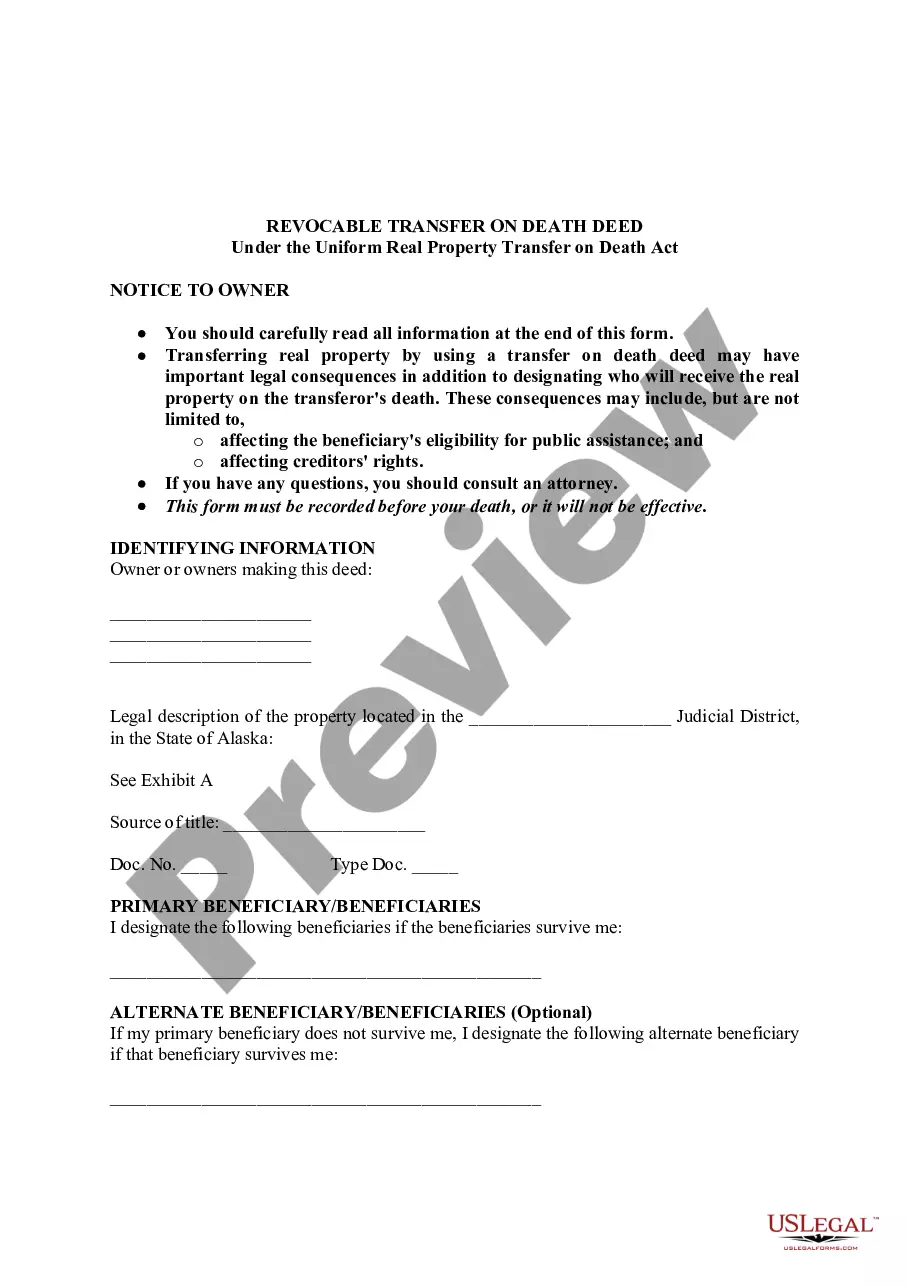
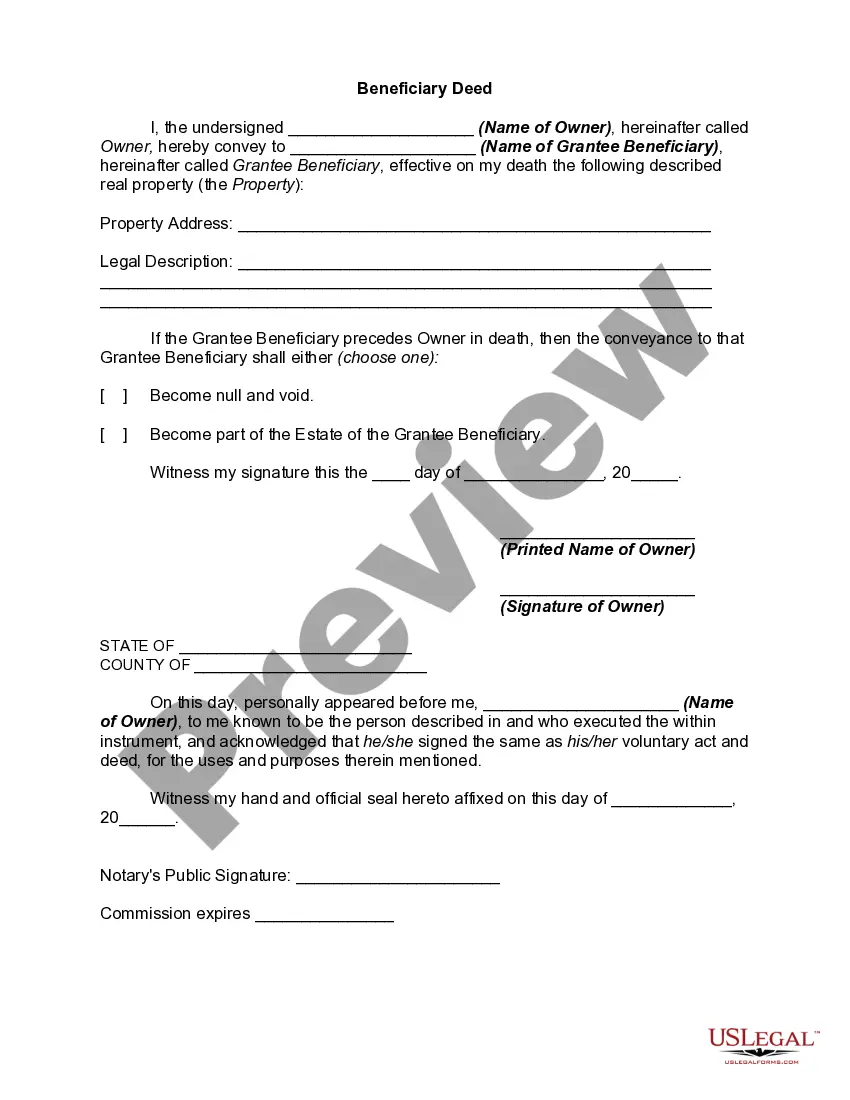
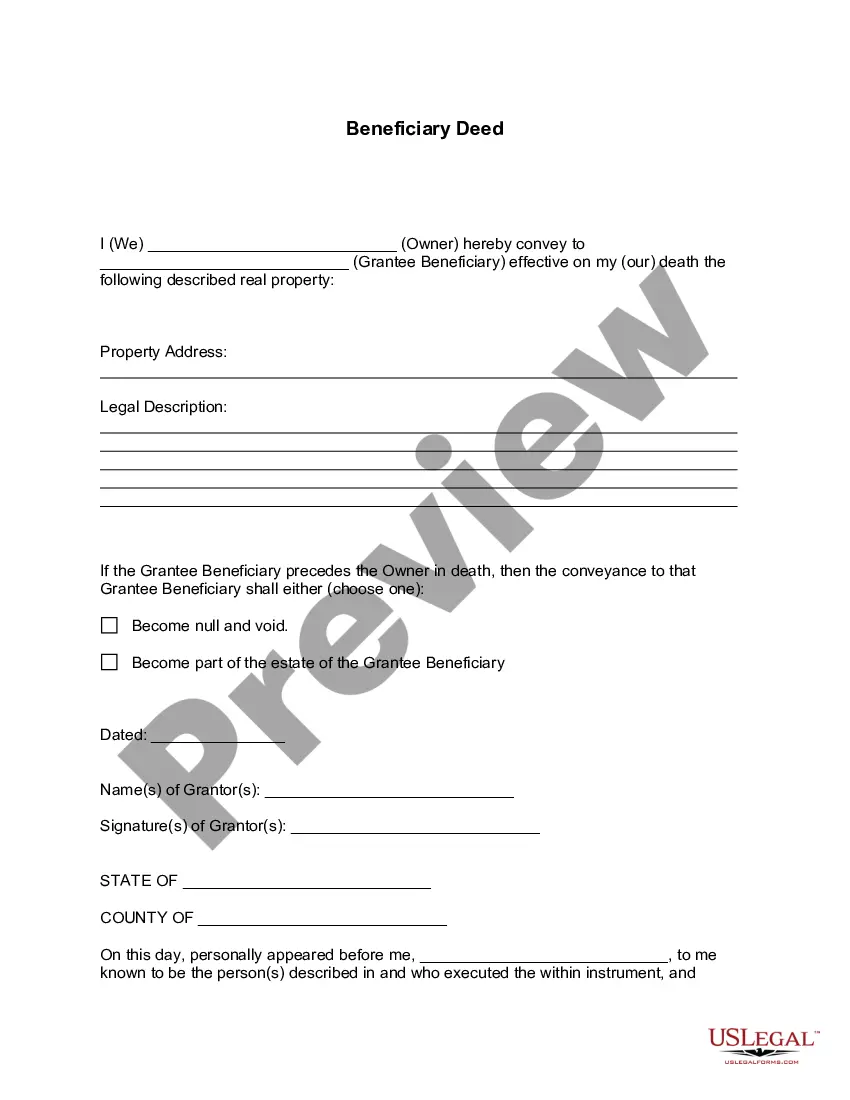
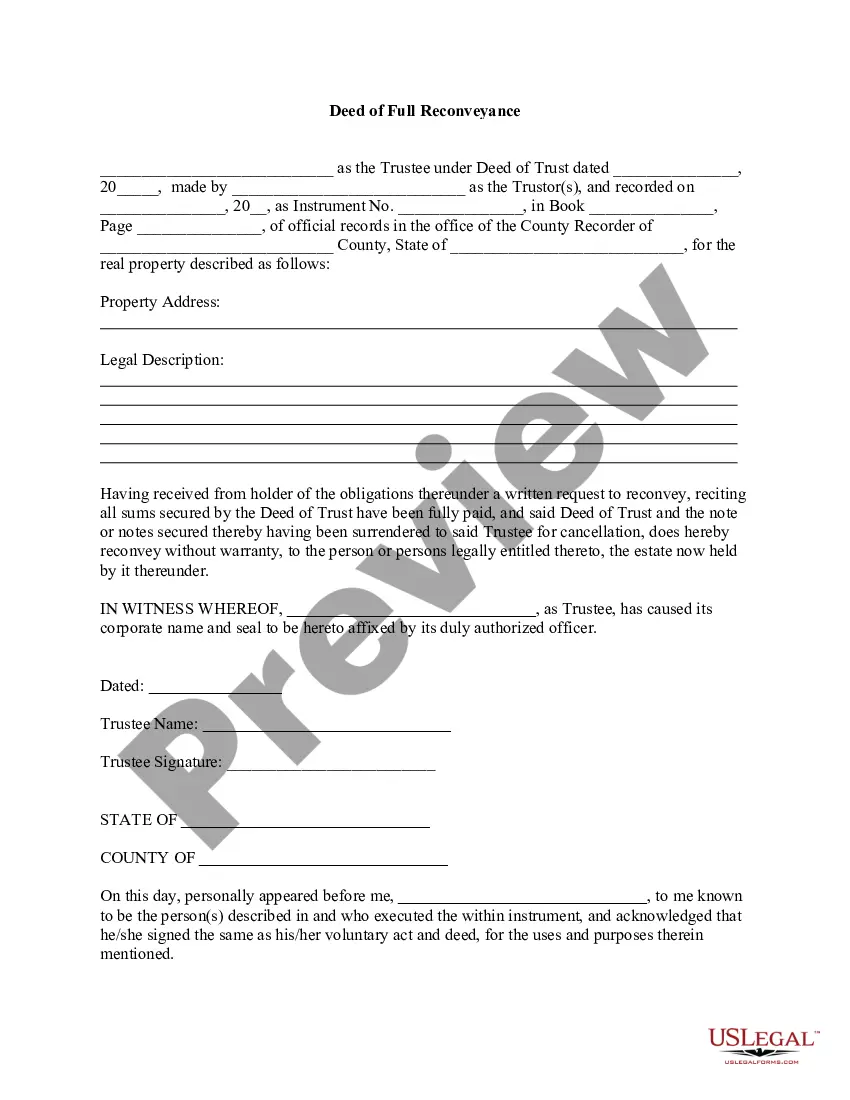
A revocable transfer on death deed is a legal document that allows property owners to transfer their real estate to designated beneficiaries upon their death. This type of deed does not take effect until the property owner passes away, and it can be revoked or changed at any time before that. The primary advantage of using a revocable transfer on death deed is that it enables property transfer without the need for probate, simplifying the process for the beneficiaries.
How to complete a form
To properly complete a revocable transfer on death deed, follow these steps:
- Identify the owner or owners making the transfer.
- Provide the full legal description of the property being transferred.
- Designate the primary beneficiaries who will inherit the property.
- Include the name and contact information of any agent authorized to revoke the deed.
- Sign the form in front of a notary public to ensure its validity.
Make sure to keep a copy of the completed deed and record it with the appropriate local authorities.
Who should use this form
This form is ideal for individuals who want to ensure their property is transferred directly to chosen beneficiaries upon their death, avoiding the complexities of probate. It is particularly useful for property owners who:
- Wish to maintain control over their property during their lifetime.
- Have simple estate plans with limited beneficiaries.
- Aim to streamline the asset transfer process for their loved ones.
Legal use and context
A revocable transfer on death deed is recognized in many states across the U.S. as a valid method of transferring real estate. It must be executed according to state laws, which may include requirements such as notarization and recording with the county clerk. This deed cannot contradict any existing wills or estate plans, so it is important to review all relevant documents to ensure consistency.
Common mistakes to avoid when using this form
When completing a revocable transfer on death deed, some common errors to avoid include:
- Failing to include the full legal description of the property.
- Neglecting to sign the deed in the presence of a notary.
- Not recording the deed with local authorities, which can render it ineffective.
- Identifying beneficiaries without confirming their ability to accept the property.
Key takeaways
Understanding the revocable transfer on death deed is crucial for effective estate planning. Here are some key points to remember:
- This deed allows you to transfer property outside of probate.
- It remains revocable until the property owner passes away.
- Proper completion and recording are essential for the deed's effectiveness.
- Consulting with an attorney can help clarify any legal implications.