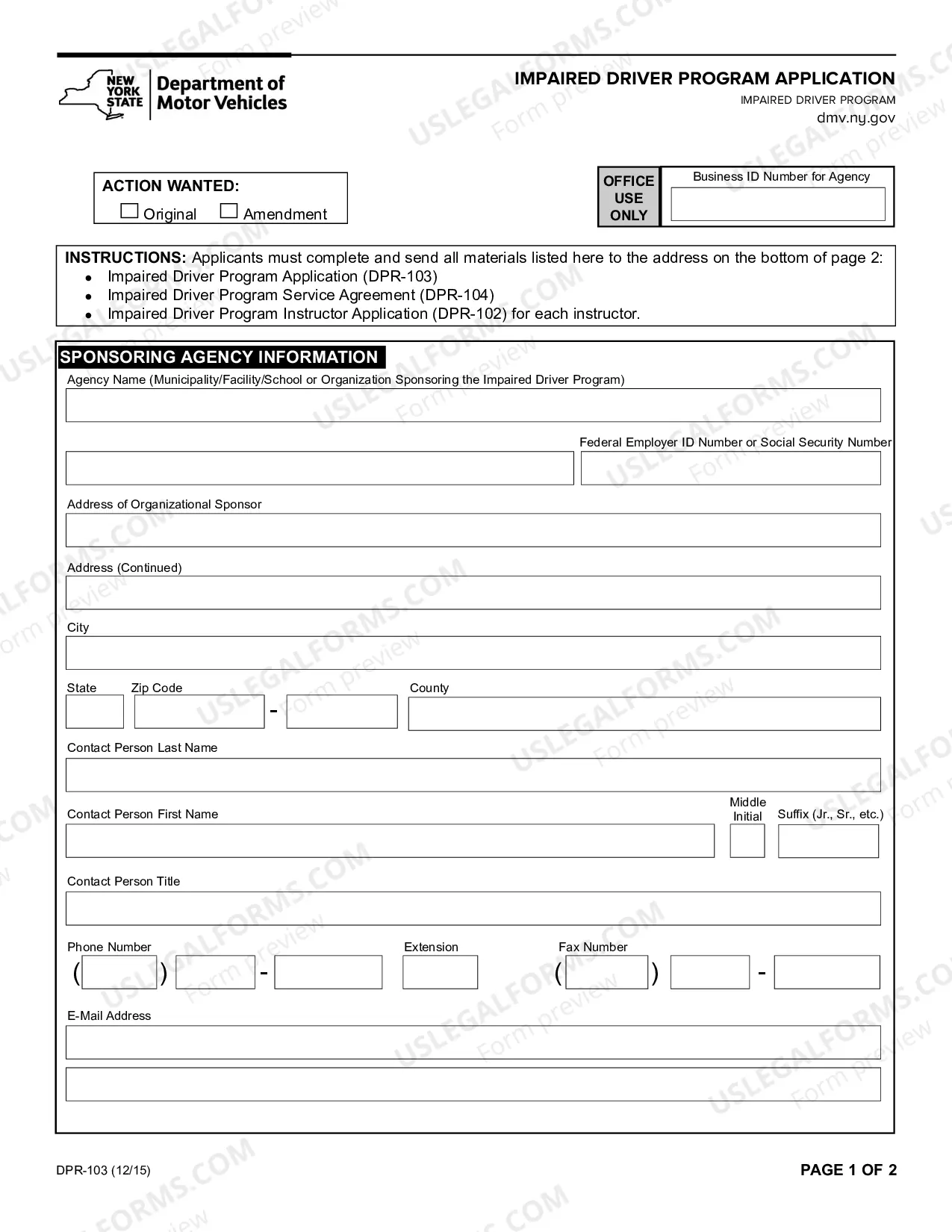
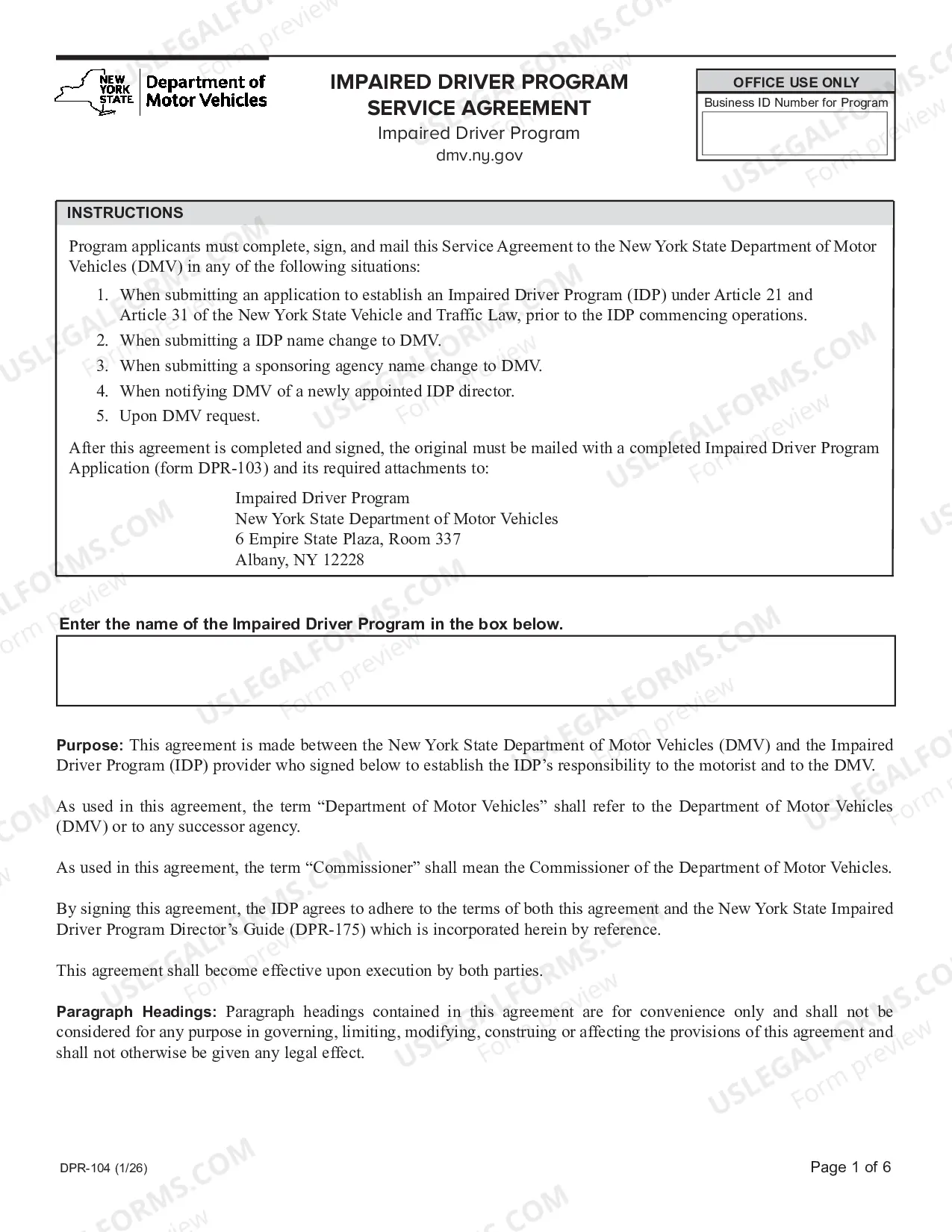
What Is an Order to Show Cause? Understand Its Purpose and Use
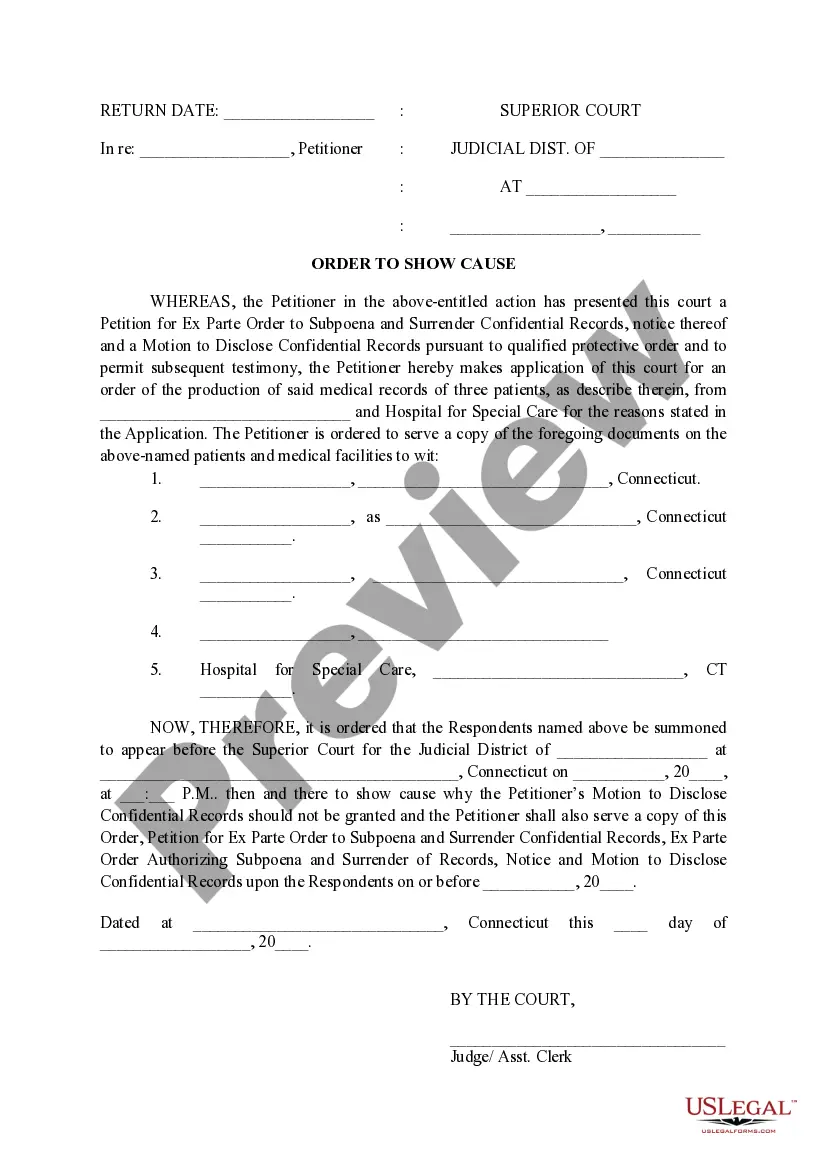
An Order to Show Cause is a legal document issued by a court that directs a party to appear before the court and show valid reasons why a particular action should or should not be taken. This type of order is often used when immediate relief is sought, such as in temporary injunction cases.
Who should use this form
This form is typically used by plaintiffs in legal proceedings who need to request urgent relief or responses from a defendant. It can be relevant in various legal matters, including family law, property disputes, and some civil cases. If you require a temporary injunction or similar order, this form is essential for your legal process.
How to complete a form
To complete an Order to Show Cause, follow these steps:
- Fill in the names of the parties involved.
- Specify the court's jurisdiction and other relevant details.
- Clearly state the reasons for your request for a temporary injunction.
- Provide the required date and location for the hearing.
- Sign the form in the appropriate section.
Key components of the form
Understanding the key components of this form is essential for its proper use. The main elements include:
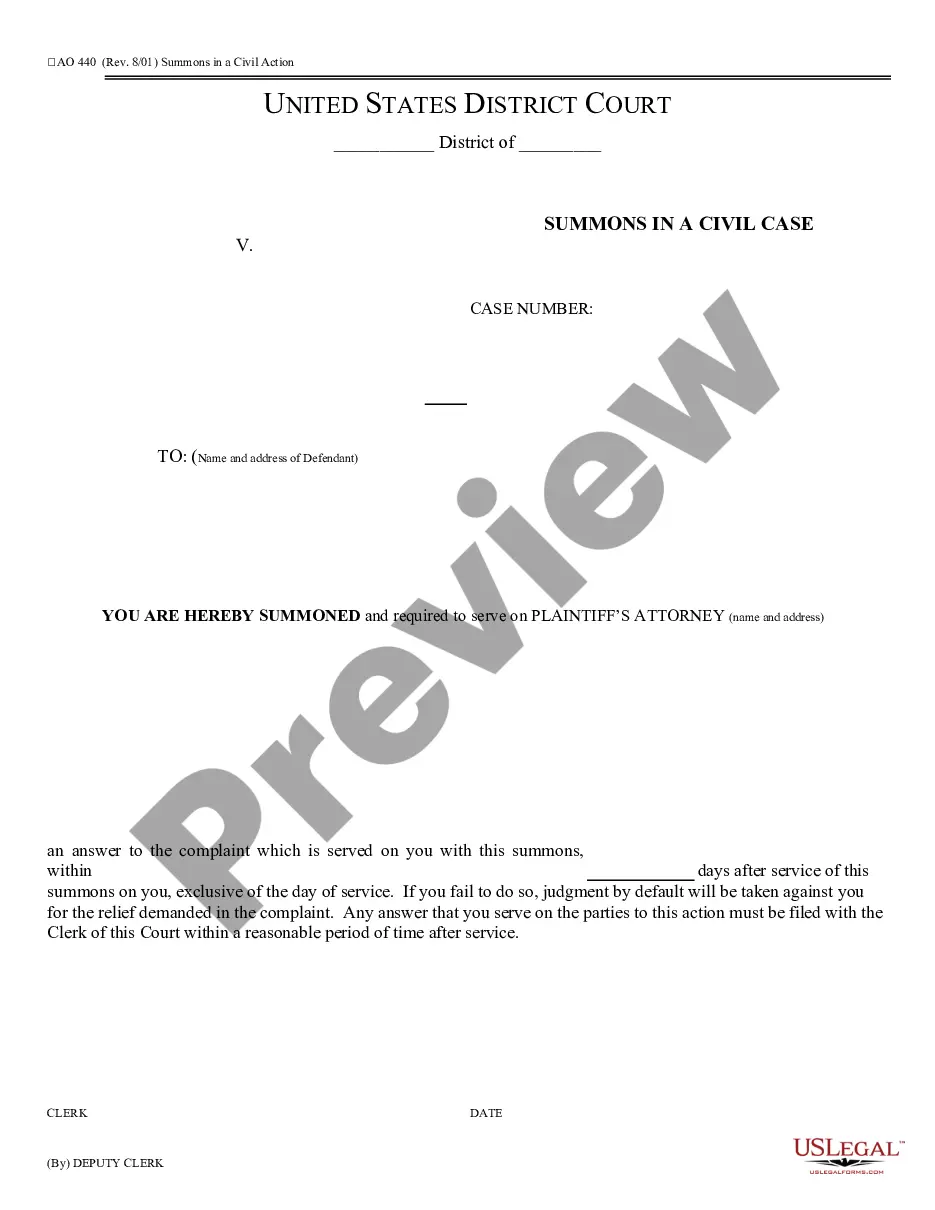
- The names of the plaintiff and defendant.
- The court’s name and jurisdiction.
- A clear statement of what the plaintiff is requesting from the defendant.
- The scheduled date and time for the hearing.
- The signature of the court official or judge.
Legal use and context
The Order to Show Cause is often used in scenarios where time-sensitive matters need to be addressed in court. It serves to accelerate the judicial process by compelling a party to appear before the court on short notice, ensuring that urgent matters are resolved efficiently, such as issues involving child custody, emergency protection orders, or other pressing legal disputes.
Common mistakes to avoid when using this form
Avoid these common mistakes when completing an Order to Show Cause:
- Providing incomplete information about the parties or the court.
- Failing to clearly articulate the urgency of the request.
- Neglecting to sign or date the document.
- Missing the filing deadline for the order.
What documents you may need alongside this one
When filing an Order to Show Cause, you may need the following documents:
- The original complaint that forms the basis of your request.
- Any relevant affidavits that support your claims.
- Proof of service documents to show that all parties were notified of the hearing.