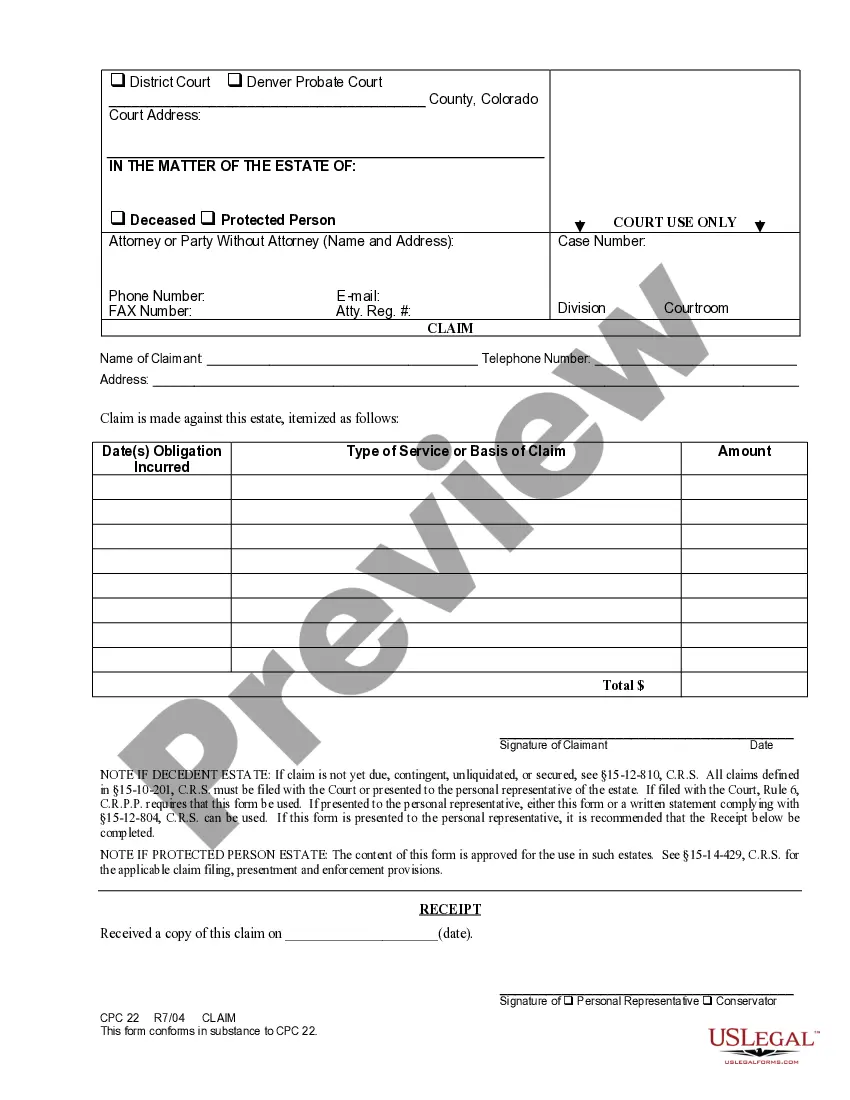
What is an administrator's bond for managing estates?
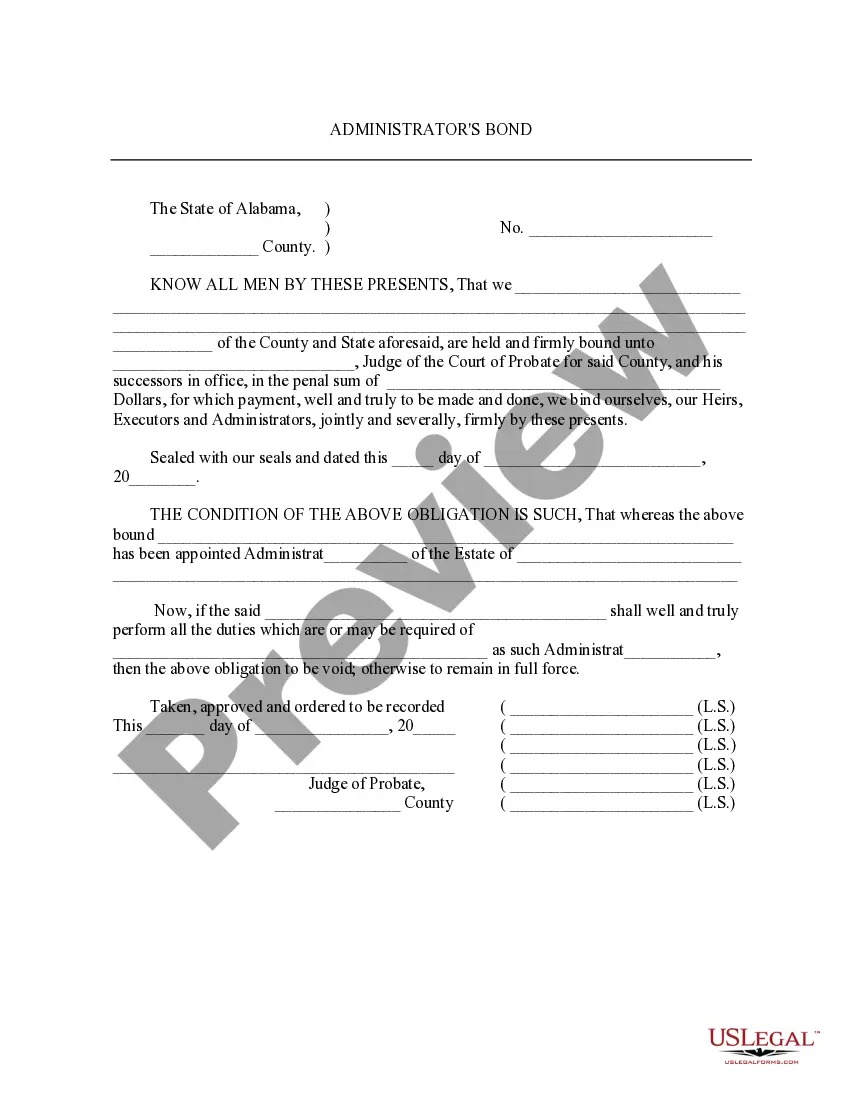
An administrator's bond is a legal document required by a probate court to ensure that an appointed administrator of an estate will fulfill their duties responsibly. This bond protects the estate and its beneficiaries by holding the administrator financially accountable for any mismanagement or failure to perform their obligations adequately. In essence, the bond is a guarantee that the administrator will act in accordance with the law and the specific terms of the estate's administration.
Who should use this form
This form is typically used by individuals appointed as administrators of an estate during the probate process. It is essential for anyone who has been designated by the court to manage the assets, settle debts, and distribute the estate according to the wishes of the deceased. Anyone who wishes to ensure compliance with state laws regarding estate administration is encouraged to complete this form.
Key components of the form
When completing an administrator's bond, several key components must be included:
- Principal Amount: This is the sum of money that the administrator is bonded for, providing financial assurance to the court and beneficiaries.
- Parties Involved: The form must list the administrator, co-sureties, and the court to which it is submitted.
- Conditions: The bond outlines the duties the administrator must fulfill; if these are not met, the bond may be forfeited.
- Signatures: All parties to the bond must sign it in the presence of an official such as a notary public.
Common mistakes to avoid when using this form
There are several common pitfalls when completing an administrator's bond, including:
- Failing to include all required signatures and dates.
- Not accurately stating the principal amount, which may affect the bond's validity.
- Omitting to provide sufficient detail about the administrator's duties.
Carefully review the form for completeness and accuracy before submission to avoid any delays in the probate process.
What documents you may need alongside this one
When preparing the administrator's bond, you may need to gather additional documents, including:
- The death certificate of the deceased individual.
- A copy of the will, if available, to clarify the administrator's responsibilities.
- Other court documents that establish your appointment as administrator.
Having these documents ready can facilitate the completion and submission of the bond.
What to expect during notarization or witnessing
During the notarization process, the administrator and any co-sureties must sign the bond in the presence of a notary public. Expect the following:
- The notary will verify the identities of all signers.
- Each signer will need to provide valid identification.
- The notary will affix their seal and signature once the document is signed correctly.
Ensure that all details are correct to avoid complications during this process.
Key takeaways
In conclusion, an administrator's bond is a crucial component of the probate process aimed at protecting the interests of the estate and its beneficiaries. Key points to remember include:
- The bond ensures accountability for the administrator.
- Accurate completion of the form is essential to avoid legal issues.
- Have necessary documentation ready to support your bond application.
By following these guidelines, you can navigate the probate process with greater confidence.