What is a pretrial order? Understanding its importance in court
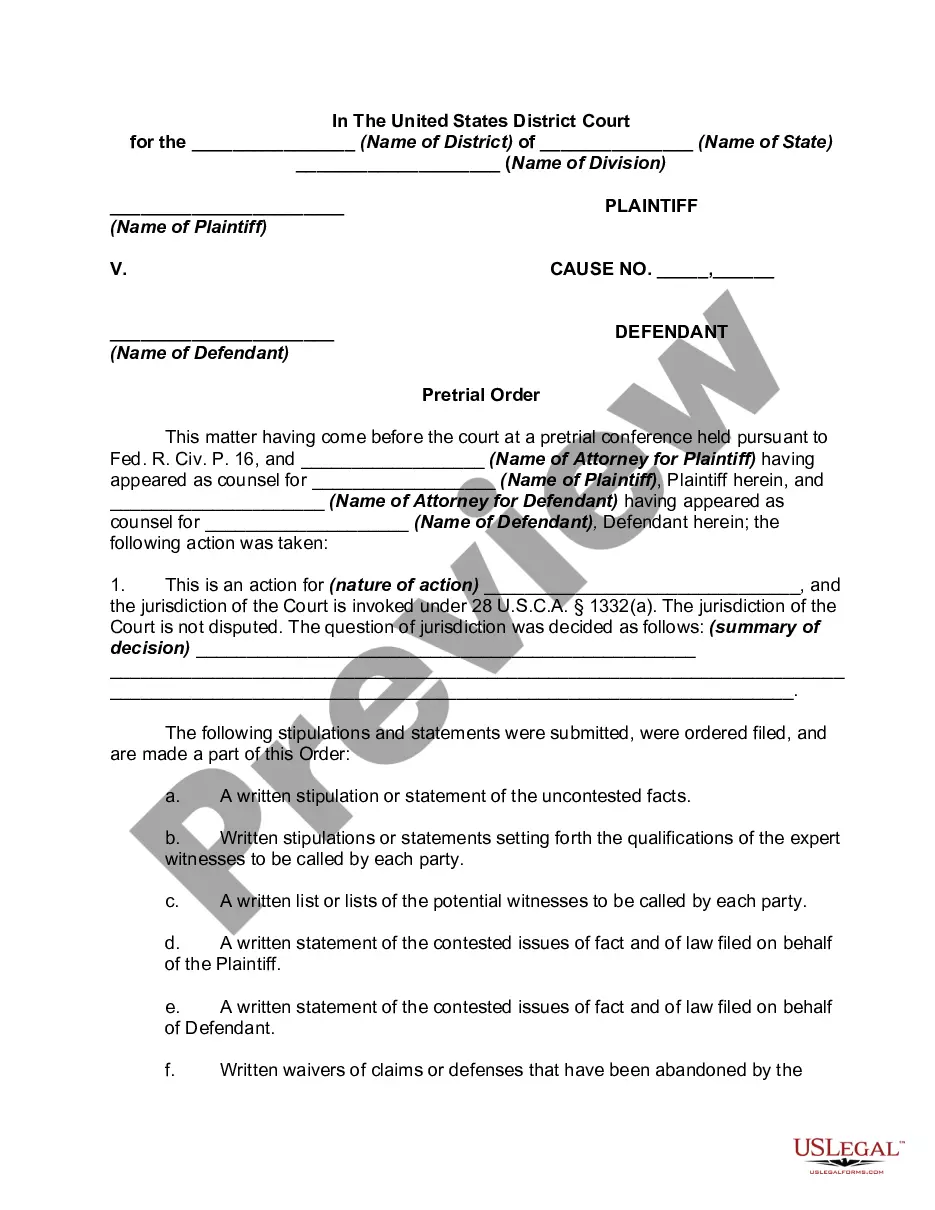
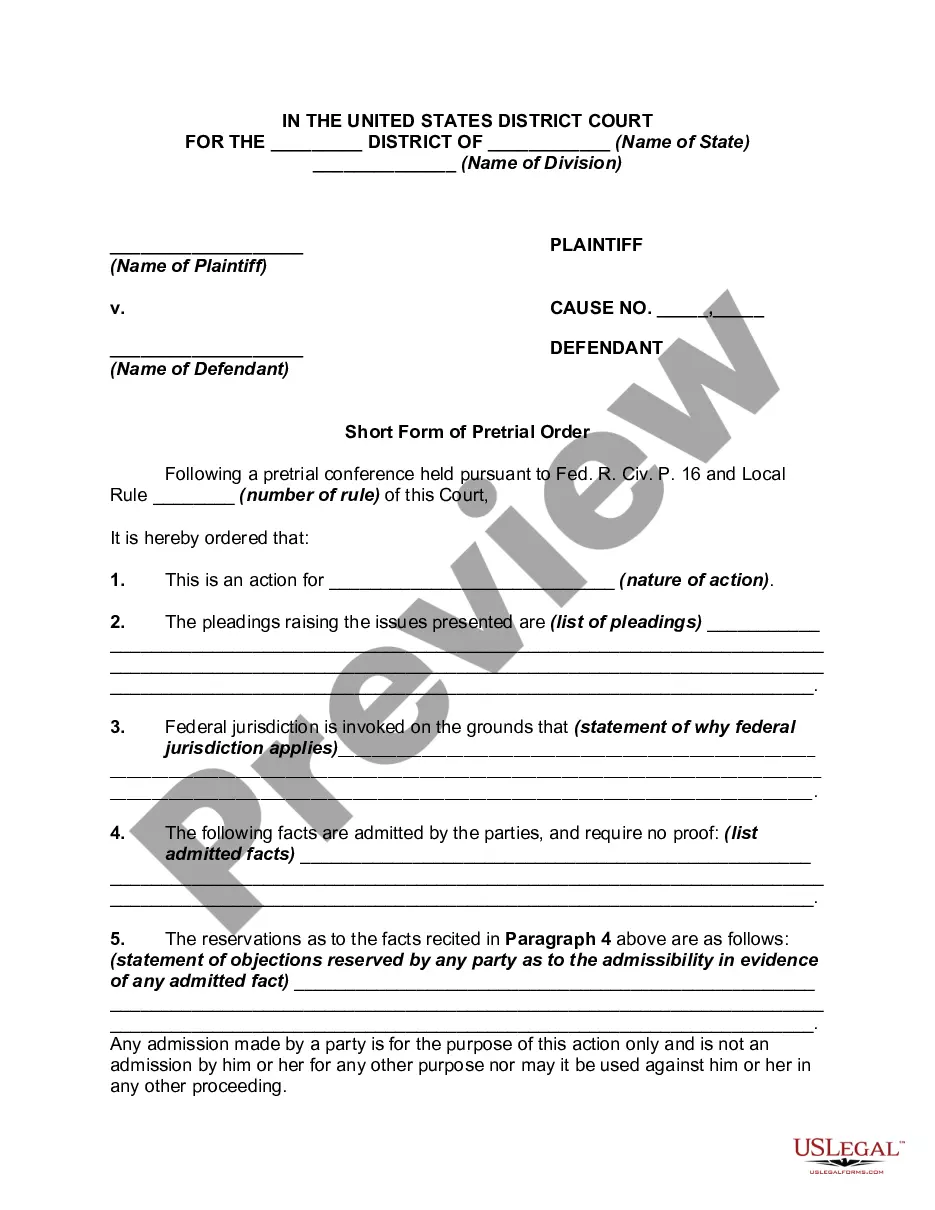
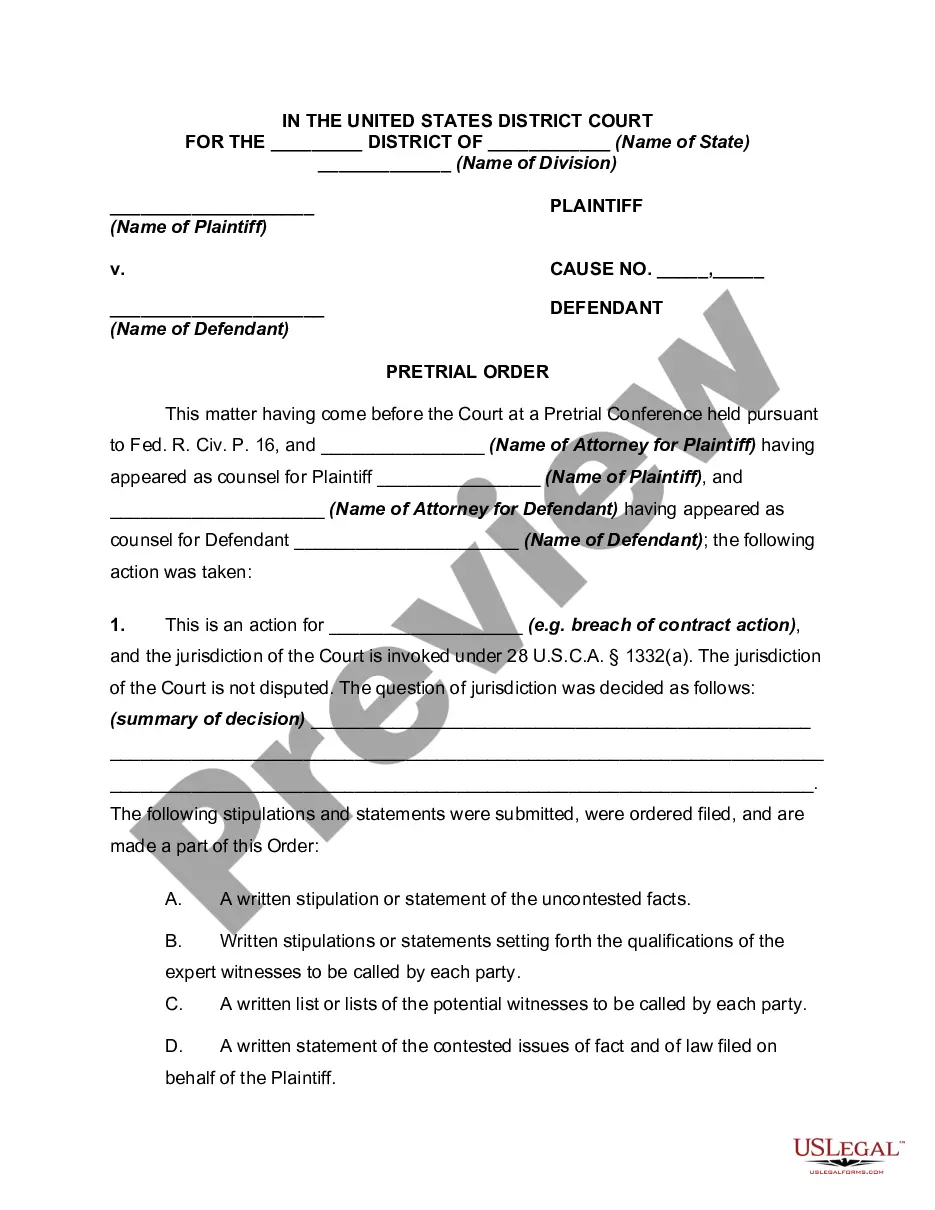
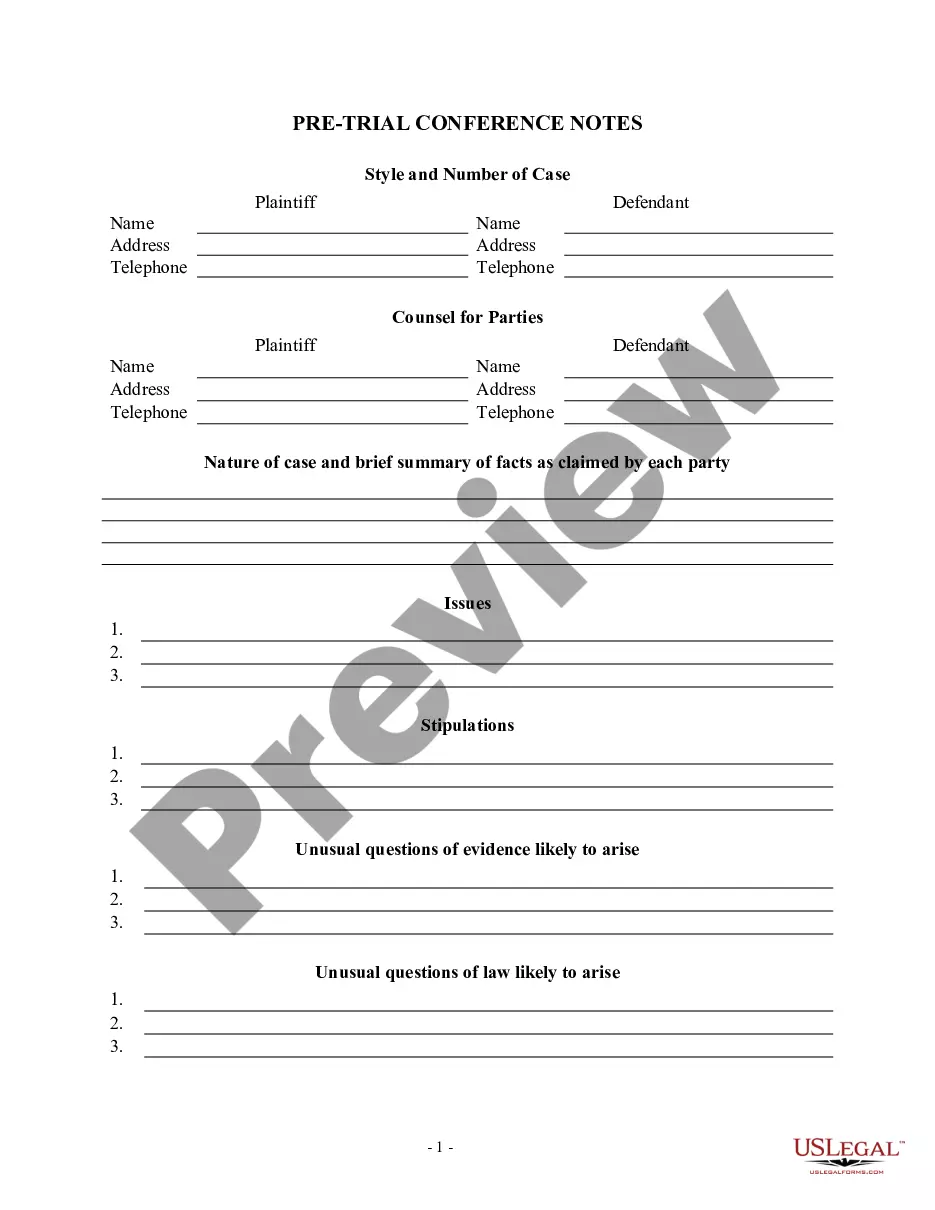
A pretrial order is a legal document issued by a court to outline the procedures and expectations for the trial process. It typically includes summaries of the claims made by both parties, the key legal issues, and the types of evidence that will be admissible. This document is essential for preparing for trial, as it establishes a clear agenda for the proceedings and helps to streamline the litigation process.
Key components of the form
The pretrial order usually consists of several important sections, each serving a specific purpose:
- Counsel Information: Names and contact details of the attorneys representing each party.
- Nature of the Case: A brief description of the legal issue at hand, including the underlying facts.
- Position of the Parties: Statements from both the plaintiff and defendant regarding their respective positions on the case.
- Stipulations and Admissions: Any agreed facts between the parties that do not need to be proven at trial.
- Discovery: A summary of the evidence and documents that have been shared between the parties.
- Anticipated Legal Issues: Major legal arguments expected to arise during the trial.
Who should use this form
The pretrial order should be used by parties involved in civil litigation, including individuals or businesses who are preparing for a trial. Both plaintiffs and defendants will benefit from completing this form, as it helps clarify their positions and streamline the trial process. Legal counsel typically fills out the form to ensure that it accurately reflects the parties’ intentions and complies with court requirements.
Legal use and context
In the legal context, a pretrial order serves as a binding agreement between the parties regarding the trial's procedures. It is issued by the court after a pretrial conference, where the judge and the attorneys discuss the case's details. Following the filing of the pretrial order, any deviations from its terms typically require court approval. This order aids in preventing surprises at trial and ensures that both parties are well prepared.
Common mistakes to avoid when using this form
When completing a pretrial order, consider the following common pitfalls:
- Incomplete Information: Ensure all required sections are filled out, as missing information can lead to delays or complications.
- Lack of Detail: Provide sufficient detail in the position statements and anticipated legal issues to avoid ambiguity.
- Failure to Review: Always have the document reviewed by legal counsel to verify its compliance with applicable laws and court rules.
What to expect during notarization or witnessing
The pretrial order may need to be notarized or witnessed, depending on the jurisdiction. In this process:
- A notary public will confirm the identity of the individuals signing the document.
- Each signer will typically need to present valid identification.
- Once notarized, the document becomes legally valid and is submitted to the court.