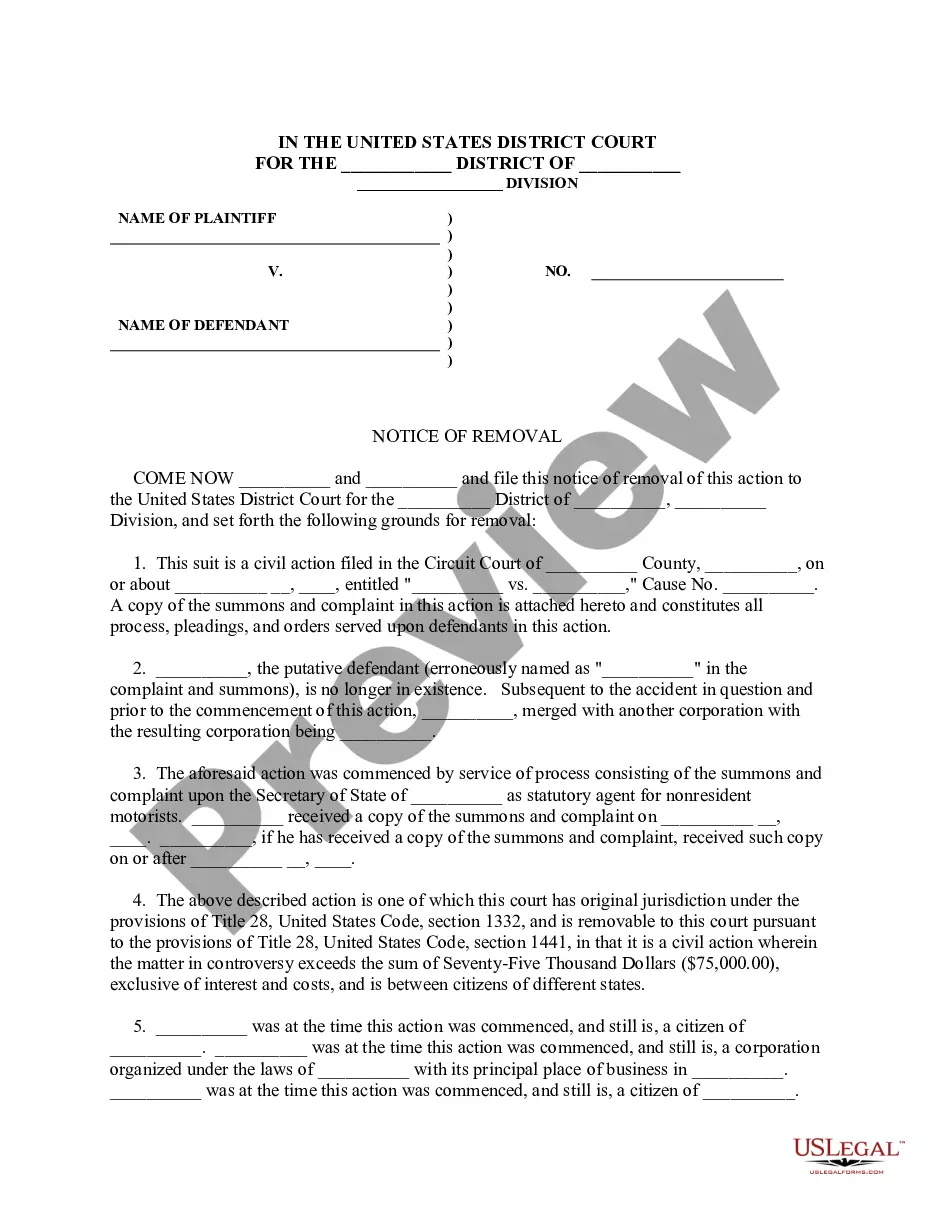
What is a motion to remand? Understanding its Purpose
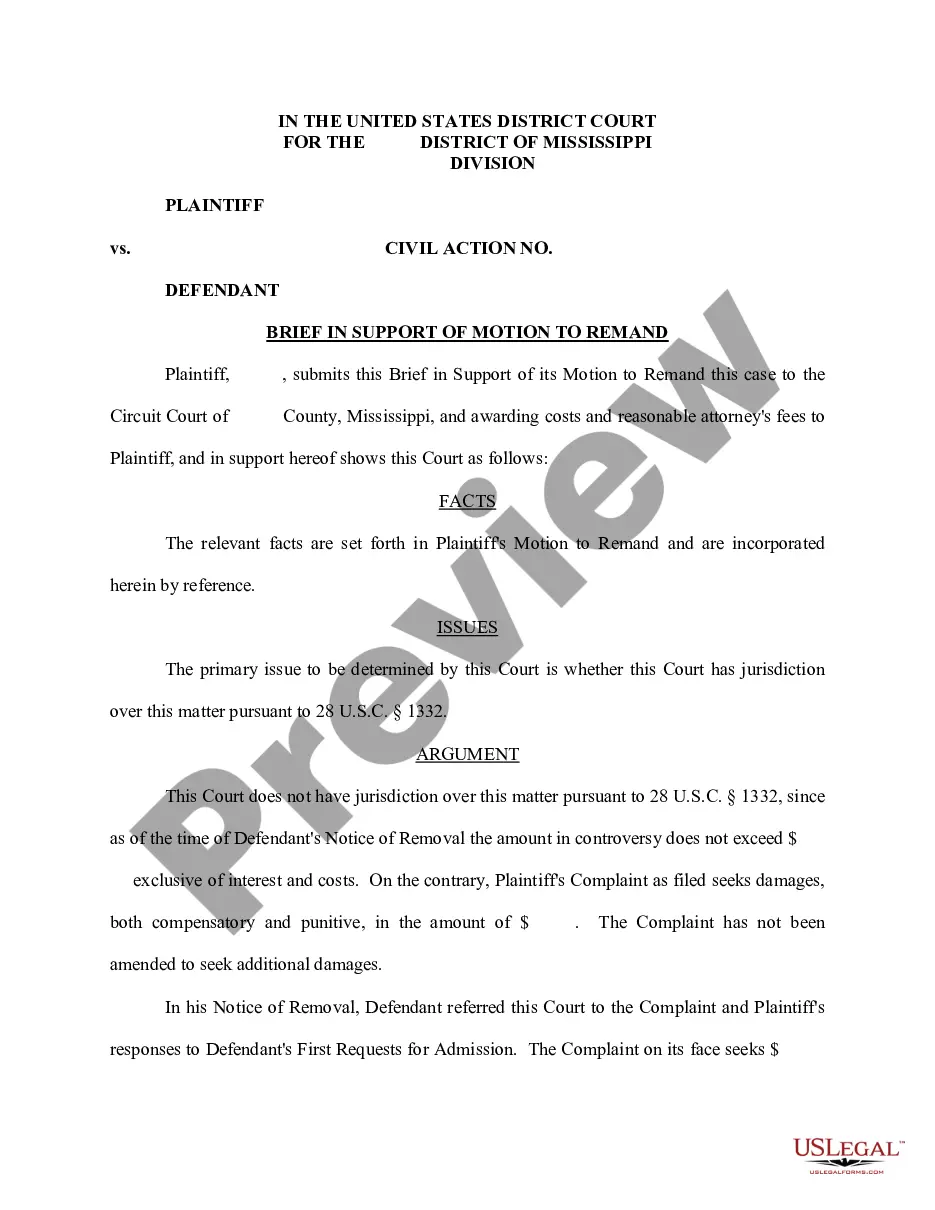
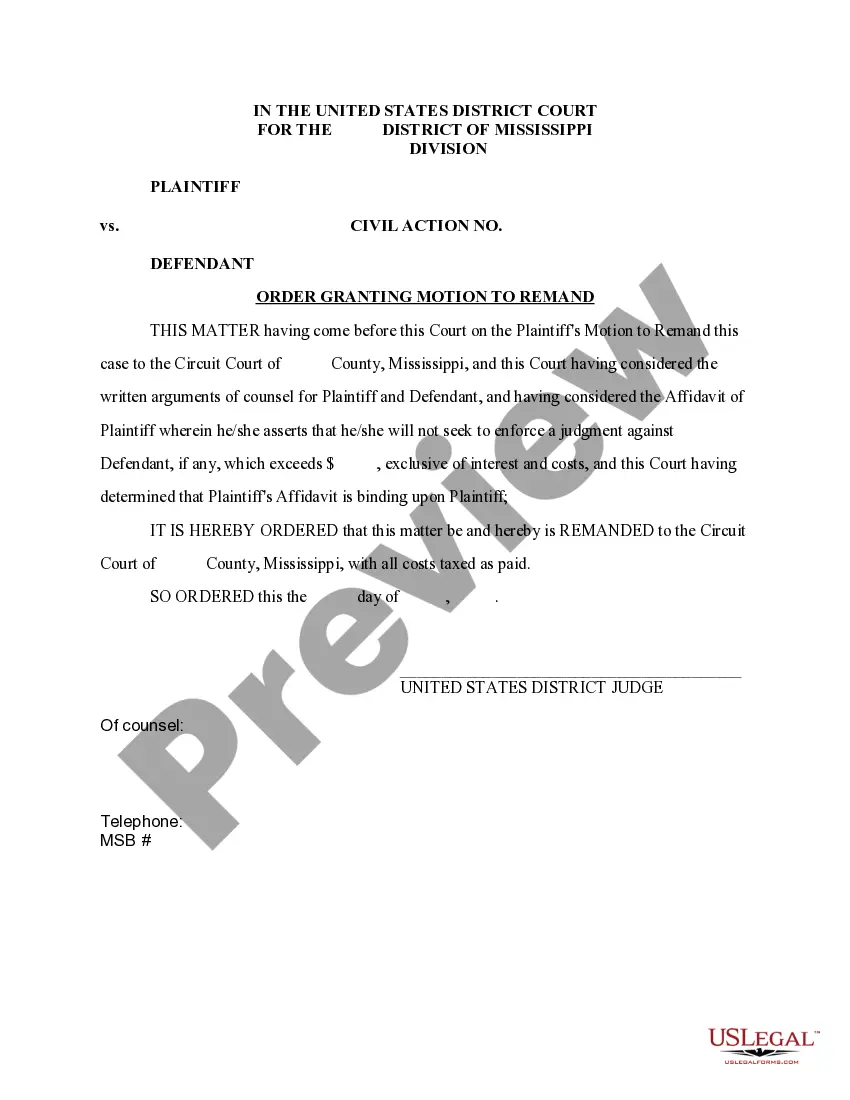
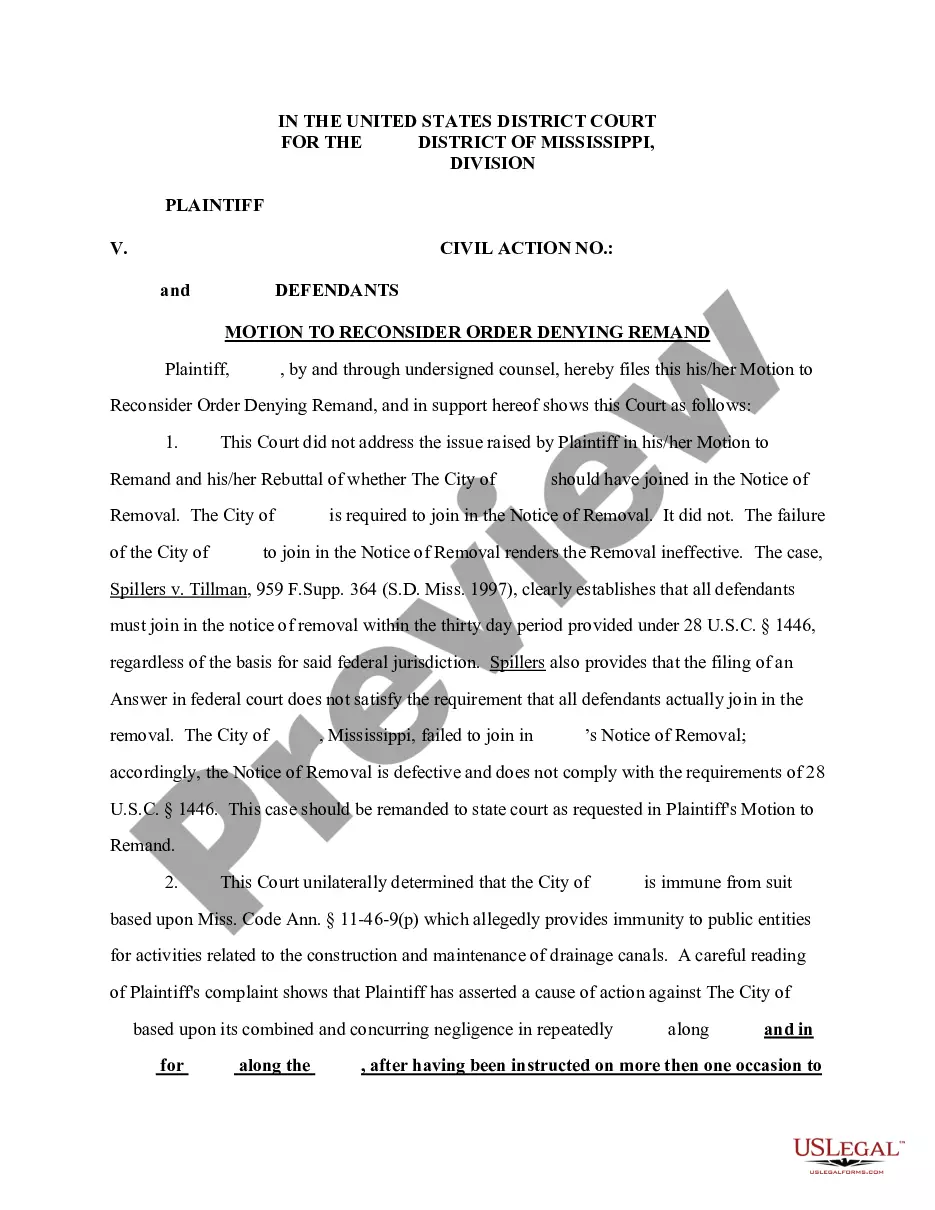
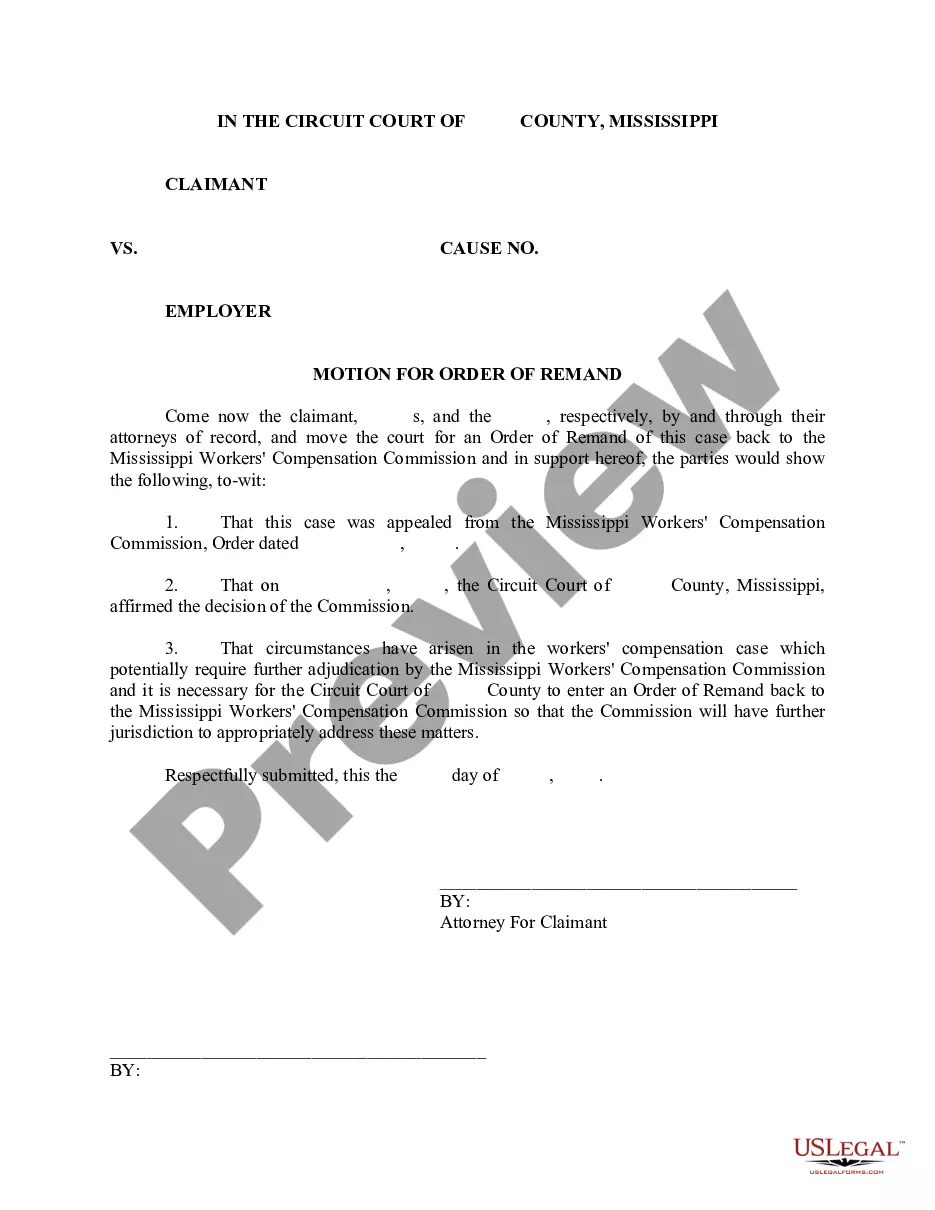
A motion to remand is a legal request made to a court to send a case back to the original court from which it was removed. Typically, this motion arises when a defendant has attempted to move a case from state court to federal court. The motion seeks to return the case to its original jurisdiction, asserting that the requirements for federal jurisdiction, such as diversity of citizenship or amount in controversy, have not been met.
How to complete a form
To complete a motion to remand, follow these steps:
- Identify the original court where the case was filed.
- Document the reasons for requesting the remand, including any relevant legal statutes.
- Provide details of the case, including the names of the parties involved and the nature of the case.
- Include a clear request for the remand, specifying the costs and reasonable attorney's fees sought.
- Sign and date the document before submitting it to the court.
Who should use this form
This form is primarily intended for plaintiffs or defendants involved in a legal dispute that has been improperly removed from state court to federal court. Individuals or parties seeking to challenge the jurisdiction of the federal court based on procedural or substantive grounds will find this motion useful.
Key components of the form
A motion to remand typically includes several critical components:
- Case Information: Identify the parties involved and the original case number.
- Legal Grounds: State the reasons for the remand, referencing relevant laws or statutes.
- Request for Costs: Specify any attorney's fees or costs the plaintiff is seeking.
- Signature: Must be signed by the attorney or party filing the motion.
Common mistakes to avoid when using this form
When filing a motion to remand, avoid these common errors:
- Failing to comply with deadlines for filing the motion.
- Neglecting to provide sufficient grounds for remand.
- Omitting important case details that establish jurisdictional issues.
- Not including a request for costs when applicable.
What documents you may need alongside this one
When submitting a motion to remand, you may need to include the following documents:
- Original Complaint and any amendments
- Notice of Removal filed by the opposing party
- Evidence supporting the claim of improper removal, such as affidavits or correspondence.
Key takeaways
In summary, a motion to remand is a crucial tool for parties seeking to return a case to state court. Understanding its components, the filing process, and common pitfalls can significantly enhance the effectiveness of the motion. Always ensure that the motion is backed by solid legal grounds and accompanied by necessary documentation.