What is a mineral deed and how does it work?
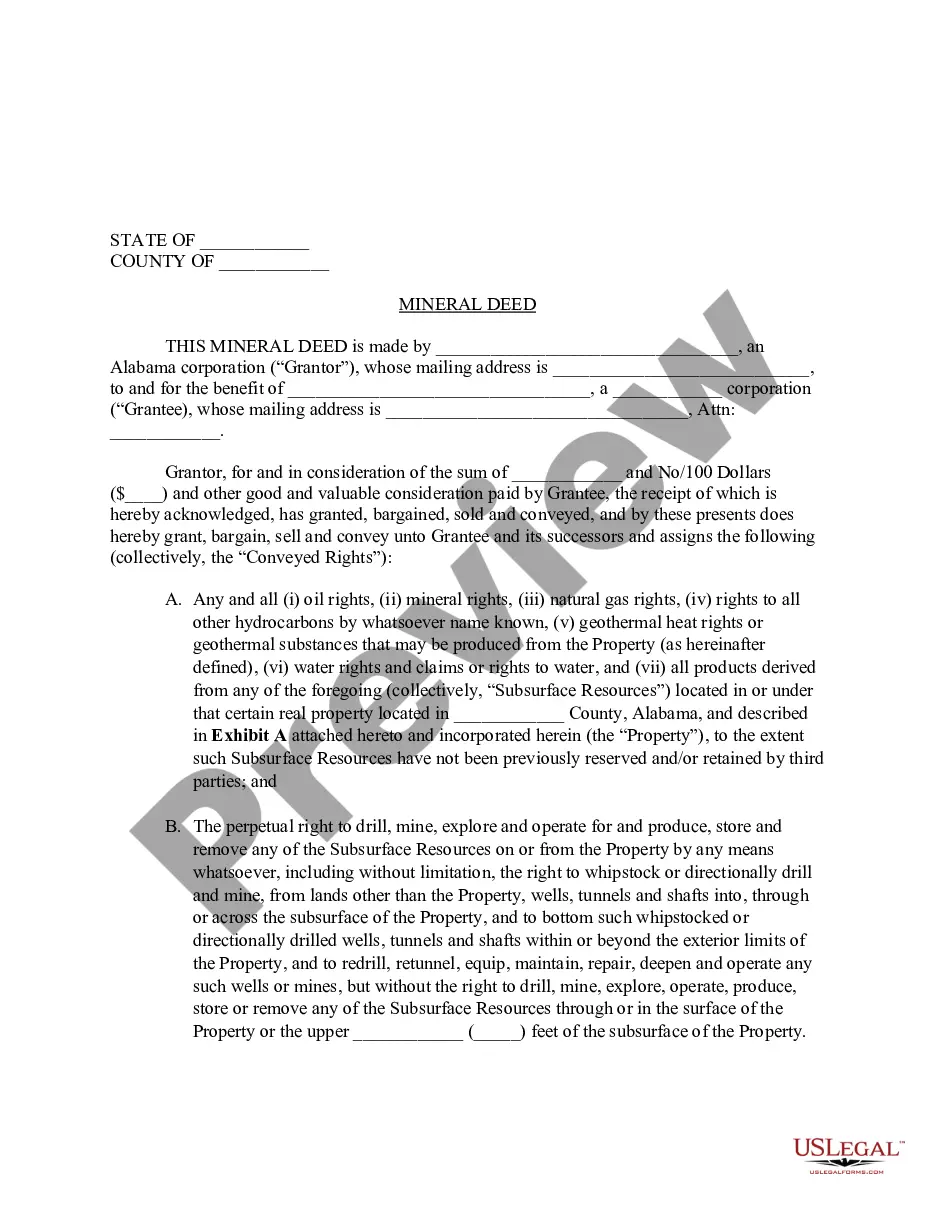
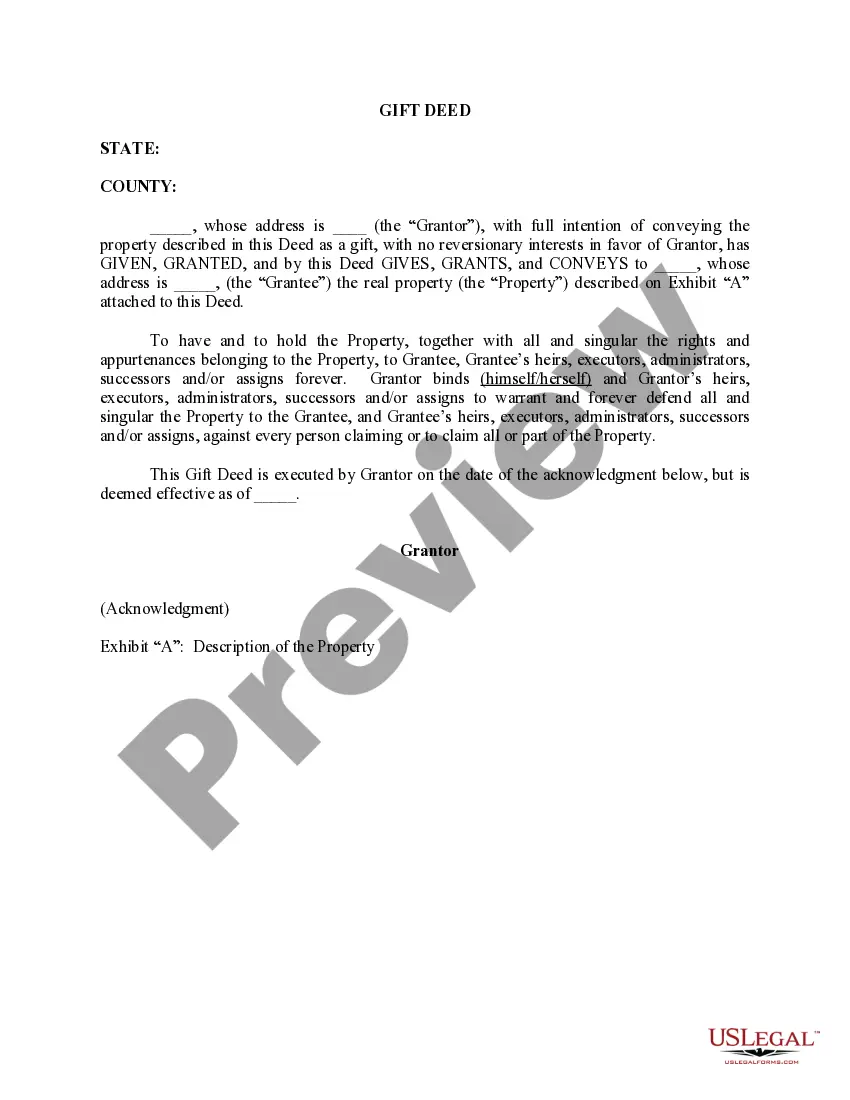
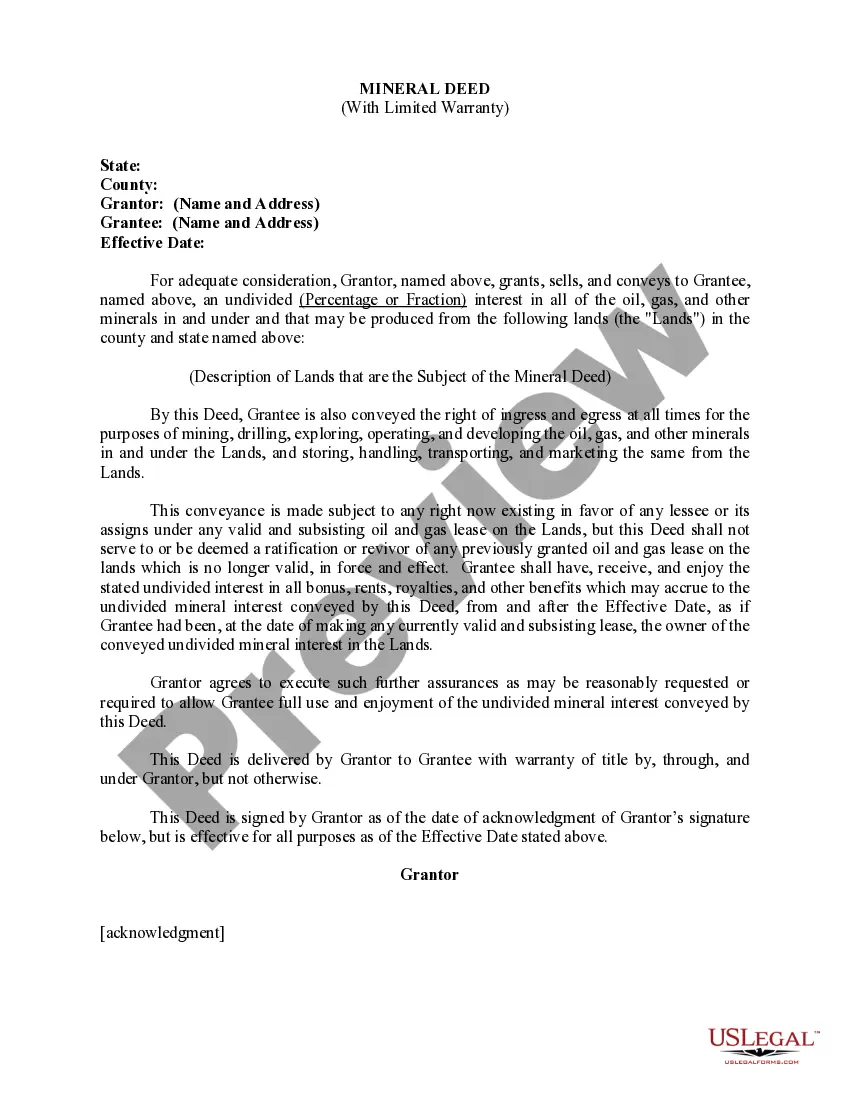
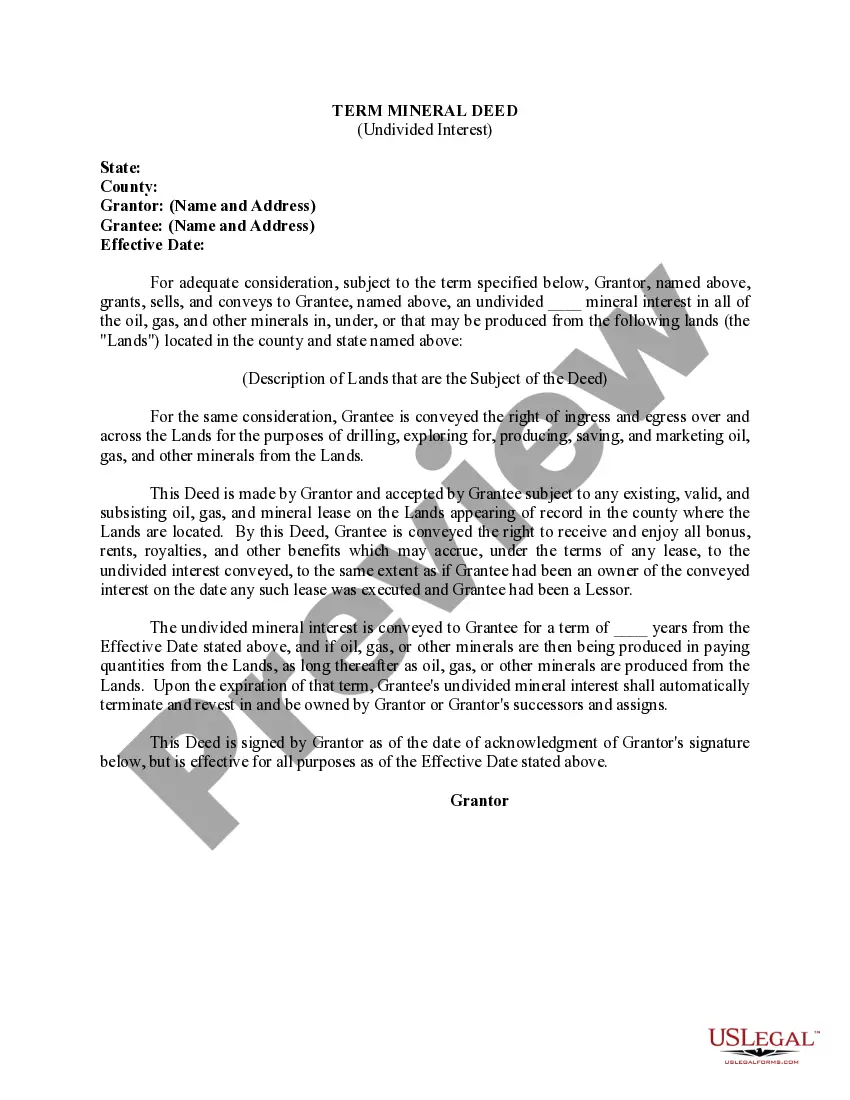
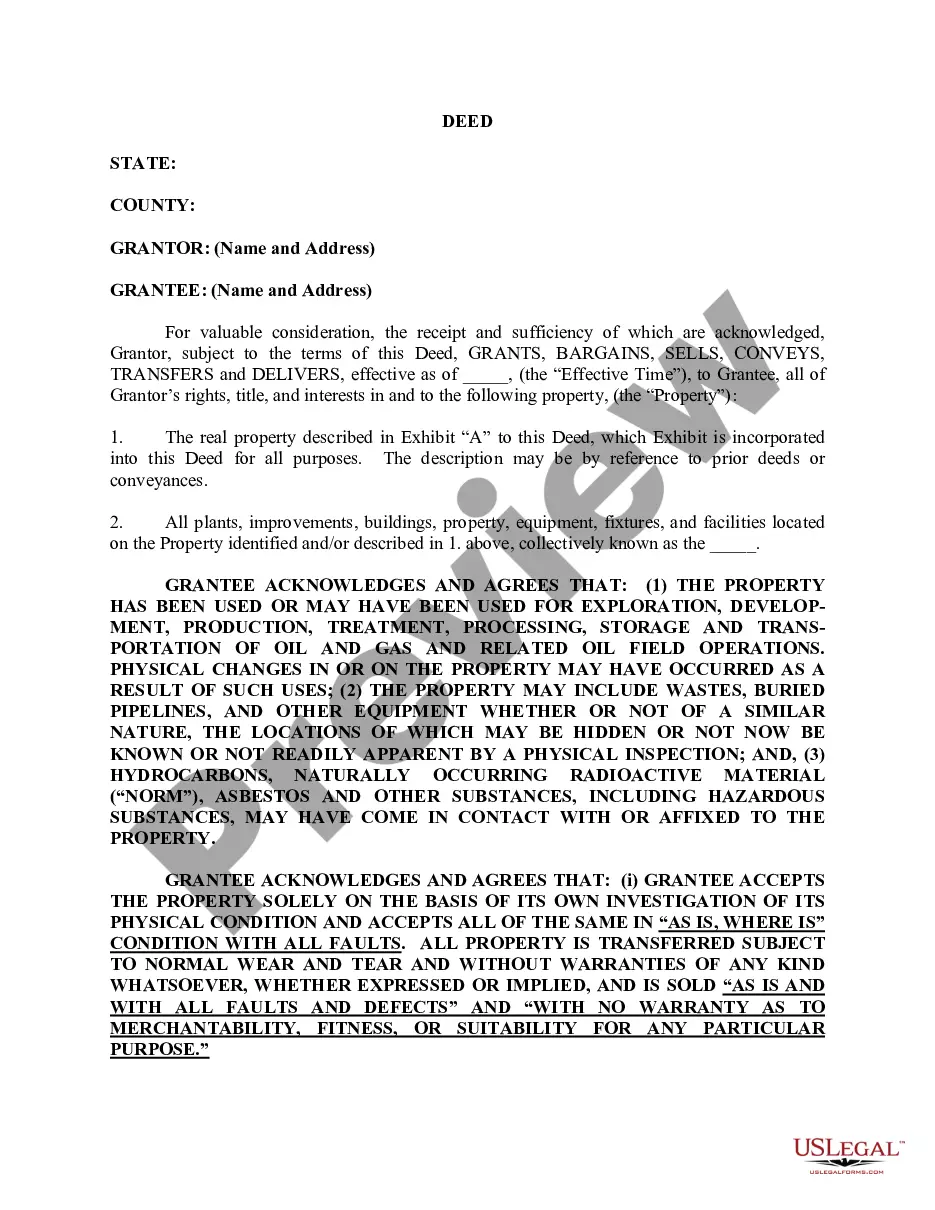
A mineral deed is a legal document that transfers ownership rights to specific mineral resources beneath a property. This includes resources such as oil, natural gas, coal, and other minerals. The grantor, or seller, conveys these rights to the grantee, or buyer, often as part of a real estate transaction. Understanding the specific terms of a mineral deed is essential for both parties to ensure clarity on what is being conveyed.
Key components of the form
A mineral deed typically includes the following key components:
- Grantor and Grantee Information: Identification of the parties involved in the transaction.
- Property Description: Details about the property from which mineral rights are being conveyed, often including legal descriptions or references to maps.
- Conveyed Rights: A detailed list of the specific mineral rights being transferred.
- Consideration: The payment or value that the grantee is providing for the rights.
- Warranties: Any assurances or lack thereof regarding the title of the minerals offered.
Each of these components plays a crucial role in outlining the specifics of the transfer and protecting the interests of both parties.
Who should use this form
This form is suitable for individuals or entities involved in the buying or selling of mineral rights. Common users include:
- Landowners: Individuals looking to sell or lease their mineral rights.
- Miners or Oil Companies: Companies interested in acquiring rights to extract minerals.
- Investors: Individuals or companies investing in mineral rights as a part of their portfolio.
The mineral deed provides clarity and legal recognition of the transfer of rights for all parties involved.
Legal use and context
Mineral deeds are used across many jurisdictions and are governed by state-specific laws. They play a vital role in the energy sector, particularly in regions rich in natural resources. Properly executed, a mineral deed ensures that the rights to extract and enjoy the benefits from the subsurface resources are legally recognized and can prevent future disputes between landowners and mineral rights holders. It is advisable to consult with a licensed attorney during this process to ensure compliance with local laws and regulations.
Common mistakes to avoid when using this form
When executing a mineral deed, it is important to avoid the following common mistakes:
- Inadequate Property Description: Ensure that the property is clearly defined to avoid any ambiguity in ownership.
- Failure to Specify Rights: Clearly state which mineral rights are included in the deed to prevent misunderstandings.
- Not Seeking Legal Advice: Individuals often overlook the importance of reviewing the deed with a legal professional, which can lead to compliance issues.
- Lack of Notarization: Ensure the deed is properly acknowledged and notarized to ensure its validity.
Avoiding these mistakes can help safeguard the transaction's integrity and legality.
What to expect during notarization or witnessing
Notarization or witnessing is a critical step in executing a mineral deed. During this process:
- Identification: The notary will require valid identification from the grantor.
- Signing: The grantor must sign the document in the presence of the notary.
- Acknowledgment: The notary will acknowledge the grantor's understanding and voluntary decision to execute the deed.
This process ensures the document’s authenticity and helps prevent fraud.
Key takeaways
In summary, a mineral deed is critical in transferring mineral rights, and understanding its components is essential for both parties involved. Key takeaways include:
- Clearly define the rights being transferred to avoid future disputes.
- Always consult with a legal professional for guidance throughout the process.
- Proper execution, including notarization, is necessary for the deed's legality.
Adhering to these principles can help ensure a smooth and legally sound transaction.