What Is a Tenancy in Common Deed? Understanding Ownership Rights
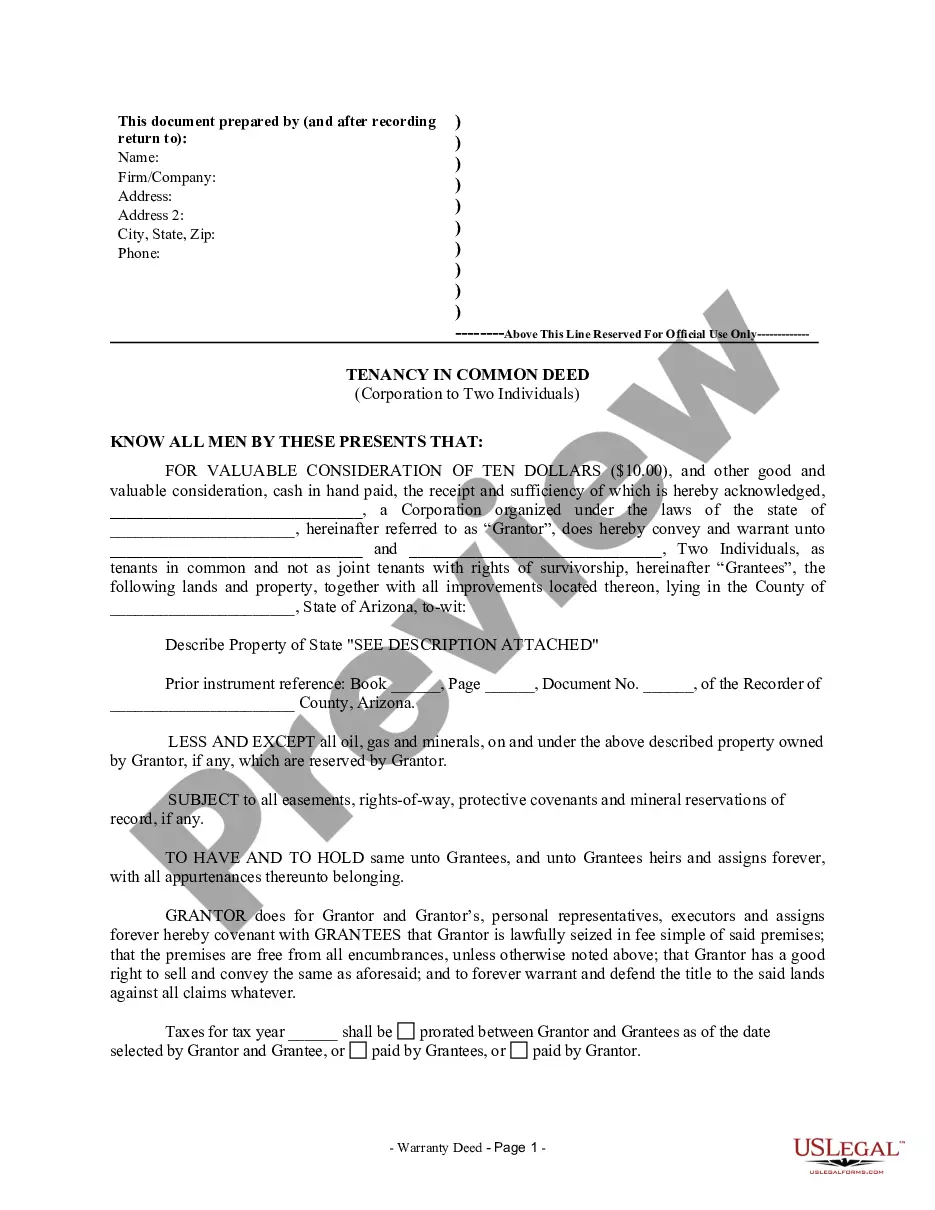
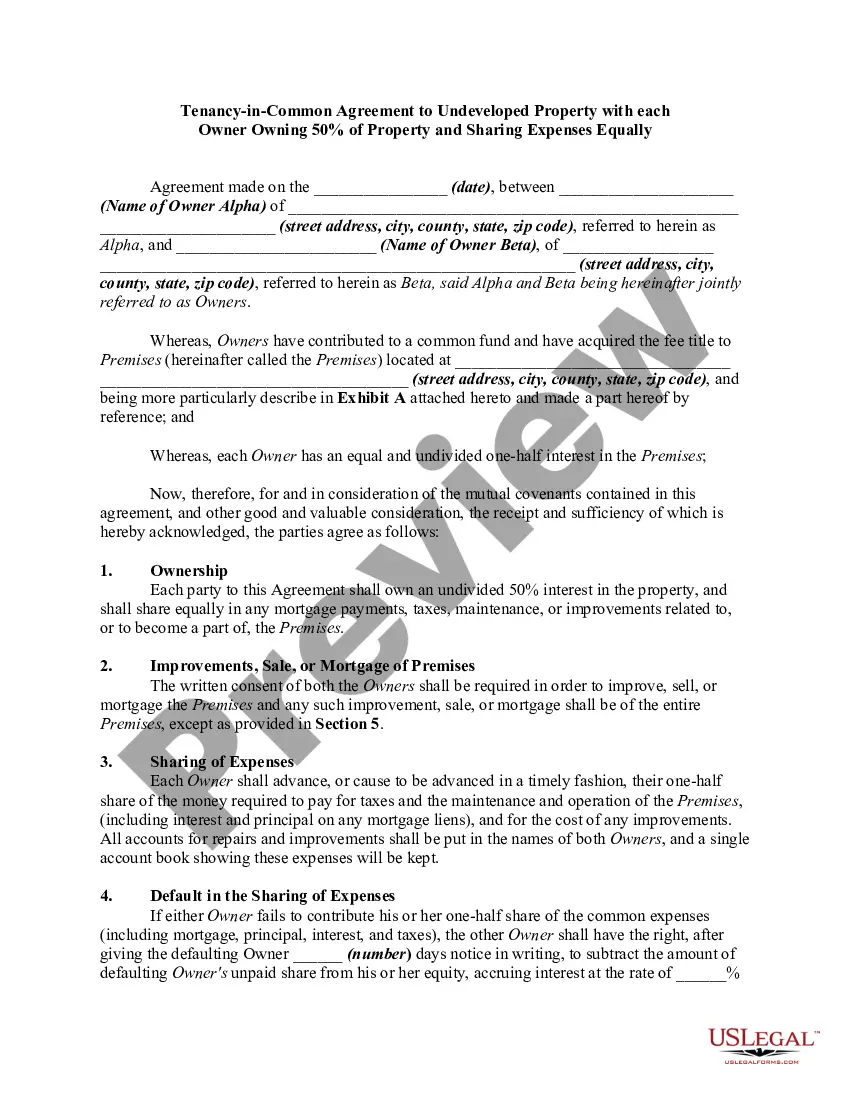
A tenancy in common deed is a legal document that establishes ownership of a property by two or more individuals as tenants in common. This means that each individual holds an undivided interest in the property, which can be unequal, and there are no rights of survivorship. In the event of a co-owner's death, their share does not automatically transfer to the surviving owners; instead, it can be passed on according to the deceased's estate plan or local laws.
How to complete a form
Completing a tenancy in common deed involves the following steps:
- Identify the Grantor(s) and Grantee(s): List the names of the individuals transferring the property and those receiving it.
- Describe the property: Include a detailed description of the property, including the address and any pertinent legal references.
- Specify ownership interests: State how ownership will be divided among the individuals.
- Tax arrangements: Indicate how taxes will be handled for the upcoming tax year.
- Notarization: Have the form signed in the presence of a notary public to validate it legally.
Who should use this form
This form is ideal for individuals looking to co-own property without joint ownership that includes rights of survivorship. It is commonly used by friends, family members, or business partners who wish to share ownership of real estate while retaining the ability to pass their interest to heirs upon death. It is also suitable for those engaged in estate planning or divorce settlements, where property division is necessary.
Key components of the form
A tenancy in common deed typically includes the following key components:
- Grantor(s): The individual(s) transferring property rights.
- Grantee(s): The individual(s) receiving property rights.
- Property Description: Details of the property being transferred.
- Ownership Interests: The specific shares of the property held by each owner.
- Signatures and Notarization: Legal acknowledgment required for validity.
Common mistakes to avoid when using this form
Users should be cautious of these frequent errors:
- Neglecting to provide a clear and detailed property description.
- Failing to specify ownership percentages accurately.
- Omitting the necessary notarization, which may lead to enforcement issues.
- Using outdated forms that may not comply with current state laws.
What documents you may need alongside this one
When executing a tenancy in common deed, consider preparing the following documents:
- Original property title or deed.
- Any existing contracts related to the property.
- Estate planning documents if applicable.
- Tax documents relevant to property ownership.
What to expect during notarization or witnessing
During the notarization process, a notary public will:
- Verify the identity of the Grantor(s) by checking valid identification.
- Witness the signing of the tenancy in common deed.
- Affix their official signature and stamp to certify the document.
This process ensures that the deed is legally binding and recognized by courts.