What is a judgment for child support and how does it work?
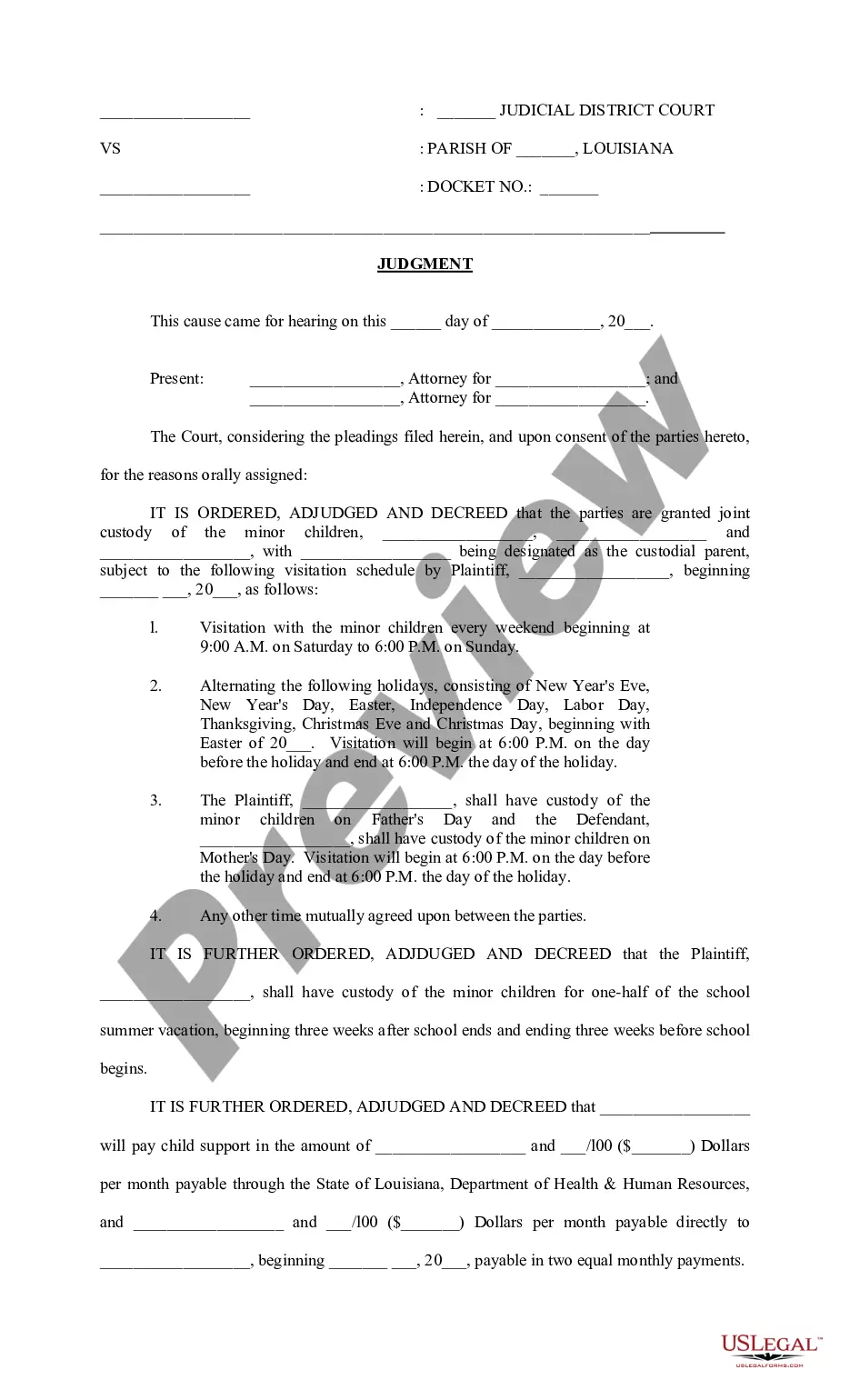
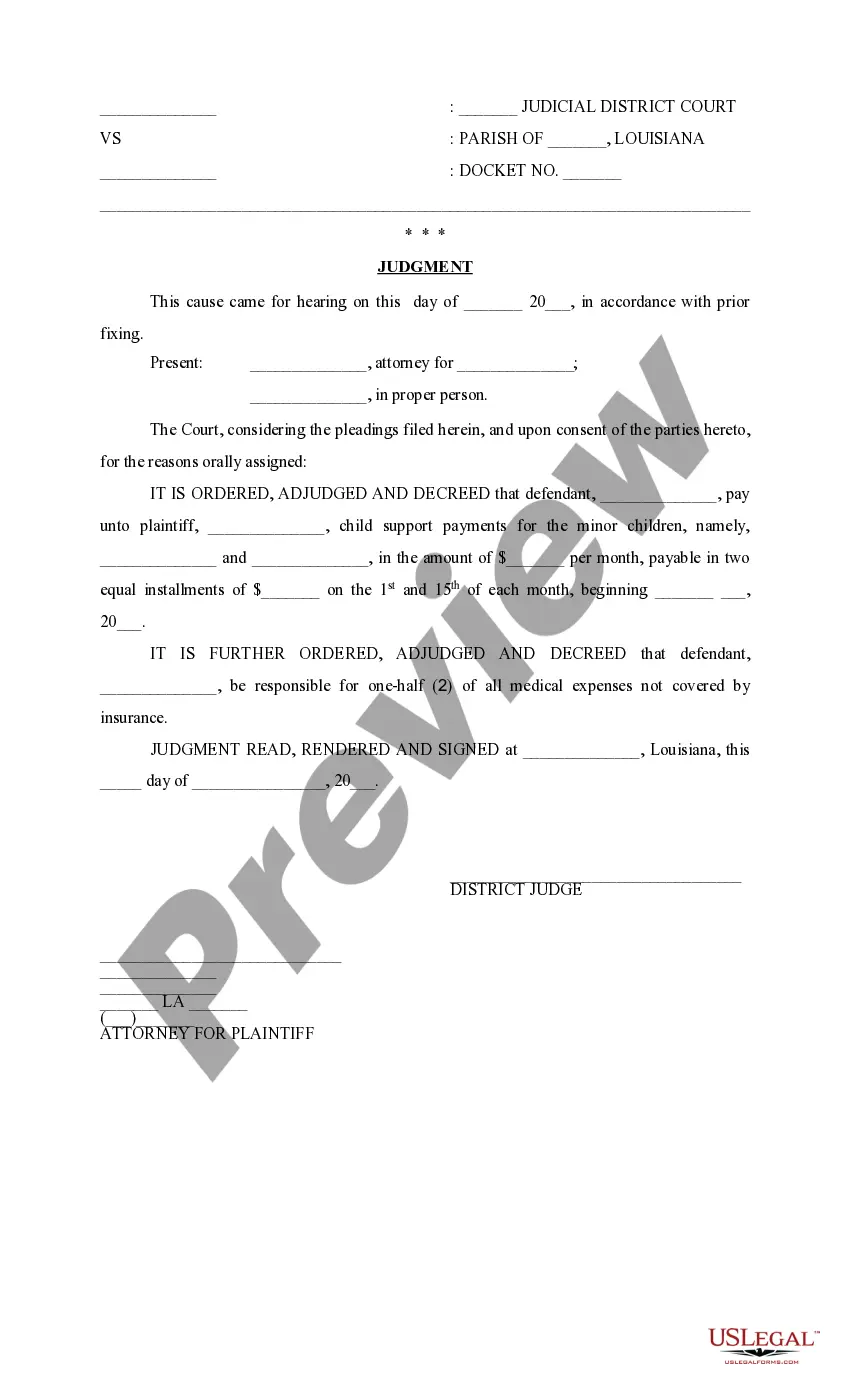
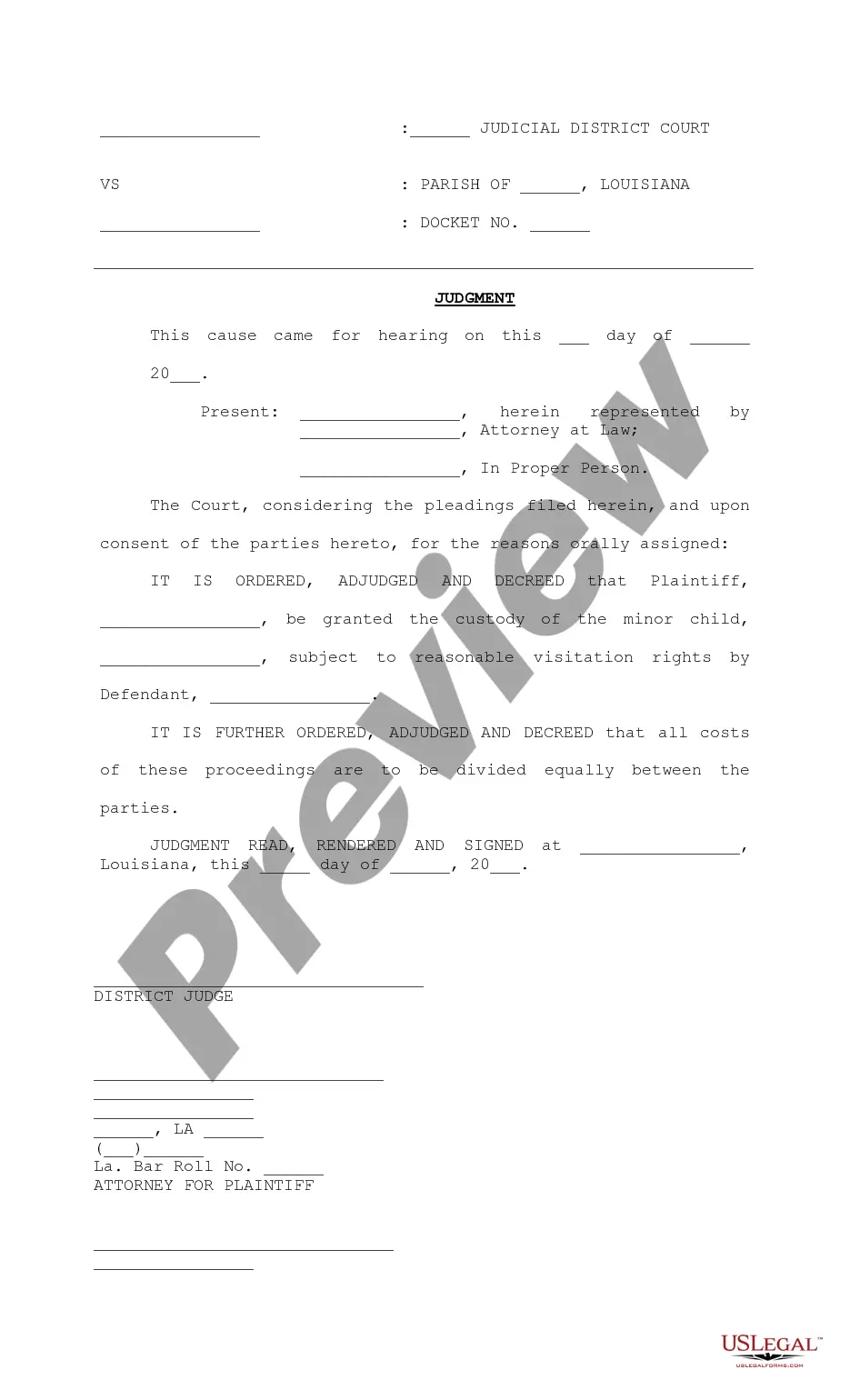
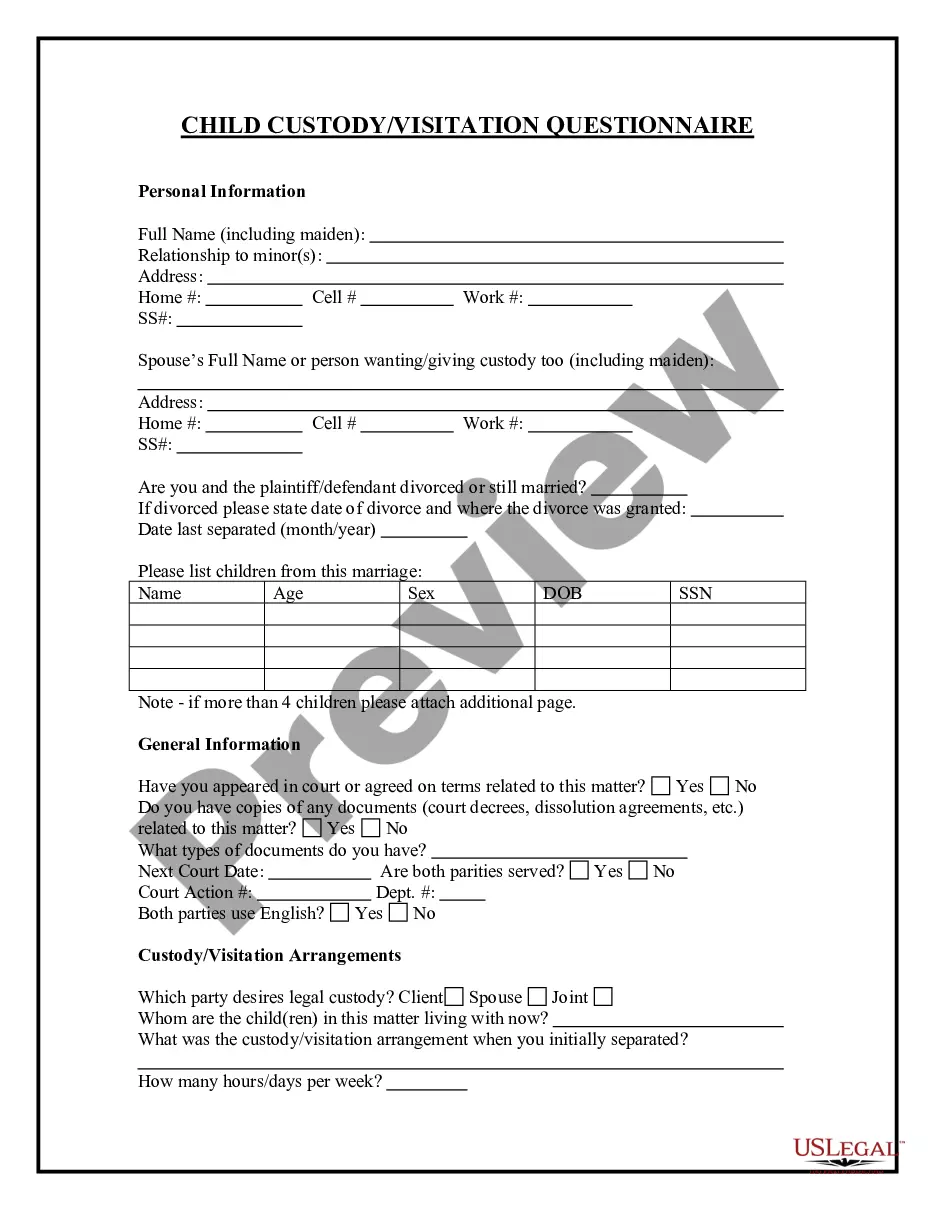
A Judgment for Child Support is a court order that establishes a parent’s obligation to provide financial support for their child or children. This formal judgment is typically issued during divorce proceedings or in cases where parents were never married. It outlines the specific amount of child support to be paid and the schedule for payments, ensuring that the custodial parent receives the necessary resources to care for the child’s needs.
Key components of the form
The Judgment for Child Support includes several important elements, such as:
- Parties involved: Identification of the custodial and non-custodial parents.
- Amount of support: The specific dollar amount to be paid each month.
- Payment schedule: Dates for when payments are due, often listed as installments.
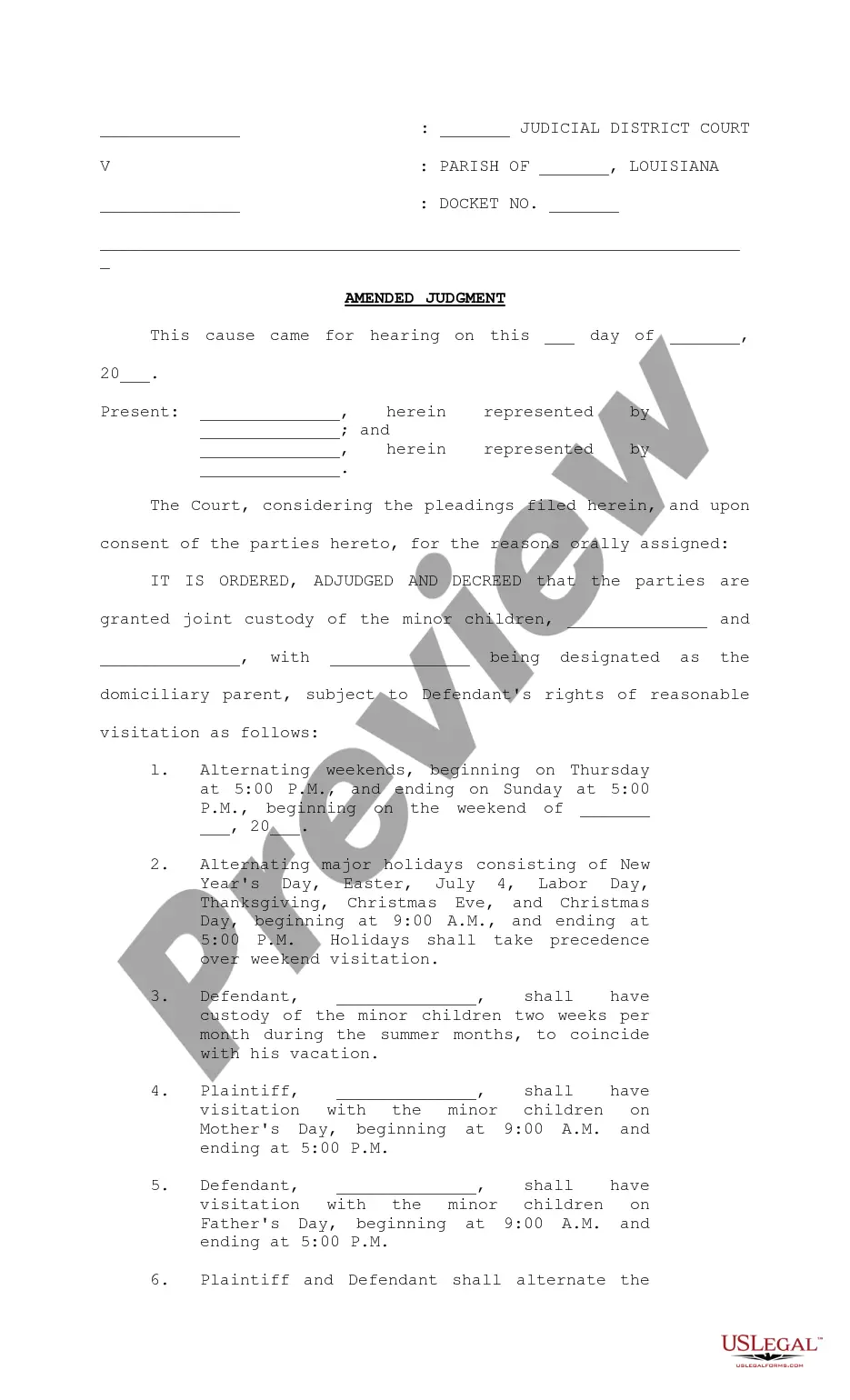
- Visitation rights: Outline of any visitation arrangements that may impact the child support amount.
These components ensure clarity and legality in the enforcement of the support obligation.
How to complete a form
To complete a Judgment for Child Support, follow these steps:
- Gather information: Collect necessary details about both parents, including names, addresses, and financial information.
- Specify terms: Clearly state the amount of support and payment schedule. Refer to state guidelines if available to ensure compliance.
- Consult a lawyer: It is advisable to have a licensed attorney review the form to ensure it meets all legal requirements.
- File with the court: Submit the completed form to the appropriate court and pay any required filing fees.
- Serve the other parent: Ensure that the other parent is notified of the judgment and any responsibilities outlined in it.
Completing the form accurately is crucial to avoid delays in receiving or enforcing child support.
Common mistakes to avoid when using this form
When filling out a Judgment for Child Support, be mindful of these frequent errors:
- Incomplete information: Ensure all required fields are filled out to avoid delays.
- Incorrect amounts: Double-check calculations related to support amounts and payment schedules.
- Not understanding state laws: Each state has different regulations regarding child support; ensure you know these rules.
- Failing to notify the other parent: Proper legal service is necessary for the judgment to be enforceable.
Avoiding these mistakes can help streamline the legal process.
What to expect during notarization or witnessing
While notarization may not always be required for a Judgment for Child Support, if it is, anticipate the following:
- Identification: Present a valid form of identification to the notary.
- Signing: All parties involved in the agreement must be present to sign in the presence of the notary.
- Completion of the notary journal: The notary will document the signing process in their official record.
- Fees: Be prepared to pay a fee for notary services, which varies by location.
Ensuring the proper witnessing or notarization can strengthen the legal standing of the judgment.