How to Request Inspection and Copy of Designated Documents?
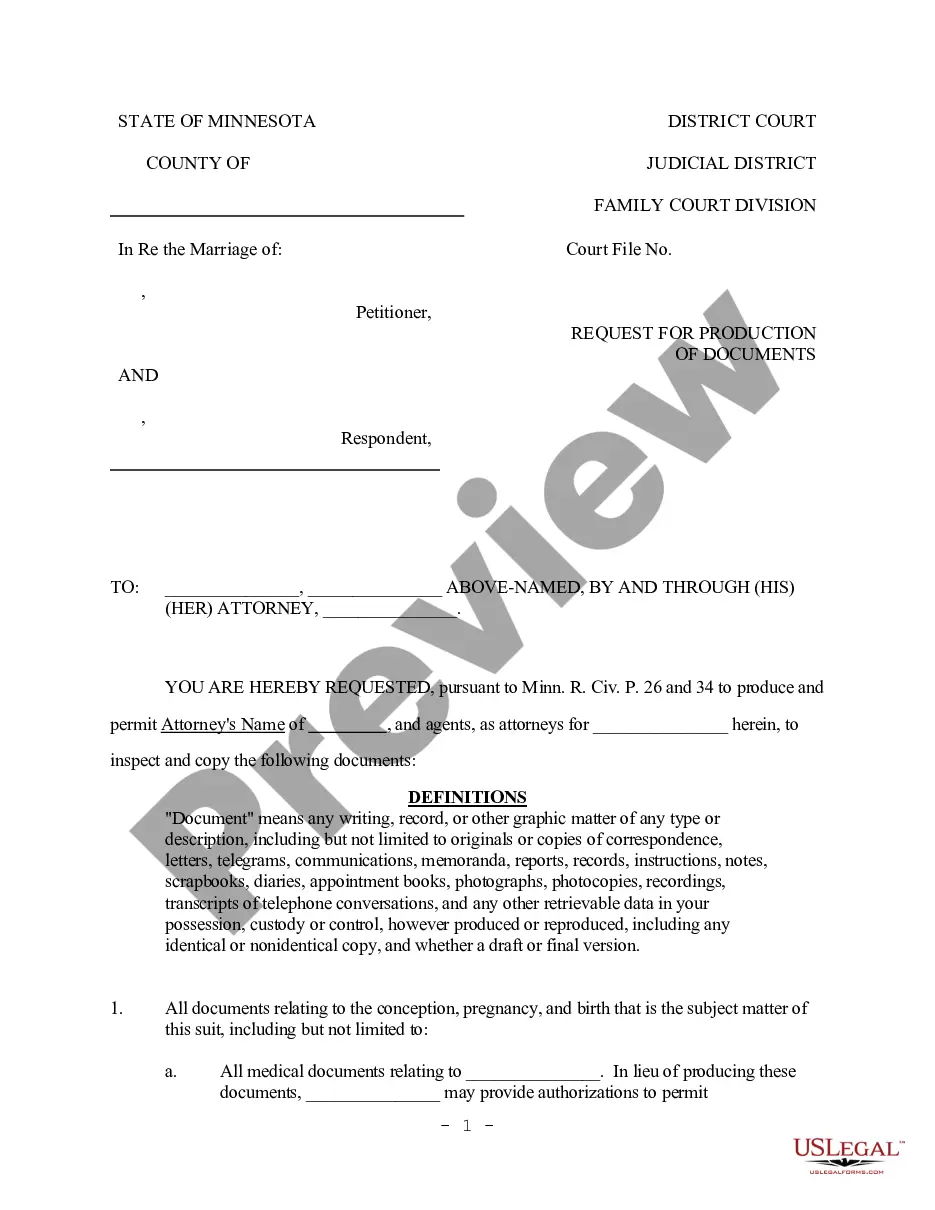
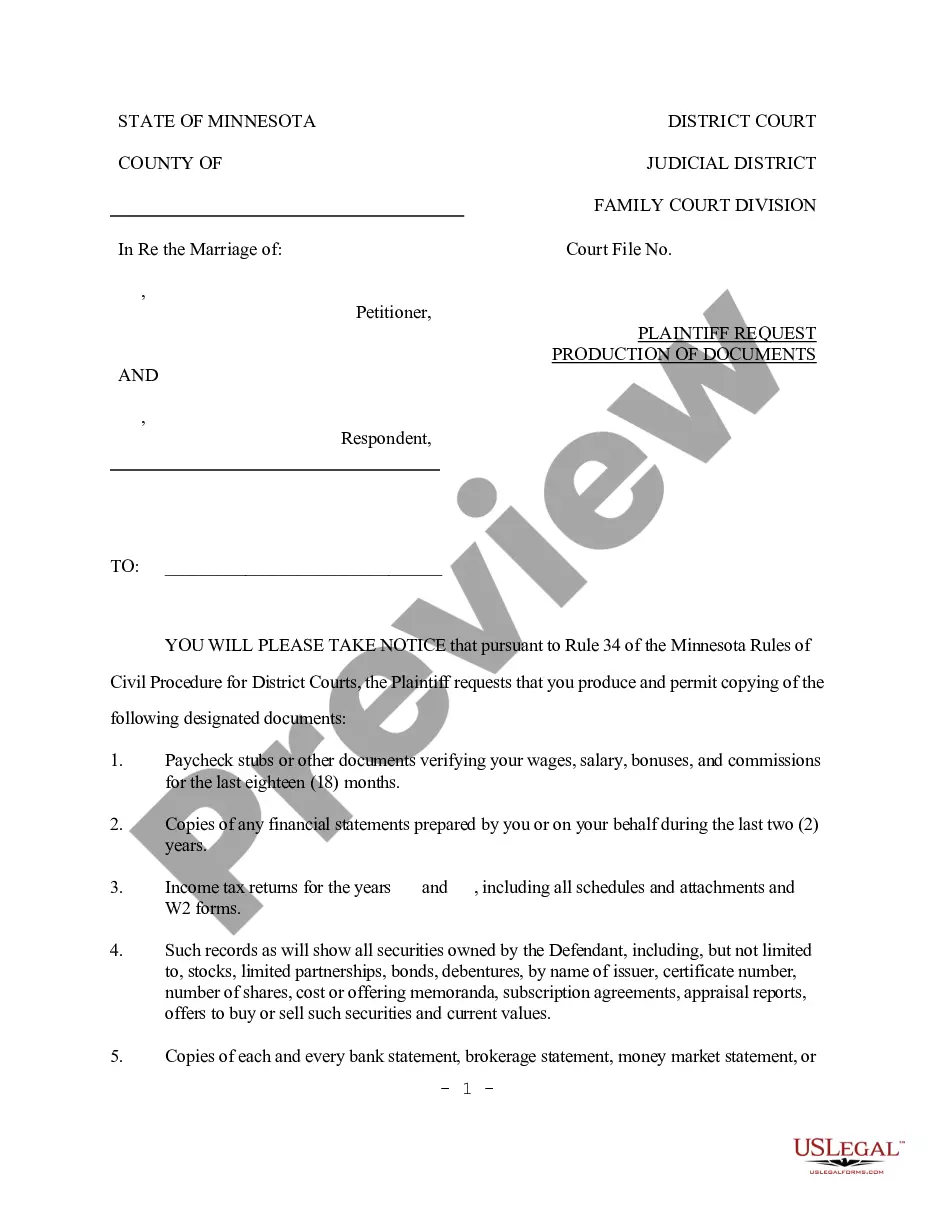
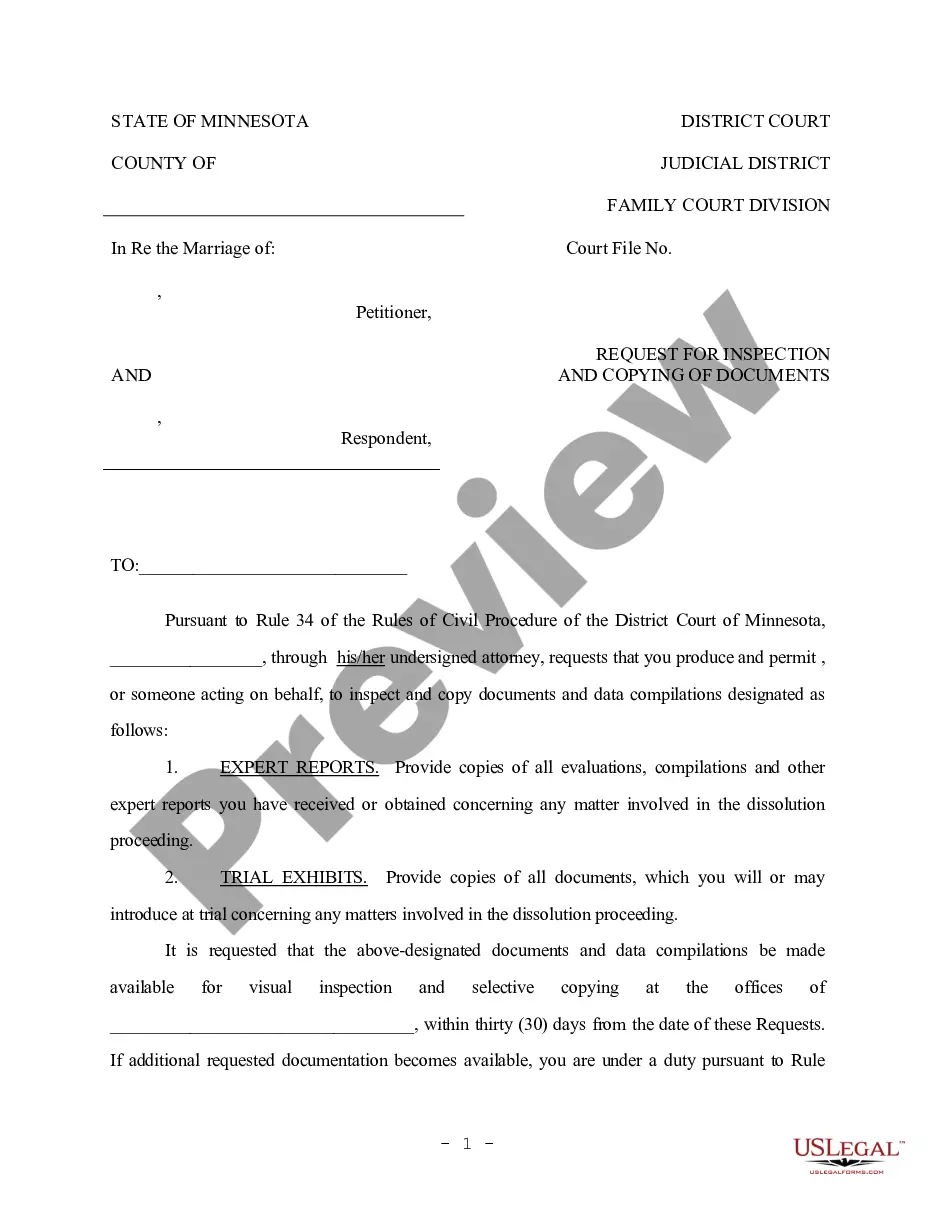
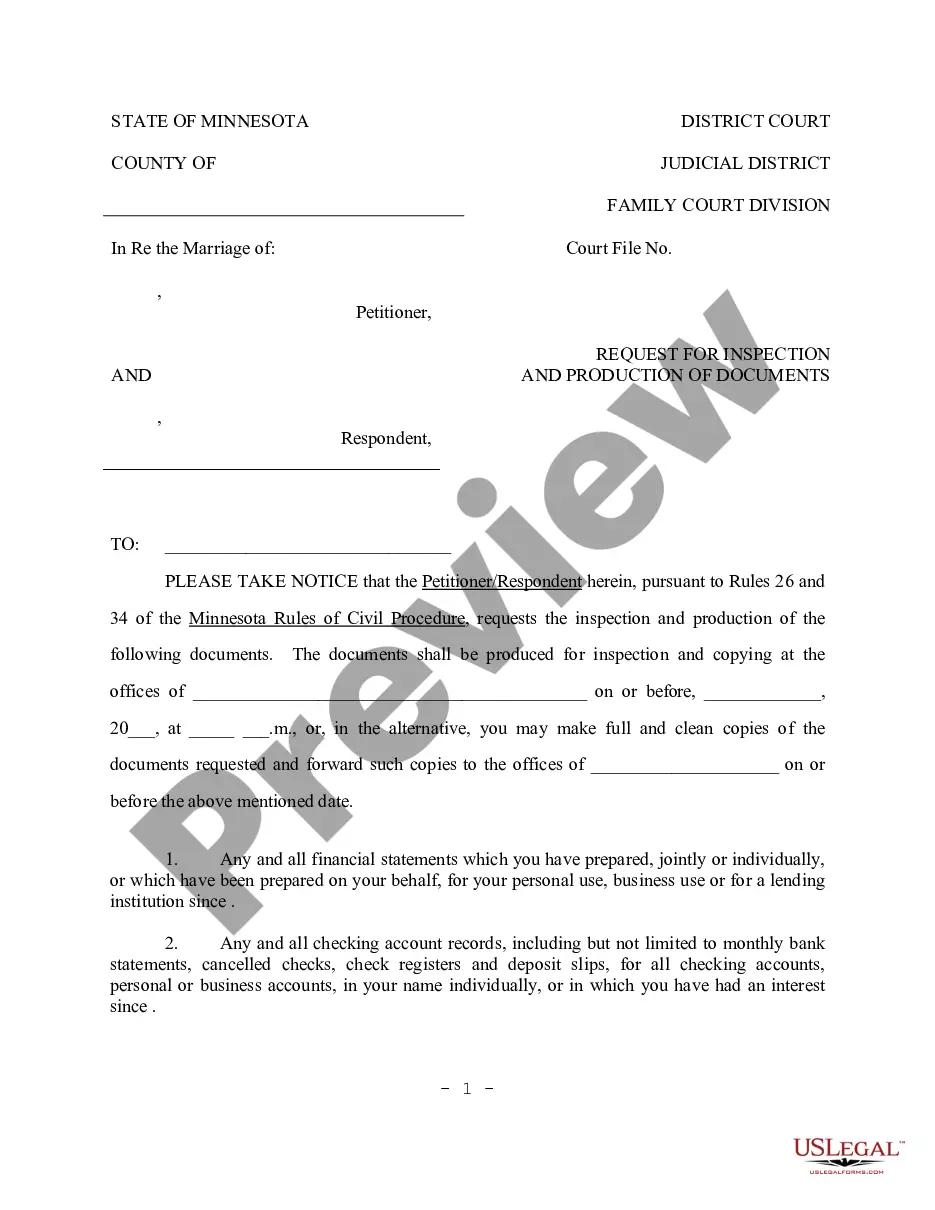
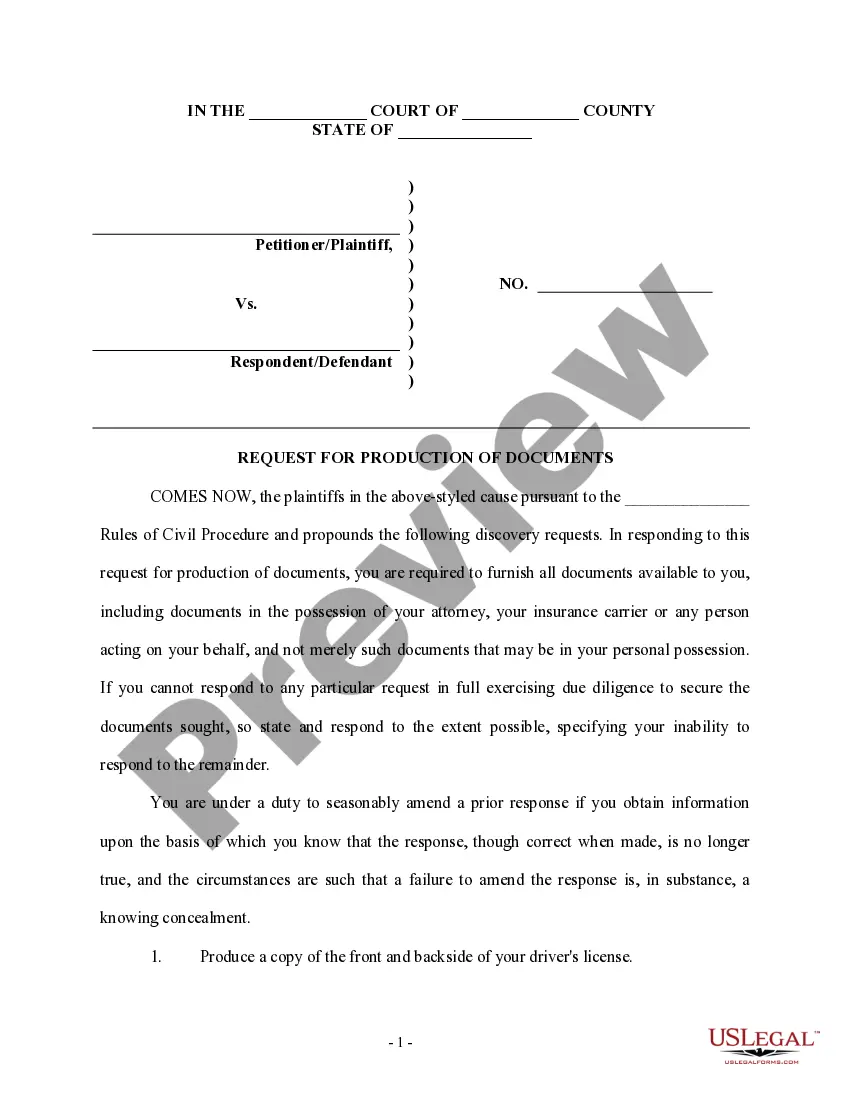
The request for inspection and copy of designated documents is a formal procedure that allows a party involved in a legal matter to obtain access to certain documents held by another party. This form is essential in legal proceedings, ensuring transparency and enabling effective communication between parties. It outlines the documents needed for review and establishes a timeline for the production of these documents.
How to complete a form
Completing the request for inspection and copy of designated documents requires careful attention to detail. Follow these steps:
- Identify the specific documents you wish to access.
- Fill in the name and address of the party from whom you are requesting documents.
- Clearly state the purpose of your request.
- Include the date and your contact information.
- Sign and date the form before submission.
Make sure to retain a copy for your records.
Who should use this form
This form is typically used by individuals or legal representatives involved in a legal dispute who need access to documents relevant to their case. This may include:
- Petitioners in family law cases.
- Defendants in civil litigation.
- Individuals seeking evidence in discovery.
Understanding when to use this form is critical for your legal strategy.
Legal use and context
The request for inspection and copy of designated documents is governed by applicable rules of civil procedure. It is essential in pre-trial discovery phases, allowing parties to gather necessary evidence and support their cases. Typically, it follows established timelines and must be served in accordance with legal guidelines.
Key components of the form
Several components are crucial in the request for inspection form:
- Caption: The heading that includes the court's name, case number, and parties involved.
- Request details: A clear description of the documents being requested.
- Submission details: Information about where and when the documents should be produced.
- Signature: The requesting party's signature and date, confirming the request.
Each element serves a specific purpose, ensuring the form is legally compliant.
Common mistakes to avoid when using this form
When submitting the request for inspection and copy of designated documents, be mindful of these common errors:
- Failing to specify the exact documents needed.
- Not adhering to the required timeline for submitting the request.
- Omitting necessary signatures or contact information.
- Providing vague details that may lead to misunderstandings.
Avoiding these mistakes will help streamline the process and enhance the efficiency of your request.
What documents you may need alongside this one
In addition to the request form, you may need to prepare other documents, including:
- Court pleadings: Any documents that outline the basis for your legal case.
- Prior correspondence: Relevant communication between parties that indicates the need for document inspection.
- Legal notices: Any notices or motions related to the case.
Having these documents ready will help substantiate your request and ensure clarity in the legal process.